


100x Your Brand in 60 Minutes with These PROVEN Tactics
Executive Summary
Brand.me founder Ananth Narayanan, a former Myntra CEO, talks with Ganesh Prasad about building Indian consumer brands for global markets, picking niches, why he consolidated 20 acquired brands to about 10, and how he thinks about growing a brand from 100 crore to 1,000 crore rupees. Coverage comes from approximately the first 50,000 characters of third-party captions, not the full conversation; later parts on operations, marketing and hiring are not summarized. Market share, margin and size figures are the guest's claims and not independently checked. Sponsor pitches are omitted, and brand product claims are not health advice. Captions contain errors and no named speakers; attribution follows the exchange. Topics are untimed; metadata follows YouTube. Source: https://youtubetotranscript.com/transcript?v=H088ypbYuDw
Key Takeaways
Choose where to play before how to play
Narayanan says he left consulting for Myntra because fashion e-commerce was a large market at an inflection point, and because he liked the people he would work with. He treats a growing market and good colleagues as the two reasons for a big career move.
Build for the world, not just India
He says India has manufacturing, design and sourcing strengths but few global consumer brands. He argues data lets a company understand consumers anywhere, delivery is cheaper to reach, and ambition has been the gap. This is his thesis about opportunity, not a guarantee.
Be a focused brand builder, not an aggregator
He contrasts his approach with Thrasio-style aggregation, saying his company stayed in two spaces, lifestyle and health and wellness. It bought about 20 brands, then cut to about 10 after finding focus mattered. He says building a 50 crore or a 1,000 crore brand takes similar effort.
Compete in the least competed spaces
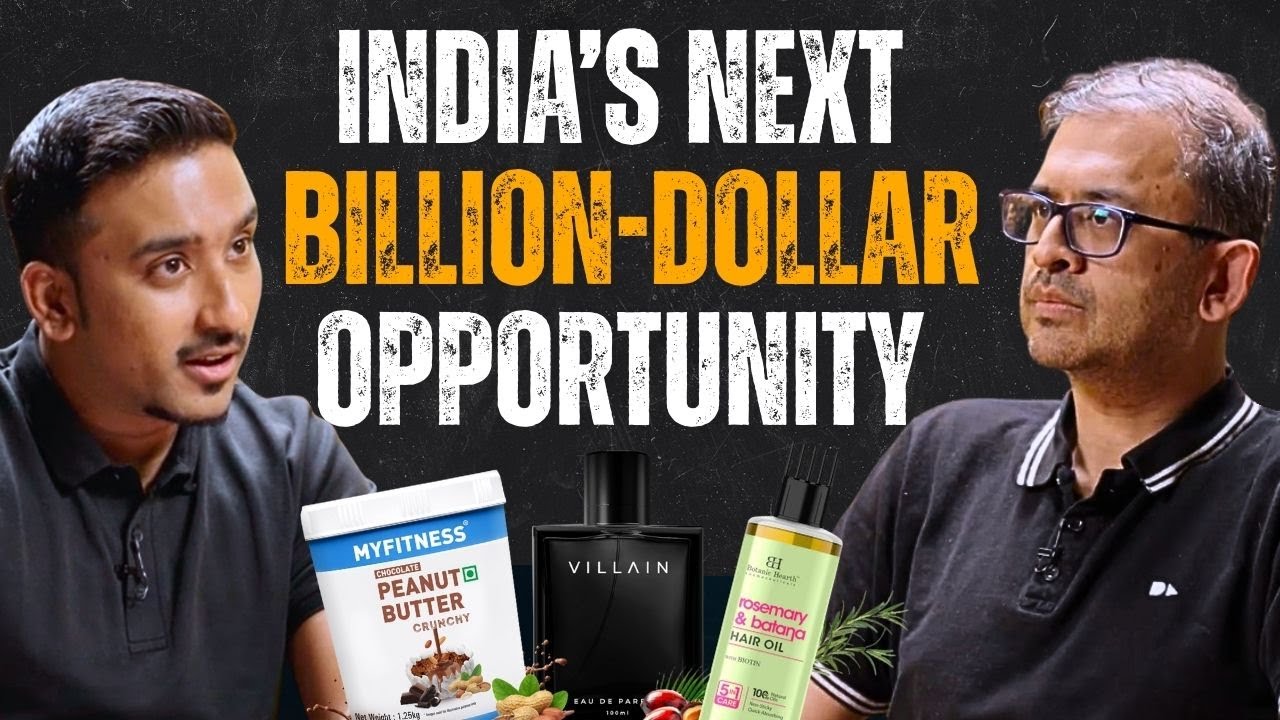
Narayanan says picking a niche gives better unit economics and lets a company invest back in brand. His example is a peanut butter brand for gym-goers that he says holds about 22 percent market share. He cites no oil separation and a chocolate version with less than 10 percent sugar as consumer-insight features.
Expand from a dominated niche
He says a niche leader can widen its market by going to other countries such as the Middle East and then to adjacent products like protein bars. He estimates each step adds hundreds or thousands of crores to the addressable market. These are his plans and figures, not results.
Look for unorganized markets with an operations problem
Narayanan describes a party-supplies brand in a space of many small street sellers where nobody built a brand. He says it needs 2,000 to 5,000 products and heavy technology but has high gross margins and customers who care more about quality, design and on-time delivery than price.
Aim for the long-term milestone
He says 100 crores is the first milestone and a brand has arrived at 1,000 crores. He wants to build a company that lasts 50 to 100 years and hopes to take it public. This is an ambition he states, not a forecast.
The Conversation Breakdown
Choose where to play before how to play
⏱ Untimed topicNarayanan says he left consulting for Myntra because fashion e-commerce was a large market at an inflection point, and because he liked the people he would work with. He treats a growing market and good colleagues as the two reasons for a big career move.
Build for the world, not just India
⏱ Untimed topicHe says India has manufacturing, design and sourcing strengths but few global consumer brands. He argues data lets a company understand consumers anywhere, delivery is cheaper to reach, and ambition has been the gap. This is his thesis about opportunity, not a guarantee.
Be a focused brand builder, not an aggregator
⏱ Untimed topicHe contrasts his approach with Thrasio-style aggregation, saying his company stayed in two spaces, lifestyle and health and wellness. It bought about 20 brands, then cut to about 10 after finding focus mattered. He says building a 50 crore or a 1,000 crore brand takes similar effort.
Compete in the least competed spaces
⏱ Untimed topicNarayanan says picking a niche gives better unit economics and lets a company invest back in brand. His example is a peanut butter brand for gym-goers that he says holds about 22 percent market share. He cites no oil separation and a chocolate version with less than 10 percent sugar as consumer-insight features.
Expand from a dominated niche
⏱ Untimed topicHe says a niche leader can widen its market by going to other countries such as the Middle East and then to adjacent products like protein bars. He estimates each step adds hundreds or thousands of crores to the addressable market. These are his plans and figures, not results.
Look for unorganized markets with an operations problem
⏱ Untimed topicNarayanan describes a party-supplies brand in a space of many small street sellers where nobody built a brand. He says it needs 2,000 to 5,000 products and heavy technology but has high gross margins and customers who care more about quality, design and on-time delivery than price.
Aim for the long-term milestone
⏱ Untimed topicHe says 100 crores is the first milestone and a brand has arrived at 1,000 crores. He wants to build a company that lasts 50 to 100 years and hopes to take it public. This is an ambition he states, not a forecast.
Core Frameworks & Ideas
Niche, insight, then expand - guest's playbook
Dominate a small category using one or two consumer insights, then grow into new countries and adjacent categories.
Focus beats breadth - lesson from the portfolio
Consolidate brands so the team can build a few large ones; effort per brand is similar regardless of size.
Unorganized market with an operations barrier - guest's filter
Look for fragmented markets where nobody has built a brand because operations are hard.
Actionable Next Steps
- ✓Write the one or two consumer insights that make your product different.
- ✓Estimate how much a second country or adjacent category would add to your market.
- ✓List the brands or products you should stop to focus effort.
- ✓Check whether your category is fragmented and why nobody has built a brand.
Notable Quotes
“generally compete in the least competed spaces”
“you need one or two consumer insights”
“it takes exactly the same amount of effort whether you're building a 50 cr brand”
The One Thing to Remember
Pick a niche you can dominate, then expand it across geography and adjacent products.