


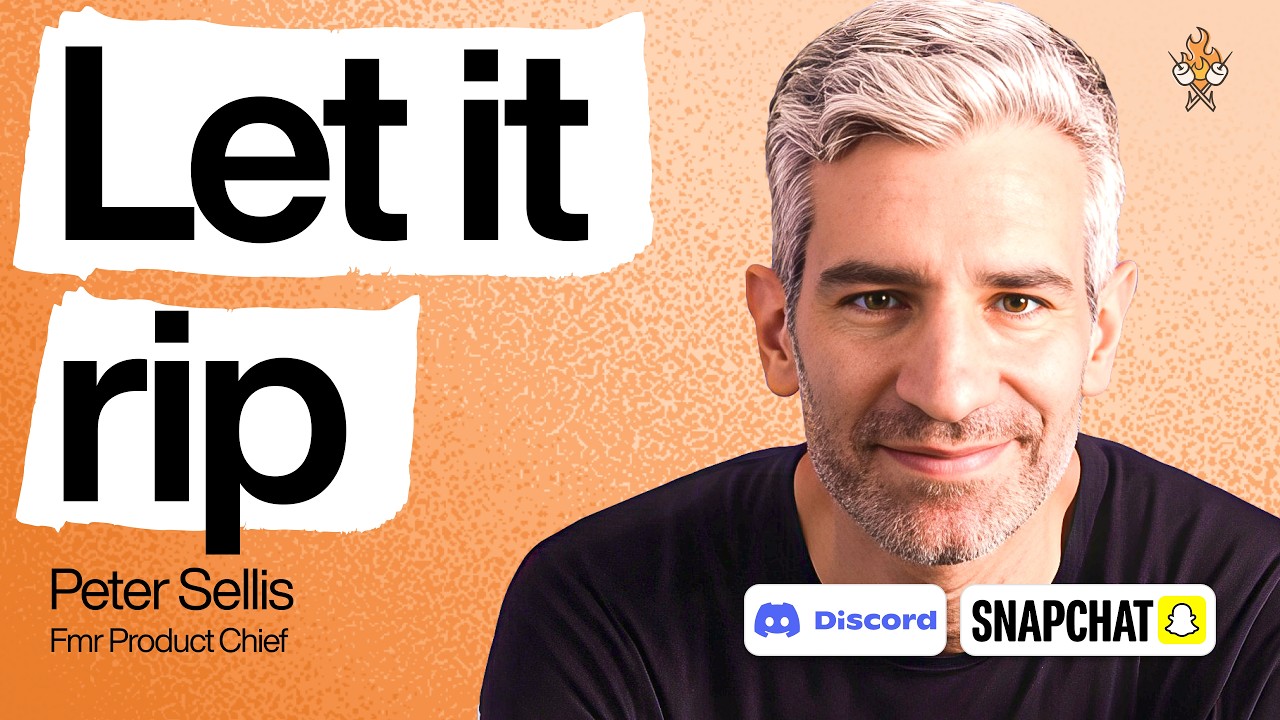
90 minutes of unfiltered product advice from Snap and Discord’s product chief | Peter Sellis
Executive Summary
Lenny's Podcast episode in which Lenny Rachitsky speaks with Peter Sellis, the first product manager at Snapchat and later head of product at Discord, recorded while he is between roles. The episode is presented by season sponsor WorkOS. Sellis shares counterintuitive management lessons: designing teams with a clear ideology and decision rights rather than heavy collaboration, investing in top performers instead of average ones, and why he thinks the median product manager provides little value. He explains his view of why Snap struggled to build a bigger ads business despite a billion monthly users, talks about trust and ad formats, and praises SpaceX for cannibalizing its own success. PARTIAL COVERAGE: the captions cover most of the conversation, but this summary highlights the team-design lessons, the Snap ads analysis and the taste discussion only, so segments such as managing Nikita Bier and the lightning round are not summarized. These are Sellis's own opinions from his experience, not independently verified, and nothing here is career, hiring or investment advice.
Key Takeaways
Design for less collaboration
Sellis says collaboration has a hidden coordination cost, so he builds teams with a religious-level shared goal and clear ownership instead.
A vessel for the founders' vision
He describes absorbing the founders' vision and compressing it into repeatable phrases the whole team can act on.
Ride your best people
He says he hands top performers more and more rope rather than spending that time improving average performers.
The median PM bar
He argues product managers at companies like Snap must provide value over having no PM at all, and that many do not.
Why Snap's ads lagged
He says Snap's audience is harder to measure, the app opens to a camera not a feed, and messaging is hard to monetize.
Trust is the ads currency
He frames ad load as a trade against user trust and says auction design should maximize long-term trust.
Burn the ships
He admires SpaceX for sunsetting the Falcon 9, its own best product, to force the future to arrive faster.
The Conversation Breakdown
Design for less collaboration
⏱ Untimed topicSellis says collaboration has a hidden coordination cost, so he builds teams with a religious-level shared goal and clear ownership instead.
A vessel for the founders' vision
⏱ Untimed topicHe describes absorbing the founders' vision and compressing it into repeatable phrases the whole team can act on.
Ride your best people
⏱ Untimed topicHe says he hands top performers more and more rope rather than spending that time improving average performers.
The median PM bar
⏱ Untimed topicHe argues product managers at companies like Snap must provide value over having no PM at all, and that many do not.
Why Snap's ads lagged
⏱ Untimed topicHe says Snap's audience is harder to measure, the app opens to a camera not a feed, and messaging is hard to monetize.
Trust is the ads currency
⏱ Untimed topicHe frames ad load as a trade against user trust and says auction design should maximize long-term trust.
Burn the ships
⏱ Untimed topicHe admires SpaceX for sunsetting the Falcon 9, its own best product, to force the future to arrive faster.
Core Frameworks & Ideas
Ideology plus decision rights - Sellis's team design
A mission everyone can repeat plus clarity on who decides what removes the need to over-collaborate.
Value over nobody - Sellis's PM test
A product manager should make the product better than it would be with no PM at all.
Museum curator rule - Sellis on taste
If everything is on the walls, no curation happened; restraint is the muscle of taste.
Actionable Next Steps
- ✓Write your team's strategy as short phrases people can repeat without you in the room.
- ✓Name the single owner for each decision before the next project starts.
- ✓Audit one recurring meeting or review that exists only for coordination.
- ✓List one thing your team should stop shipping, even if it works.
Notable Quotes
“A good terrorist organization essentially has two things.”
“Exercising that kind of muscle of saying no of restraint is probably one of the few muscles of taste you can exercise.”
“If a museum has all of their collection on the walls then the curator hasn't done anything.”
The One Thing to Remember
Peter Sellis argues that great product teams run on a shared ideology and clear decision rights, not on more collaboration.