


A founder’s guide to crisis management | Uri Levine (Waze co-founder, serial entrepreneur)
Executive Summary
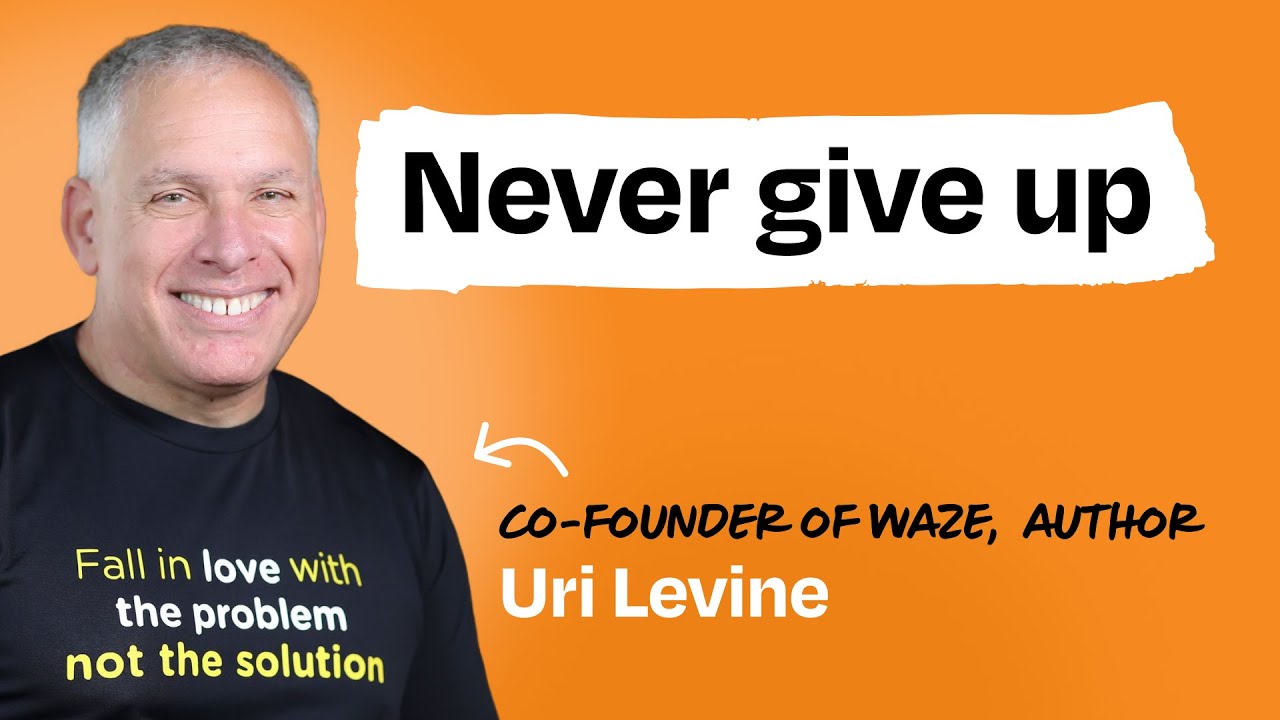
Lenny's Podcast episode, sponsored by WorkOS and Rippling, in which Lenny Rachitsky welcomes back Uri Levine, co-founder of Waze and nine other companies and author of Fall in Love with the Problem, Not the Solution, about the founder's guide to crisis management - the new chapter in his book's updated edition. Levine's taxonomy splits crises in two: the cash crisis, when a lost customer or disappearing investor jeopardizes the plan, and the loss of product-market fit, which sends you back to square one where everything you knew is irrelevant. His behavioral rules: never give up - the most important behavior of successful startup CEOs - and make decisions with conviction, because a team will not follow hesitation. On responsibility he is blunt: it is always the founder's fault, and that is good news, because assuming responsibility means you control your own destiny. Asked how to avoid crisis, his answer is that you cannot - building a startup is a journey from one crisis to the next. PARTIAL COVERAGE: this summary highlights the taxonomy and principles; case stories are not covered. These are Levine's own views, not independently verified.
Key Takeaways
Two crisis types
Cash crises hit the plan; lost product-market fit invalidates everything and sends you to square one.
Crisis is the job
Building a startup, he says, is a journey from one crisis to the next - do not expect to avoid them.
Never give up
He ranks persistence as the most important behavior of successful startup CEOs.
Conviction second
Decisions made without conviction lose the team, and a lost team loses the company.
Always the founder's fault
Assuming fault is not guilt; it is the claim that you control your own destiny.
Back to square one
When product-market fit disappears, everything you learned so far is irrelevant - rebuild from the problem.
Why the new chapter
Covid, rate shocks, inflation and wars convinced him the book needed a crisis chapter.
The Conversation Breakdown
Two crisis types
⏱ Untimed topicCash crises hit the plan; lost product-market fit invalidates everything and sends you to square one.
Crisis is the job
⏱ Untimed topicBuilding a startup, he says, is a journey from one crisis to the next - do not expect to avoid them.
Never give up
⏱ Untimed topicHe ranks persistence as the most important behavior of successful startup CEOs.
Conviction second
⏱ Untimed topicDecisions made without conviction lose the team, and a lost team loses the company.
Always the founder's fault
⏱ Untimed topicAssuming fault is not guilt; it is the claim that you control your own destiny.
Back to square one
⏱ Untimed topicWhen product-market fit disappears, everything you learned so far is irrelevant - rebuild from the problem.
Why the new chapter
⏱ Untimed topicCovid, rate shocks, inflation and wars convinced him the book needed a crisis chapter.
Core Frameworks & Ideas
Crisis taxonomy - Levine's split
Classify the crisis as cash or product-market fit; the responses are completely different.
Fault-forward ownership - his agency move
Blame yourself first so the solution stays in your hands.
Conviction signaling - his leadership rule
The team follows decided leaders; half-decisions are worse than wrong ones.
Actionable Next Steps
- ✓Classify your current biggest problem as cash or product-market fit.
- ✓Write down what you would do if your largest customer vanished next month.
- ✓Find one decision you have been signaling without conviction.
- ✓Re-test one assumption you made before your last crisis.
Notable Quotes
“Never give up is the most important behavior of successful CEOs”
“you actually need to go back to square one”
“it's always the founders fault if things don't work out”
The One Thing to Remember
Uri Levine's crisis manual: expect the next crisis, separate cash crises from lost product-market fit, and remember it is always the founder's fault - which means you hold the fix.