


Ex-Facebook & Uber Heads Reveal 9 SIMPLE HABITS to EARN ₹50 Lakh/Year | IBP EP34
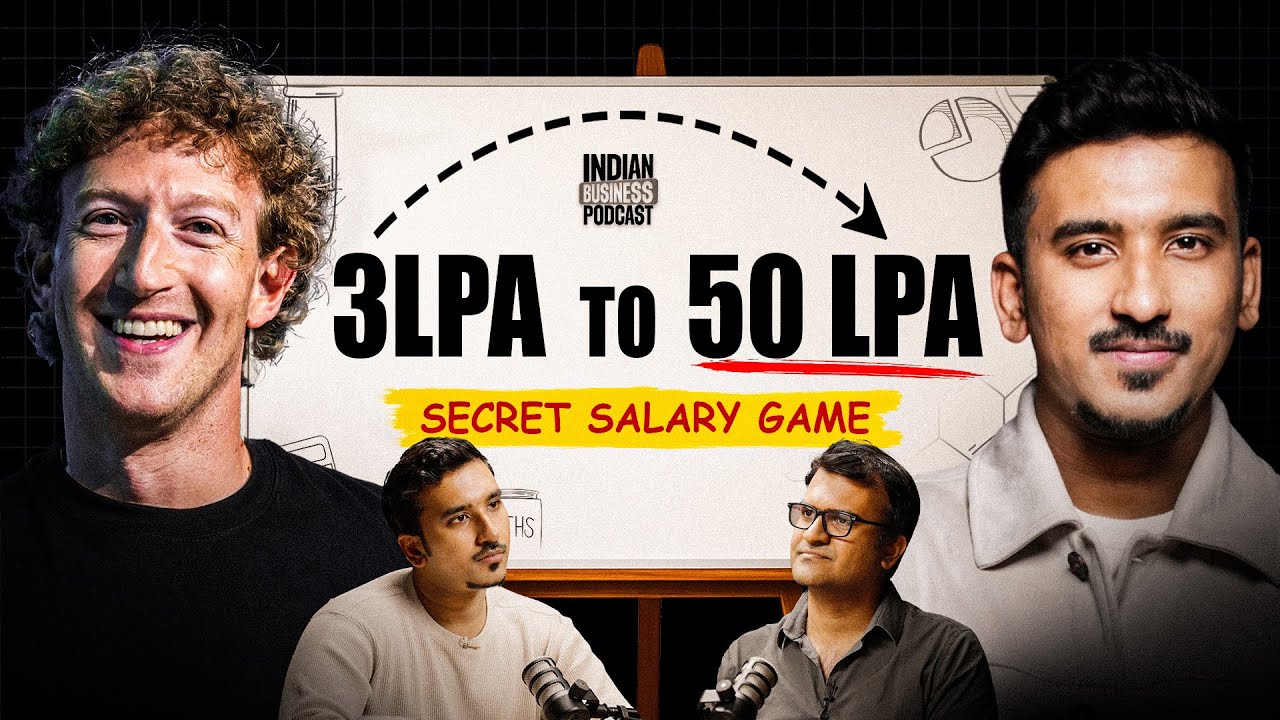
Executive Summary
Anshuman Singh, Bhavik Rathod and Ganesh Prasad discuss investigating customer problems, showing evidence of initiative and hiring for measurable impact. Coverage comes from approximately the first 50,000 characters of third-party captions, not the full interview; the unseen ending is not summarized. School promotions, AI remarks and blanket firing or education-status prescriptions are omitted. Historical company practices are the guests' recollections, not current policies. The title's salary figure is not a promised outcome. Captions contain errors and no named speakers; quotations are attributed to the interview participants rather than assigned to an uncertain speaker. Topics are untimed; metadata follows YouTube. Source: https://youtubetotranscript.com/transcript?v=xwFgddaaBXs
Key Takeaways
Connect data with the actual customer problem
The Uber discussion describes talking to riders and drivers, handling tickets and trying the service. A metric tells you where to look without explaining every cause. Combine direct observation with data before choosing a fix, then track whether the change improves the experience.
Investigate incentives before imposing a penalty
The cancellation example asks why a driver rejects a trip, including the destination and ability to find another ride. The guests discuss several experiments rather than a single permanent cure. Compare an information or matching change with penalties, and measure effects on both sides of the service.
Build honest evidence of initiative
The guests treat a small operating project as a signal that a candidate can act and learn without waiting for every instruction. The project label alone is not the evidence. Explain what you tried, the constraints, the result and what you would change, without inventing success.
Write the change your work produced
They contrast title, tenure and team size with a starting metric and a result. Responsibilities provide context, while measurable change makes the contribution clearer. Use accurate figures and distinguish your own contribution from the wider team's work.
Probe what happened rather than what was intended
The interview discussion favors demonstrated action over a claim of potential. A useful follow-up asks how the person investigated the problem and what changed during execution. Past evidence can guide a decision without proving that every new role or context will work the same way.
Let evidence beat rank
The Uber account describes a culture where the best answer should win regardless of its source. A manager who dismisses suggestions because of hierarchy can miss useful information. Make the disagreement testable and explain the decision rather than confusing openness with accepting every suggestion.
Test a disputed idea in stages
The Meta recollection describes employee experiments followed by a limited external release before wider rollout. This is a historical account, not current release policy. Choose a small, safe test with a decision metric and a rollback route before exposing all customers to an uncertain change.
The Conversation Breakdown
Connect data with the actual customer problem
⏱ Untimed topicThe Uber discussion describes talking to riders and drivers, handling tickets and trying the service. A metric tells you where to look without explaining every cause. Combine direct observation with data before choosing a fix, then track whether the change improves the experience.
Investigate incentives before imposing a penalty
⏱ Untimed topicThe cancellation example asks why a driver rejects a trip, including the destination and ability to find another ride. The guests discuss several experiments rather than a single permanent cure. Compare an information or matching change with penalties, and measure effects on both sides of the service.
Build honest evidence of initiative
⏱ Untimed topicThe guests treat a small operating project as a signal that a candidate can act and learn without waiting for every instruction. The project label alone is not the evidence. Explain what you tried, the constraints, the result and what you would change, without inventing success.
Write the change your work produced
⏱ Untimed topicThey contrast title, tenure and team size with a starting metric and a result. Responsibilities provide context, while measurable change makes the contribution clearer. Use accurate figures and distinguish your own contribution from the wider team's work.
Probe what happened rather than what was intended
⏱ Untimed topicThe interview discussion favors demonstrated action over a claim of potential. A useful follow-up asks how the person investigated the problem and what changed during execution. Past evidence can guide a decision without proving that every new role or context will work the same way.
Let evidence beat rank
⏱ Untimed topicThe Uber account describes a culture where the best answer should win regardless of its source. A manager who dismisses suggestions because of hierarchy can miss useful information. Make the disagreement testable and explain the decision rather than confusing openness with accepting every suggestion.
Test a disputed idea in stages
⏱ Untimed topicThe Meta recollection describes employee experiments followed by a limited external release before wider rollout. This is a historical account, not current release policy. Choose a small, safe test with a decision metric and a rollback route before exposing all customers to an uncertain change.
Core Frameworks & Ideas
Root-cause investigation - discussed approach
Connect tickets, conversations, firsthand use and metrics before choosing a remedy.
Impact-led experience - discussed resume lens
State the starting point, your responsibility, the result and the resources involved.
Staged testing - historical Meta recollection
Try an idea with a small audience and a clear metric before considering wider release.
Actionable Next Steps
- ✓Rewrite one experience bullet with an accurate starting metric and result.
- ✓Speak to a customer before proposing the next process fix.
- ✓Document what a small project taught you as well as its outcome.
- ✓Define a safe test, success metric and rollback route for a disputed idea.
Notable Quotes
“I would talk to users.”
“the best answer always wins no matter where it comes from”
“everybody wants to do great things in life but very few people do.”
The One Thing to Remember
Show the change your work produced and the evidence behind it, not only the title or size of your team.