


How a Great Architect Thinks ft. Bjarke Ingels | Better in Person
Executive Summary
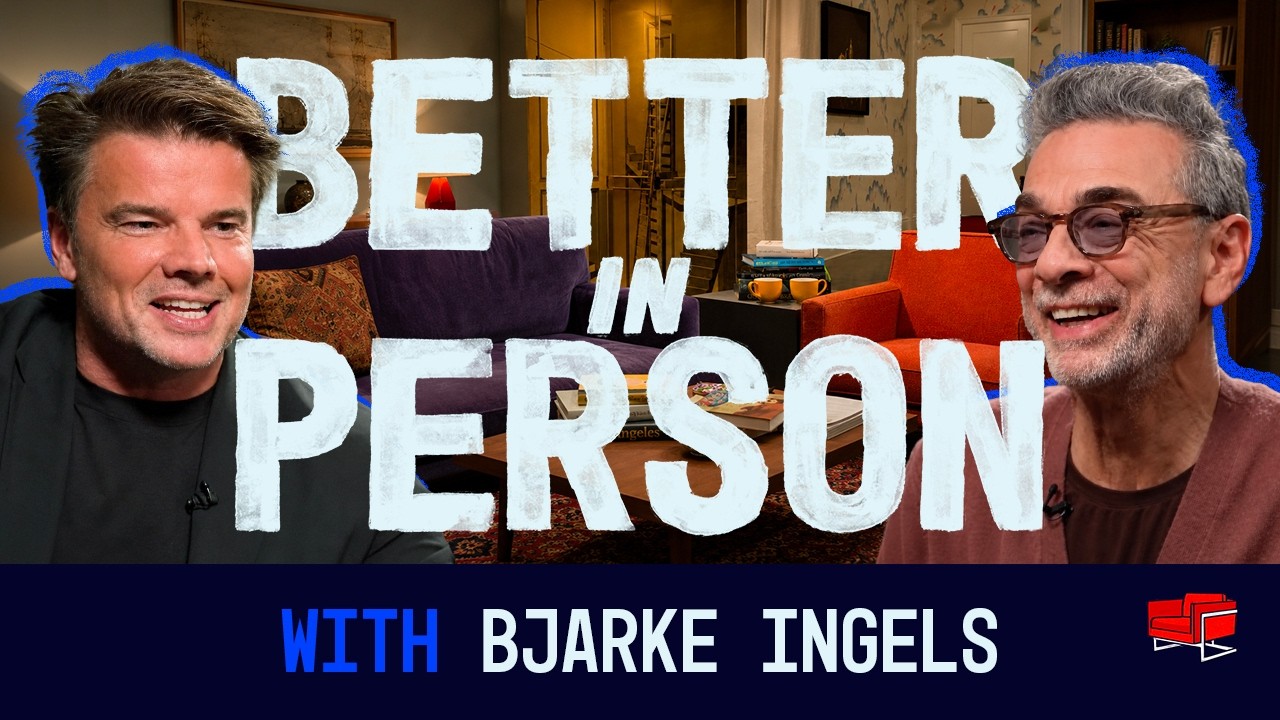
Bjarke Ingels and Stephen Dubner discuss creative direction, shared credit, architectural competitions and combining ideas that seem opposed. These notes focus on design and team practices, not public-infrastructure policy or financial forecasts. Project and firm details are Ingels' account in the interview. Metadata follows the linked YouTube video; topics are untimed. Source: https://freakonomics.com/podcast/how-a-great-architect-thinks-with-bjarke-ingels-better-in-person/
Key Takeaways
Make the best idea the team's direction
Ingels says his creative-director role is to ensure the team pursues a brilliant idea wherever it comes from. Having every original idea himself is not the job. Design the discussion so people can offer alternatives and the team can recognize the strongest proposal.
Remove the reason to hoard credit
He describes giving contributors full credit for the whole project rather than dividing recognition by task. That approach aims to reduce people holding back ideas to protect their own name. Choose a credit practice that rewards contribution without making collaboration a contest for ownership.
Use iteration to create the opening for a discovery
Ingels describes many iterations and putting ideas out so a eureka moment can appear. A promising result comes from a working process, not only a flash of inspiration. Make enough alternatives visible to compare them, while keeping a clear way to choose what comes next.
Compete by making the best proposal
He describes architectural competitions as demanding without requiring hostility toward peers. Losing is common, and eligibility for a major project can follow years of team-building and experience. Judge the proposal's quality and fit rather than treating the rival as the central problem.
Combine an ideal with practical constraints
His example of utopian pragmatism joins an imagined better place with the world as it is. Opposing ideas can reveal another option when they are not kept in fixed categories. Explore what each side is trying to preserve before assuming you must choose only one.
Define what you are for
Ingels explains Yes Is More as an alternative to defining yourself only against others. If you simply oppose their agenda, they still set it. Write the positive outcome your work should create and use it to evaluate choices instead of relying on contrarian identity.
Keep a mission from closing off useful possibilities
He worries that an over-defined statement leaves little room for life and change. His form-giving idea offers a broad design direction. A mission should guide action, but test whether its wording helps people discover useful solutions or rules them out prematurely.
The Conversation Breakdown
Make the best idea the team's direction
⏱ Untimed topicIngels says his creative-director role is to ensure the team pursues a brilliant idea wherever it comes from. Having every original idea himself is not the job. Design the discussion so people can offer alternatives and the team can recognize the strongest proposal.
Remove the reason to hoard credit
⏱ Untimed topicHe describes giving contributors full credit for the whole project rather than dividing recognition by task. That approach aims to reduce people holding back ideas to protect their own name. Choose a credit practice that rewards contribution without making collaboration a contest for ownership.
Use iteration to create the opening for a discovery
⏱ Untimed topicIngels describes many iterations and putting ideas out so a eureka moment can appear. A promising result comes from a working process, not only a flash of inspiration. Make enough alternatives visible to compare them, while keeping a clear way to choose what comes next.
Compete by making the best proposal
⏱ Untimed topicHe describes architectural competitions as demanding without requiring hostility toward peers. Losing is common, and eligibility for a major project can follow years of team-building and experience. Judge the proposal's quality and fit rather than treating the rival as the central problem.
Combine an ideal with practical constraints
⏱ Untimed topicHis example of utopian pragmatism joins an imagined better place with the world as it is. Opposing ideas can reveal another option when they are not kept in fixed categories. Explore what each side is trying to preserve before assuming you must choose only one.
Define what you are for
⏱ Untimed topicIngels explains Yes Is More as an alternative to defining yourself only against others. If you simply oppose their agenda, they still set it. Write the positive outcome your work should create and use it to evaluate choices instead of relying on contrarian identity.
Keep a mission from closing off useful possibilities
⏱ Untimed topicHe worries that an over-defined statement leaves little room for life and change. His form-giving idea offers a broad design direction. A mission should guide action, but test whether its wording helps people discover useful solutions or rules them out prematurely.
Core Frameworks & Ideas
Utopian pragmatism - guest label
Combine a better imagined outcome with practical constraints rather than treating them as separate camps.
Shared project credit - discussed practice
Recognize contributions through the whole project so people have less reason to hoard an idea.
Yes Is More - guest label
Define a positive direction instead of only opposing someone else's agenda.
Actionable Next Steps
- ✓Ask a teammate for a stronger alternative to your current proposal.
- ✓Review whether your credit practice encourages people to share unfinished ideas.
- ✓Sketch a solution that combines two apparently opposing goals.
- ✓Rewrite one negative statement of purpose as a positive outcome.
Notable Quotes
“I think the oxymoron is maybe the secret sauce to everything”
“I’ve lost more competitions than most human beings alive.”
“to design is to give form to that which has not yet been given form.”
The One Thing to Remember
Let the strongest idea win, even when it joins things you thought could not fit together.