


How Global Trade Is Shifting Between the US and China?
Executive Summary
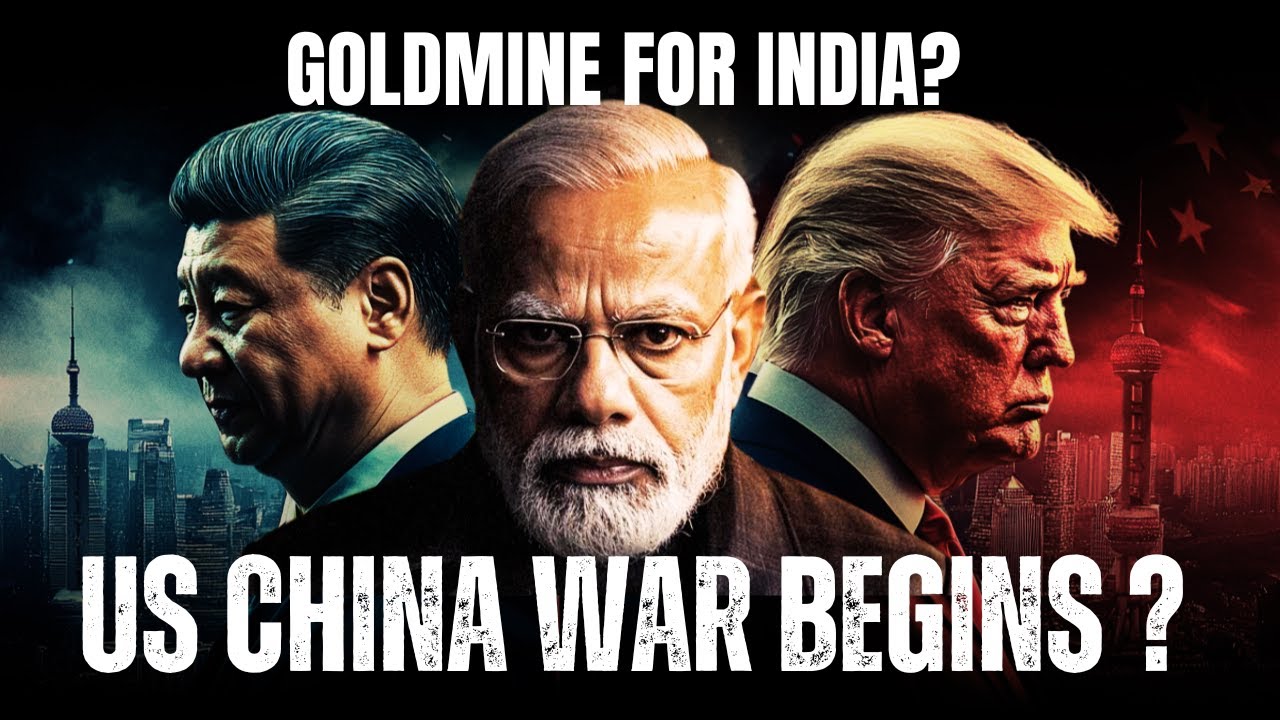
A Think School business case study, recorded in February 2025, on the US-China trade war and its tariffs. The presenter gives three reasons he says Donald Trump is hostile to China, which he lists as alleged intellectual property theft, a large trade gap and security worries about Huawei. He then argues, citing a Wall Street Journal editorial and economists, that tariffs may hurt US consumers and jobs, using examples such as iPhone production costs, 2018 washing machine tariffs and steel tariffs, and finishes by asking whether India can gain as companies leave China and why he thinks it is not ready. Sponsor: the video description promotes fixed deposits on the smallcase app, and Think School's own Communication Masterclass course. PARTIAL COVERAGE: this note is based on the opening, the three reasons section, the tariff cost and jobs sections and the India closing, and may not cover every point in the roughly 23 minute video. Political claims, figures and forecasts are the presenter's own, were current at the time of recording, and are not independently checked. This is not financial or investment advice.
Key Takeaways
Why he says the US dislikes China
He lists alleged trade secret theft, a lopsided trade balance and security concerns about Huawei.
The trade gap
The presenter says the US imported about 525 billion dollars from China in 2024 and sold about 164 billion, a gap of roughly 361 billion.
Huawei claims
He says the US Justice Department alleged in 2019 that Huawei took secrets from six US firms and that equipment was found near military sites in 2022.
iPhone cost example
He says an iPhone built in the US could cost about 2,400 dollars instead of 1,000 because of labour and parts costs.
Jobs and tariffs
He says 2018 washing machine tariffs created 1,800 jobs at about 800,000 dollars per job in higher consumer prices.
Steel tariffs
He cites studies saying about 75,000 manufacturing jobs were lost to higher steel costs after 2018 tariffs.
Can India benefit
He says India has too little formal skills training and too much bureaucracy, so Vietnam, Mexico and Bangladesh are doing better.
The Conversation Breakdown
Why he says the US dislikes China
⏱ Untimed topicHe lists alleged trade secret theft, a lopsided trade balance and security concerns about Huawei.
The trade gap
⏱ Untimed topicThe presenter says the US imported about 525 billion dollars from China in 2024 and sold about 164 billion, a gap of roughly 361 billion.
Huawei claims
⏱ Untimed topicHe says the US Justice Department alleged in 2019 that Huawei took secrets from six US firms and that equipment was found near military sites in 2022.
iPhone cost example
⏱ Untimed topicHe says an iPhone built in the US could cost about 2,400 dollars instead of 1,000 because of labour and parts costs.
Jobs and tariffs
⏱ Untimed topicHe says 2018 washing machine tariffs created 1,800 jobs at about 800,000 dollars per job in higher consumer prices.
Steel tariffs
⏱ Untimed topicHe cites studies saying about 75,000 manufacturing jobs were lost to higher steel costs after 2018 tariffs.
Can India benefit
⏱ Untimed topicHe says India has too little formal skills training and too much bureaucracy, so Vietnam, Mexico and Bangladesh are doing better.
Core Frameworks & Ideas
Toxic situationship - the presenter's trade metaphor
One side buys heavily while the other buys little, creating a gap.
Tariff trade-off - the presenter's argument
Jobs created in protected sectors can cost more elsewhere in prices and lost jobs.
China plus one - the presenter's opportunity idea
Firms moving production out of China could benefit countries that fix skills and regulation.
Actionable Next Steps
- ✓Check the trade, price and jobs figures against official trade data and independent studies, noting the video dates from February 2025.
- ✓Read a neutral explainer on the 2018 washing machine and steel tariff studies.
- ✓Compare how India's manufacturing skills gap is measured by official sources.
- ✓Treat the political claims as the presenter's own.
Notable Quotes
“those 1,800 jobs cost American consumers $1.5 billion a year in additional prices”
“Vietnam is winning Mexico is winning and even Bangladesh is winning”
“we simply don't have enough trained workers to capitalize on this opportunity”
The One Thing to Remember
The presenter argues that US tariffs on China may raise prices and cost jobs in the US, and that India is too slow to capture the manufacturing that might move.