


How Superpowers Shape Global Politics | The US Business strategy exposed
Executive Summary
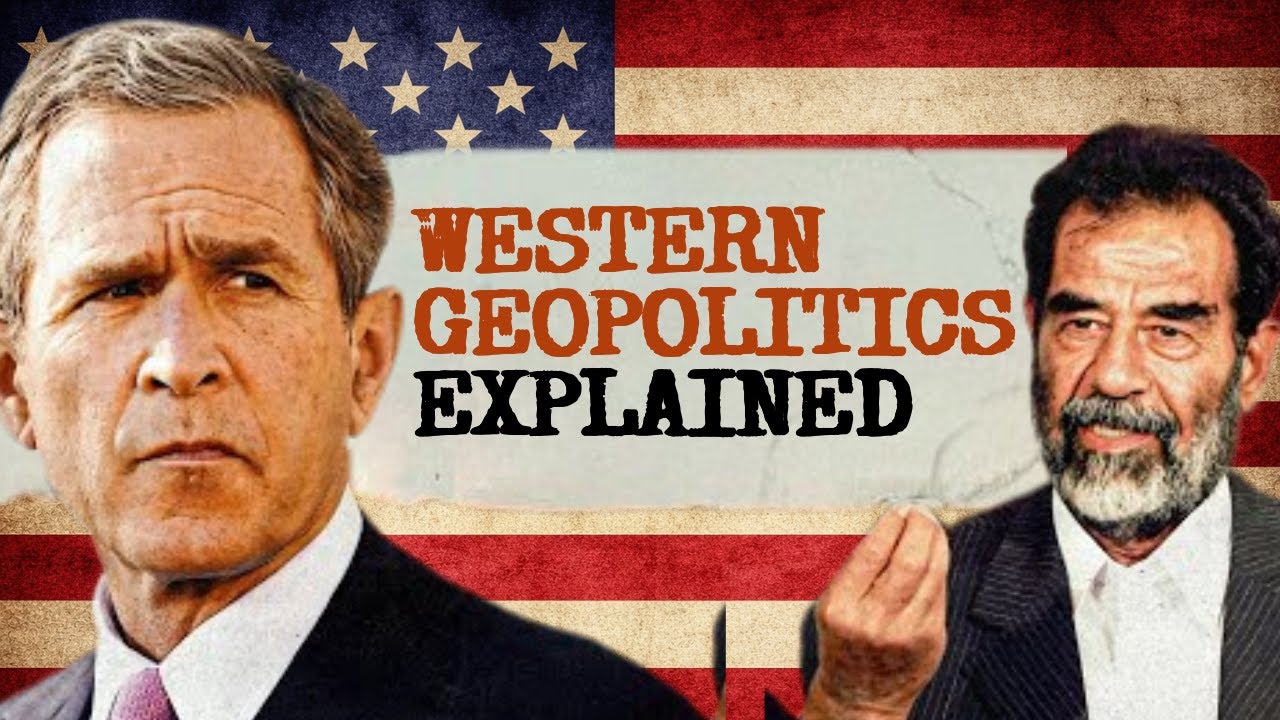
A Think School political case study from June 2022 in which the presenter argues the United States acts in its own interest and not as a peacekeeper, using Iran and Iraq as the example. He describes three strategies he attributes to the US: removing an unsuitable leader, funding and arming an opposition, and using propaganda to justify war, and cites the 1953 Iran coup, US support for Iraq in the Iran-Iraq war and the 2003 invasion. The caption text covers the whole video, including his closing list of reading material. This is a one-sided opinion piece. The historical claims, casualty and cost figures and motives (oil, arms sales) are the presenter's statements, not independently verified, and several are contested by historians. This is political commentary, not advice. Captions are automatic with errors. Topics are untimed; metadata follows YouTube. Source: https://youtubetotranscript.com/transcript?v=BIn1AzZsQUU
Key Takeaways
His thesis
He says that while Western leaders and media preach peace over Ukraine, there is a dark side to their geopolitics, and he cites India's foreign minister pointing to Western hypocrisy.
Strategy one: remove the leader
He says Britain's Anglo-Iranian firm kept 84 percent of Iranian oil profits, Prime Minister Mosaddegh nationalised oil in 1951, and was removed in a coup, after which US and British firms operated with Iran getting 50 percent and the US sold about 13 billion dollars of weapons.
Strategy two: fund the opposition
After the 1979 revolution he says the US supported Iraq against Iran with funds, weapons and intelligence from 1983, and that the war cost about half a million lives and over a trillion dollars.
The Kuwait turn
He says Saddam Hussein, in debt by about 37 billion dollars and hit by falling oil prices, invaded Kuwait in August 1990, and a coalition of 35 countries drove him out in about 100 hours, followed by sanctions.
Why Iraq in 2003, in his view
He says rising demand from India and China pushed oil from about 21 to 50 dollars, and that Iraq had huge reserves with extraction costs of 1 to 1.5 dollars a barrel against 4 for Saudi Arabia.
Strategy three: storytelling
He says the US linked Iraq to the 9/11 attacks and weapons of mass destruction without concrete proof, and that Saddam's earlier chemical weapon use had been ignored while he was useful, pointing to Donald Rumsfeld's 1983 and 2003 roles.
The aftermath he describes
He says at least 134,000 people died, Saddam was hanged, and Iraq's oil industry was privatised, with firms such as Exxon and Chevron extracting oil, and leaves the viewer to decide whether this is ethical.
The Conversation Breakdown
His thesis
⏱ Untimed topicHe says that while Western leaders and media preach peace over Ukraine, there is a dark side to their geopolitics, and he cites India's foreign minister pointing to Western hypocrisy.
Strategy one: remove the leader
⏱ Untimed topicHe says Britain's Anglo-Iranian firm kept 84 percent of Iranian oil profits, Prime Minister Mosaddegh nationalised oil in 1951, and was removed in a coup, after which US and British firms operated with Iran getting 50 percent and the US sold about 13 billion dollars of weapons.
Strategy two: fund the opposition
⏱ Untimed topicAfter the 1979 revolution he says the US supported Iraq against Iran with funds, weapons and intelligence from 1983, and that the war cost about half a million lives and over a trillion dollars.
The Kuwait turn
⏱ Untimed topicHe says Saddam Hussein, in debt by about 37 billion dollars and hit by falling oil prices, invaded Kuwait in August 1990, and a coalition of 35 countries drove him out in about 100 hours, followed by sanctions.
Why Iraq in 2003, in his view
⏱ Untimed topicHe says rising demand from India and China pushed oil from about 21 to 50 dollars, and that Iraq had huge reserves with extraction costs of 1 to 1.5 dollars a barrel against 4 for Saudi Arabia.
Strategy three: storytelling
⏱ Untimed topicHe says the US linked Iraq to the 9/11 attacks and weapons of mass destruction without concrete proof, and that Saddam's earlier chemical weapon use had been ignored while he was useful, pointing to Donald Rumsfeld's 1983 and 2003 roles.
The aftermath he describes
⏱ Untimed topicHe says at least 134,000 people died, Saddam was hanged, and Iraq's oil industry was privatised, with firms such as Exxon and Chevron extracting oil, and leaves the viewer to decide whether this is ethical.
Core Frameworks & Ideas
Remove the leader, install a favourable one - presenter's strategy one
Replace an unsuitable ruler with a cooperative one.
Fund the opposition - presenter's strategy two
Arm a rival of the target so a war does the work.
Narrative before war - presenter's strategy three
Use a public story of threat to justify action.
Actionable Next Steps
- ✓Read a historian's account of the 1953 Iran coup and the Iran-Iraq war to compare with this one.
- ✓Check the casualty, cost and oil extraction figures against independent sources.
- ✓Notice which claims in news about any war come with named evidence.
- ✓Read the reports the presenter recommends, and also sources that disagree.
Notable Quotes
“This is how the United States plays the game of thrones of geopolitics using warfare, weaponizing and storytelling”
“Both sides of war were sold US weapons”
“Now you decide for yourself if this is ethically right or wrong”
The One Thing to Remember
The presenter says Western powers act on oil and profit, and judges them by that standard, not by their peace speeches.