


How to Build a Million Dollar Business with Retail and Online
Executive Summary
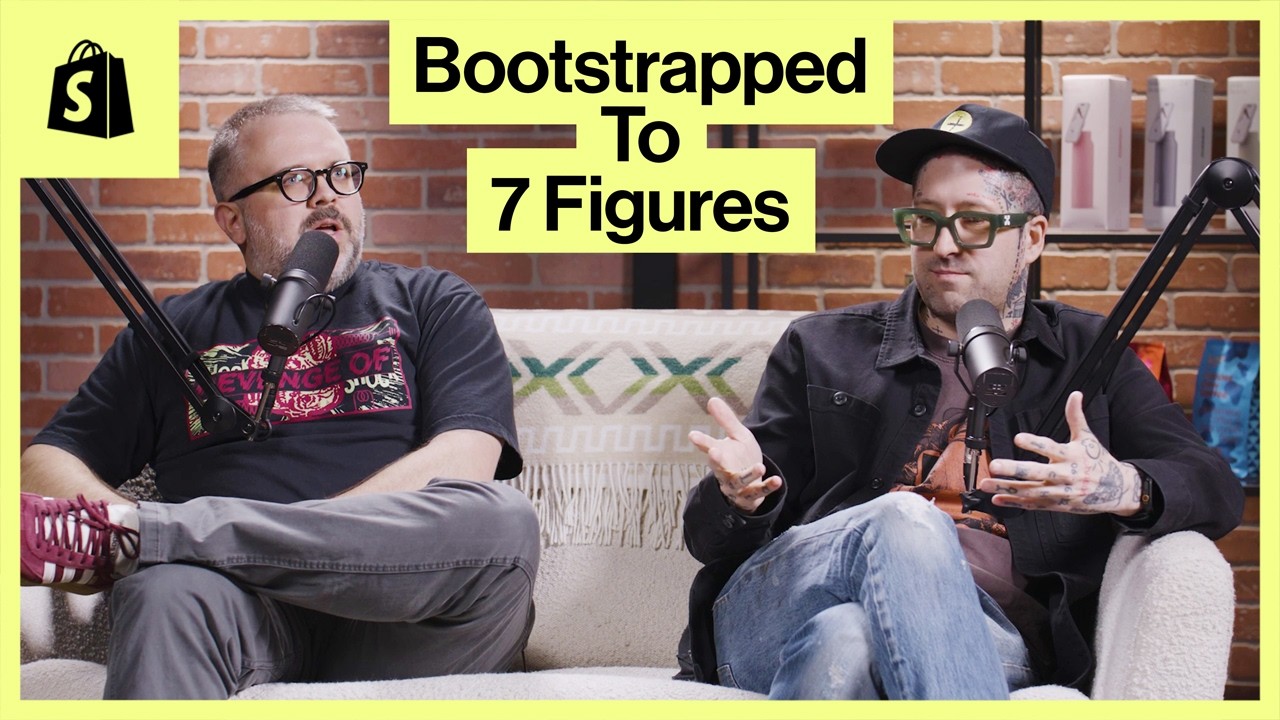
A Shopify Masters interview, hosted by Adam Levter (as spelled in the captions), with Revenge Of co-founders Jeff Eyser (captioned Eiser) and Joe Myers, who with Joe Kuntz built a Los Angeles pop-culture store that mixes comics, collectibles and pinball machines with an online shop and a neighbouring cafe. The description says they came from television production, self-financed the business, kept their day jobs and reached seven figures with two physical locations. They cover three co-founders, how a pinball hobby became a shop, online versus retail, tracking new initiatives, running a podcast, and consolidating into one headquarters. Sponsor: Shopify, which presents the show and links a free trial in the description. PARTIAL COVERAGE: this note is based on the opening, the origin story, a middle section on the podcast and the cafe, the early close and the description, and does not cover every part of the roughly 34 minute conversation. Names follow the video description. All business claims and figures are the speakers' own and are not independently checked.
Key Takeaways
Three co-founders
They say Jeff does creative and production design, Joe Myers brings the comics and fandom, and a third partner handles numbers and pinball, splitting work around other careers.
Pinball origin
They say pinball machines collected during COVID outgrew their space, so they planned a small arcade to share them and offset upkeep.
Retail first
One founder says the plan began as a cool place to hang out and sell some stuff, and the online store followed later.
Community drives ecommerce
They say staying in touch with what the community reads and likes feeds their online sales.
Online sales rate
They mention about 80 to 90 online sales per day and say newsletters help create repeat customers.
Measuring the podcast
One founder says he watches in-person feedback rather than numbers, while the host notes podcasting is a heavy lift and a cost centre.
One headquarters
They say they consolidated into one location, buying the warehouse behind the store, and the cafe next door aims to keep customers around longer.
The Conversation Breakdown
Three co-founders
⏱ Untimed topicThey say Jeff does creative and production design, Joe Myers brings the comics and fandom, and a third partner handles numbers and pinball, splitting work around other careers.
Pinball origin
⏱ Untimed topicThey say pinball machines collected during COVID outgrew their space, so they planned a small arcade to share them and offset upkeep.
Retail first
⏱ Untimed topicOne founder says the plan began as a cool place to hang out and sell some stuff, and the online store followed later.
Community drives ecommerce
⏱ Untimed topicThey say staying in touch with what the community reads and likes feeds their online sales.
Online sales rate
⏱ Untimed topicThey mention about 80 to 90 online sales per day and say newsletters help create repeat customers.
Measuring the podcast
⏱ Untimed topicOne founder says he watches in-person feedback rather than numbers, while the host notes podcasting is a heavy lift and a cost centre.
One headquarters
⏱ Untimed topicThey say they consolidated into one location, buying the warehouse behind the store, and the cafe next door aims to keep customers around longer.
Core Frameworks & Ideas
Keep people in the store - their initiative
Add drinks, seating and a cafe so customers stay and spend more time.
Community-led ecommerce - their approach
Use what the community is into to guide online products.
Weigh the cost centre - the host's question
Decide whether a passion project like a podcast earns its time.
Actionable Next Steps
- ✓List what your customers read or watch and test one product tied to it.
- ✓Write one change that would make customers stay longer in your space or on your site.
- ✓Estimate the time cost of one passion project before continuing it.
- ✓Treat the sales figures as the speakers' own and verify them before repeating them.
Notable Quotes
“People come from all over the world to visit Revenge of.”
“initiative has always been how do we keep people in the store?”
“If you create something with a lot of passion and you think outside the box and you try to be a bit of a disruptor, then people are going to notice.”
The One Thing to Remember
The Revenge Of founders say a pinball hobby grew into a community store, online shop and cafe, driven by keeping people in the store and building around fandom.