


This Food Brand Changed The Way You Think about Asian Cuisine
Executive Summary
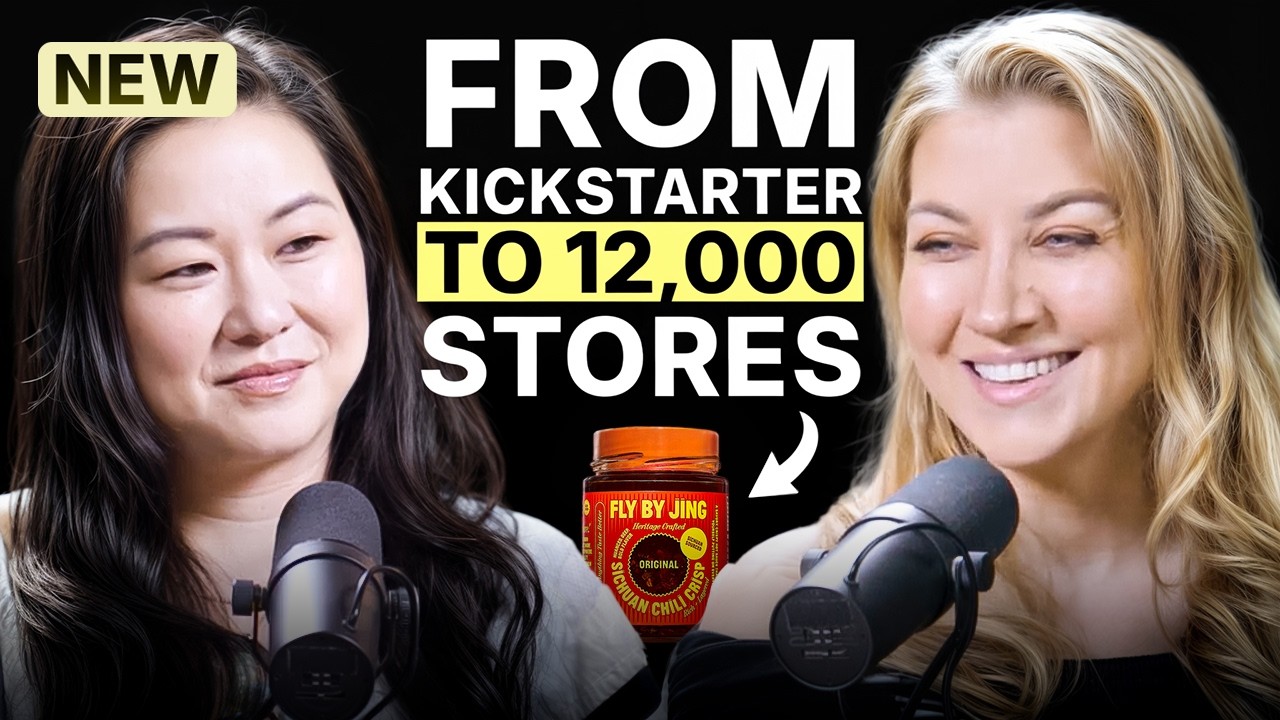
A Shopify Masters conversation, hosted by Serena Smith, with Jing Gao, founder of Fly By Jing, the Sichuan chili crisp brand the show says is sold in about 12,000 US stores. Jing talks about growing up in Chengdu and moving countries as a child, trying to blend in, the Sichuan food culture behind the brand, and why she prices a small-batch Chinese product at what it is worth. Sponsor: Shopify, which presents the show. PARTIAL COVERAGE: this note covers the intro, her Chengdu childhood and moves between countries, the host's parallel story, and the section on pricing and perceptions of Chinese food, and does not cover every part of the roughly 45 minute conversation. Store counts and survey figures are the show's own and not independently checked.
Key Takeaways
Chili crisp at every meal
Jing says she was born in Chengdu, where nearly every family makes its own chili crisp and she grew up with it in the fridge.
Fly restaurants
She says Sichuan family weekends meant street stalls and bare-bones family-run places called fly restaurants because they attract people like flies.
A childhood on the move
She says her father's work as a professor moved the family through Europe and finally Canada, often a new country every year.
Wanting to blend in
She says she was often the only Asian kid, and learned early to assimilate and not stand out. The host shares a similar story of covering part of her identity.
An 18-ingredient recipe built on time
She says the recipe has about 18 ingredients, builds umami in layers with fermented ingredients and time, not flavor shortcuts.
Small business, higher cost
She says shopping small costs more because it supports a small producer without the scale of a large conglomerate.
A new paradigm on price
She says Chinese companies were told Americans would not pay more than around $2 for Chinese food, and she wanted to show Chinese food, culture and people have value worth paying for.
The Conversation Breakdown
Chili crisp at every meal
⏱ Untimed topicJing says she was born in Chengdu, where nearly every family makes its own chili crisp and she grew up with it in the fridge.
Fly restaurants
⏱ Untimed topicShe says Sichuan family weekends meant street stalls and bare-bones family-run places called fly restaurants because they attract people like flies.
A childhood on the move
⏱ Untimed topicShe says her father's work as a professor moved the family through Europe and finally Canada, often a new country every year.
Wanting to blend in
⏱ Untimed topicShe says she was often the only Asian kid, and learned early to assimilate and not stand out. The host shares a similar story of covering part of her identity.
An 18-ingredient recipe built on time
⏱ Untimed topicShe says the recipe has about 18 ingredients, builds umami in layers with fermented ingredients and time, not flavor shortcuts.
Small business, higher cost
⏱ Untimed topicShe says shopping small costs more because it supports a small producer without the scale of a large conglomerate.
A new paradigm on price
⏱ Untimed topicShe says Chinese companies were told Americans would not pay more than around $2 for Chinese food, and she wanted to show Chinese food, culture and people have value worth paying for.
Core Frameworks & Ideas
Layers and time - her flavor approach
Build depth with many ingredients and fermentation, not shortcuts.
Price for value - her positioning
Price a quality product by its real cost and cultural value.
Draw on your roots - her founder story
Return to the food and culture you grew up with as the source of a brand.
Actionable Next Steps
- ✓Write down the childhood food or tradition that could anchor a product idea.
- ✓Compare your price to what the ingredients and time truly cost.
- ✓Ask one customer what they would pay for the quality version of your product.
- ✓Note one assumption about your category's price ceiling and test it.
Notable Quotes
“they're called fly restaurants because they're so delicious they attract people like flies”
“Chinese food, Chinese culture, Chinese people really have value that is worth paying for.”
“It's through building that umami with layers and layers of ingredients”
The One Thing to Remember
Jing says food culture from her Sichuan childhood and a refusal to make cheap shortcuts shaped a brand built around the value of Chinese food.