


Executive Summary
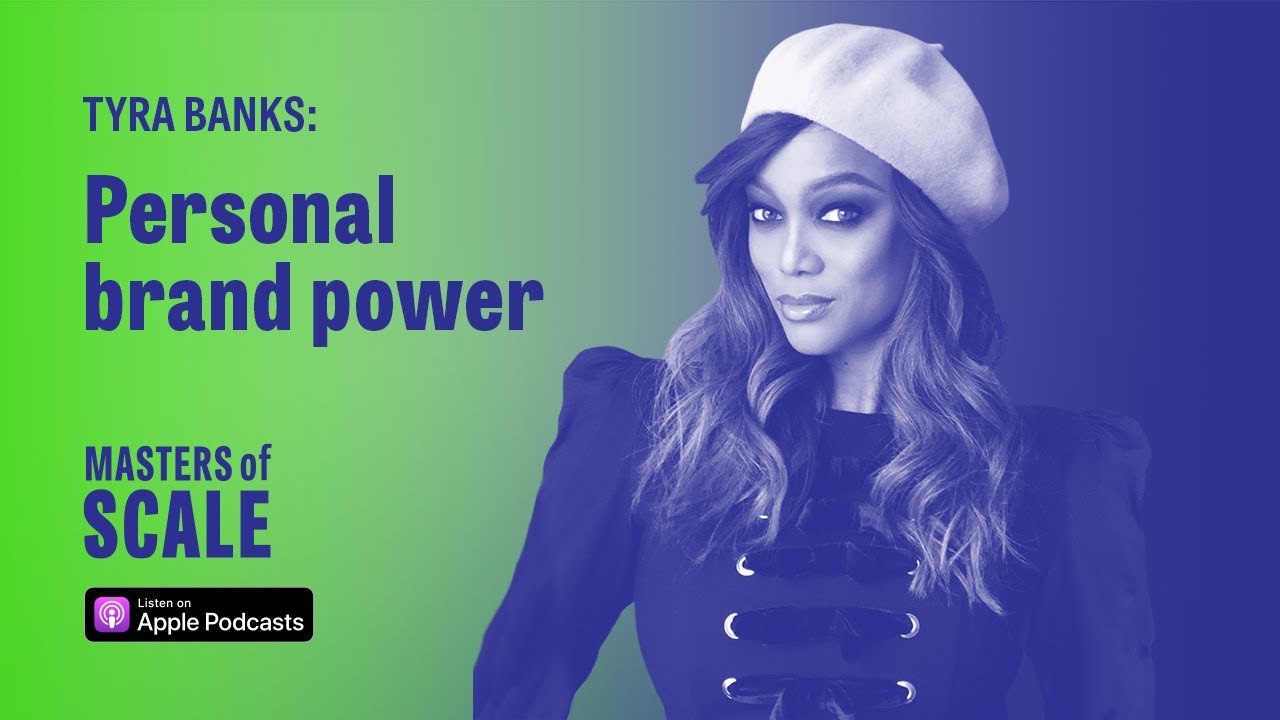
Tyra Banks and Reid Hoffman discuss research, career pivots, refusing poor-fit opportunities and learning new product skills. These notes select career and business passages; body-image discussion, racial controversy, health references and sponsor material are not covered. Career results and company history are their retrospective accounts, not current verified operating facts. Quotes retain the wording of third-party automated captions, which contain recognition errors and no speaker labels; attribution follows the conversation. Topics are untimed and metadata follows YouTube. Source: https://youtubetotranscript.com/transcript?v=CputK9Z_by8
Key Takeaways
A rejected pitch may need a different audience
Banks says her agent rejected the modeling-show idea, but she took it through another contact to a reality-TV producer. The useful lesson is not that every rejected idea is good. Distinguish a poor fit with one gatekeeper from a failed customer proposition, then seek a relevant test.
Research before entering the room
Before Paris auditions, she studied designers in a fashion library and adjusted her presentation to their preferences. Her account ties preparation to specific audience knowledge rather than generic confidence. Learn what matters to the people judging the work, while keeping changes consistent with what you can honestly offer.
Plan beyond the current role
Banks credits her mother with urging her to think about the end of a modeling career while work was still going well. Hoffman connects this to deliberate career pivots. Build skills and relationships for a next step before the current source of work disappears.
Make refusal rules explicit
She describes refusing deals in several categories despite large potential fees. Clear boundaries made those decisions less dependent on immediate money. Write the kinds of opportunities that fit your purpose, available time and values before a tempting offer arrives.
Do not mistake leadership for doing every task
Banks regrets rejecting a magazine because she assumed she would need to inspect and approve every page herself. She later saw the difference between leading the vision and doing all production. Before refusing on time grounds, map which work needs your judgment and which can have another owner.
Use existing skills to enter a new business
The ModelLand concept combined her interest in immersive destinations with content-making experience. The episode describes its launch being interrupted in 2020, so it is not a current status report. When considering a new offer, explain which real skills transfer and which capabilities still need building.
Turn enthusiasm into product knowledge
For her ice-cream pivot, Banks describes testing many products and learning the differences in texture and taste. Passion supplied the interest, but detailed comparison shaped her judgment. Study the competing experience closely before assuming your enthusiasm is enough to build a strong product.
The Conversation Breakdown
A rejected pitch may need a different audience
⏱ Untimed topicBanks says her agent rejected the modeling-show idea, but she took it through another contact to a reality-TV producer. The useful lesson is not that every rejected idea is good. Distinguish a poor fit with one gatekeeper from a failed customer proposition, then seek a relevant test.
Research before entering the room
⏱ Untimed topicBefore Paris auditions, she studied designers in a fashion library and adjusted her presentation to their preferences. Her account ties preparation to specific audience knowledge rather than generic confidence. Learn what matters to the people judging the work, while keeping changes consistent with what you can honestly offer.
Plan beyond the current role
⏱ Untimed topicBanks credits her mother with urging her to think about the end of a modeling career while work was still going well. Hoffman connects this to deliberate career pivots. Build skills and relationships for a next step before the current source of work disappears.
Make refusal rules explicit
⏱ Untimed topicShe describes refusing deals in several categories despite large potential fees. Clear boundaries made those decisions less dependent on immediate money. Write the kinds of opportunities that fit your purpose, available time and values before a tempting offer arrives.
Do not mistake leadership for doing every task
⏱ Untimed topicBanks regrets rejecting a magazine because she assumed she would need to inspect and approve every page herself. She later saw the difference between leading the vision and doing all production. Before refusing on time grounds, map which work needs your judgment and which can have another owner.
Use existing skills to enter a new business
⏱ Untimed topicThe ModelLand concept combined her interest in immersive destinations with content-making experience. The episode describes its launch being interrupted in 2020, so it is not a current status report. When considering a new offer, explain which real skills transfer and which capabilities still need building.
Turn enthusiasm into product knowledge
⏱ Untimed topicFor her ice-cream pivot, Banks describes testing many products and learning the differences in texture and taste. Passion supplied the interest, but detailed comparison shaped her judgment. Study the competing experience closely before assuming your enthusiasm is enough to build a strong product.
Core Frameworks & Ideas
Preemptive pivot - discussed approach
Build the next career option before the current role reaches its natural limit.
Audience preparation - editorial label
Research the decision maker and adapt the presentation without misrepresenting the offer.
Vision versus production - editorial label
Identify the founder's essential decisions and give other work clear owners.
Actionable Next Steps
- ✓Research one upcoming audience and write its main decision criteria.
- ✓Name the skill needed for your next career stage.
- ✓Write the categories of opportunity you will refuse.
- ✓Map one project into decisions you own and tasks others can own.
Notable Quotes
“i gave myself one year to be successful in paris”
“plan for the end at the beginning”
“true leaders they're the visionary but they don't have to do every damn page”
The One Thing to Remember
Prepare for the next stage, research the audience and separate leading the work from doing every task.