

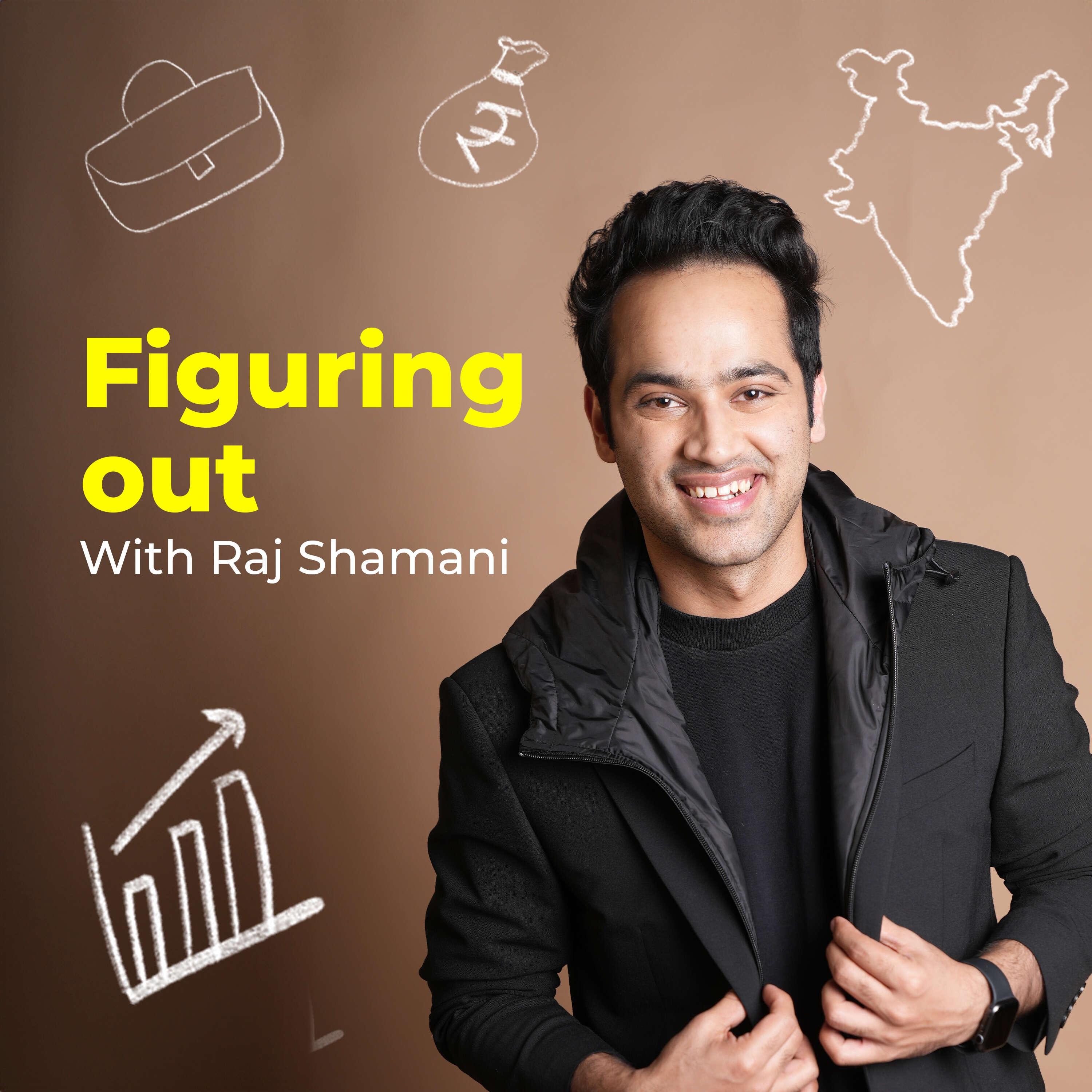
@BeerBiceps Shares EASY Content Creation Tips | YouTube MASTERCLASS | FO 21 - Raj Shamani
with Ranveer Allahbadia (BeerBiceps)

Executive Summary
Ranveer Allahbadia (BeerBiceps) joins Raj Shamani for a creator-to-creator conversation on what six years of content actually teaches you. His method: make content you would watch yourself, treat your body of work as a diary of your own psychology, and read the algorithm the way a musician breaks down a song - when something gets pushed to you, ask exactly why. On retention he is blunt: 2022 is the first year he cannot predict what comes next, so he has shifted from prediction to preparation - running experiments across genres and letting the hits choose themselves. He explains why YouTube is still the best platform to build an audience (a whole generation treats it as television) while Instagram is the easiest, why he chose a tech product (Level) over easy D2C money after a perfume line died to COVID, and why he believes well-designed Indian tech - UI/UX as applied consumer psychology - is the next billion-dollar space. All views and claims are the speakers' own.
Key Takeaways
Make content that is your diary, not just your product
Ranveer's satisfaction formula has two parts: the work must challenge him as an editor, and it must perform. His motivational videos were packaged learnings from his own recent past - he calls the whole catalog 'capturing my own psychology in pieces', so every stage of his thinking stays on record.
Read the algorithm like a musician reads a song
His retention method: when the algorithm pumps a piece of content to you, break it down the way a musician hears a song and names every note and instrument. Ask what went right in it and why it is being recommended - then put your own spin on the pattern.
When you can't predict, prepare with experiments
For the first time in six years he says he cannot predict what content works next - even Gen Alpha's habits are in flux. His response: 'shoot in the dark' deliberately, publishing across many genres and styles, and doubling down on whichever experiment connects.
Chase product, not money
After roughly six failed co-founding attempts and a perfume line that COVID made irrelevant, he chose a tech product over easy D2C money. His Level co-founder Harshal set the terms early: if the motivation is money, he is out - the business has to be built for the underlying reason.
YouTube builds audiences, Instagram builds them easily
His platform verdict: YouTube is the best place to build an audience because a generation grew up treating it as television - they come for shows, personalities and vibes. Instagram is simply the easiest place to start. He believes YouTube-original shows have potential, but most creators still chase OTT for branding and money.
Business is a self-awareness machine
Relaying a line he credits to Nikhil Kamath or Kunal Shah: the main motivation for business is self-awareness. Content taught him who he was at the MBA level; building a company is the PhD - it forces decisions, and it forced him to confront how emotionless he had become with people close to him.
Protect the human support system behind the creator
He credits an elder-brother figure (Manish Pandey) as the person he can call with anything, and notes creators underestimate how much they need that internal support system. His burnout protocol is simple: leave the city for two or three days, shoot nothing, and come back with full energy.
The Conversation Breakdown
Content as self-documentation
⏱ Untimed topicRanveer explains how he balances audience satisfaction with his own: elaborate edits that challenge him, plus motivational videos drawn from his own recent lessons. He frames the entire journey - including the future filmmaking he plans - as looking back at 'how I thought at this stage', a record of his own psychology in pieces.
The mathematics of vlogging
⏱ Untimed topicVlogging did not consume his personal life; it enhanced it, because he captures the best moments of his youth as raw material. The engineering-trained part is judgment: knowing when not to pull out the camera, because an intimate five-person scene that friends share rarely survives an edit.
From engineering to product: the Level journey
⏱ Untimed topicHe credits engineering for quantification and free-space visualization - 'seeing' a video before it is shot. After about six failed co-founding attempts and a ready perfume line that COVID killed, he chose tech over D2C: money was no longer the motivation, product was. Building Level with Harshal is, in his words, a PhD in business after an MBA through content.
Retention: read the algorithm, feed yourself first
⏱ Untimed topicHis two-part answer to keeping an audience across years of reinvention (cooking, health, fashion, podcasts, Hindi content): make content you would watch yourself, and study each year's algorithmic games by dissecting whatever the feed pushes at you.
The unpredictable era: experiments and podcast strategy
⏱ Untimed topic2022 is the first year he finds content unpredictable - Gen Alpha consumes both endless shorts and long classic series, and the extremes are widening. His counters: genre experiments in short-form, one last IGTV test series before committing to reels, and on podcasts a deliberate guest pipeline of military officers, professors, historians and psychologists - a lane he says he is 95% sure will grow.
Platforms and the road ahead
⏱ Untimed topicWhy YouTube remains the best audience-builder (television psychology: shows, personalities, vibes) while Instagram is the easiest start; why few creators attempt YouTube-original shows despite the potential; and his personal roadmap - film direction (horror first), an education festival blending music and learning, moving the podcast to Goa on the Joe Rogan ranch model, and family life in his thirties.
Support systems, burnout and the UI/UX bet
⏱ Untimed topicHe closes on the human infrastructure of a creator life: a support system you can call at night, parents he shields from work stress, and a burnout protocol of two or three fully offline days. His biggest-opportunity pick is well-designed Indian tech: UI/UX as applied consumer psychology, which he believes will extend into designing metaverse spaces. A rapid-fire ends the show with his quick takes on style, money, fitness, and dating etiquette - his personal opinions, not advice.
Core Frameworks & Ideas
The musician's breakdown
Treat algorithm literacy as ear training: when content is repeatedly served to you, decompose it - hook, pacing, edit, packaging - until you can name why it is being pumped, then apply the pattern with your own spin.
Prediction to preparation pivot
When the environment turns unpredictable, stop betting on forecasts. Publish a portfolio of experiments across genres and styles, measure honestly, and concentrate on whatever connects.
The vlogging filter
Shoot only what will survive the edit. Group intimacy and in-jokes feel great live but cut poorly; film the moments with a clear on-screen story, and let the rest stay memory.
Content MBA, business PhD
Content creation teaches self-awareness at one level; running a company intensifies it. The progression he describes - creator to co-founder - works when the motivation shifts from money to the product itself.
The hype-man support loop
Energy given to others needs a source: a small internal support system (family, one or two call-anytime people) is what keeps a public motivator from running empty.
Actionable Next Steps
- ✓Pick one video the algorithm kept showing you this week and write down five specific reasons it worked.
- ✓Make your next piece of content something you would genuinely watch yourself, then check it against both pride and performance.
- ✓Run three small content experiments in different styles over a month instead of committing to one untested format.
- ✓Name the one or two people you can call when work turns sour - and be that person for someone else.
- ✓When burnout hits, take two to three fully work-free days away from your routine before making any big decision.
- ✓Ask your 'stupid questions' early in any venture - money, equity, roles - before the stakes make them expensive.
Notable Quotes
“You can read algorithms as a creator by noticing what gets shown to you.”
“My whole career has been built based on prediction and preparation and now I can only prepare, I can't predict at this stage.”
“I'm capturing my own psychology in pieces.”
“if you're doing it for money, I don't want to do the business with you.”
“the main motivation for business is self-awareness”
“An entire generation has grown up perceiving YouTube as television.”
“whenever I have to shoot in the dark, I do experiments with my content.”
The One Thing to Remember
When you can no longer predict what content will work, stop predicting - run experiments and let the audience pick.