

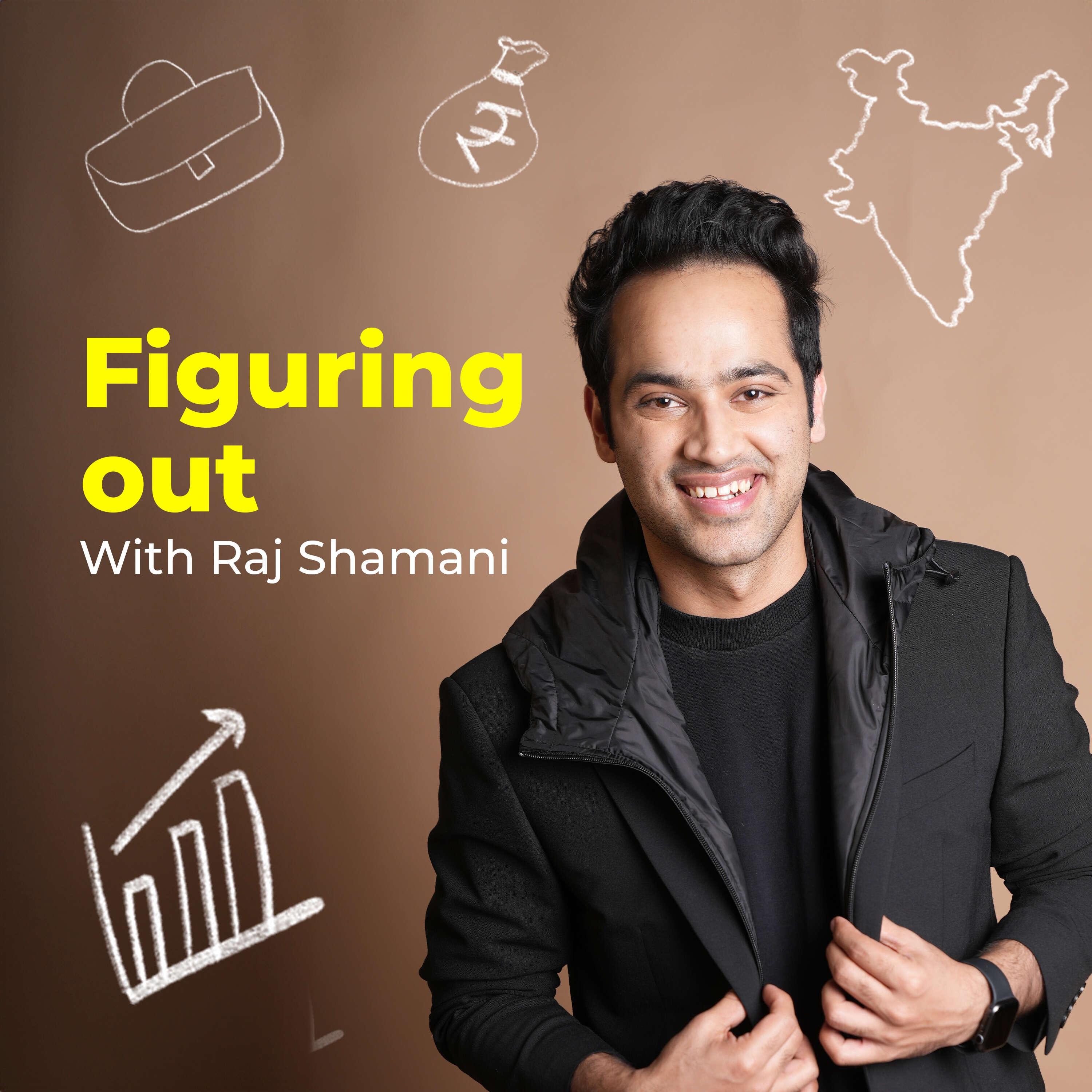
BookMyShow Founder: Reality of Concert, Coldplay, Artist, Business Model & India | FO358 Raj Shamani

Executive Summary
Ashish Hemrajani discusses BookMyShow's evolution, concert planning and learning through business downturns. Selected operating and founder passages only; political and regulatory remarks, ticketing disputes, health, defense and economic-impact estimates omitted. Rough auto-captions have recognition errors and no speaker labels; quotes retain their exact wording and attribution follows interview context. His name is confirmed in the official video description. Business accounts are his own, not current verified company facts. Untimed topics are not video chapters. Source: https://www.youtube.com/watch?v=8Ssx232ZXa4
Key Takeaways
Plan for people arriving, not only tickets sold
Discussing a concert in Ahmedabad, Hemrajani describes the question of how visitors could reach the city and stadium, including transport and accommodation. The operating task extends beyond filling seats. For an event plan, ask what happens before entry and after exit instead of treat ticket demand as the whole job.
Route equipment around real constraints
He describes shared rigs and stages, movement between cities and the limited time to pack and set up again. A touring plan has dependencies that a single-show plan does not. Build the sequence around equipment, crews and changeover time before promise a schedule.
Test a difficult movement before show time
He recalls dry runs with GPS tracking and loaded trucks ahead of moving equipment between Mumbai and Ahmedabad. Specific timing claims are his account, not independently checked. The broader lesson is to rehearse a critical dependency rather than discover its limits on the event date.
Combine audience signals with judgment
He describes using music-platform data, paid information sources and people inside the company who understand music. Curation is neither a single metric nor pure instinct in this account. Consider the evidence of audience interest alongside the practical fit of an artist and event.
Keep ego from blocking learning
Hemrajani connects keeping ego in check with learning, respecting consumers and seeing what else can be built. This is his founder advice rather than a measured causal result. Look for feedback that changes a decision, not only feedback that reinforces status.
Learn to operate through a downturn
He says the companies that last manage their down cycles better and uses low-wind sailing as an analogy for skill. The point is to adjust what can be controlled instead of only complain about conditions. It is an operating perspective, not financial or investment advice.
Grow within the value promised
He describes BookMyShow moving from movie tickets into non-movie events and concert production, within the framework of the capital raised and value creation. Future venues and content work are his aspirations, not confirmed outcomes. Expansion should still connect to the purpose people funded and customers understand.
The Conversation Breakdown
Plan for people arriving, not only tickets sold
⏱ Untimed topicDiscussing a concert in Ahmedabad, Hemrajani describes the question of how visitors could reach the city and stadium, including transport and accommodation. The operating task extends beyond filling seats. For an event plan, ask what happens before entry and after exit instead of treat ticket demand as the whole job.
Route equipment around real constraints
⏱ Untimed topicHe describes shared rigs and stages, movement between cities and the limited time to pack and set up again. A touring plan has dependencies that a single-show plan does not. Build the sequence around equipment, crews and changeover time before promise a schedule.
Test a difficult movement before show time
⏱ Untimed topicHe recalls dry runs with GPS tracking and loaded trucks ahead of moving equipment between Mumbai and Ahmedabad. Specific timing claims are his account, not independently checked. The broader lesson is to rehearse a critical dependency rather than discover its limits on the event date.
Combine audience signals with judgment
⏱ Untimed topicHe describes using music-platform data, paid information sources and people inside the company who understand music. Curation is neither a single metric nor pure instinct in this account. Consider the evidence of audience interest alongside the practical fit of an artist and event.
Keep ego from blocking learning
⏱ Untimed topicHemrajani connects keeping ego in check with learning, respecting consumers and seeing what else can be built. This is his founder advice rather than a measured causal result. Look for feedback that changes a decision, not only feedback that reinforces status.
Learn to operate through a downturn
⏱ Untimed topicHe says the companies that last manage their down cycles better and uses low-wind sailing as an analogy for skill. The point is to adjust what can be controlled instead of only complain about conditions. It is an operating perspective, not financial or investment advice.
Grow within the value promised
⏱ Untimed topicHe describes BookMyShow moving from movie tickets into non-movie events and concert production, within the framework of the capital raised and value creation. Future venues and content work are his aspirations, not confirmed outcomes. Expansion should still connect to the purpose people funded and customers understand.
Core Frameworks & Ideas
Event dependency map - editorial label
Plan visitors, equipment, crews and changeovers as connected parts of the same event.
Low-wind test - guest analogy
Judge how the business adjusts when conditions are difficult, not only when growth is easy.
Expansion within the promise - editorial label
Connect new work with the capital, customer value and purpose already entrusted to the company.
Actionable Next Steps
- ✓Map how people reach and leave your event.
- ✓Rehearse one critical equipment or delivery movement.
- ✓Review a decision using both audience evidence and expert judgment.
- ✓Write one change you can control in a downturn.
Notable Quotes
“respect consumers you you look at things around you on what more can you build”
“period of time are the ones that manage their down cycle or downturn better.”
“It's the low wind sailing that makes true sailor.”
The One Thing to Remember
Make the hard operating dependencies visible and build the habits needed before a downturn.