


Building the Streetwear Empire Kith | Ronnie Fieg
Executive Summary
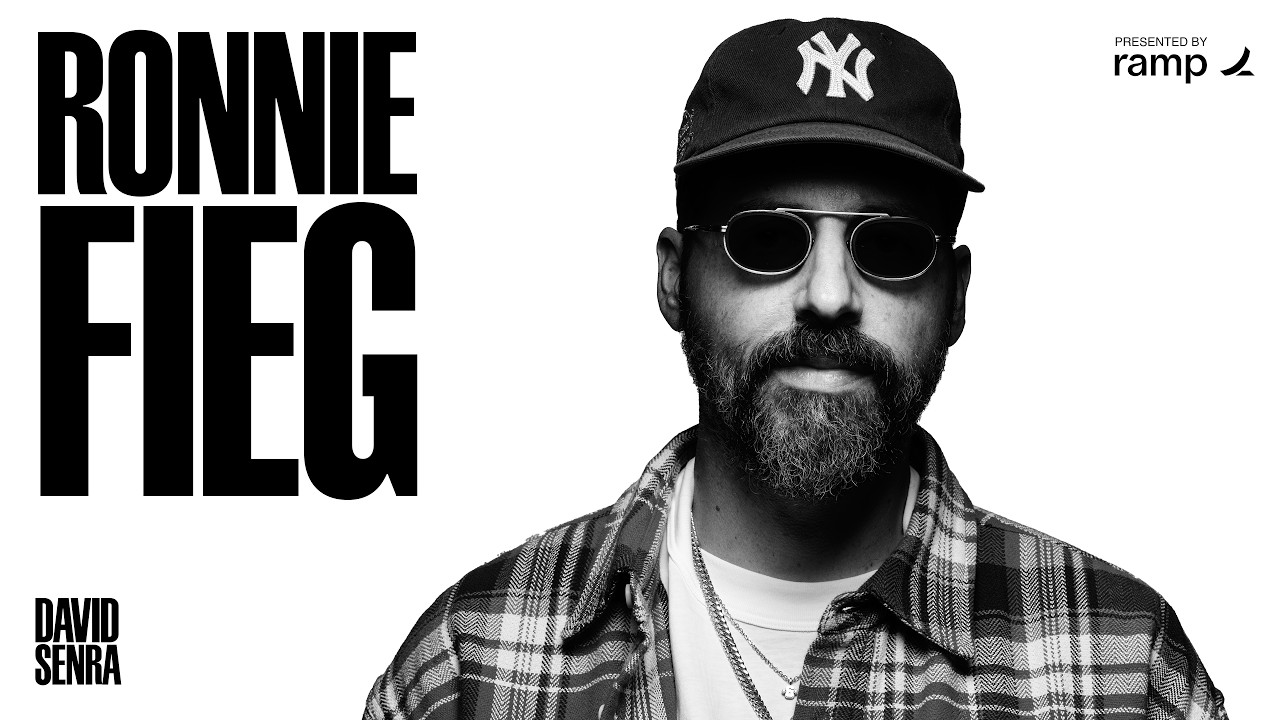
David Senra talks with Kith founder Ronnie Fieg about starting in a sneaker stockroom at 13, designing products he wants to wear himself, learning scarcity on the sales floor and balancing online sales with physical stores. These notes cover selected product, retail and brand-building passages from the official September 27, 2026 transcript, which was generated using speech recognition and may contain errors. Sponsor reads are not covered.
Key Takeaways
Passion, not money, comes first
Fieg says the most important element of any entrepreneur's success is a passion that started young. His began at 13 in a stock room, wanting to dress well when his parents could not afford the clothes. He cites Steve Jobs as someone whose products carried passion.
Build the product for yourself
He says he lives and breathes the product, wears it head to toe, and until recently spent four hours a week as the fit model. Kith puts out more than 5,000 styles a year across men's, women's, kids, accessories and footwear.
Scarcity from the sales floor
At David Z, a gray construction Timberland boot, a colour Timberland never made, sold about 10,000 pairs in a couple of years with no internet. He saw how people gravitated toward something they could not find anywhere else.
The first collab was personal
In 2006, at 23, he got to work on an ASICS shoe and chose a Gel-Lyte 3, the pair his mother bought him at 8 when he wanted Reebok Pumps that were more than twice the price.
Focus on the special, cut the rest
He describes the issue that about 10% of a catalogue is special and 90% can be bought anywhere. He tells a story of Steve Jobs advising Nike's CEO to get rid of the crap and focus on the good stuff, which he says matches his view.
Half digital, half physical
He wants the business half digital and half physical and says physical should grow at the same rate as online. He opens stores where he travels: New York, Miami, LA, Tokyo, Paris, London, Seoul, with San Francisco and DC next.
Top-tier distribution
He opened his first store to have the best footwear wall in the world, using top-tier access from brands, such as Nike's tier zero and quick strike product, that a mainline retailer cannot buy. He also notes Supreme's habit of going quiet in the off season to create demand.
The Conversation Breakdown
Passion, not money, comes first
⏱ Untimed topicFieg says the most important element of any entrepreneur's success is a passion that started young. His began at 13 in a stock room, wanting to dress well when his parents could not afford the clothes. He cites Steve Jobs as someone whose products carried passion.
Build the product for yourself
⏱ Untimed topicHe says he lives and breathes the product, wears it head to toe, and until recently spent four hours a week as the fit model. Kith puts out more than 5,000 styles a year across men's, women's, kids, accessories and footwear.
Scarcity from the sales floor
⏱ Untimed topicAt David Z, a gray construction Timberland boot, a colour Timberland never made, sold about 10,000 pairs in a couple of years with no internet. He saw how people gravitated toward something they could not find anywhere else.
The first collab was personal
⏱ Untimed topicIn 2006, at 23, he got to work on an ASICS shoe and chose a Gel-Lyte 3, the pair his mother bought him at 8 when he wanted Reebok Pumps that were more than twice the price.
Focus on the special, cut the rest
⏱ Untimed topicHe describes the issue that about 10% of a catalogue is special and 90% can be bought anywhere. He tells a story of Steve Jobs advising Nike's CEO to get rid of the crap and focus on the good stuff, which he says matches his view.
Half digital, half physical
⏱ Untimed topicHe wants the business half digital and half physical and says physical should grow at the same rate as online. He opens stores where he travels: New York, Miami, LA, Tokyo, Paris, London, Seoul, with San Francisco and DC next.
Top-tier distribution
⏱ Untimed topicHe opened his first store to have the best footwear wall in the world, using top-tier access from brands, such as Nike's tier zero and quick strike product, that a mainline retailer cannot buy. He also notes Supreme's habit of going quiet in the off season to create demand.
Core Frameworks & Ideas
Build for yourself first
Fieg says he lives in the product and uses his own preferences as a design guide. His firsthand relationship with the clothes is part of his approach, rather than a substitute for knowing the customer.
Distinctive assortment
His David Z experience showed him the appeal of footwear unavailable elsewhere. Curating a strong collection can make a store a destination instead of another outlet for interchangeable stock.
Digital and physical balance
Fieg wants physical retail to grow at the same rate as digital sales. The target is a deliberate balance between online reach and places where customers experience the brand.
Actionable Next Steps
- ✓Ask whether your product is something you would use daily and make the first version for yourself.
- ✓Review your catalogue and cut or de-emphasise the part you can get anywhere.
- ✓Plan physical presence in the cities where your online sales are strongest.
- ✓Identify one item customers cannot find elsewhere and make its distinctive value clear.
Notable Quotes
“I live and breathe the product that I create.”
“I saw how people gravitated towards something they couldn't find anywhere else.”
“I always want it to be half digital and half physical.”
The One Thing to Remember
I live and breathe the product that I create.