Explore curated summaries and key insights in Education. Get the essence of each conversation in 5 minutes.
The Knowledge Project
Shane Parrish talks with real-estate broker Ryan Serhant about follow-up, selling an outcome rather than a product, building competence and turning attention into a business. These notes cover selected sales and business passages from the first roughly 50,000 characters of the public YouTube auto-captions. The ending is not covered, sponsor reads and personal client anecdotes are omitted, and the captions may contain errors. These are Serhant's experiences, not promises of financial results.
Modern Wisdom
Spencer Greenberg joins Chris Williamson to discuss the recurring strategies behind self-help, the difference between intrinsic and instrumental values, habit reflection and fear. They also examine worry, productivity and activities people are glad they did. The summary attributes study results and self-improvement claims to Greenberg and does not offer mental-health treatment advice.
My First Million
My First Million talks with marketer and Angel Studios co-founder Jeff Harmon about product-led campaigns, overlooked distribution channels and testing many video variations. Harmon describes the Orabrush and Poo-Pourri campaigns and a Kevin James promotion. These notes cover selected marketing passages from roughly 49,700 characters of the YouTube auto-captions, not a complete account of the 63-minute conversation. The ending and AI discussion are not covered. Captions may contain errors, and campaign results are the speakers' claims rather than independently audited figures.
Figuring Out with Raj Shamani
Raj Shamani asks neuroscientist Nikolay Kukushkin how learning changes the brain, why memories can be unreliable, and how sleep, attention and repetition shape memory. The discussion includes memory palaces and the difference between rumination and useful reflection. General educational information, not medical advice or a replacement for mental-health care.
David Senra
David Senra talks with Kith founder Ronnie Fieg about starting in a sneaker stockroom at 13, designing products he wants to wear himself, learning scarcity on the sales floor and balancing online sales with physical stores. These notes cover selected product, retail and brand-building passages from the official September 27, 2026 transcript, which was generated using speech recognition and may contain errors. Sponsor reads are not covered.
Figuring Out with Raj Shamani
Smriti Mandhana talks with Raj Shamani about practice goals, protecting training time, reviewing performance and leading a cricket team. She describes a shift from chasing a runs total to improving a specific skill and arriving prepared. These notes cover selected preparation and leadership passages from roughly the first 50,000 characters of the public machine transcript, not the full 109-minute episode. The ending is not covered. Medical, mental-health, meditation and manifestation advice are omitted. Captions contain recognition errors; quotes reproduce the available transcript rather than independently checked audio. Personal routines and match recollections are her account, not universal rules. Source: https://youtubetotranscript.com/transcript?v=46P1rL0rzPE . Topic labels are untimed.
Shopify Masters
Little Sleepies founder Maradith Frenkel describes moving from film production into baby and kids sleepwear, testing a first production run for less than $20,000 and growing through customer recommendations before hiring for marketing. She discusses comparing factory samples, responding to defective inventory, a costly 2021 air-freight rescue and handing operations to a professional CEO. Notes cover selected business passages from the full public auto-captions, checked against official Shopify show notes. The episode date is the September 8, 2026 YouTube release; the official article followed on September 9. Names follow that official page. The $12 million figure describes the business before her first marketing hire, not current audited revenue. This is a founder-business account, not medical advice; the charter-flight story describes a risky exception, not a routine purchasing recommendation.

Shopify Masters
Paul Rodriguez describes how Primitive grew from a sneaker shop into a skate and apparel brand, beginning as a way to prepare for life after professional skating. He explains earning a Nike retail account, seeing store merchandise become a clothing line and testing a limited gold-board release before building the wider skate brand. Notes cover selected business passages from the full public auto-captions, checked against official Shopify show notes dated August 25, 2026. Revenue and sellout figures are claims made in the interview, not independently audited results. This is a retrospective with established athlete reach and business partners already in place, not proof that any new brand can repeat the drop. Personal fear, injury and faith discussion is not summarized.

Figuring Out with Raj Shamani
Anahat Singh discusses squash practice, reviewing games, tournament trade-offs, preparation and the training environment she saw in Egypt. Selected sports-work coverage only. Injury and playing-through-pain stories, diet, superstition and unrelated personal passages omitted. Auto-captions contain errors and no speaker labels; attribution follows interview context. Ranking and sports-history claims are not independently verified. This is not medical or training-prescription advice. Untimed topics are not video chapters. Source: https://www.youtube.com/watch?v=h-0u0ui8ESQ
Huberman Lab
Andrew Huberman and Dr. Fei-Fei Li discuss vision as a base of intelligence, the development of computer vision and ways AI might extend human abilities. They examine the limits of AI, personal agency through learning, robotics and education. This summary presents the conversation's views in August 2026, not guarantees about every AI tool or predictions of what it will achieve.
Conversations with Tyler
Andrew Graham-Dixon argues that careful looking and historical context can change how familiar paintings are understood. He discusses Vermeer's delayed fame, compares Rembrandt, Stubbs and Géricault, explains how repeat visits reveal overlooked details, and questions the way institutions protect established reputations. These notes focus on art, interpretation and the work of criticism. Religious doctrine, political analogies and historical casualty claims are outside this selection. The interpretations and market observations are the speakers' views, not independently verified findings or investment advice. The official full transcript is available at https://conversationswithtyler.com/episodes/andrew-graham-dixon/ . Topic labels below are editorial, not timed video chapters.
Shopify Masters
The Black Tux co-founder Andrew Blackmon describes replacing a poor formalwear rental experience with online fitting and better garments. He talks about a waiting list, GQ coverage, store appointments and a Nordstrom partnership, alongside the work of manufacturing, delivery, returns and cleaning. Notes cover selected business passages from the full public auto-captions. The original video description confirms Blackmon, although captions render the name as Blackman. Date is the verified July 21, 2026 YouTube upload; sales, conversion and location counts are his account of the interview period, not audited or current results. A passing AI remark is not covered.
Conversations with Tyler
Tyler Cowen talks with Chase Koch about business principles, partnerships, early entrepreneurship and the economics of music. Koch explains why ideas taught in childhood became useful only when he faced real operating problems. These notes cover selected business passages from the official transcript. Politics, social-policy discussion and AI material are not covered.
Modern Wisdom
David Epstein joins Chris Williamson to explore how constraints can reduce overwhelm and prompt deeper creative work. They discuss the paradox of choice, optionality, design and the limits of multitasking. Epstein's examples and interpretations are attributed; the conversation is not a rule that more restrictions are always better.

Founders
David Senra discusses Soichiro Honda through Sol Sanders's 1975 biography Honda: The Man and His Machines. The narrative connects hands-on repair work, complementary business partners, accessible products and an independent research culture. These notes cover selected business passages from the available public captions, which stop during the book's closing discussion rather than at the episode's end. This is a book-based narrative, not an interview with Honda; quotes below are exact caption passages read or spoken by Senra, with source context in each attribution. June 28, 2026 is the verified YouTube upload date and full video duration is 48:05. Historical claims are presented as the episode's account, not independently checked archival findings. Sponsor claims, war and bombing accounts, political trade-policy discussion, illness and reckless-driving anecdotes are not summarized.
Conversations with Tyler
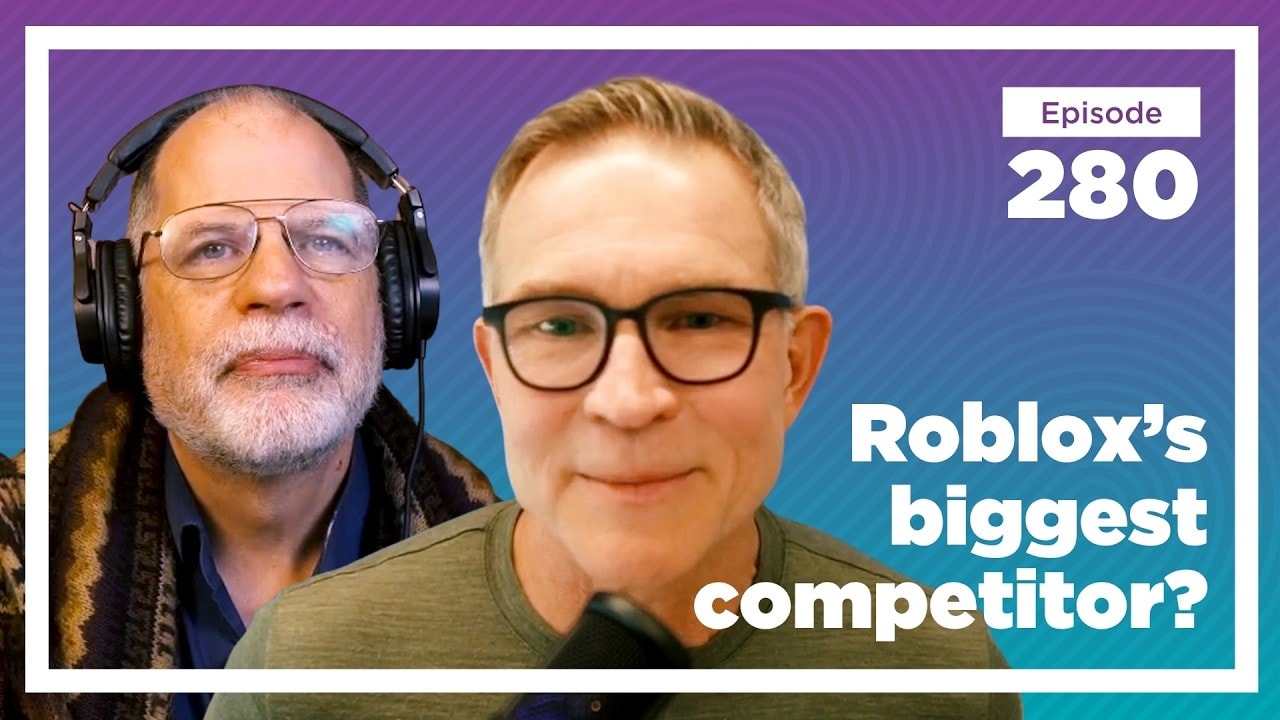
Tyler Cowen talks with Roblox co-founder David Baszucki about user-created games, the virtual economy and product choices. Baszucki describes how creators earn, why Roblox removed early pre-roll ads and how the platform approaches younger users. These notes cover selected passages from the official transcript, not a complete account. Safety practices and currency descriptions are attributed to Baszucki at the time of the interview, not independently verified current policy. AI material is not covered.
Founders
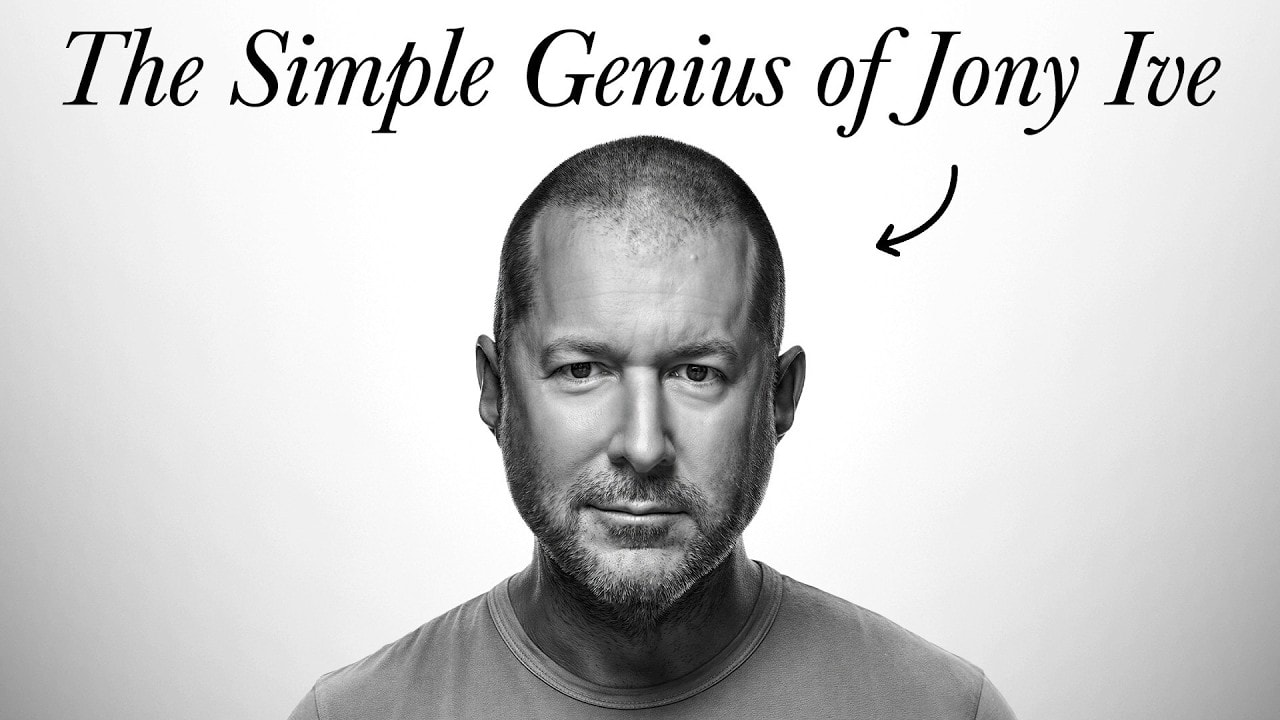
David Senra reads Leander Kahney's Jony Ive: The Genius Behind Apple's Greatest Products. Selected passages trace Ive's workshop upbringing, design practice, move to Apple and collaboration with Steve Jobs. The discussion links product simplicity with prototyping, clear decisions and manufacturing work. This is a biography-based narrative, not an interview with Ive. Quotes are exact public-caption excerpts read by Senra, not independently authenticated recordings of Ive. These notes cover selected business and design passages from captions that stop partway through the iPhone discussion, not the complete 52:31 video. June 10, 2026 is the verified YouTube upload date; historical details are presented as the episode's account. Sponsor claims and the SARS quarantine anecdote are omitted.
Founders
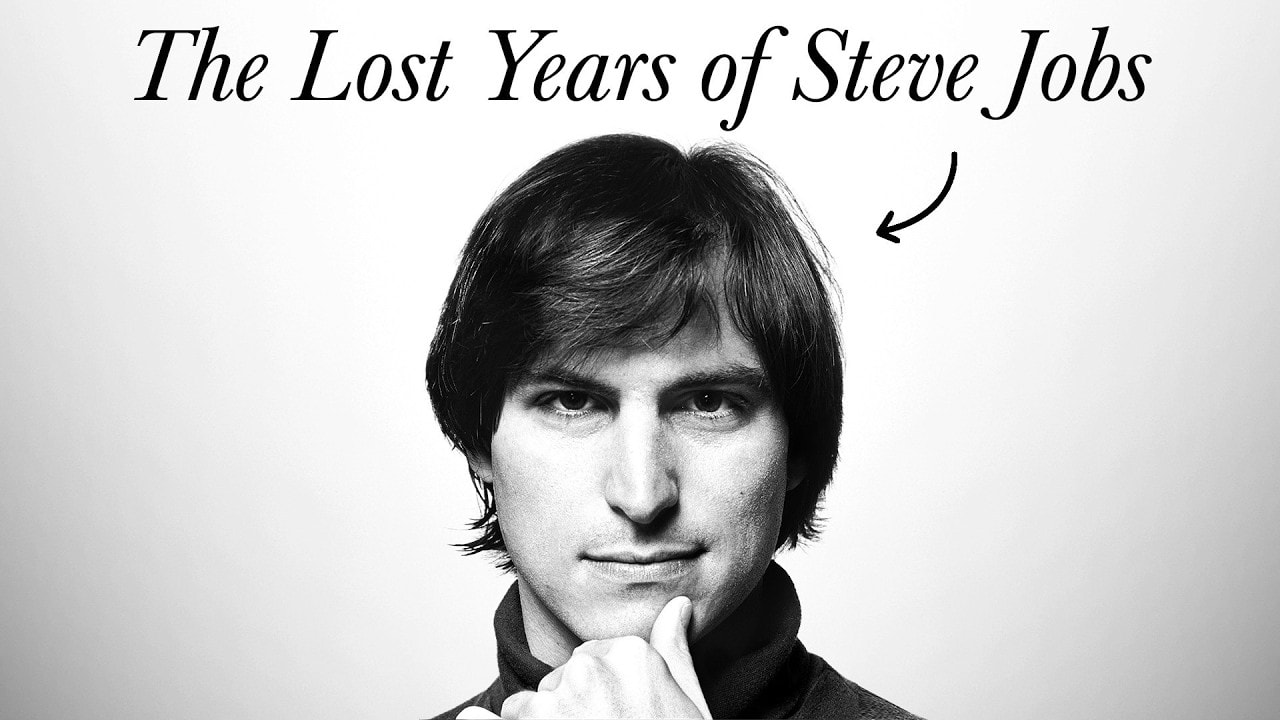
David Senra discusses Geoffrey Cain's Steve Jobs in Exile: The Untold Story of NeXT and the Remaking of an American Visionary. The account follows NeXT's hardware delays, spending, difficult feedback and eventual software business, then contrasts these struggles with Jobs's relationship with Pixar's Ed Catmull. These are selected business lessons from the available captions, which stop during the Catmull discussion rather than at the end of the full 53:31 video. This is a book-based narrative, not an interview with Jobs. Quotes reproduce exact caption passages read by Senra from advertisements, internal assessments or reported remarks; they are not independently authenticated original recordings. June 4, 2026 is the verified YouTube upload date. Historical claims and figures are the episode's account, not independently checked findings. Sponsor messages, personal-relationship passages and government-contract commentary are not summarized.
The Knowledge Project
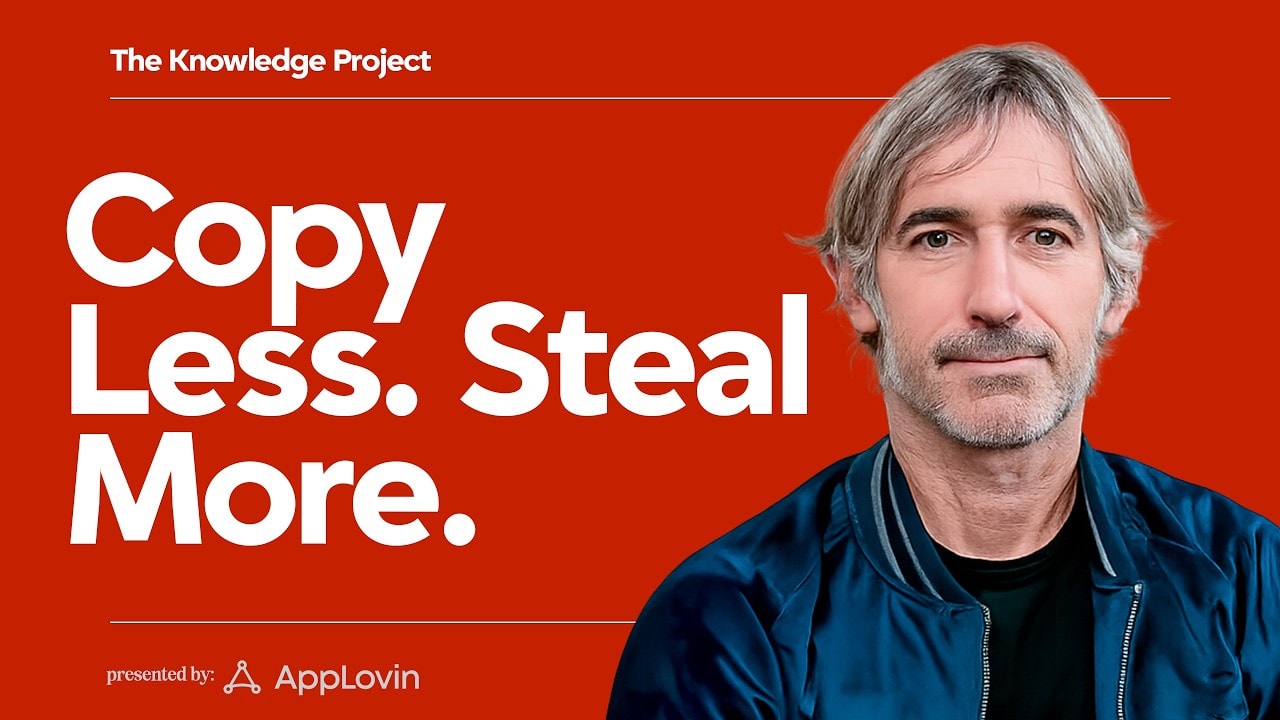
Shane Parrish talks with Zynga founder Mark Pincus about consumer-product instincts, studying successful designs and testing small variations rather than betting everything on one idea. Pincus also describes the risk of relying on Facebook as a platform. These notes cover selected product and business passages from the first roughly 49,700 characters of the public YouTube auto-captions, about 70% of the interview. Later material, family conflict and AI references are not covered. Caption wording may contain errors; financial and platform figures are his account, not an independent audit.
TRIGGERnometry
Dwarkesh Patel is a guest on TRIGGERnometry, discussing AI use, research preparation and the difference between digital work and physical tasks. This focused summary covers selected AI explanations only, not politics or later risk discussion. Productivity estimates and future expectations are Patel’s dated views, not independently verified results.
Shopify Masters
FIGS co-founder Trina Spear describes selling scrubs at hospital shift changes, learning from healthcare workers and building a direct relationship with customers. She also discusses storytelling, an ambassador program and keeping a company's identity during an IPO. Notes cover selected business passages from roughly 49,800 characters of public auto-captions, most of the interview, alongside official Shopify show notes. Date matches the official May 26, 2026 release. Revenue, forecasts and channel shares are Spear's spoken figures for that period, not current results or an independent financial check.
Shopify Masters
Coop Sleep Goods founders Kevin and Jin Chon explain how product improvement, customer reviews and a narrow initial focus helped them build a bedding brand. They discuss starting with a small local order, spending more on materials, learning from customer complaints and keeping control of the direct-to-consumer experience. Notes cover the public auto-captions for the 28-minute business interview, checked against official Shopify show notes dated May 19, 2026. Names follow the official page rather than caption misspellings. Revenue, audience and growth claims are the founders' accounts at the time, not independently audited figures. Product and channel lessons are business examples, not medical or sleep advice.
Conversations with Tyler
Bob Spitz and Tyler Cowen discuss the Rolling Stones' apprenticeship, original songwriting, complementary roles and long working relationship. Spitz also describes the craft of biography: gather the material, write through the story, accept large editorial cuts and keep the research safe. These are selected music, teamwork and writing passages, not a full-episode summary. Political, medical, mental-health and AI passages are omitted. Historical anecdotes and judgments about artists are Spitz's account, not independently verified facts. Official full transcript: https://conversationswithtyler.com/episodes/bob-spitz/ . Topic labels are editorial and untimed.
Figuring Out with Raj Shamani
Vishwa Mohan - IIT alumnus, former Amazon engineer and founder building a code-first engineering school - joins Raj Shamani to go inside the IIT race: JEE preparation, placements, big-tech interview loops and layoffs, and the future of engineering in the AI era. He argues the marks obsession is outdated, explains what Amazon, Google and LinkedIn actually test, and shares the code-first education model he is building. Opinions and claims expressed are the guest's own. Sponsor: none stated in this episode. Notes based on the publisher's full audio edition. Episode is largely in Hindi; notes are in English. FULL COVERAGE: these notes cover the complete episode from start to finish.
Conversations with Tyler
Tyler Cowen interviews Craigslist founder Craig Newmark live at 92NY about simplicity, handing over management and learning from philanthropy. Newmark explains why speed and getting a task done matter more to him than decorative complexity. These notes cover selected product, leadership and grant-making passages from the official transcript. AI, political and security-policy discussions are not covered.
Shopify Masters
Lone Fox founder Drew Scott describes growing a DIY and home-design community before selling products, then moving from widely resold wholesale goods to one-of-a-kind vintage. He also talks about packing, inventory space and demand for a first retail store. Notes use selected passages from roughly 49,000 characters of public YouTube auto-captions, covering essentially the full interview, alongside official Shopify show notes. Date matches the official April 21, 2026 release. Sales and audience claims are Scott's account, not audited results; vintage differentiation does not guarantee demand or margins.
People by WTF
World Bank President Ajay Banga joins Nikhil Kamath to discuss his career, the bank's structure and why he places jobs at the center of reducing poverty. The conversation connects infrastructure, education, health, farming and local value creation with opportunity for young people. Economic figures and policy arguments are Banga's account in this interview.
Dwarkesh Podcast
Michael Nielsen and Dwarkesh Patel discuss how scientific ideas advance when experiments are ambiguous or verification is slow. Historical examples lead to questions about anomalies, selection bias, alternative technology paths, quantum computing and how to learn deeply. Claims about other civilizations are explicitly speculative.
Conversations with Tyler
Henry Oliver and Tyler Cowen discuss reading Shakespeare, disagreement between readers, Jane Austen's narrative technique, advertising and the difference between a famous book and one people actually read. Oliver argues that literature changes a reader only when the reader actively thinks with it. These notes cover selected literary and advertising passages. Political, medical and mental-health discussions, including crisis examples in the late-bloomer section, are omitted. Interpretations, author rankings and claims about advertising are the speakers' views rather than established consensus. Official full transcript: https://conversationswithtyler.com/episodes/henry-oliver/ . Topics are untimed editorial labels.
Shopify Masters
Heaven Mayhem founder Pia Mance describes starting with handmade necklaces and building an accessories brand around product, content, community and events. She talks about asking customers for useful feedback, keeping a consistent identity and the limits of celebrity exposure. Notes cover selected business passages of the full public auto-captions, checked against official Shopify show notes. Date matches the official March 3, 2026 release. Sales, funding and campaign outcomes are Mance's account of the period, not audited or current figures; the economics of direct sales versus wholesale vary by business.
On Purpose with Jay Shetty
Shelby Sapp on understanding a buyer's goal, asking questions, qualifying interest and presenting a clear next step. Selected early sales-process discussion, excluding income promises and spending or investing advice. Her views and anecdotes are unverified here; untimed editorial topics are not video chapters.
Figuring Out with Raj Shamani
Sunita Williams discusses career exploration, learning from experienced people, teamwork and solving a spacecraft problem one step at a time. These notes cover selected training and mission-work passages from the retrieved transcript, not the full interview. Health, personal-family and unrelated passages omitted. Mission details are her account, not independently verified. Untimed topics are not video chapters. Transcript source: https://singjupost.com/raj-shamani-fo461-w-sunita-williams-on-286-days-in-space-transcript/
On Purpose with Jay Shetty
Alex Honnold on consistent practice, preparation, deliberate risk and process visualization before the scheduled Taipei 101 climb. Selected discussion, excluding neuroscience, meditation, cold plunges and later personal sections. His account, not climbing or training instructions; no claim about the later event's outcome. Untimed topics are not video chapters.
The Mel Robbins Podcast
Mark Rober on safe experiments, learning from failed attempts and telling stories that make ideas engaging. Selected practical discussion, not all five rules, later personal or family sections, or brain-science claims. Advice and anecdotes are his own; untimed editorial topics are not video chapters.
Dwarkesh Podcast
Ilya Sutskever talks with Dwarkesh Patel about uneven model capability, reinforcement learning, human generalization, SSI, alignment and research taste. He argues that the next advances need new learning ideas as well as compute. These are his views and scenarios in November 2025, not established AGI timelines.
Silicon Valley Girl: AI, Tech and Career Growth
Mustafa Suleyman and Marina Mogilko on useful technology, learning and AI group interaction. Selected topics from the November2025 interview, not the whole conversation. Excludes healthcare, AGI, consciousness and work-disruption claims. Microsoft AI product claims are promotional and unverified; untimed editorial sections are not video chapters.
THE CEOCAST
The Couture Club founder Ross Worswick tells Raheem Khalid how a small clothing launch became a much larger business. He describes a single T-shirt in three colors, cash-flow limits, a costly gap in financial reporting and the difference between loyal community members and followers. Notes cover only the first approximately 49,700 characters of public auto-captions, roughly the first half of this 88-minute episode. The later discussion is not covered. Monetary figures are the guest's account, not audited results; the dollar wording in the original video title differs from the pounds used in the conversation. Brief AI-plan remarks, nightlife anecdotes and family/work-life material are not summarized.
Dwarkesh Podcast
Andrej Karpathy and Dwarkesh Patel discuss the gaps between impressive model tests and dependable agents, reinforcement learning, how humans learn, coding and the future of education. Karpathy explains his decade-scale AGI outlook and argues that progress may fit into a long economic growth curve. His timelines and growth scenarios are opinions from October 2025.
The Weekly Show with Jon Stewart
Jon Stewart asks Geoffrey Hinton to explain neural networks, learning and the comparison with human cognition. This focused summary covers the explainer portion, not later regulation, politics or AI-risk discussion. Claims about understanding like people or superior computation are Hinton’s contested views, not established consensus.
Shopify Masters
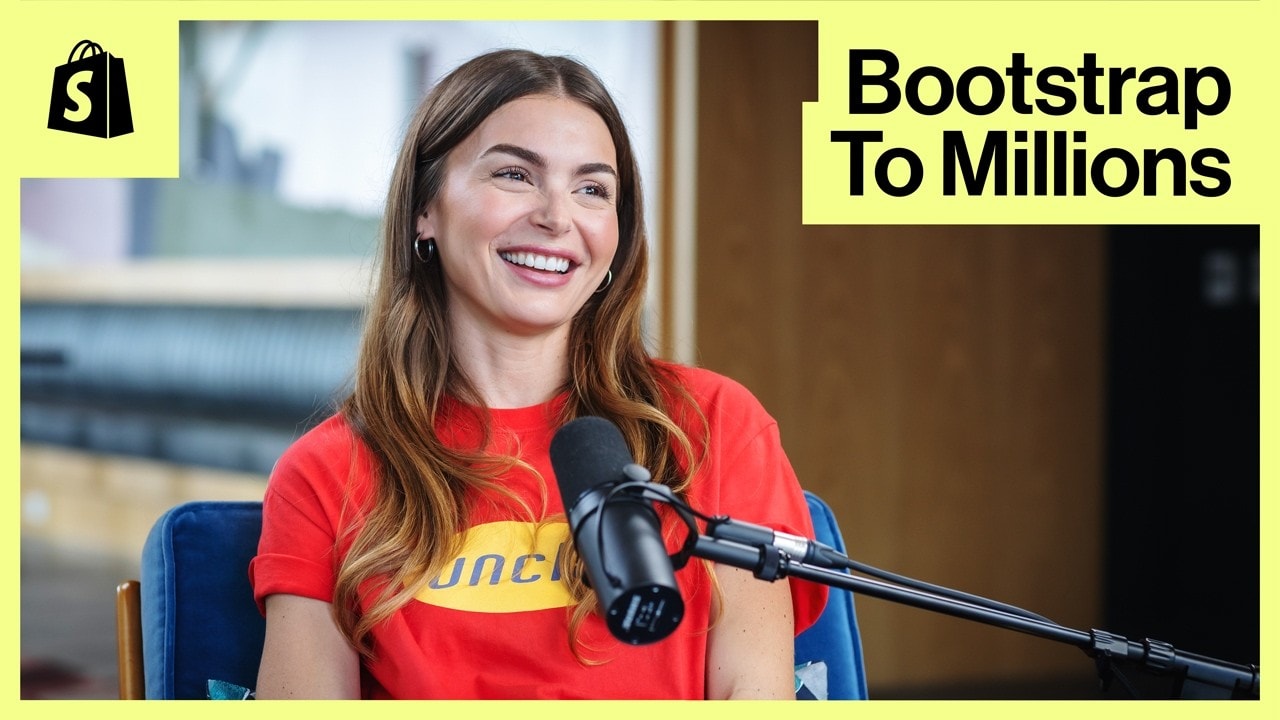
Allegra Shaw talks on Shopify Masters about starting Uncle Studios with a friend, developing a white T-shirt and growing through a community rather than paid ads. She explains the cash needed for production, the value of product trust and the move into a Toronto store. These notes draw on the full public YouTube auto-captions of the September 9, 2025 episode, with the official Shopify article checked for context. Caption wording may contain errors. Financial figures and brand practices reflect Shaw's account at the time, not verified current figures or a promise that another business will get the same results.
Conversations with Tyler
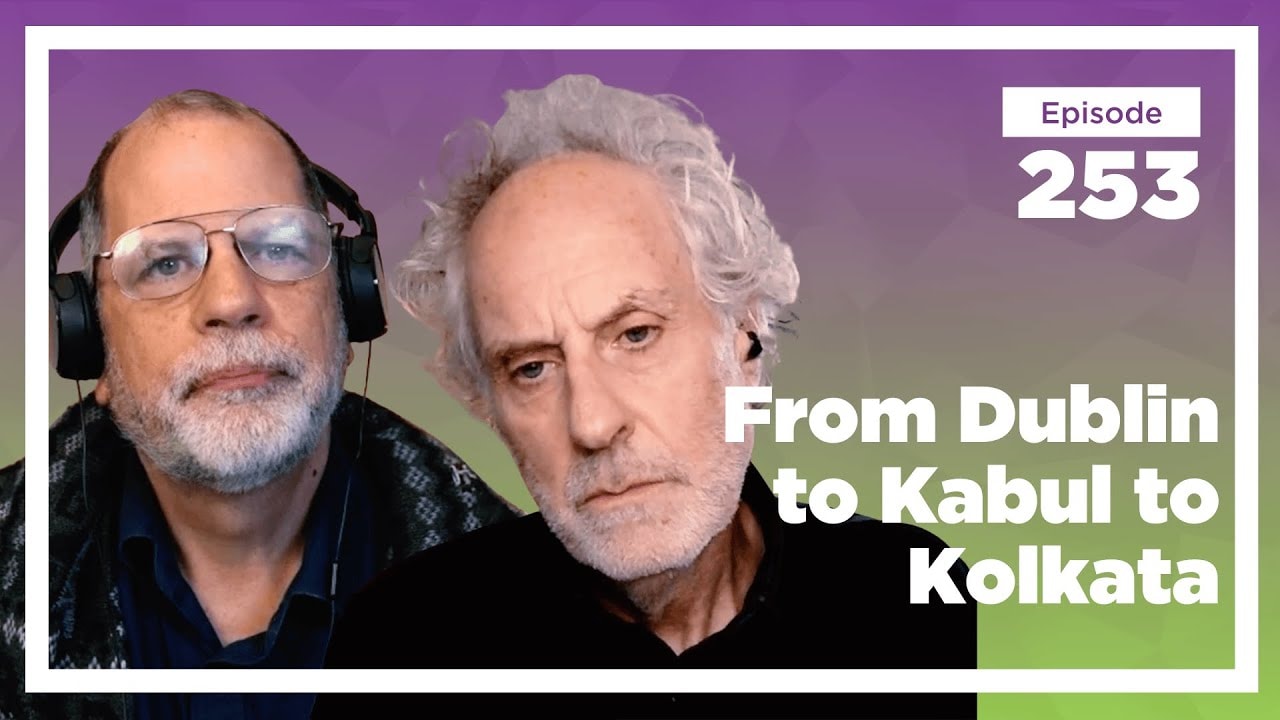
Seamus Murphy talks with Tyler Cowen about photography, editing and creative work with PJ Harvey. These are selected photography-process and collaboration passages, not a full episode summary. Afghanistan and Ireland political debate, conflict-zone danger and safety claims, trauma discussion, national stereotypes and later geopolitical commentary are omitted. Murphy's observations are his interpretations; a striking photograph is not treated as a complete account of a person or place. Project descriptions belong to the August 2025 recording. Full official transcript: https://conversationswithtyler.com/episodes/seamus-murphy/ . Topic labels are untimed.
People by WTF
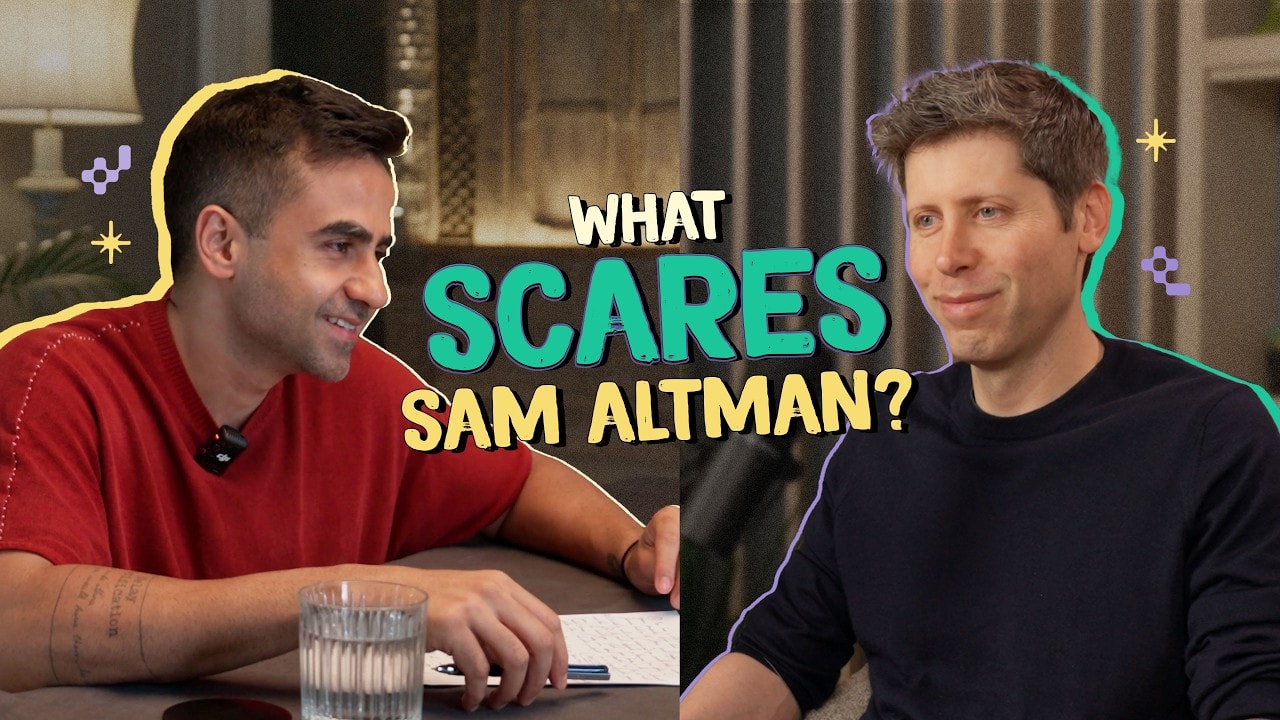
Nikhil Kamath asks Sam Altman about GPT-5, careers, building with AI, humility, parenthood and the future of business. Altman emphasizes AI fluency and learning to learn while acknowledging the difficulty of predicting beyond a few years. Recorded in 2025; product claims are Altman's account at the time, and economic predictions are not investment advice.
People by WTF
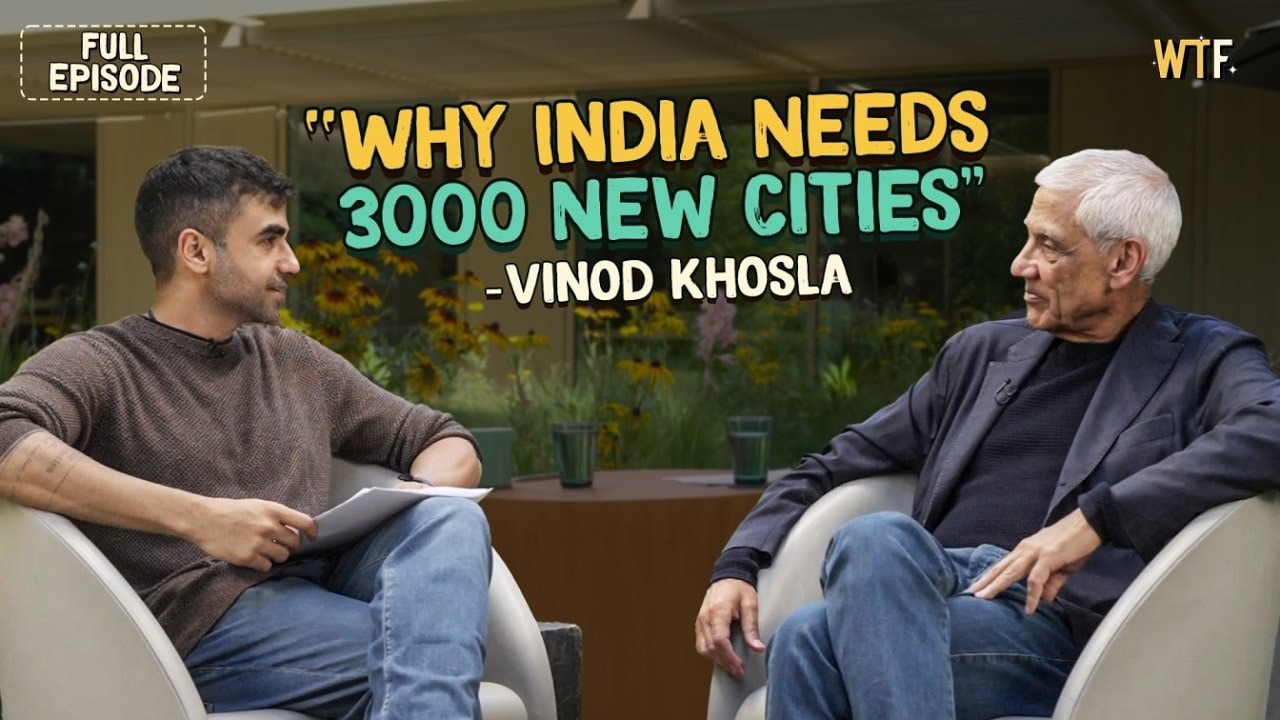
Nikhil Kamath asks Vinod Khosla about entrepreneurship, mission, education and adapting to AI. Khosla argues for first-principles thinking, broad learning and a five-year direction alongside near-term sales. Recorded 7 July 2025 and released 2 August 2025 in India; his predictions about jobs and technology are opinions, not settled facts or investment advice.
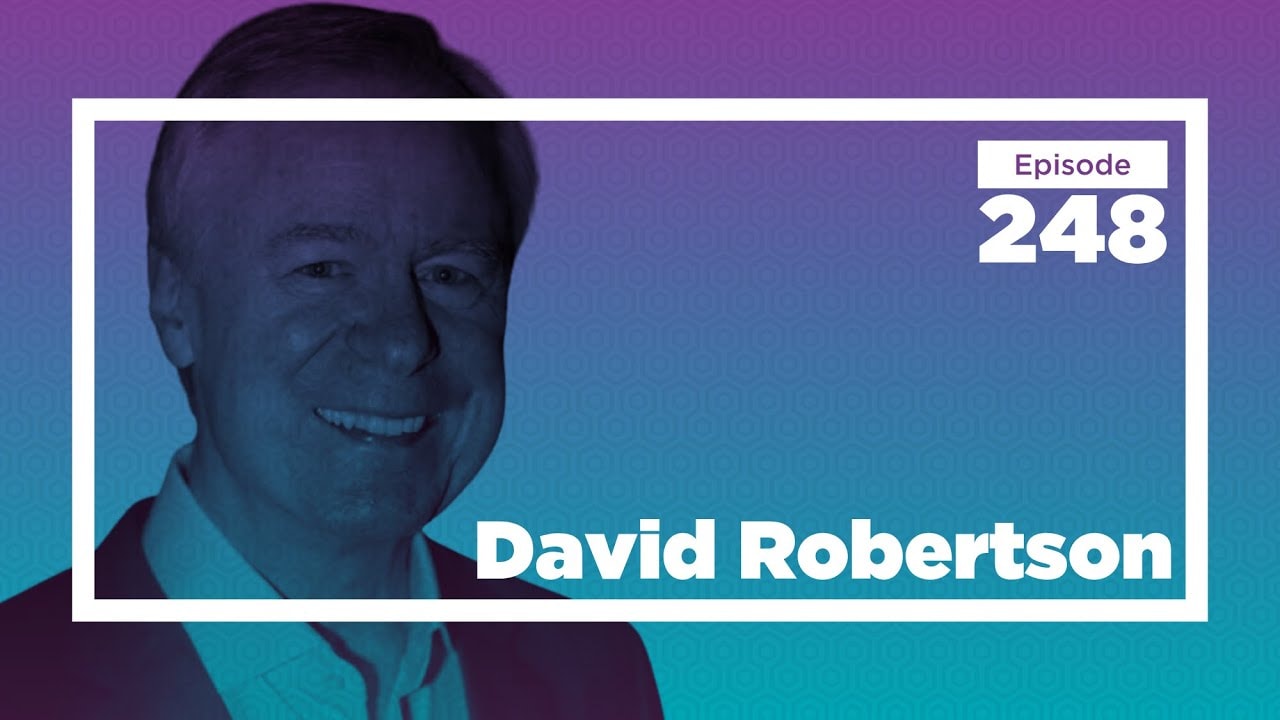
Conversations with Tyler
David Robertson talks with Tyler Cowen about Boulez, learning a demanding score, helping an audience into unfamiliar music and the moment-to-moment coordination of an orchestra. These notes cover selected interpretation and musical-leadership passages, not every topic. Robertson's recollections and artistic judgments are attributed to him; historical anecdotes are not independently verified here. Full official transcript: https://conversationswithtyler.com/episodes/david-robertson/ . Topic labels are untimed.
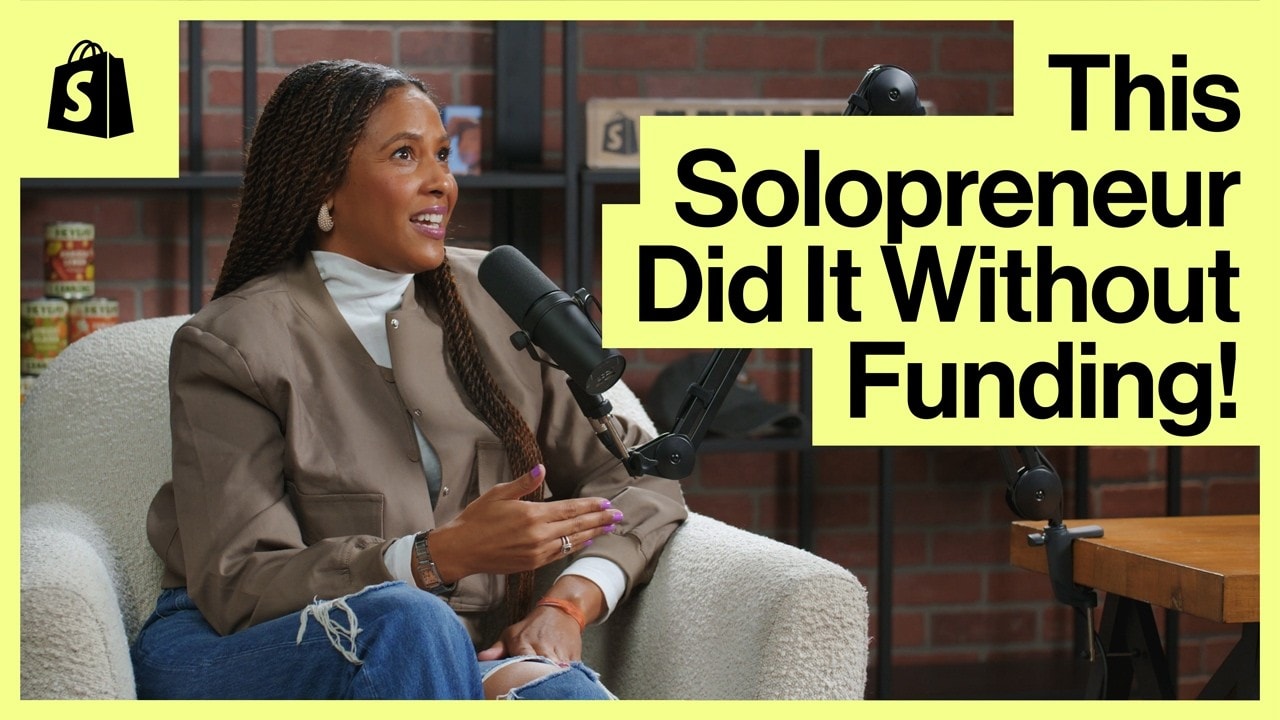
Shopify Masters
Undefined Beauty founder Dorian Morris describes building without investors, working with small suppliers and freelancers, and using grants and industry relationships to reach retailers. She also explains a pricing change for direct customers. Notes cover selected business passages of the full public auto-captions, checked against official Shopify show notes. The date matches the official June 17, 2025 release. Product claims are Morris's account, not medical advice or independently verified evidence; prices, retail access and team size describe that interview period, not current conditions.
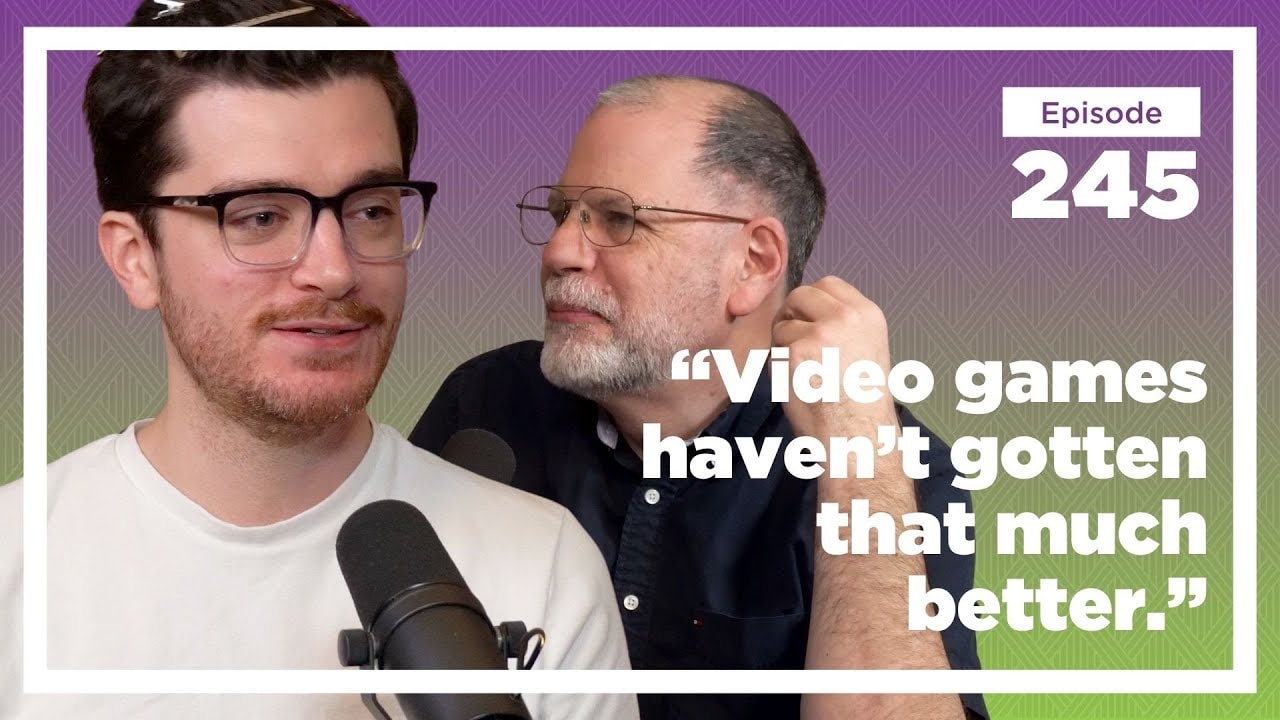
Conversations with Tyler
Any Austin joins Tyler Cowen to talk about close observation, video-game commentary and the everyday infrastructure that games can make newly interesting. These notes cover selected observation, artistic-value and commentary passages, not the full interview. AI-art debate, simulation speculation, energy-policy banter, later food discussion and unverified industry figures are omitted. Claims about discoverability, game quality and audience behavior are the speakers' views, not established measurements. Uncertain game-release recollections are not used as factual dates. Full official transcript: https://conversationswithtyler.com/episodes/any-austin/ . Topic labels are untimed.
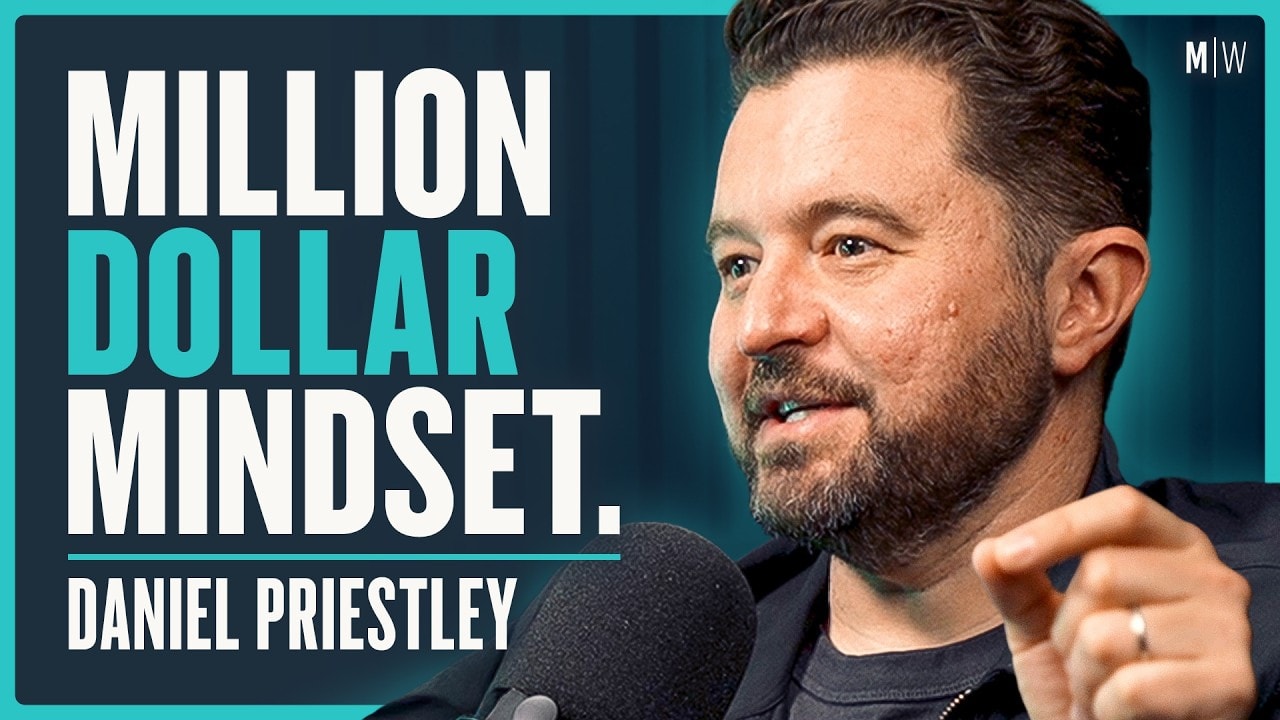
Modern Wisdom
Chris Williamson talks with entrepreneur Daniel Priestley about testing demand before building a business and the coordination problems that can appear as a team grows. Priestley proposes interest sign-ups followed by customer conversations, and describes different operating needs for a small team and a larger company. These notes cover selected business passages from the first roughly 50,000 characters of the public YouTube auto-captions, about the first 40% of the conversation. Later material and opening political discussion are not covered; captions may contain errors. His numerical rules are heuristics from his experience, not proven thresholds or promises of revenue.
Conversations with Tyler
Ian Leslie and Tyler Cowen explore how Lennon and McCartney's different working styles became a shared creative language. They discuss covers, influences, small contributions to songs and the blurred line between composition and production. These notes cover selected opening songwriting and collaboration passages, not the entire episode or a definitive account of who wrote each song. Later political and mental-health passages are omitted. Many attributions are explicitly speculative or disputed in the conversation. Full official transcript: https://conversationswithtyler.com/episodes/ian-leslie/ . Topics are editorial and untimed.
Shopify Masters
P.F. Candle Co. founder Kristen Pumphrey describes building from craft fairs and handmade production, handling a large West Elm order and using customer-location data before opening in Brooklyn. She also discusses documenting the work, organic content and small collaborations. Notes cover selected business passages from the full public auto-captions and official Shopify show notes. Date matches the official April 15, 2025 release. Employee counts, orders and store performance are her account of the interview period, not current results or independent verification.
Shopify Masters
Ryan Bartlett explains on Shopify Masters how True Classic began with a better-fitting men's T-shirt, complementary co-founders and his existing digital-marketing skills. He discusses advertising measurement, creative production and a large inventory bet that brought financial risk. These notes draw on the public YouTube auto-captions of the roughly 33-minute interview, with Shopify's official article checked for context. Captions may contain errors. Financial figures are Bartlett's account, not an audit or a promise of returns. Date shown is the verified YouTube upload date, April 1, 2025.
Think School: Indian Business Podcast
Think School host Ganesh Prasad talks with Snitch founder Siddharth Dungarwal about entering the apparel business, organising production, building customer trust and pricing without constant discounts. These notes cover selected passages from the first roughly 50,000 characters of the English/Hinglish YouTube auto-captions, about the first 40% of the conversation. Later store economics, funding and Shark Tank discussions are not covered; brief cold-open claims are identified as teasers. Caption wording and Hindi terms may contain errors. Company growth and sales claims are the speakers' account, not an independent audit.
Conversations with Tyler
Producer Joe Boyd talks with Tyler Cowen about discovering music across borders, Albanian polyphony, Toots Hibbert's songwriting, film music and the practical work of shaping a recording. These notes cover selected music and production passages, not the entire conversation. The opening South African political discussion and later political history are omitted. Boyd's historical and musical interpretations remain attributed to him. Full official transcript: https://conversationswithtyler.com/episodes/joe-boyd/ . Topic labels are untimed.
Dwarkesh Podcast
Tyler Cowen and Dwarkesh Patel discuss AI-driven growth, human bottlenecks, progress studies, evaluating ideas and the slow diffusion of innovation. Cowen expects important long-run change but questions rapid-takeoff stories, and explains why practical execution and the risks of war still matter. These are his economic views from January 2025, not investment advice.

The Foundr Podcast with Nathan Chan
Scott explains how a failed hat store gave her the skills and clues for a jewelry business. The interview covers getting through the 2008 recession, creating direct customer relationships, building an interactive retail experience and keeping an established company agile. Nathan Chan interviews Kendra Scott. The video upload and official Foundr In Retrospect audio episode #545 are dated January 3, 2025; the conversation was previously released as #425 on September 7, 2022 and discusses the Born to Shine launch. Business figures in the title and interview are historical publisher or guest claims, not independently audited current valuations. Notes use available auto-captions through the closing interview and promotion, without invented chapter times. Retail plans, financing, pandemic responses and customer programs reflect the earlier conversation, not current policy or financial advice. A brief chemotherapy reference explains the hat-store origin, not medical guidance.
Conversations with Tyler
Paula Byrne talks with Tyler Cowen about literary biography, reading Thomas Hardy beyond the best-known novels, Jane Austen's theatrical influences and the choices made by screen adaptations. These notes cover selected literary passages, not the entire interview. Counseling, teenage mental-health discussion and political-history arguments are omitted and no therapeutic advice is offered. Claims about writers' motives and influence are Byrne's interpretations. Full official transcript: https://conversationswithtyler.com/episodes/paula-byrne/ . Topic labels are untimed.
Shopify Masters
Benjamin Gottlieb talks with Sharma Brands founder Nik Sharma in New York about product use cases, writing for a small set of readers and testing organic content before spending on ads. Sharma also discusses acquisition costs and starting ad copy with a longer product document. Notes cover selected non-AI marketing passages from the full public auto-captions. The original video description confirms the guest's name as Nik, although captions render it as Nick. Date is the verified October 31, 2024 YouTube upload. Budget figures are his examples and rules of thumb, not spending advice or a guarantee of statistical confidence.
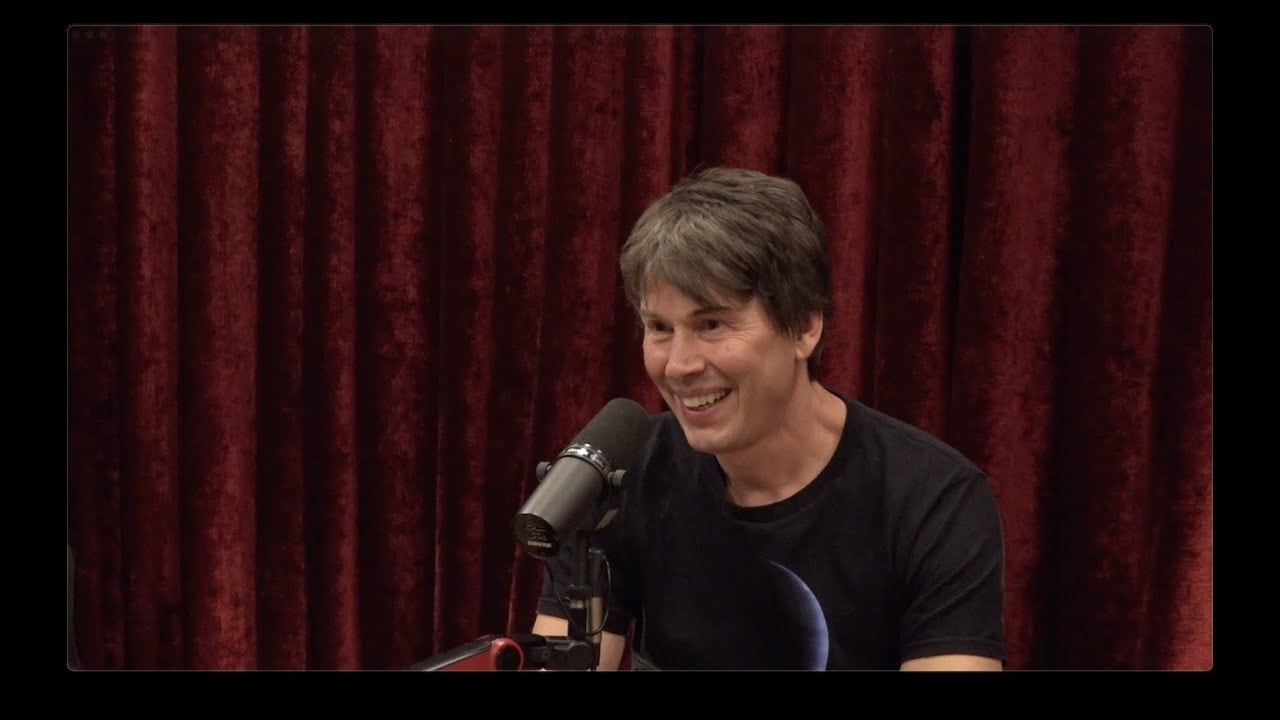
The Joe Rogan Experience
Brian Cox returns to discuss black-hole information, the search for other civilizations, meaning and possible futures of intelligence. Selected opening-caption coverage only; later parts of this nearly three-hour conversation are not summarized.
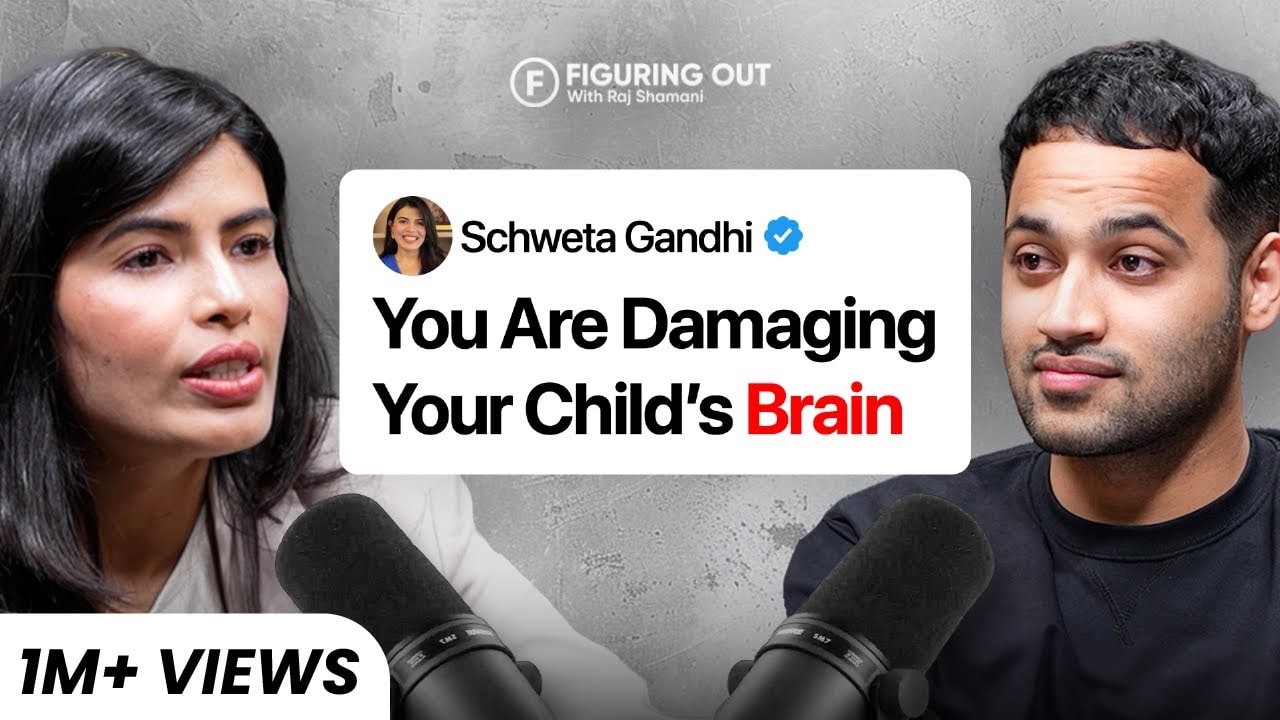
Figuring Out with Raj Shamani
Parenting coach Schweta Gandhi joins Raj Shamani with a science-first manual for the early years: why a toddler's logic brain cannot process scolding before age three, the four parenting styles, her gentle-parenting script for tantrums, the subconscious damage of labels like 'shy', military-consistent routines, the real screen-time numbers for 7-14 year olds, sugar and junk-food rules, video games in moderation, her hour-by-hour ideal evening routine, and her case for nannies, working mothers and a new era of goal-setting dads. Advice and claims are the guest's own, shared as her professional perspective. Sponsor: none stated in the episode. Notes based on the publisher's full audio edition. FULL COVERAGE: these notes cover the complete episode from start to finish.
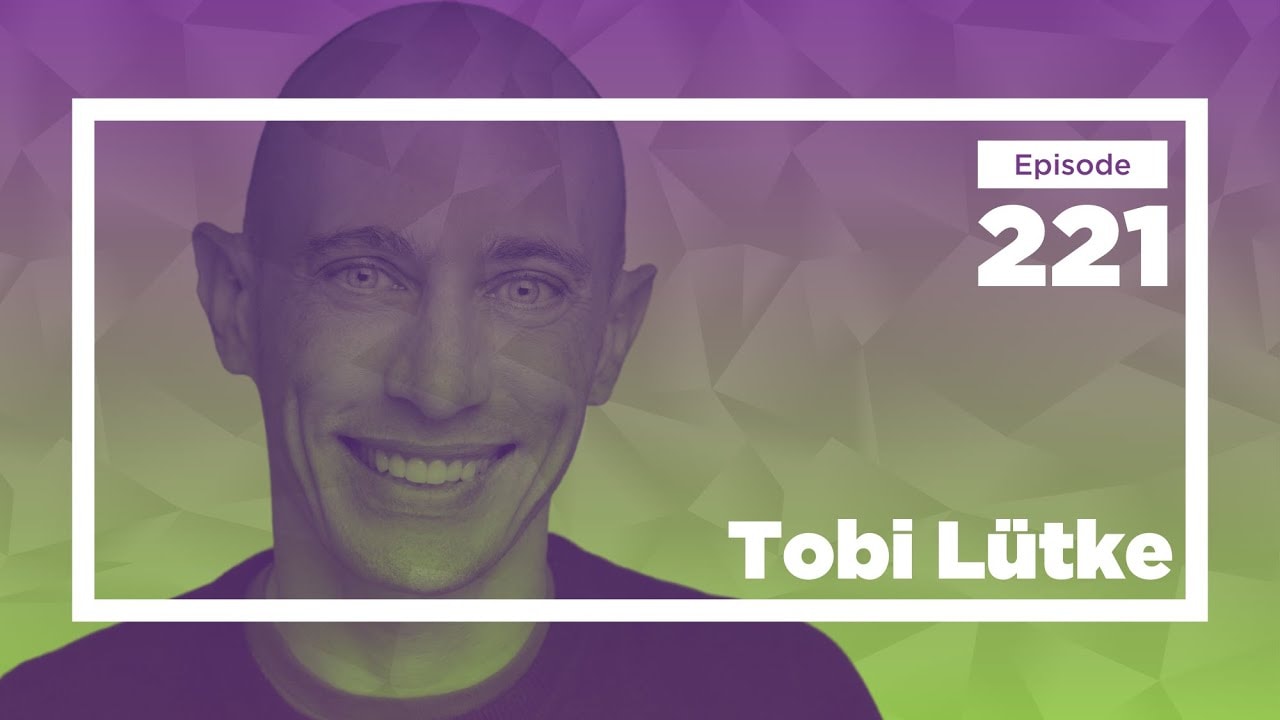
Conversations with Tyler
Tyler Cowen talks with Shopify founder Tobi Lutke about learning through real problems, communicating with a team and building for entrepreneurs. Lutke describes customers who repeatedly tell Shopify where it can improve, and argues that listening must be paired with a long-term vision. These notes cover selected business and learning passages from the official transcript. Political, national-economy and AI discussions are not covered.
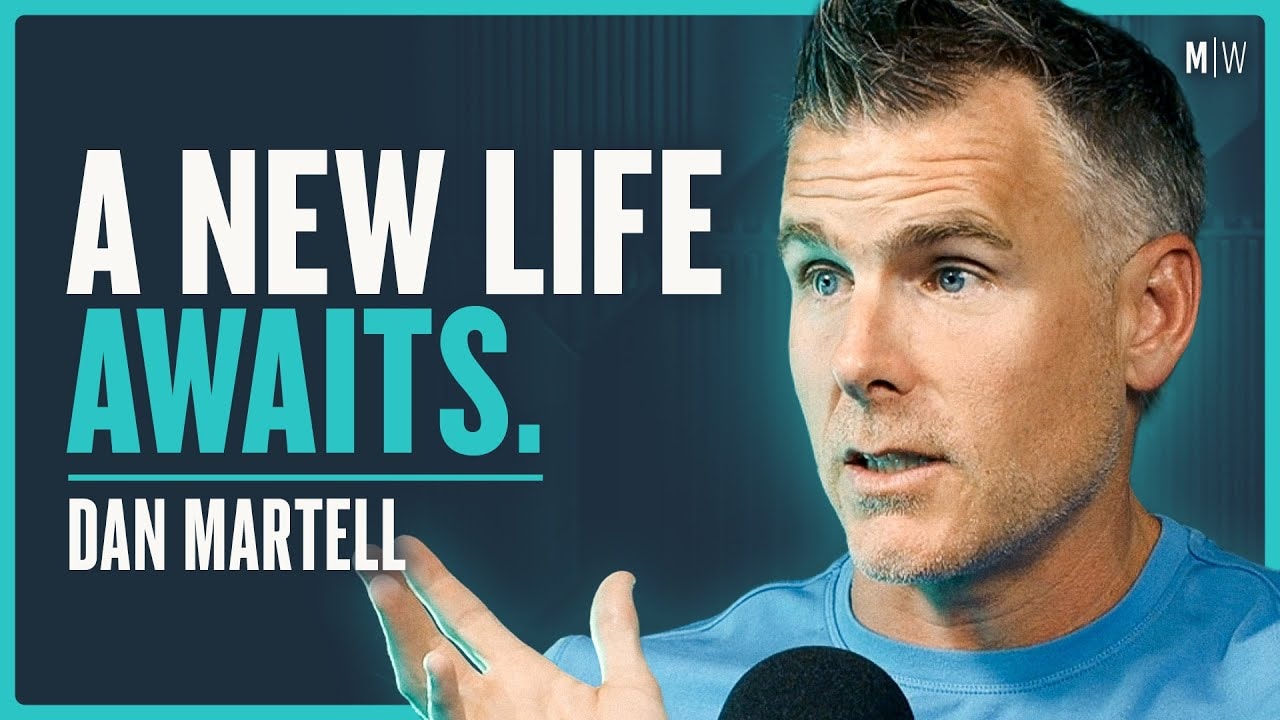
Modern Wisdom
Chris Williamson talks with entrepreneur Dan Martell about delegating work, training a team and avoiding a business that depends on the founder doing everything. Martell argues that growth should bring resources, while a founder's strongest skill can become a bottleneck. These notes cover selected business passages from the first roughly 50,000 characters of the public YouTube auto-captions, approximately the first third of the 154-minute conversation. Later material is not covered, caption wording may contain errors, and Martell's coaching advice is not a guarantee of business results.
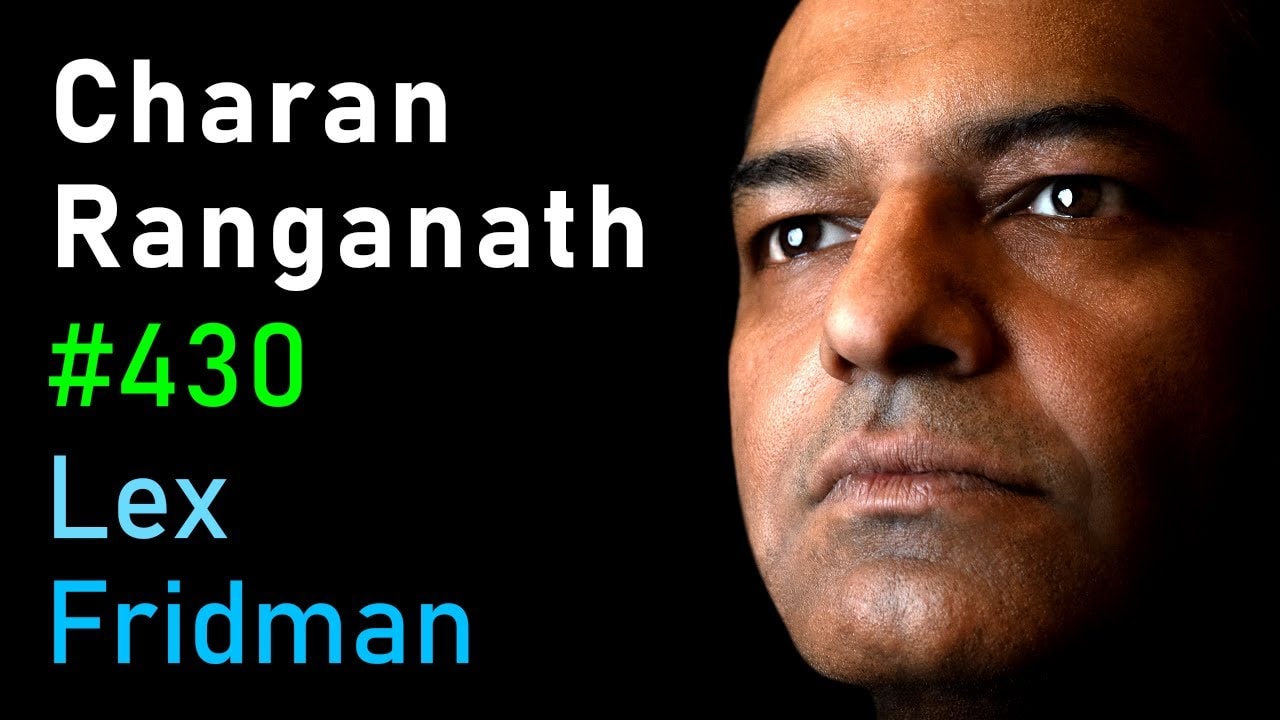
Lex Fridman Podcast
Charan Ranganath talks with Lex Fridman about why people forget, how attention and testing shape learning, and how imagination and other people can change memories. He explains the difference between remembering more and remembering what matters, and discusses uncertainty in science. Educational summary, not medical advice.

