


How The Black Tux Rebuilt an Entire Supply Chain and Hit Nine Figures
Executive Summary
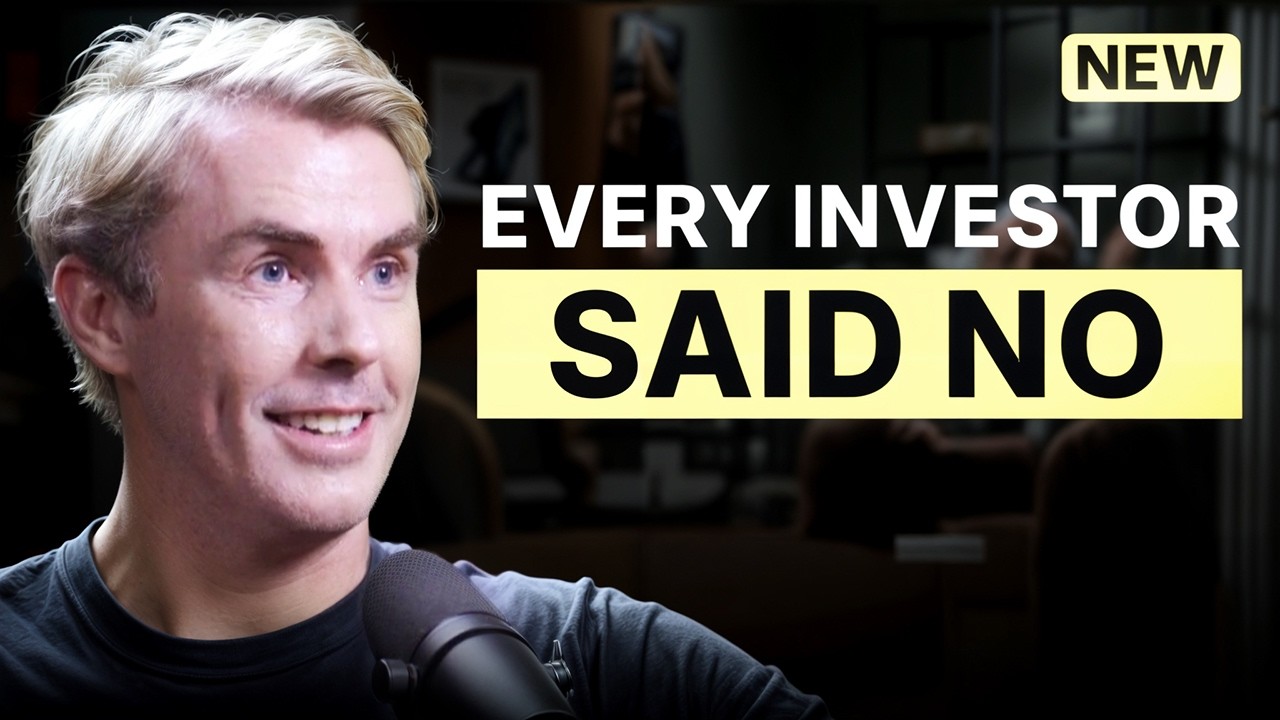
The Black Tux co-founder Andrew Blackmon describes replacing a poor formalwear rental experience with online fitting and better garments. He talks about a waiting list, GQ coverage, store appointments and a Nordstrom partnership, alongside the work of manufacturing, delivery, returns and cleaning. Notes cover selected business passages from the full public auto-captions. The original video description confirms Blackmon, although captions render the name as Blackman. Date is the verified July 21, 2026 YouTube upload; sales, conversion and location counts are his account of the interview period, not audited or current results. Passing AI and therapy remarks are not covered.
Key Takeaways
The origin
He had been in many weddings and prom nights wearing an ill-fitting suit or tuxedo two sizes too big, and wanted people to feel confident on important days.
Rental first
They went after rental first, where the customer experience was most missing. Only in the last three years have they sold clothing, because customers asked if they could keep the item or buy a new one.
Delivery and product disruption
Customers submit sizes online, get the tuxedo about two weeks before the event to check the fit and send it back. The bigger disruption was the garment: rental tuxedos were polyester, shirts microfiber and shoes plastic, so they rebuilt the supply chain to make something that feels like a $1,200 purchase.
GQ and the waiting list
GQ endorsing a rental service was unusual, since the industry had a stigma. They did not have enough inventory, so a website waiting list collected thousands of email addresses, proving demand and helping them go back to investors for capital to finance supply.
Do everything early
Early on the two co-founders did everything, including answering phones under a customer service alias and cobbling shoes, in a garage in Santa Monica, and hired friends who surf to pack boxes.
Stores and Nordstrom
Almost everyone who tried on in the first appointments ended up renting, so the conversion was high enough to open more. A connection to someone who had sold to Nordstrom led to a 10-store pilot and now over 40 locations. Two years earlier Nordstrom sent a cease and desist when they put a measure-at-Nordstrom note on their site.
Six businesses in one
Blackman says the business has manufacturing, a brand, logistics and reverse logistics, and dry cleaning, and no 3PL does reverse logistics or dry cleaning, so they run their own warehouses.
The Conversation Breakdown
The origin
⏱ Untimed topicHe had been in many weddings and prom nights wearing an ill-fitting suit or tuxedo two sizes too big, and wanted people to feel confident on important days.
Rental first
⏱ Untimed topicThey went after rental first, where the customer experience was most missing. Only in the last three years have they sold clothing, because customers asked if they could keep the item or buy a new one.
Delivery and product disruption
⏱ Untimed topicCustomers submit sizes online, get the tuxedo about two weeks before the event to check the fit and send it back. The bigger disruption was the garment: rental tuxedos were polyester, shirts microfiber and shoes plastic, so they rebuilt the supply chain to make something that feels like a $1,200 purchase.
GQ and the waiting list
⏱ Untimed topicGQ endorsing a rental service was unusual, since the industry had a stigma. They did not have enough inventory, so a website waiting list collected thousands of email addresses, proving demand and helping them go back to investors for capital to finance supply.
Do everything early
⏱ Untimed topicEarly on the two co-founders did everything, including answering phones under a customer service alias and cobbling shoes, in a garage in Santa Monica, and hired friends who surf to pack boxes.
Stores and Nordstrom
⏱ Untimed topicAlmost everyone who tried on in the first appointments ended up renting, so the conversion was high enough to open more. A connection to someone who had sold to Nordstrom led to a 10-store pilot and now over 40 locations. Two years earlier Nordstrom sent a cease and desist when they put a measure-at-Nordstrom note on their site.
Six businesses in one
⏱ Untimed topicBlackman says the business has manufacturing, a brand, logistics and reverse logistics, and dry cleaning, and no 3PL does reverse logistics or dry cleaning, so they run their own warehouses.
Core Frameworks & Ideas
Improve the product and the delivery
Blackmon argues that the rental garment itself needed to change as well as how a customer received it. Assess both sources of friction.
Demand evidence before inventory expansion
A waiting list collected interest when stock could not meet demand. It helped the founders discuss more capital, but interest is not the same as completed orders.
Plan the full return loop
Rental adds reverse logistics and cleaning to the usual manufacturing and shipping work. Blackmon describes running these operations internally rather than treating rental as ordinary e-commerce.
Actionable Next Steps
- ✓Ask what is wrong with the garment or product itself, not only the delivery.
- ✓Use a waiting list to prove demand when you cannot supply it yet.
- ✓Track what share of your orders come from past customers each year.
- ✓Map cleaning, returns and replacement handling before offering a rental product.
Notable Quotes
“we actually manufacture really highquality garments at a great price”
“this is like six businesses in one”
“the conversion rate of the stores is so high”
The One Thing to Remember
we actually manufacture really highquality garments at a great price