


How This Beauty Founder Built A Successful Brand With No Funding and No Paid Ads
Executive Summary
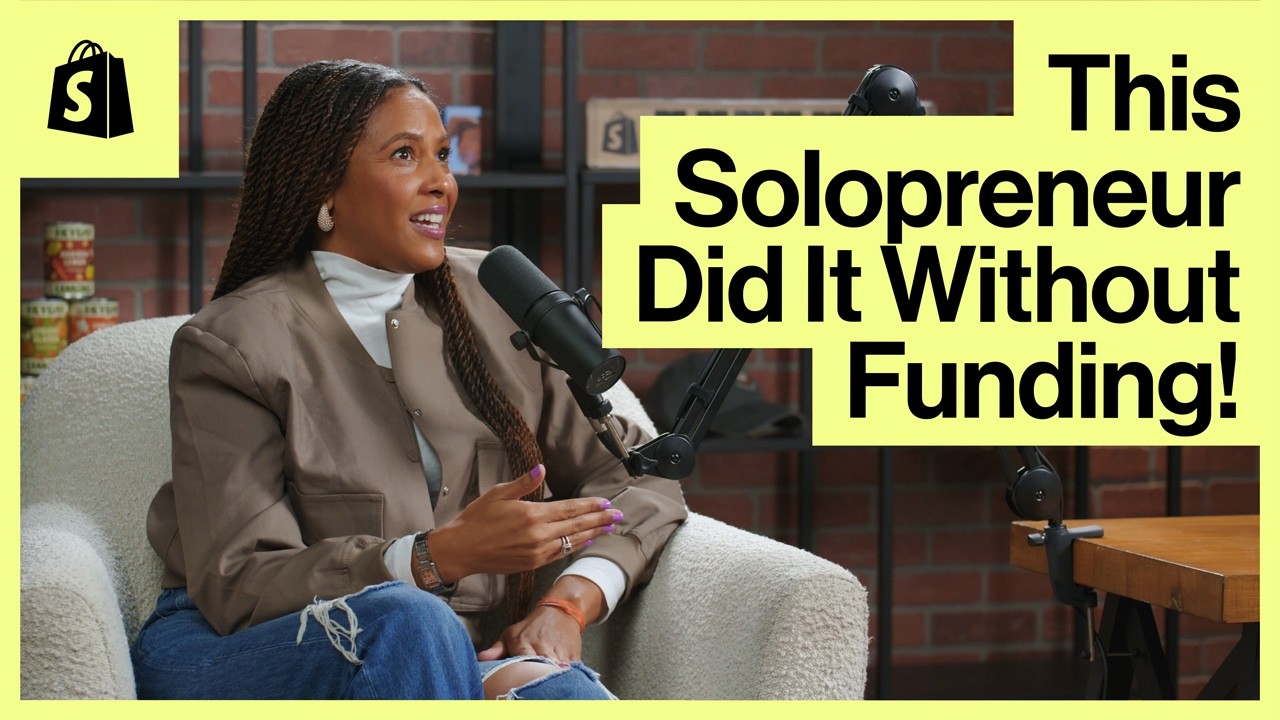
Undefined Beauty founder Dorian Morris describes building without investors, working with small suppliers and freelancers, and using grants and industry relationships to reach retailers. She also explains a pricing change for direct customers. Notes cover selected business passages of the full public auto-captions, checked against official Shopify show notes. The date matches the official June 17, 2025 release. Product claims are Morris's account, not medical advice or independently verified evidence; prices, retail access and team size describe that interview period, not current conditions.
Key Takeaways
Build on experience from other brands
Morris describes years of retail and brand work before starting Undefined Beauty in 2018. Official show notes identify experience at Sephora, CoverGirl and Sundial. She used that experience to make a different set of choices for her own business rather than treating a startup as a smaller version of a large company.
Solo and self-funded
She has no employees, no VC backing, and says slow and steady wins the race. She says building without investors has been freeing but comes at a cost, and focuses on building the community first and listening as she develops products.
Supply chain strategy
To avoid large minimum order quantities, she partners with suppliers that are female-founded, minority-owned, LGBTQ or small, who will work with her even though she is not the big guy. She calls it conscious capitalism: business empowers business.
Give each ingredient a role in the product
Morris says ingredients should connect to the intended end benefit, rather than adding plants simply because they sound appealing. This is her formulation approach, not proof that a particular ingredient or finished product delivers a health benefit. These notes do not assess efficacy or safety.
Lowered prices
With inflation she did the opposite of raising prices. All products on her Shopify site are now $24 or below, and direct customers also get samples, which gives a reason to shop direct instead of at Ulta or Target.
Find help at events
Her designer, who has been with her all seven years, was met at an event while working at a big packaging house that was too expensive for her. She finds people who believe in her vision through events and word of mouth.
Equity-free grants and the end cap
She won $100,000 equity-free through the New Voices pitch competition, and a Shea Moisture program got her a Target end cap that she could not afford alone. Money went to product, shade expansion, Target and the team, but none to marketing.
The Conversation Breakdown
Build on experience from other brands
⏱ Untimed topicMorris describes years of retail and brand work before starting Undefined Beauty in 2018. Official show notes identify experience at Sephora, CoverGirl and Sundial. She used that experience to make a different set of choices for her own business rather than treating a startup as a smaller version of a large company.
Solo and self-funded
⏱ Untimed topicShe has no employees, no VC backing, and says slow and steady wins the race. She says building without investors has been freeing but comes at a cost, and focuses on building the community first and listening as she develops products.
Supply chain strategy
⏱ Untimed topicTo avoid large minimum order quantities, she partners with suppliers that are female-founded, minority-owned, LGBTQ or small, who will work with her even though she is not the big guy. She calls it conscious capitalism: business empowers business.
Give each ingredient a role in the product
⏱ Untimed topicMorris says ingredients should connect to the intended end benefit, rather than adding plants simply because they sound appealing. This is her formulation approach, not proof that a particular ingredient or finished product delivers a health benefit. These notes do not assess efficacy or safety.
Lowered prices
⏱ Untimed topicWith inflation she did the opposite of raising prices. All products on her Shopify site are now $24 or below, and direct customers also get samples, which gives a reason to shop direct instead of at Ulta or Target.
Find help at events
⏱ Untimed topicHer designer, who has been with her all seven years, was met at an event while working at a big packaging house that was too expensive for her. She finds people who believe in her vision through events and word of mouth.
Equity-free grants and the end cap
⏱ Untimed topicShe won $100,000 equity-free through the New Voices pitch competition, and a Shea Moisture program got her a Target end cap that she could not afford alone. Money went to product, shade expansion, Target and the team, but none to marketing.
Core Frameworks & Ideas
Small suppliers and flexible minimums
Morris looks for suppliers willing to work with a small brand. Minimum quantities and a supplier's willingness to cooperate matter alongside unit cost.
Funding without selling ownership
She describes self-funding and equity-free grants as alternatives to investors. A grant can support product work and retail placement, but winning one is not a predictable funding plan.
A reason to buy direct
Morris lowered online prices and offered samples to direct customers. Compare customer value with the economics and conditions of retail distribution before copying that approach.
Actionable Next Steps
- ✓Find suppliers with flexible minimums before you place a large order.
- ✓Compare your direct-to-consumer price and value with your retail price.
- ✓Meet freelancers at industry events and look for people who believe in your vision.
- ✓List relevant equity-free grant opportunities and their eligibility rules before counting on outside funding.
Notable Quotes
“slow and steady wins the race”
“business empowers business”
“I actually last month decided to bring the pricing down”
The One Thing to Remember
slow and steady wins the race