


Paula Byrne on Thomas Hardy's Women, Jane Austen's Humor, and Evelyn Waugh's Warmth | CWT
Executive Summary
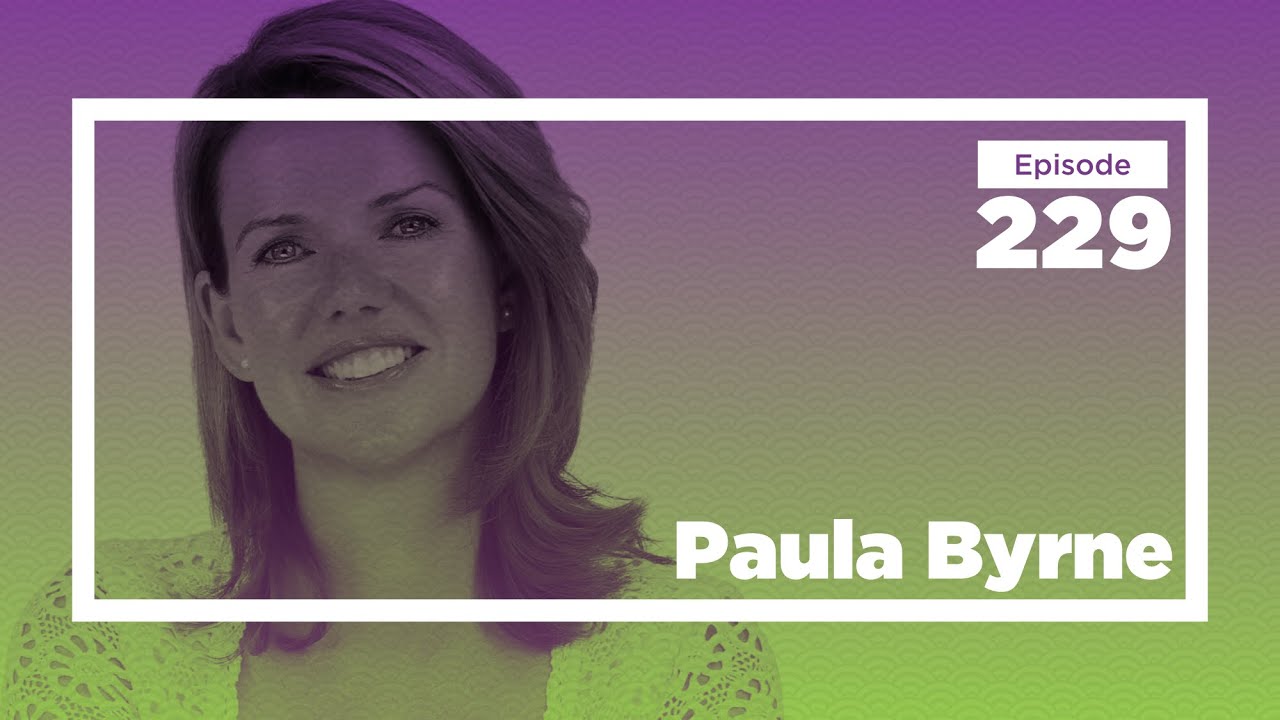
Paula Byrne talks with Tyler Cowen about literary biography, reading Thomas Hardy beyond the best-known novels, Jane Austen's theatrical influences and the choices made by screen adaptations. These notes cover selected literary passages, not the entire interview. Counseling, teenage mental-health discussion and political-history arguments are omitted and no therapeutic advice is offered. Claims about writers' motives and influence are Byrne's interpretations. Full official transcript: https://conversationswithtyler.com/episodes/paula-byrne/ . Topic labels are untimed.
Key Takeaways
A place can prompt a biographical question
Byrne recalls visiting Hardy's home and feeling the contrast between his study and Emma's attic room. The visit helped generate the idea for her book. This is the account of how her investigation began, not proof that a room reveals every private motive.
Read the work in chronological order
Before writing her Hardy biography, Byrne read everything in order, as she had done with Evelyn Waugh. She values that sequence because it makes growth visible. Familiar highlights alone would not provide the same view of change over a writing life.
The minor work can disrupt the usual picture
She finds Hardy's lesser-read novels interesting and singles out Two on a Tower. She also urges readers to revisit the early poetry, whose voice struck her as fresh. These recommendations complicate a picture built only from the most famous novels.
Biographical motives remain interpretations
Byrne reads links between Hardy's relationships and his writing, including his desire to be remembered as a poet. Such a reading can connect life and work without becoming certain access to the writer's mind. Her explanations should stay attributed to her.
Theater offers a model for comic timing
Byrne argues that Austen's reading, viewing and home performance of farces helped shape her comedy. Dialogue in Pride and Prejudice and Austen's reading aloud matter to that argument. The influence concerns timing and performance, not only plot borrowing.
Austen's humor can be lost in adaptation
Byrne praises Clueless for getting the comedy right. Her emphasis pushes back on adaptations remembered mainly for clothes and large houses. Fidelity to a writer's comic effect is one criterion, separate from copying every period detail.
Revisiting can change an artistic judgment
She describes returning to a Mansfield Park film she once found exciting and becoming more disappointed. An earlier response does not have to remain permanent. She can still value particular risks in the film while judging the whole differently.
The Conversation Breakdown
The beginning of a biography
⏱ Untimed topicByrne explains how Hardy's home helped suggest a book about the women in his life. The notes separate her response to the rooms from claims of certainty about his motives.
Reading beyond the familiar Hardy
⏱ Untimed topicChronological reading lets her see development across the work. She recommends minor novels and early poetry as ways to encounter a less familiar Hardy.
Life, writing and interpretation
⏱ Untimed topicShe connects Hardy's relationships and poetic ambitions with the work. Those connections are biographical readings, not a substitute for independent evidence of every private intention.
Austen in a theatrical world
⏱ Untimed topicFarce, performance at home and spoken dialogue are central to Byrne's explanation of Austen's comic timing. She stresses the humor that readers and adaptations can overlook.
What an adaptation preserves
⏱ Untimed topicByrne values Clueless for its comedy and discusses a changed response to a Mansfield Park adaptation. A film may take useful risks yet miss other qualities she values in the book.
Core Frameworks & Ideas
Chronological reading
Use sequence to see how a writer's interests and technique develop instead of constructing a career from a few famous titles.
Performance-aware reading
Listen for timing, dialogue and the spoken effect of a scene alongside its descriptive prose.
Attributed biography
Distinguish what the biographer documents from what the biographer interprets about a person's motives.
Actionable Next Steps
- ✓Read an early and a late work by the same author, noting changes rather than only ranking them.
- ✓Choose one lesser-read work from an author you think you already know.
- ✓Read an Austen scene aloud and notice where its comic timing depends on dialogue.
- ✓When comparing a book with a film, identify which effect the adaptation preserves and which it changes.
Notable Quotes
“I really like the minor works, I find them interesting, but above all, I really love the poetry.”
“For me, that was such a big and undervalued influence.”
“Clueless is the best adaptation because it’s so funny.”
The One Thing to Remember
Read beyond an author's familiar works and attend to the performance traditions that shaped how the writing sounds.