Explore curated summaries and key insights in Culture. Get the essence of each conversation in 5 minutes.
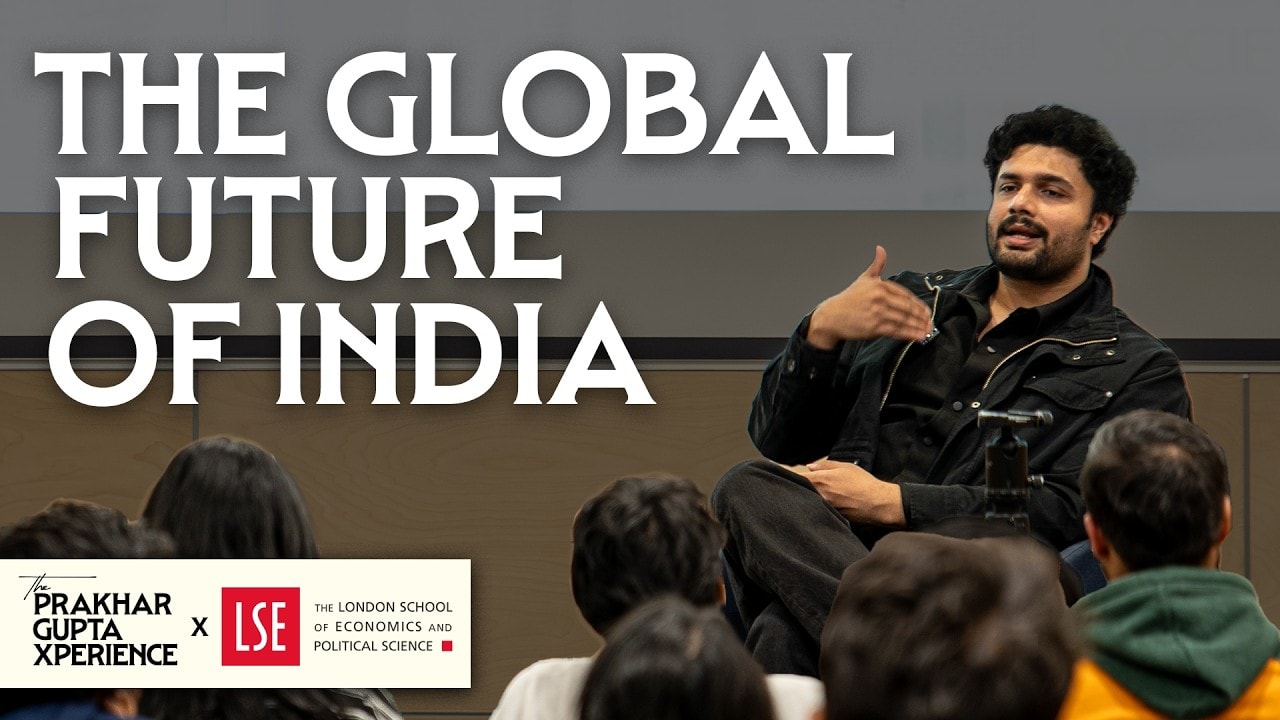
The Prakhar Gupta Xperience
Prakhar Gupta fields questions from LSE students on walking away from chartered accountancy to Columbia and podcasting, why intent (not talent) is India's missing link, scarcity psychology and crab-well thinking, a connected reading of Iran, BRICS, Ukraine's drone war, rare earths and H1B backlash, why he welcomes reverse brain drain, courage as the last alpha in the AI age, Goodhart's law in Indian education, the case against glorifying jugaad and the 'spirit of Mumbai,' and his definition of spirituality. FULL COVERAGE: notes span the entire episode (full ~1:00:39 audio transcribed, including audience Q&A). Sponsor: none stated in the episode. Geopolitical and economic readings are the host's personal opinions attributed to him; public figures referenced (Elon Musk, Sam Altman, Dario Amodei, Aravind Srinivas, Dipinder Goyal, Samay Raina and others) are discussed as the speaker's views as of November 2026. Nothing here is political, financial or career advice.
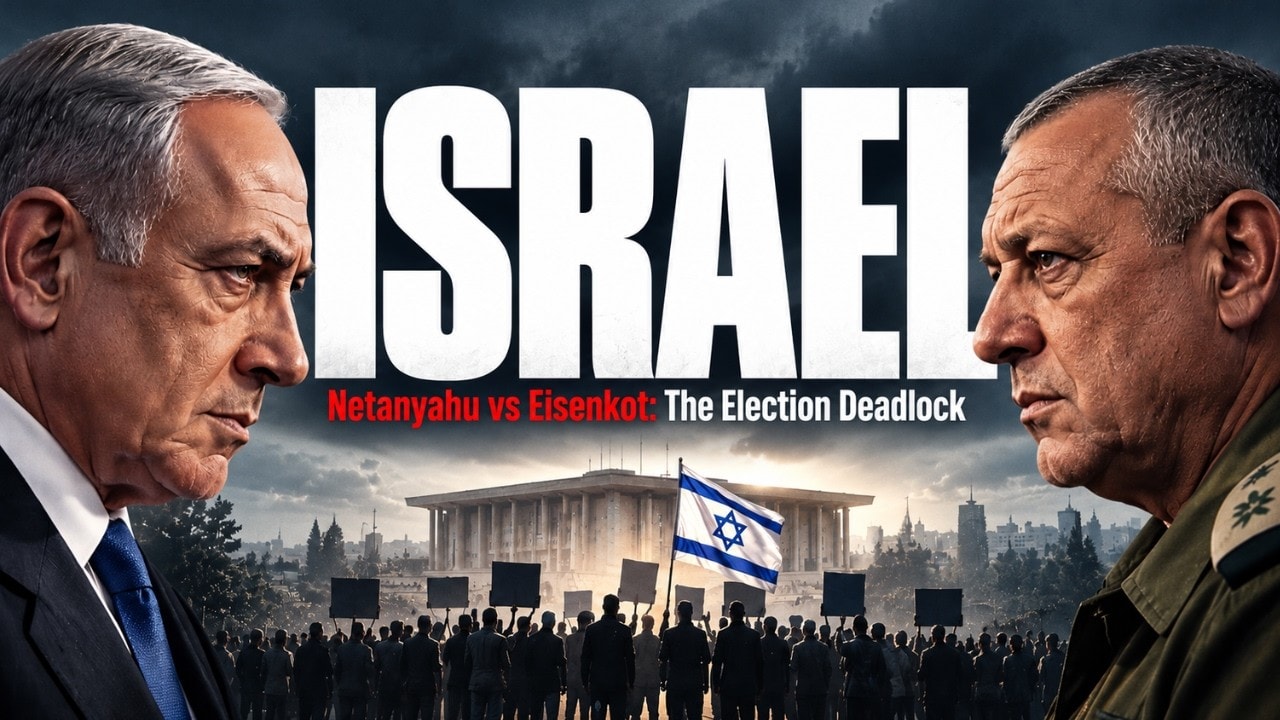
Think School: Indian Business Podcast
Think School breaks down Israel's most consequential election in decades - the first national vote since the October 7 Hamas attack - and why a country of barely 10 million people holds a lever over the price of gold, food, petrol and even Indian home-loan EMIs. FULL COVERAGE: notes span the entire video. Sponsor: Neurogum (Neuro Memory and Focus gum and mints). All results, figures and claims are as stated in the video; attribute them to the episode, not to us. The result as told: Netanyahu's bloc took 53 seats, challenger Gadi Eisenkot's bloc 48, and with the majority mark at 61, the Arab parties' record 19 seats - won on unprecedented turnout - make them the kingmakers in a Jewish state's first post-October-7 election. The episode explains Israel's paradox: a startup powerhouse with more NASDAQ-listed companies than any country outside China and the US, built atop one of the world's most unstable political systems - 37 governments in 78 years, five elections in under four years, three years without a national budget, and once an invented 'alternate prime minister' post. The cause, it argues, is pure proportional representation: 10% of the vote means 10% of the 120 seats, so a dozen parties squeeze in and coalitions of six can collapse overnight - contrasted with India's first-past-the-post system and its caste-politics incentives. Why the world watches: Israel is the region's most advanced military power, believed to have nuclear weapons, and its wars move global trade - Red Sea container traffic crashing about 90% when the Houthis attacked shipping, adding two weeks and 4-5x shipping costs, and Iran's February 2026 closure of the Strait of Hormuz (20% of world oil) triggering, in the video's telling, a historic oil shock. Why India watches harder: India is the biggest buyer of Israeli weapons, and the India-Middle East-Europe Economic Corridor - promising goods to Europe up to 40% faster and 30% cheaper - has its missing link running right through Israel. The two contenders agree on outcomes but not philosophy: Netanyahu wants regime change in Tehran and military pressure in Gaza; Eisenkot, his former army chief, calls regime change unrealistic and prefers targeted strikes, sanctions and a US-backed handover of Gaza to Palestinian technocrats. The sting: Eisenkot plus the Arab parties equals 67 seats, but he has publicly promised never to form a government with them - leaving three exits (break the promise, poach seats, or a unity government) or a sixth election in seven years.
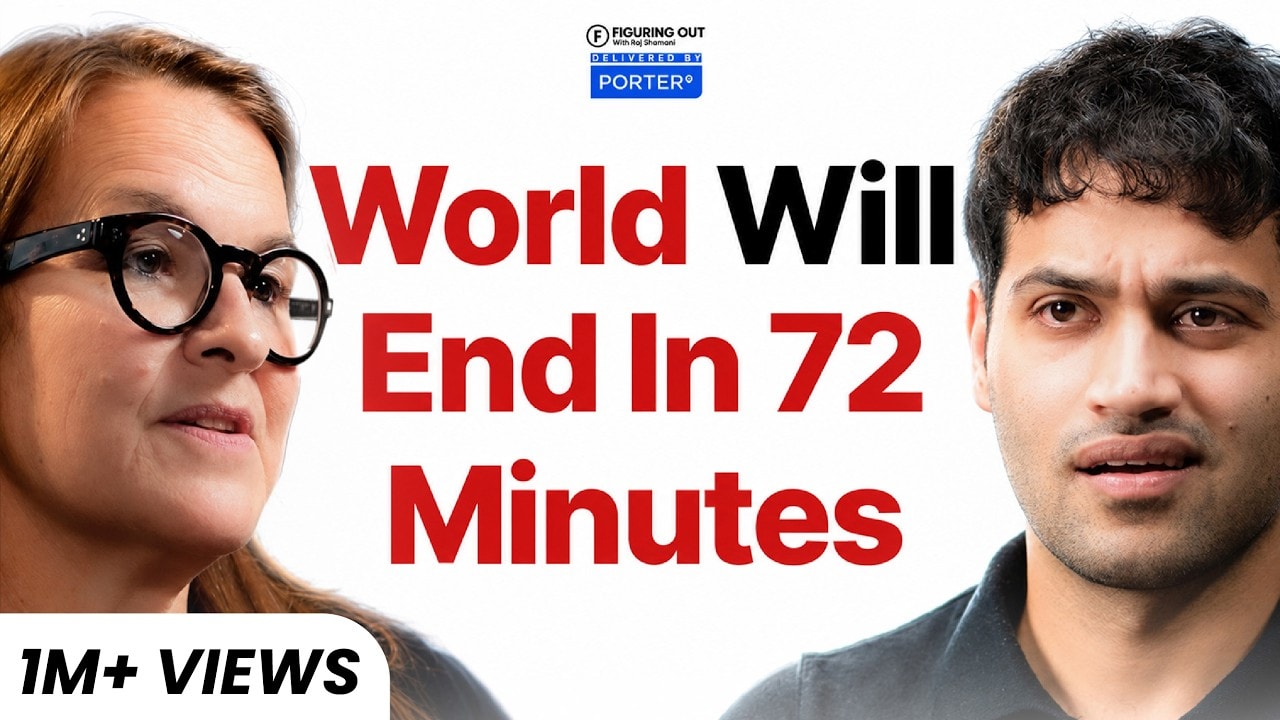
Figuring Out with Raj Shamani
Annie Jacobsen - investigative journalist and bestselling author of Nuclear War: A Scenario, Area 51 and Biological War - walks Raj Shamani through how civilization could end in 72 minutes. She explains fission versus fusion ('a thermonuclear bomb is so powerful, it uses an atomic bomb inside of itself as the fuse'), the numbers (about 12,500 nuclear weapons on the planet, 1,700 American ones on ready-for-launch, some airborne 60 seconds after a presidential order), and sole presidential authority: one person can authorize nuclear war without asking Congress, the defense secretary or anyone. She takes us minute by minute through her scenario - the six-minute decision window, launch on warning, the black book, the doomsday plane, the universal unlock code, 44 interceptor missiles with a 40-55% success rate, why US missiles aimed at North Korea must overfly Russia, and how that misunderstanding ends the world. Then the second half: why biological war scares the Pentagon more - 3,600 BSL-3/4 labs worldwide, no inspections because the weapons are illegal, a Soviet defector's confession that the plan was to 'kill everyone in the West and leave the infrastructure intact,' and the classified Devolution Plan to reconstitute the government after everyone dies. FULL COVERAGE: the captions appear to cover the entire episode. All accounts and claims are the guest's own reporting, not independently verified. Sponsor: Porter (title sponsor). Nothing here is professional or safety advice.

WTF is with Nikhil Kamath
Before the fame, what were they like? This Stitch'd montage rewinds to the childhoods of Ranbir Kapoor, Kriti Sanon and other well-known Indians from film, music, cricket and business. Ranbir Kapoor recalls Bombay Scottish, canes and duster-on-knuckles discipline, 54.3% in his 10th boards, dropping out of film school in New York and living on a $2 McDonald's menu for lunch and dinner because his father kept him on a tight budget. Kriti Sanon describes being an extremely shy, stage-frightened firstborn who hid in her mother's dupatta - until dance (five years of kathak at Kathak Kendra) gave her a stage. A rapper remembers being a government sub-divisional officer in Himachal Pradesh while writing for an underground Honey Singh; a composer raised by a single mother who rented out his late father's instruments; a cricketer from Mangalore who picked up a plastic bat at two and a half; and a founder from Indore who scaled his father's detergent business from 40 lakhs to ten times that in 18 months. FULL COVERAGE: the captions appear to cover the entire episode. The episode is a voice montage and does not always name each speaker on screen; these notes name only speakers confirmed by the video's title or clearly identifiable from the content itself, and quotes are verbatim from the captions. Sponsor: none stated in the episode. Nothing here is professional advice.
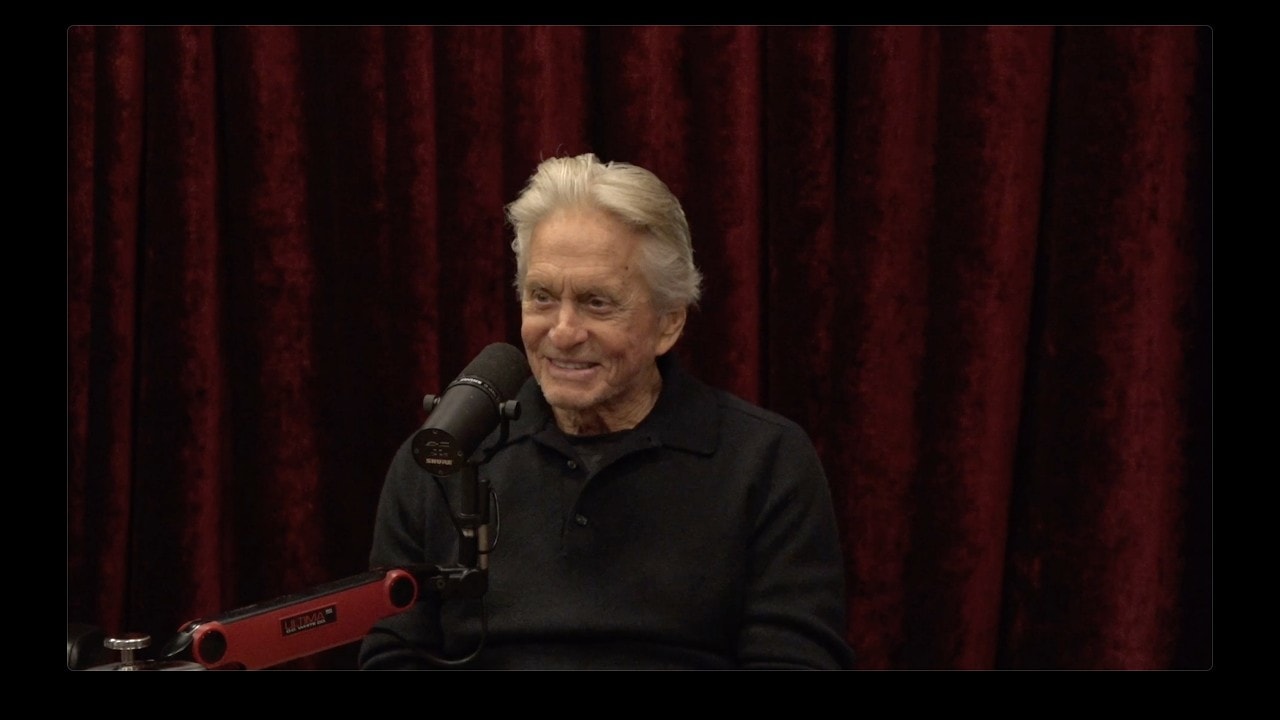
The Joe Rogan Experience
Michael Douglas joins Joe Rogan to talk about Falling Down thirty years on, his father's Hollywood career, the China Syndrome, how war and power repeat across generations, and where he thinks policing and politics are heading. Partial coverage: this note summarizes the opening portion of the roughly 2h10m conversation, and the political views are the speakers' own.
The Diary Of A CEO with Steven Bartlett
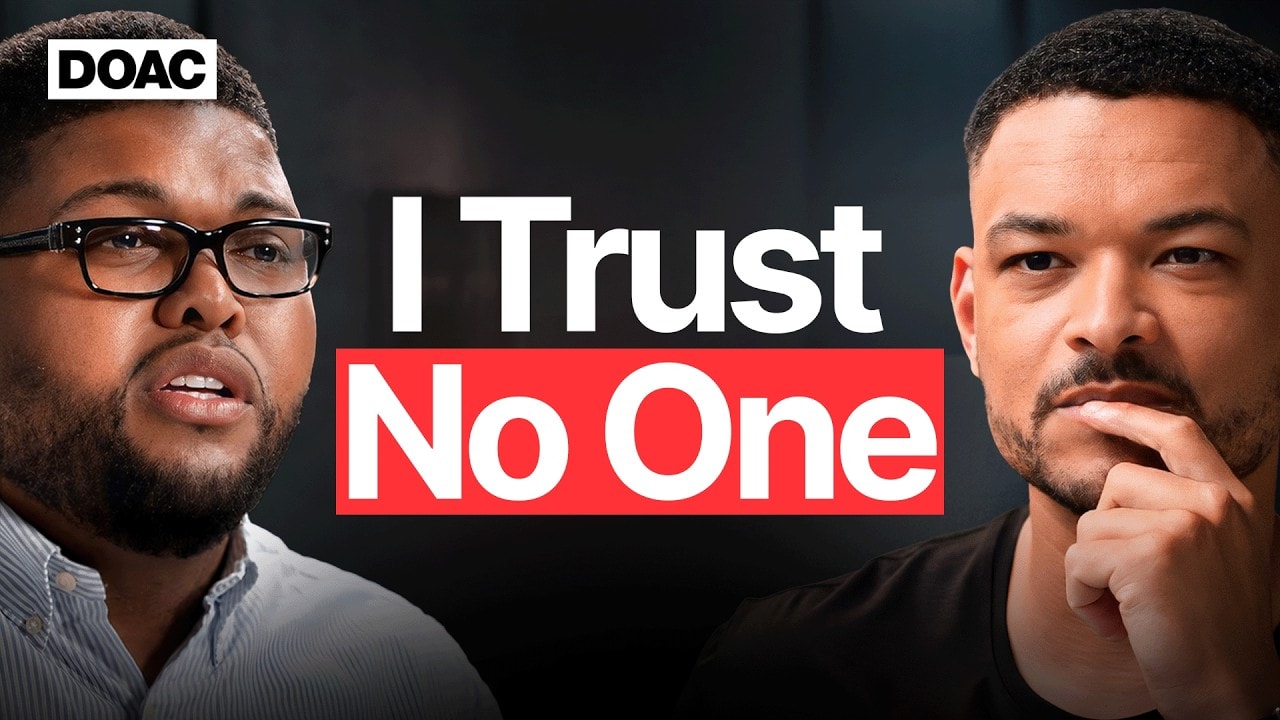
Content warning: childhood abuse and violence. Druski talks with Steven Bartlett about reading rooms as a child, forgiveness, college, depression and finding a direction in comedy. He describes the personal decisions and early work behind a career that can look like overnight success. His experiences are not a universal recovery path or a replacement for mental-health support.

Figuring Out with Raj Shamani
Raj Shamani asks author Robert Greene how presence, restraint and absence shape influence. Greene discusses the psychology of attraction, the difference between loving a fantasy and knowing a real person, and the years of effort behind his books. These notes describe his ideas about power and human behavior, not universal rules or a license to manipulate others.
The Diary Of A CEO with Steven Bartlett
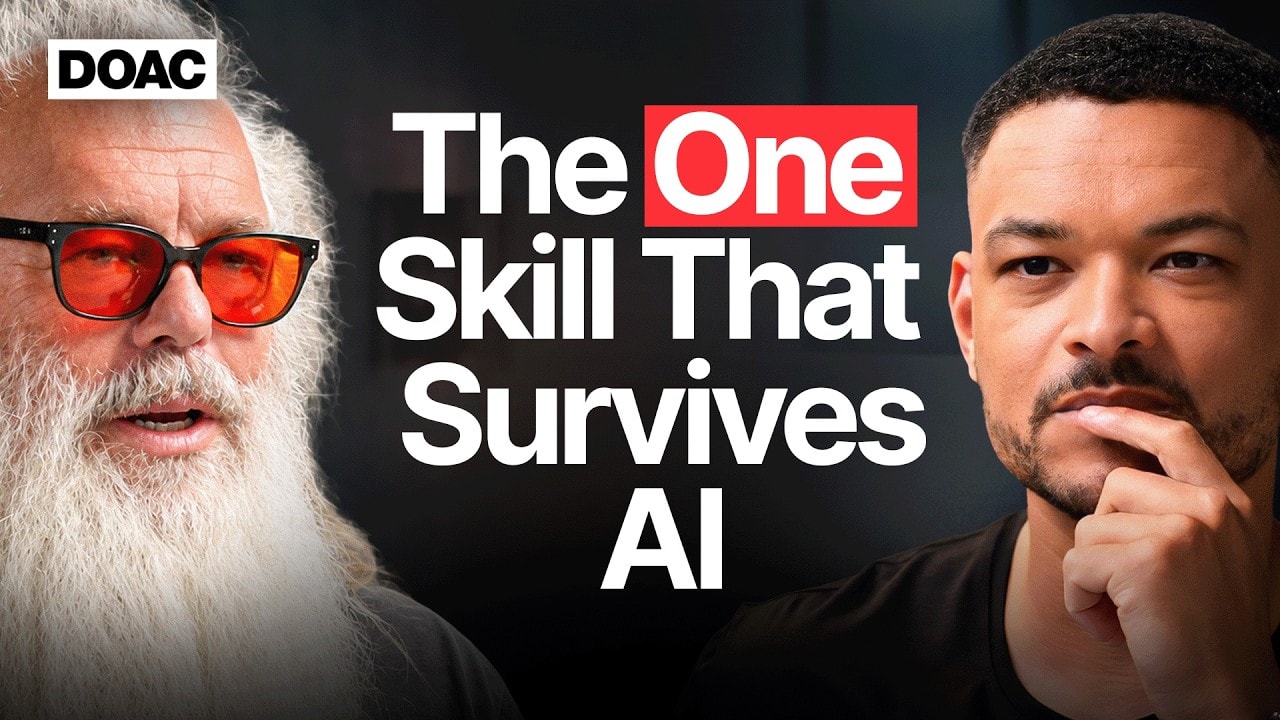
Rick Rubin joins Steven Bartlett to discuss personal expression, labels, creative risk and the four phases of making work. He describes meditation, comparison and the difference between a dream and a single job. His creative philosophy is presented as his experience, not a guarantee of commercial success or a universal life prescription.

Conversations with Tyler
Michael Moritz talks with Tyler Cowen about looking closely, writing, art and the career that took him from journalism into venture capital. These notes select visual art, literary learning, curiosity, career transitions and philanthropy-management passages. Political debate, historical and national generalizations, conflict and exile history, illness, mortality and AI discussion are omitted. Artistic judgments and accounts of business experience are attributed to Moritz, not offered as investment advice or universal explanations. Full official transcript: https://conversationswithtyler.com/episodes/michael-moritz/ . Topic labels are untimed.

Figuring Out with Raj Shamani
Aimen Dean - the Bahraini who joined the Bosnian jihad at 16, swore personal allegiance to Osama bin Laden at 19, trained in bomb making under al-Qaeda's legendary Abu Khabab, and then spent eight years spying on al-Qaeda for MI6 - tells Raj Shamani the whole story. He describes meeting bin Laden on August 4, 1996 ('he looked like a refugee... a hermit'), the handshake oath ('I give you my allegiance to listen to you, obey you, and never disobey you'), and the bomb camp where the first rule was 'in the art of bomb making the first mistake is your last mistake.' He explains how the 1998 Nairobi embassy bombing - 224 dead, 5,000 wounded by nails packed into the device - shattered his faith in the cause, how a 700-year-old fatwa about Mongol siege towers was being misused to justify killing civilians, and how he walked out via Doha into the hands of three recruiting intelligence agencies, choosing MI6. He covers the honey-and-Himalayan-salt business cover that ran for 33 months, the 2003 New York subway cyanide plot he helped foil, the 2006 Time magazine article that blew his cover in the middle of a Paris boat tour, and his framework for radicalization: victimhood, then empowerment, then action - and why it spreads 'like a virus' wherever laws are not enforced. FULL COVERAGE: the captions appear to cover the entire episode. All accounts and claims are the guest's own, not independently verified. Sponsor: Porter (title sponsor). Nothing here is professional advice.
The Joe Rogan Experience
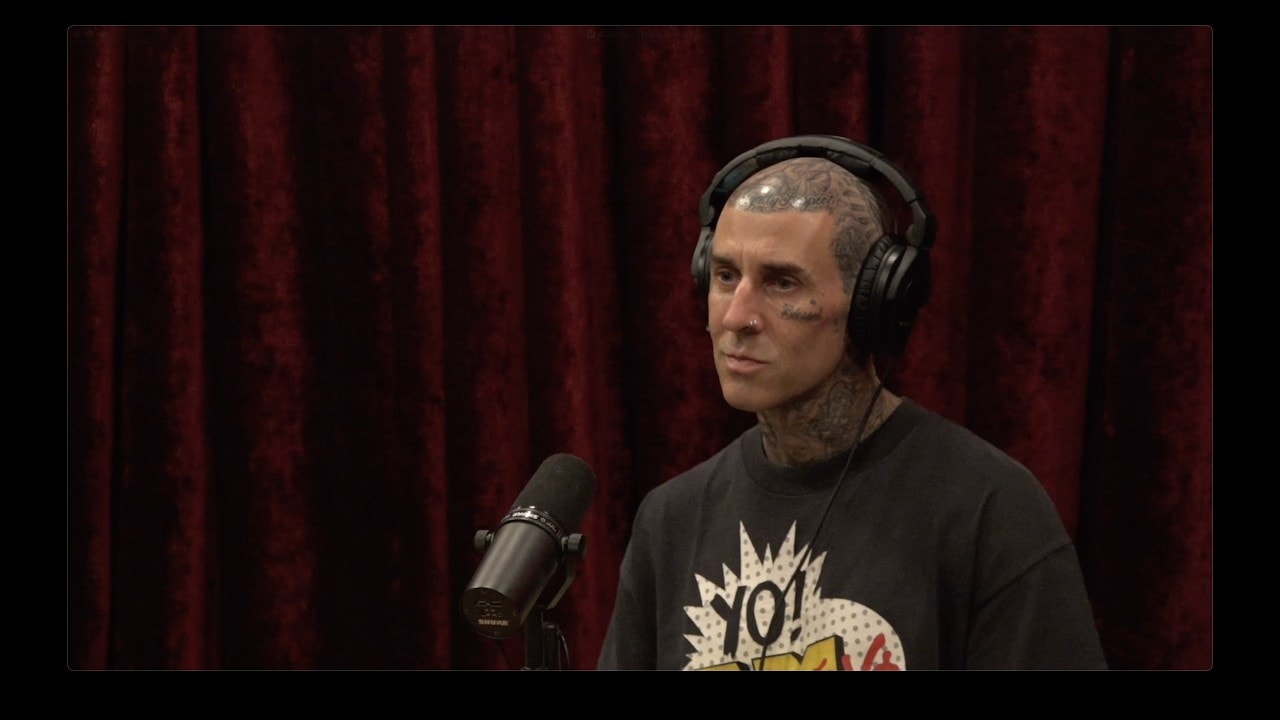
Blink-182 drummer Travis Barker joins Joe Rogan to talk about touring by ship after a plane crash, his documentary Louder Than Fear, resilience, and the formula of obsession and process. Partial coverage: this note covers the opening portion of the roughly 2h30m episode; the views are the speakers' own.

Figuring Out with Raj Shamani
Geopolitical analyst Prof. Jiang Xueqin tells Raj Shamani why he believes the world order is a lie - and lays out his framework for how power really works: occultists who imagine the plan, financiers who fund it, and politicians who implement it. He walks through his interpretation of the Epstein mysteries, the three pillars of America's National Defense Strategy (Western Hemisphere control, maritime chokepoints, conflict in Eurasia), why he thinks America cannot be defeated in a war, his domino theory of imperial decline, and why he predicts complete global collapse within 50 years - plus chess vs Go as civilizational strategy, the resource trap, and which nations he thinks rise by 2035. IMPORTANT: the theories, interpretations and predictions in this episode are entirely Prof. Jiang's own - he himself calls parts of his narrative speculation and offers falsifiable predictions to test it. They are presented here as his views, not established fact, and several claims are contested or unverified. FULL COVERAGE: the captions appear to cover the entire episode. Sponsor: ASUS ExpertBook (Flipkart). Nothing here is professional, financial or political advice.

Figuring Out with Raj Shamani
John Sipher spent 28 years in CIA operations - recruiting spies, running the Russia desk as deputy, serving undercover across Russia, Asia and Pakistan. On Figuring Out, he tells Raj Shamani how the Agency really works (a small spy side, a university-sized analytic side, and 70-80% of clandestine reporting from partner services), why security services like Russia's, China's and Pakistan's behave so differently, why he believes the US is losing the trust that made it powerful, and why he calls China the biggest long-term challenge - a country that doesn't need a war to win. He walks through the full recruitment cycle (spot, assess, develop, recruit, handle, terminate), the big-data 'targeter' revolution, the cops-vs-robbers FBI/CIA culture clash, his profile of Vladimir Putin's Chekist mentality, and the brick from Osama bin Laden's compound behind his desk. All assessments and opinions in this episode - including his sharp criticism of Donald Trump and current US politics - are Sipher's own views as a private citizen and former officer, not official positions. FULL COVERAGE: the captions appear to cover the entire episode. Sponsor: none stated. Nothing here is professional, legal or political advice.
The Joe Rogan Experience
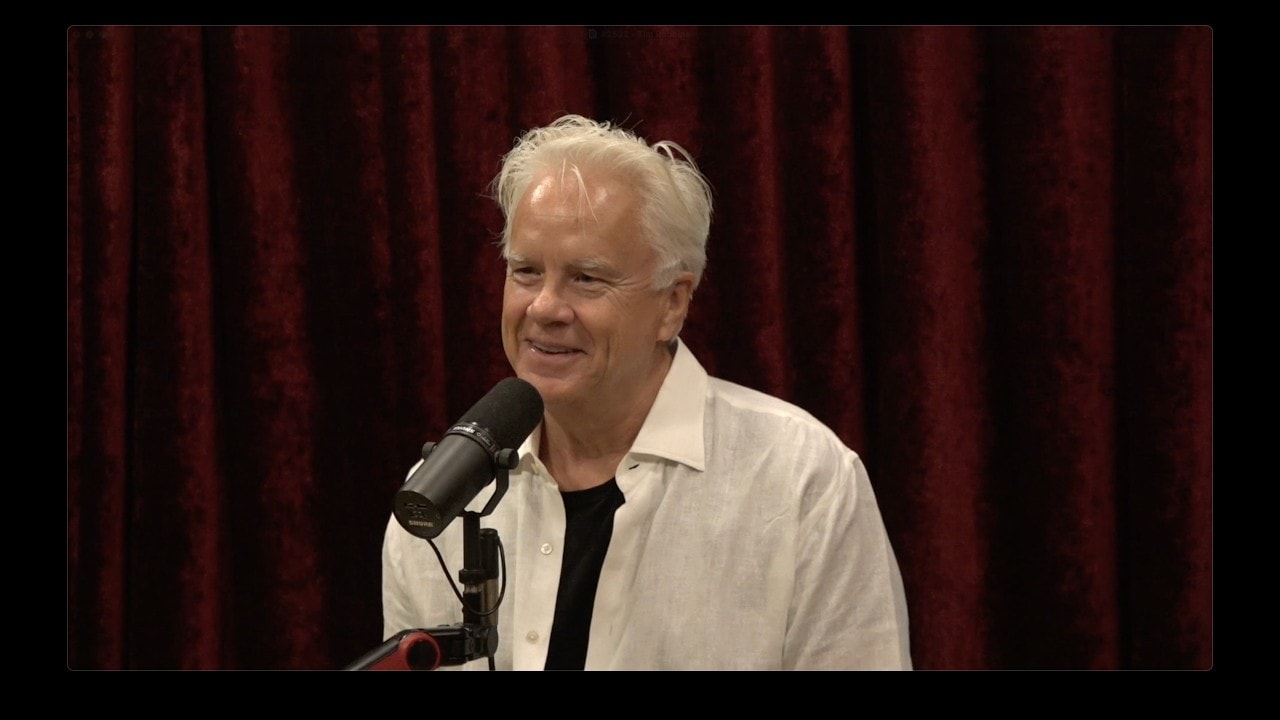
Tim Robbins joins Joe Rogan to talk about Stephen King's novels and The Shining, how people fall into group thinking out of fear, and why saying I don't know has been liberating for him. Partial coverage: this note covers the opening portion of the roughly 2h30m episode; the views are the speakers' own.

Conversations with Tyler
Andrew Graham-Dixon argues that careful looking and historical context can change how familiar paintings are understood. He discusses Vermeer's delayed fame, compares Rembrandt, Stubbs and Géricault, explains how repeat visits reveal overlooked details, and questions the way institutions protect established reputations. These notes focus on art, interpretation and the work of criticism. Religious doctrine, political analogies and historical casualty claims are outside this selection. The interpretations and market observations are the speakers' views, not independently verified findings or investment advice. The official full transcript is available at https://conversationswithtyler.com/episodes/andrew-graham-dixon/ . Topic labels below are editorial, not timed video chapters.
The Joe Rogan Experience
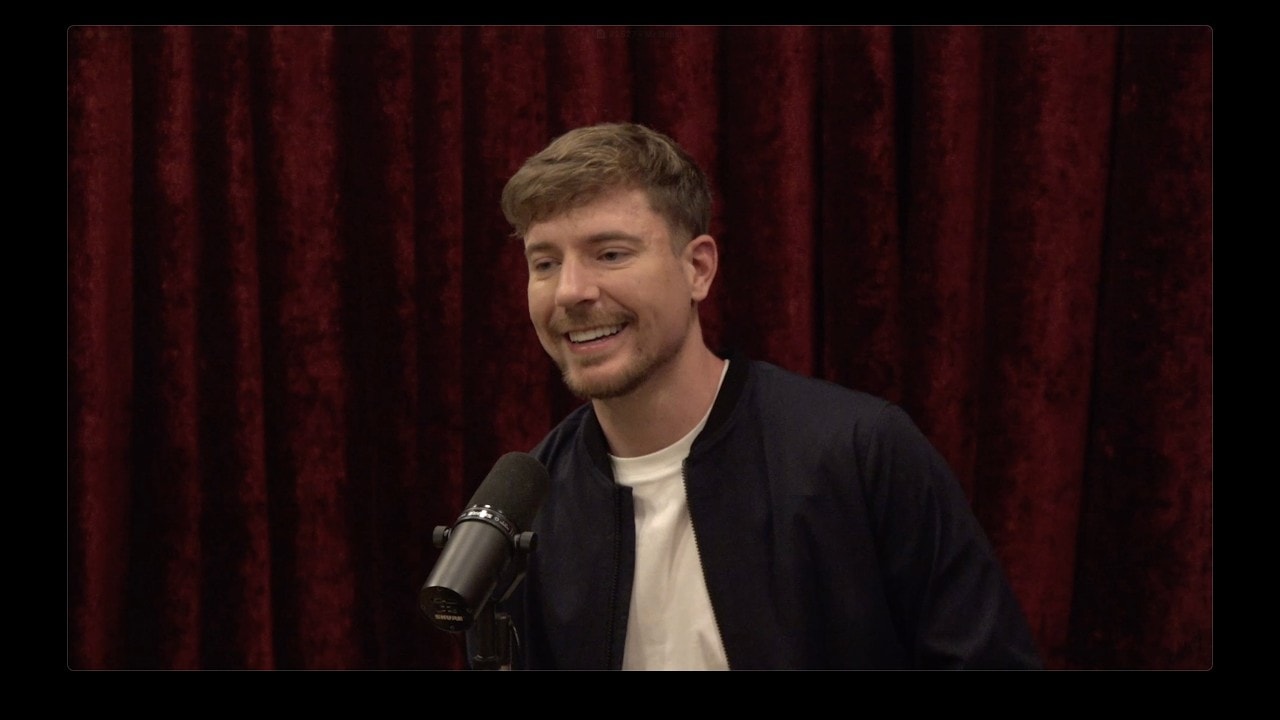
MrBeast (Jimmy Donaldson) joins Joe Rogan to talk about casting Beast Games contestants from around 200 countries, vetting them, how the show is budgeted, and the large-scale video concepts he is pitching, including a last-person-on-Earth city set. Partial coverage: this note covers the opening portion of the roughly 2h48m episode; claims are the speakers' own.

Figuring Out with Raj Shamani
Ashwini Bhide, IAS - Additional Municipal Commissioner of BMC and the MD who delivered Mumbai Metro's Aqua Line - joins Raj Shamani to explain how Mumbai really works. She covers who runs the city (BMC, BEST, MMRC, Railway Board), metro economics (900-1000 crore per kilometer, 300-350 crore per station, JICA soft debt, why private capital cannot build metros), and tunnelling under a living city with unmapped utilities and heritage structures above. She details the flood playbook (24 high-tide events, 6 crore metric tonnes of desilted naala waste, IoT pumps), why traffic's only answer is public transport (Tokyo moves 70-80% by metro), the 100-crore pothole budget and the utility-digging cycle, waste bio-mining and the 2035 waste-to-energy target, and why evacuating C1 buildings is always a legal action, never a heartless one. Sponsor: this episode includes a stated sponsor read for ASUS ExpertBook. Urban-policy views are the guest's professional opinions. Notes based on the publisher's full audio edition. FULL COVERAGE: these notes cover the complete episode from start to finish.
Figuring Out with Raj Shamani
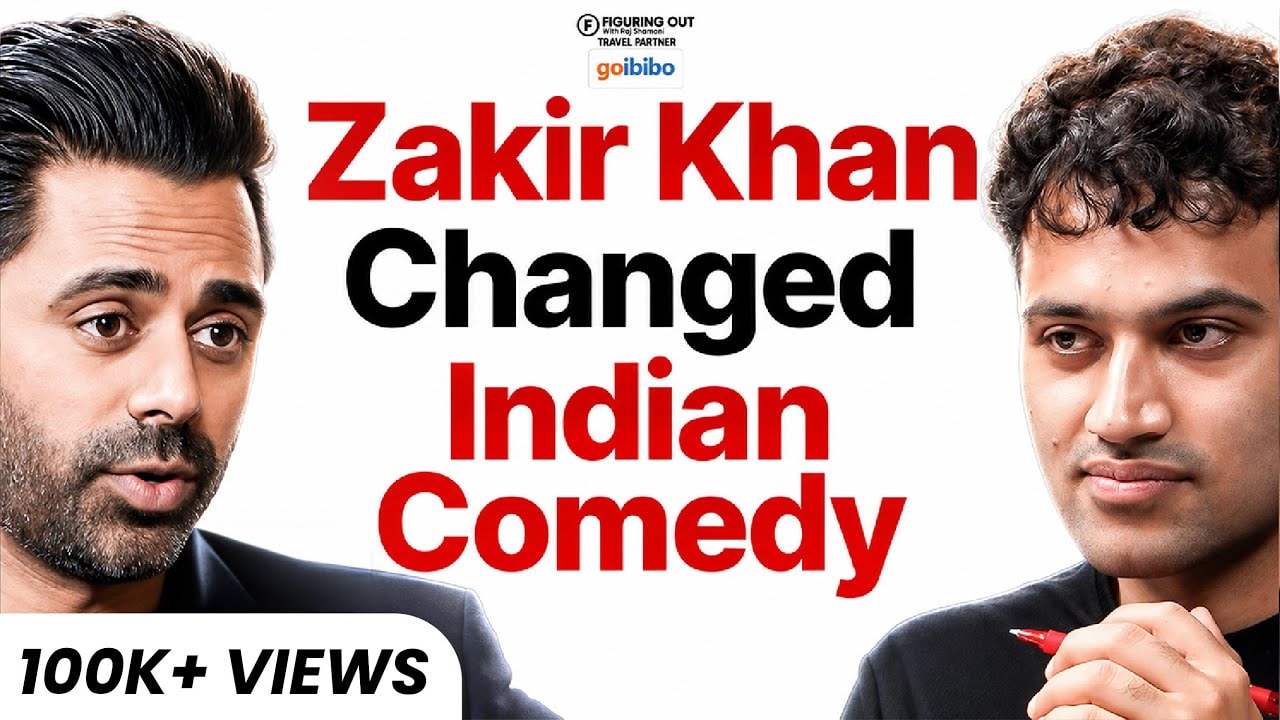
Raj Shamani talks with comedian and writer Hasan Minhaj about what it means to succeed abroad as an Indian, why stand-up in New York shaped him, where his drive comes from, and how his relationship with money and risk changed. Hasan also explains why he would not want his kids to follow his career, why choosing uncertainty can be rational, and what he wants his children to feel about his success. A warm, candid conversation about family, ambition and creative work.

Figuring Out with Raj Shamani
Ranjit Bajaj - former owner of Minerva Punjab FC and one of Indian football's most outspoken insiders - joins Raj Shamani to answer why a country of 1.4 billion cannot produce 11 World Cup players. He covers the missing stadiums and state leagues, federation politics and deflected blame, the match-fixing he says he filmed (FIRs followed), pay-to-play selections, and the 24-lakh astrologer cheque - then contrasts it with his own academy, which won national titles and put nine players in India's 2017 under-17 World Cup squad on 5.5-7.5 lakh per kid per year. He also shares his performance system (myelin, sleep cycles, cryo and hyperbaric recovery) and his mindset code (fear extinction, process over results, learning to lose, never playing it safe). Claims about individuals, federations and specific events are the guest's own assertions. Sponsor: this episode includes a stated sponsor read for Porter (title sponsor). Notes based on the publisher's full audio edition. FULL COVERAGE: these notes cover the complete episode from start to finish.
The Joe Rogan Experience
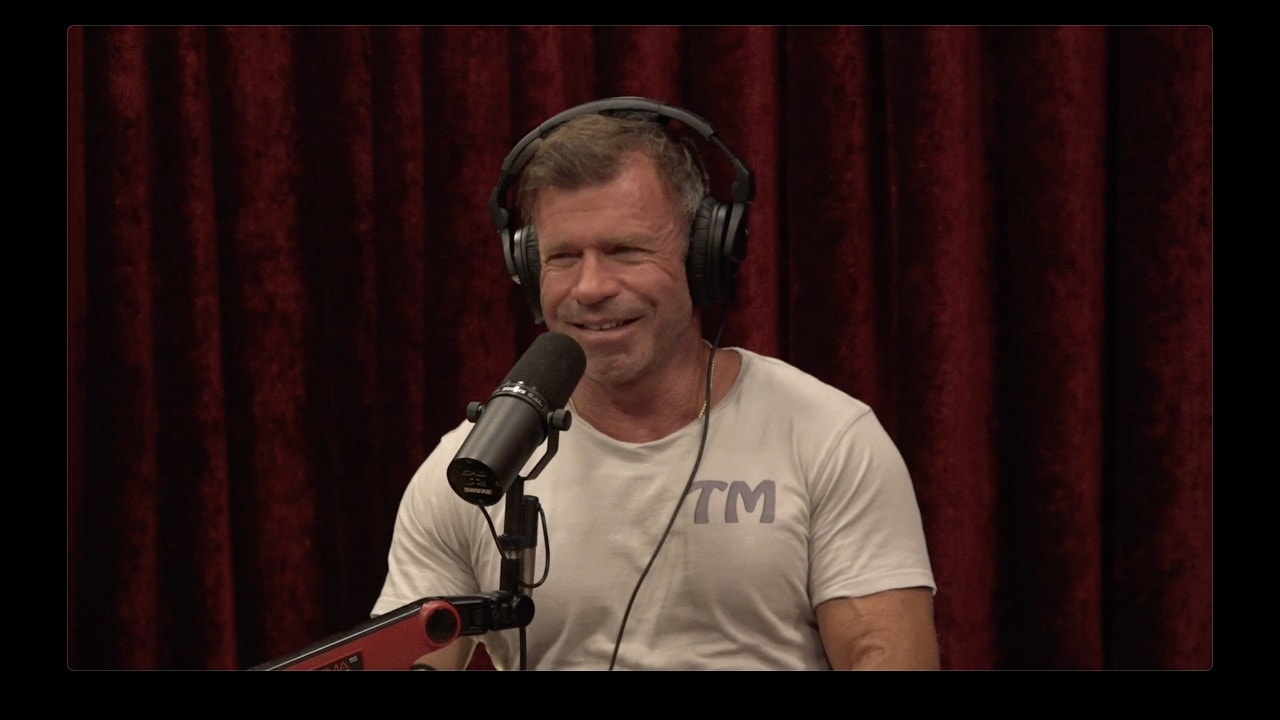
Writer and director Taylor Sheridan joins Joe Rogan to talk about horses and how they perceive the world, ranch life with distant camps and town trips, and why the cowboy lifestyle resonates. Partial coverage: this note covers the opening portion of the roughly 2h43m episode; the views are the speakers' own.

Think School: Indian Business Podcast
Vikas Khanna talks with Ganesh Prasad about the road from Amritsar to New York, homelessness, his sister's belief in him, and building Bungalow around Indian hospitality rather than fast expansion. English notes based on Hindi and English speech rendered in Hindi auto-captions. Brief quotes are translated caption excerpts, not verified verbatim English audio. Source captions: https://youtubetotranscript.com/transcript?v=_Uj6BXaQx9I. YouTube lists Odoo as a sponsor. Personal stories, attendance figures and business claims are the speakers' accounts, not independently checked.
Figuring Out with Raj Shamani
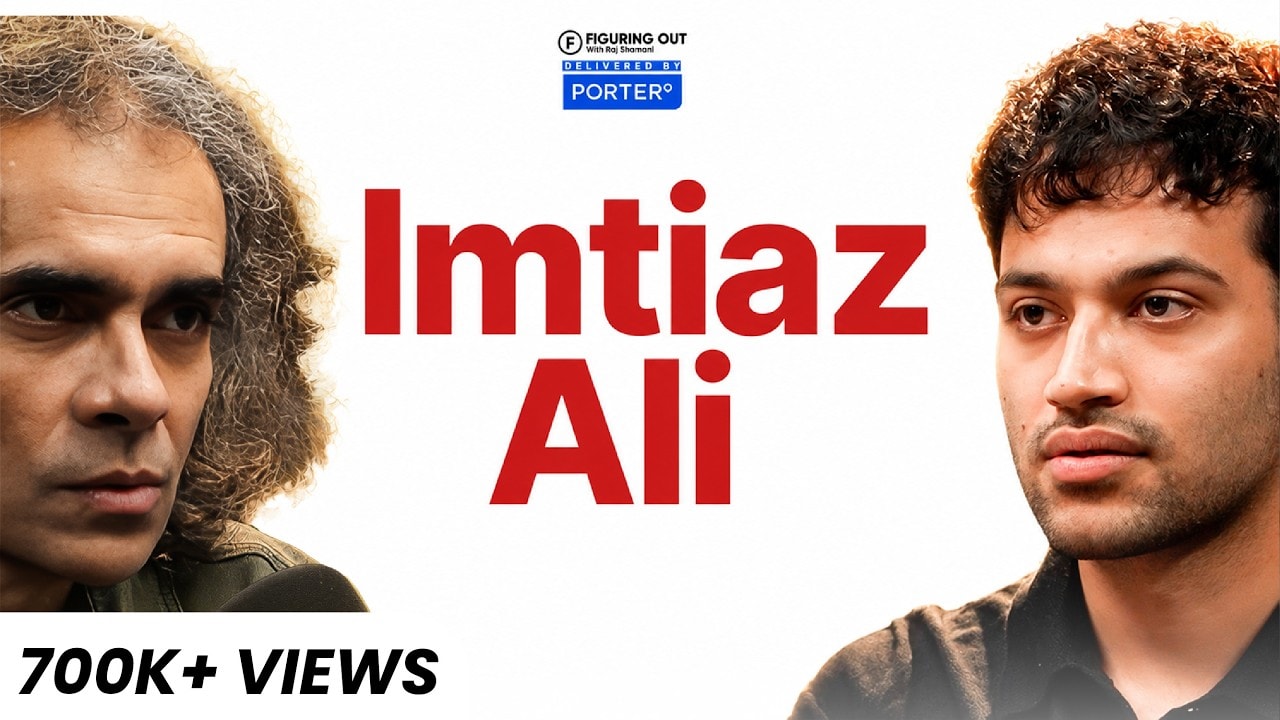
Imtiaz Ali - writer-director of Rockstar, Tamasha, Jab We Met and Highway - joins Raj Shamani for a deep conversation on love, longing and filmmaking. He explains why his characters run away and chase fantasy, why his heroines find the man while the man finds himself, how failing in college rewired him, why Rockstar became a cult after flopping, the unscripted concert shot with a live crowd, and why Jordan's curse is staying alive. He also walks through his oral-first writing process, casting Alia Bhatt and Diljit Dosanjh on 'soul match', and his take on modern dating vocabulary. Creative readings of his films are the guest's own interpretations. Sponsor: this episode includes a stated sponsor read for Porter (title sponsor). Notes based on the publisher's full audio edition. FULL COVERAGE: these notes cover the complete episode from start to finish.
Figuring Out with Raj Shamani
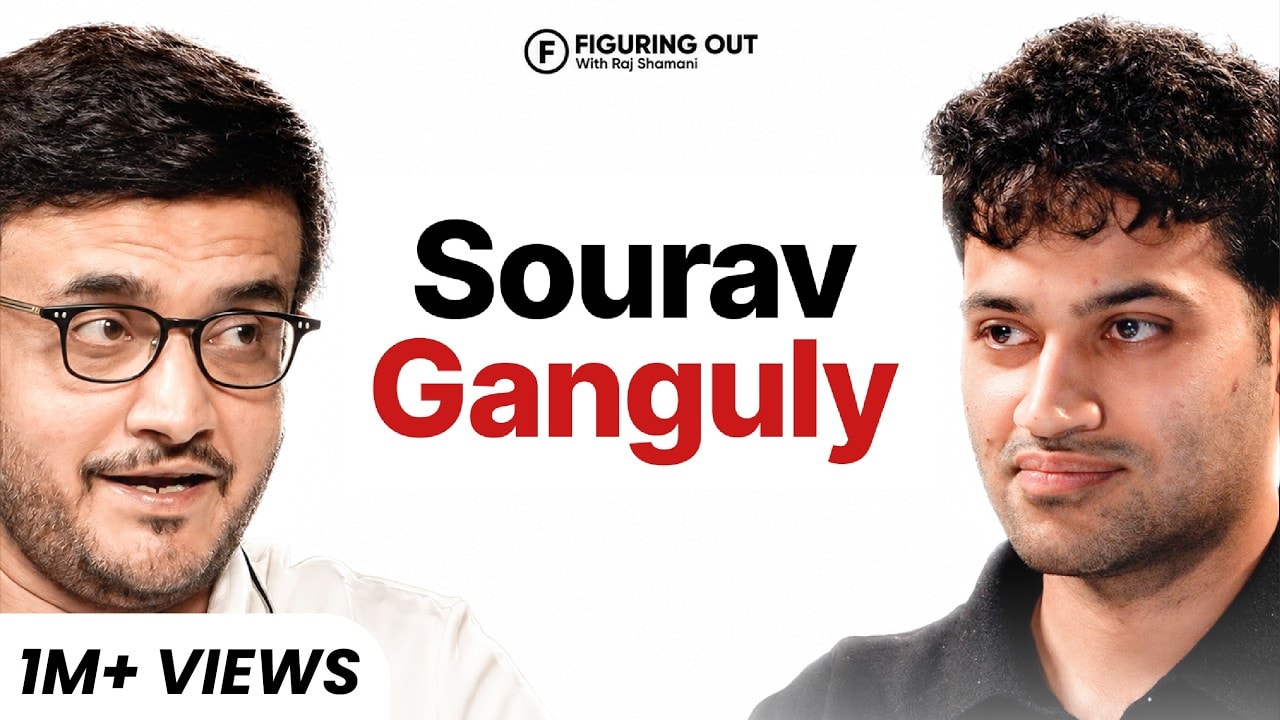
Sourav Ganguly - former India captain and BCCI president - joins Raj Shamani on leadership, team building and life after cricket. He revisits the 2000 captaincy after the match-fixing scandal, backing Sehwag, Yuvraj, Harbhajan and Dhoni, his most unusual call (Sehwag opening), why he never criticized players publicly, aggression versus anger, the Chappell years and the 2007 T20 World Cup he does not regret missing. He also shares his visualization routine from a Desmond Haynes book chapter, his father's discipline and death, his January 2021 cardiac event, and his advice on money and value. Accounts of selection rooms, matches and conversations are the guest's own recollections. Sponsor: none stated in this episode. Notes based on the publisher's full audio edition. FULL COVERAGE: these notes cover the complete episode from start to finish.

Conversations with Tyler
Bob Spitz and Tyler Cowen discuss the Rolling Stones' apprenticeship, original songwriting, complementary roles and long working relationship. Spitz also describes the craft of biography: gather the material, write through the story, accept large editorial cuts and keep the research safe. These are selected music, teamwork and writing passages, not a full-episode summary. Political, medical, mental-health and AI passages are omitted. Historical anecdotes and judgments about artists are Spitz's account, not independently verified facts. Official full transcript: https://conversationswithtyler.com/episodes/bob-spitz/ . Topic labels are editorial and untimed.
The Joe Rogan Experience
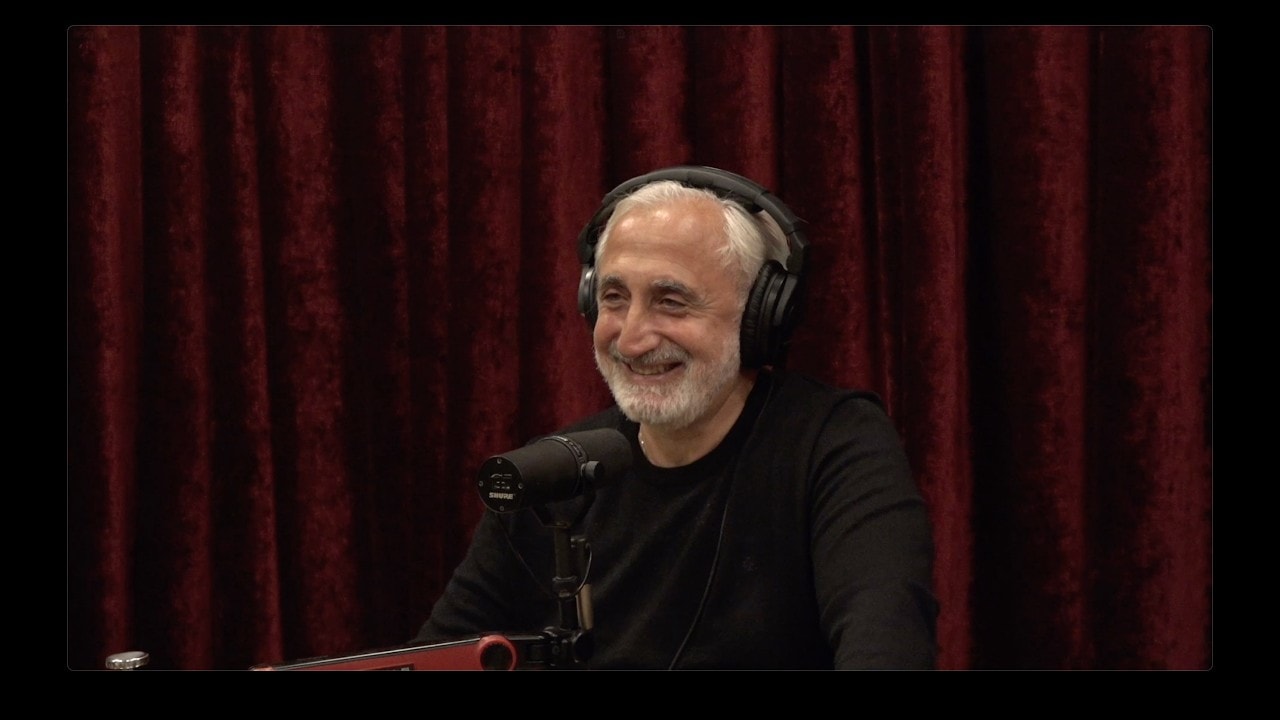
Gad Saad introduces his argument about empathy, emotion and ideology, and Joe Rogan questions some examples and interpretations. Selected opening-caption coverage through cultural theory of mind. This is an attributed account of a contested political framework; claims about groups, criminal cases and clinical mechanisms are not established facts.
Figuring Out with Raj Shamani
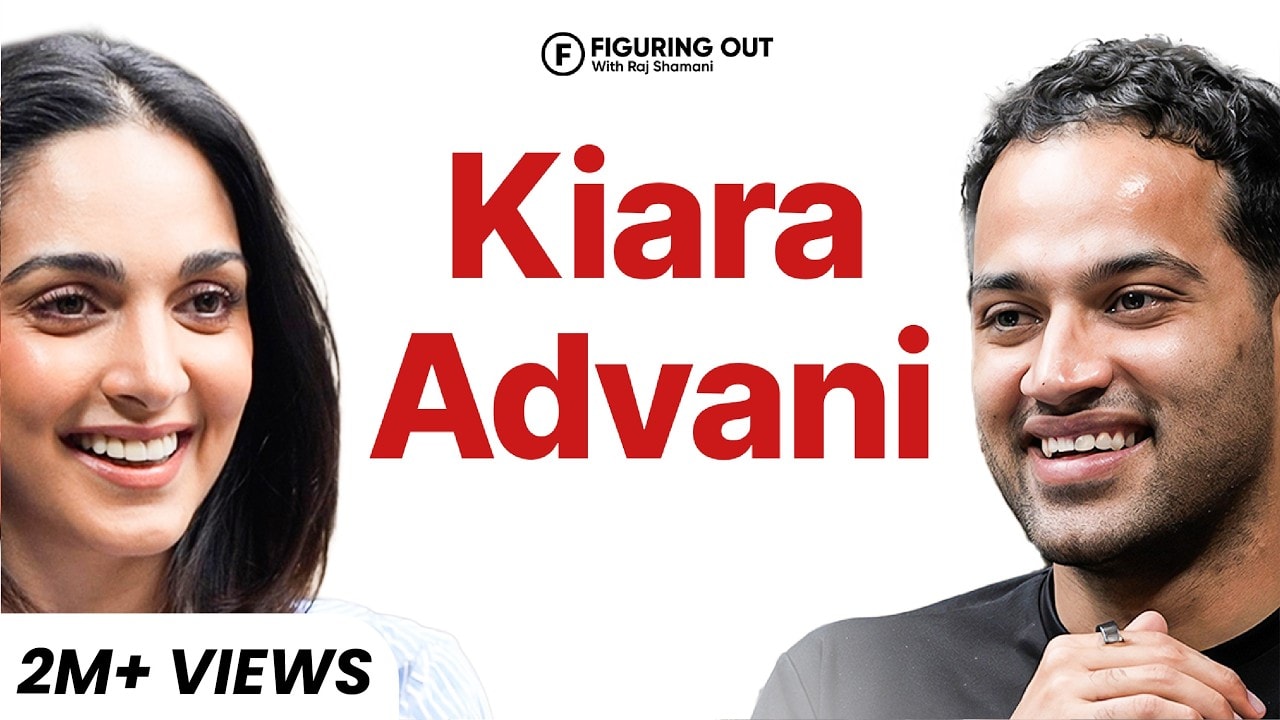
Kiara Advani joins Raj Shamani for a personal conversation on marriage, motherhood, relationships and Bollywood. She opens up about postpartum and the identity shift of new motherhood, the five-year lull before Kabir Singh, the Lust Stories call from Karan Johar, how she learned to switch between character and home, breaking the people-pleasing pattern with the facts-versus-opinions filter, why she and Sidharth Malhotra kept their relationship private, and how she wants to raise her daughter. Personal experiences and views shared are the guest's own. Sponsor: none stated in this episode. Notes based on the publisher's full audio edition. FULL COVERAGE: these notes cover the complete episode from start to finish.

Figuring Out with Raj Shamani
Sociologist Shekhar joins Raj Shamani to discuss how America and globalization are changing India - its culture, jobs, relationships and identity. He argues prosperity drives service quality and social openness, explains the shift from identity-based to interest-based relationships, and reads America and China through national interest and execution. Views and analysis expressed are the guest's own. Sponsor: none stated in this episode. Notes based on the publisher's full audio edition. Episode is largely in Hindi; notes are in English. FULL COVERAGE: these notes cover the complete episode from start to finish.
Figuring Out with Raj Shamani
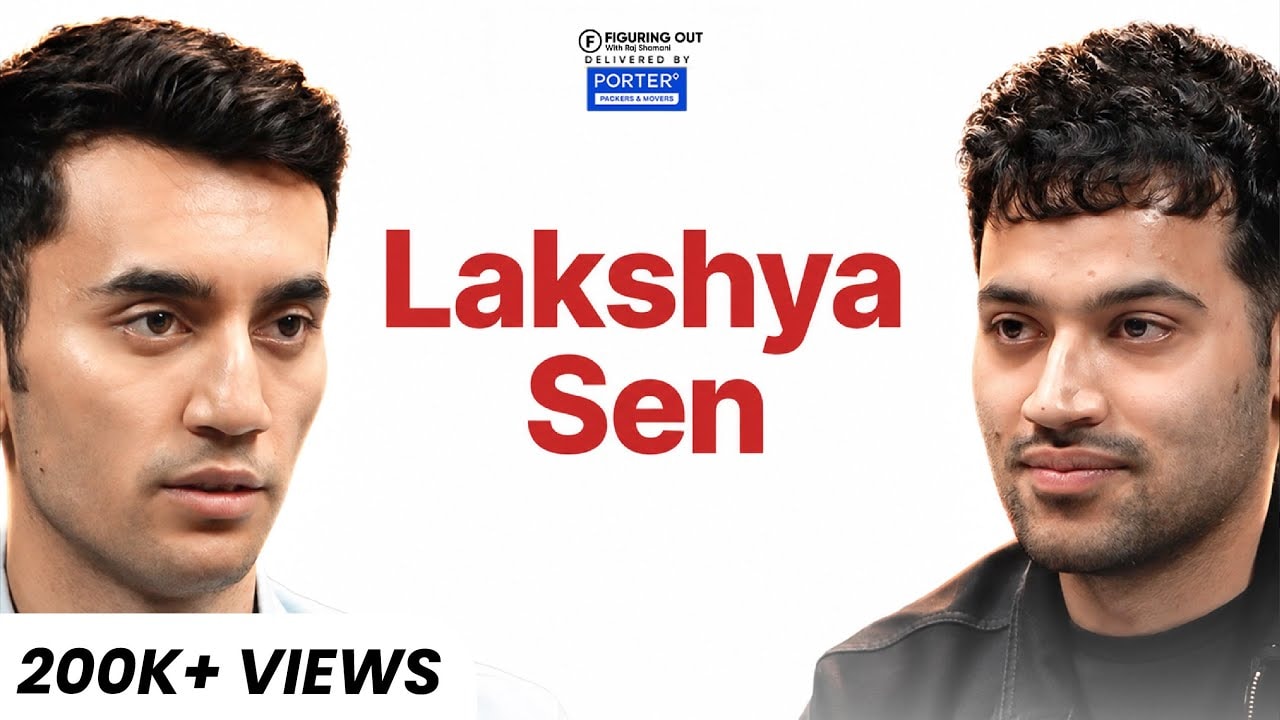
Lakshya Sen - India's badminton star and Paris 2024 Olympic semifinalist - joins Raj Shamani on the champion mindset. He covers the arrogance-respect balance every athlete needs, playing the Istora cauldron in Indonesia, his exact match-day system (warm-up heart-rate spikes, breath resets, wind-end strategy), the Paris bronze match he fought at 20-10 down, the two-month blank after the Olympics, the mental trainer who made him visualize losing, the rankings treadmill, and the father who coached him from Almora to the world's top - plus the Arjuna Award court case that reached the Supreme Court. Match accounts and selections described are the guest's own recollections. Sponsor: this episode includes a stated sponsor read for Porter (title sponsor). Notes based on the publisher's full audio edition. FULL COVERAGE: these notes cover the complete episode from start to finish.

The Joe Rogan Experience
Priyanka Chopra Jonas joins Joe Rogan to talk about long one-shot action scenes, treating fights like dance choreography, her first time training with blades, and the human timeline and oral tradition. Partial coverage: this note covers the opening portion of the roughly 2h25m episode; the views are the speakers' own.

Conversations with Tyler
Henry Oliver and Tyler Cowen discuss reading Shakespeare, disagreement between readers, Jane Austen's narrative technique, advertising and the difference between a famous book and one people actually read. Oliver argues that literature changes a reader only when the reader actively thinks with it. These notes cover selected literary and advertising passages. Political, medical and mental-health discussions, including crisis examples in the late-bloomer section, are omitted. Interpretations, author rankings and claims about advertising are the speakers' views rather than established consensus. Official full transcript: https://conversationswithtyler.com/episodes/henry-oliver/ . Topics are untimed editorial labels.
People by WTF
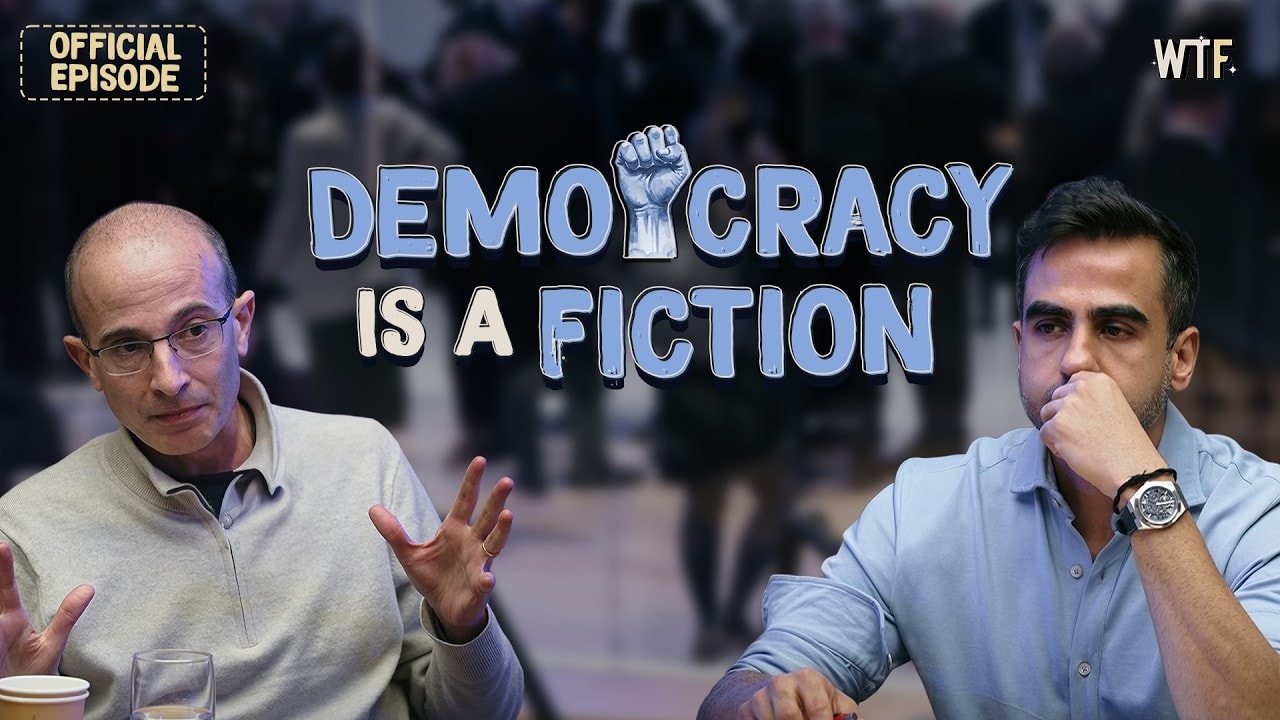
At Davos, Nikhil Kamath asks historian Yuval Noah Harari about shared stories, religion, power, democracy and AI. Harari argues that cynical thinking can excuse dishonesty, engagement metrics can damage public trust, and understanding suffering is a better guide than imagining a fixed role in a cosmic drama. Political judgments in these notes are his views, not settled facts.
On Purpose with Jay Shetty
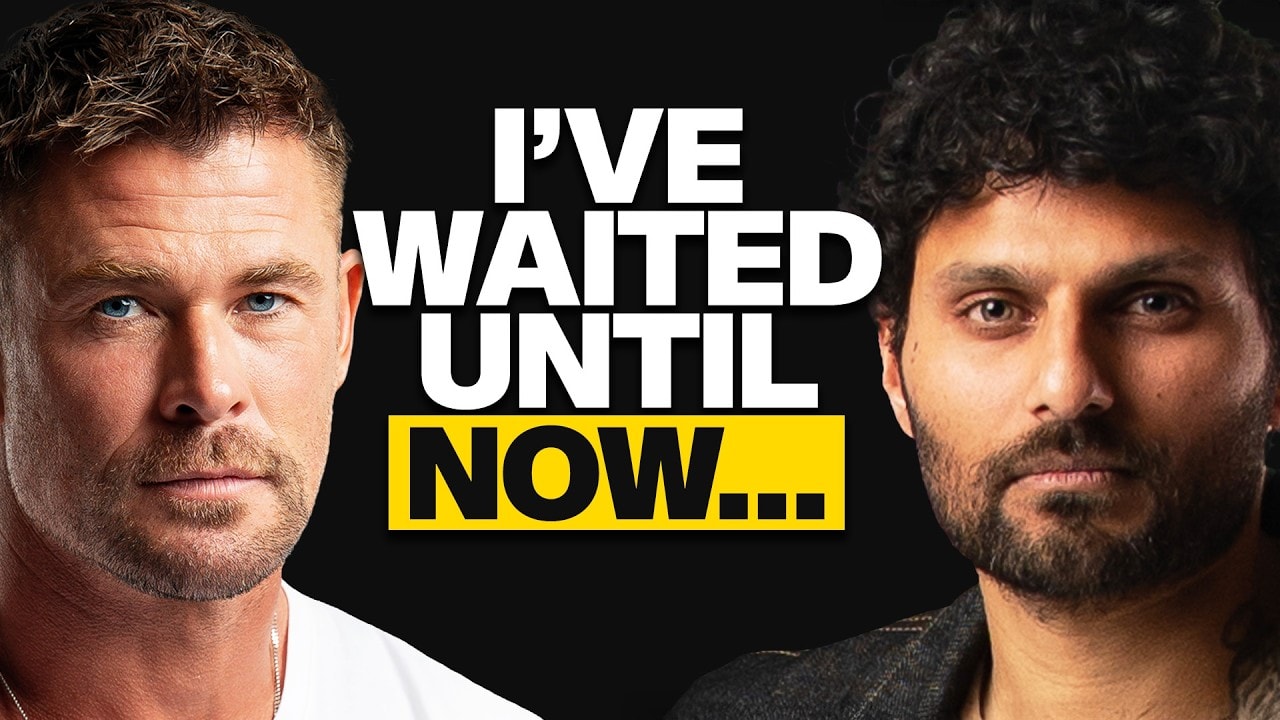
Chris Hemsworth reflects on performance pressure, imagination, ambition and being present with Jay Shetty. These notes focus on his personal reflections about creative work and money rather than his family’s medical history. His descriptions of nerves and coping are personal experience, not diagnosis or treatment advice. The title’s first-time wording is promotional.
The Prakhar Gupta Xperience
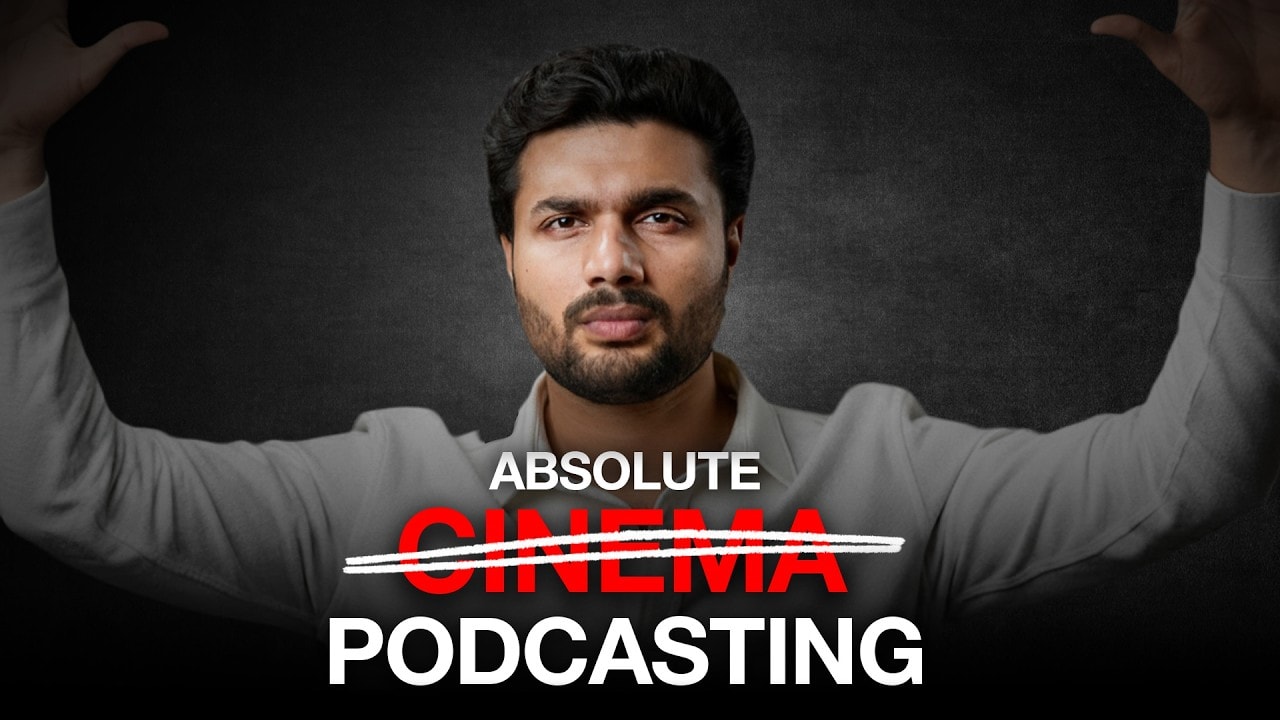
Prakhar Gupta monologue on the state of Indian podcasting: why the haters are right about over-farming and engineered clips, his own 20-episodes-a-month grind and failed attempt to fix it from within, the 2022 cancellation that cost him his earnings and taught him 'war chest' and brand-safety lessons, his family's idealist origin story, and the pivot from November 14 - pre-2022 style monologues and responses, a global conversation tour (Harvard experts, billion-dollar CEOs, Boston Dynamics), a 50/50 format, and the mission to connect the English-speaking and Hindi-speaking internet worlds. FULL COVERAGE: notes span the entire episode (full ~33:52 audio transcribed). Sponsor: none stated in the episode. All industry claims, view counts and cultural readings are the host's personal views as of November 2025; references to public figures and companies (Joe Rogan, Jordan Peterson, Eric Weinstein, Boston Dynamics, ChatGPT) are his opinions; nothing here is professional advice.
The Joe Rogan Experience
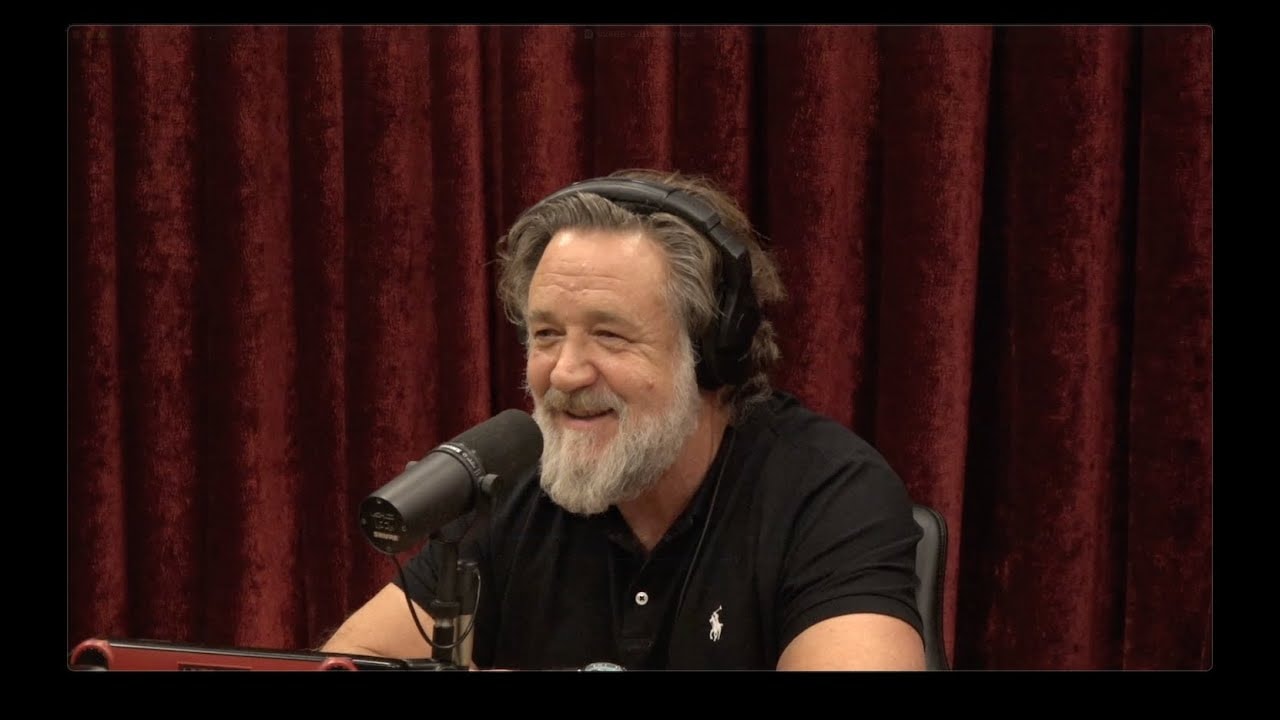
Russell Crowe joins Joe Rogan to talk about playing Hermann Göring in Nuremberg, how societies slide gradually into atrocity, and his dislike of normalized sports betting. Partial coverage: this note covers the opening portion of the roughly 2h58m episode; the views are the speakers' own.
The Joe Rogan Experience
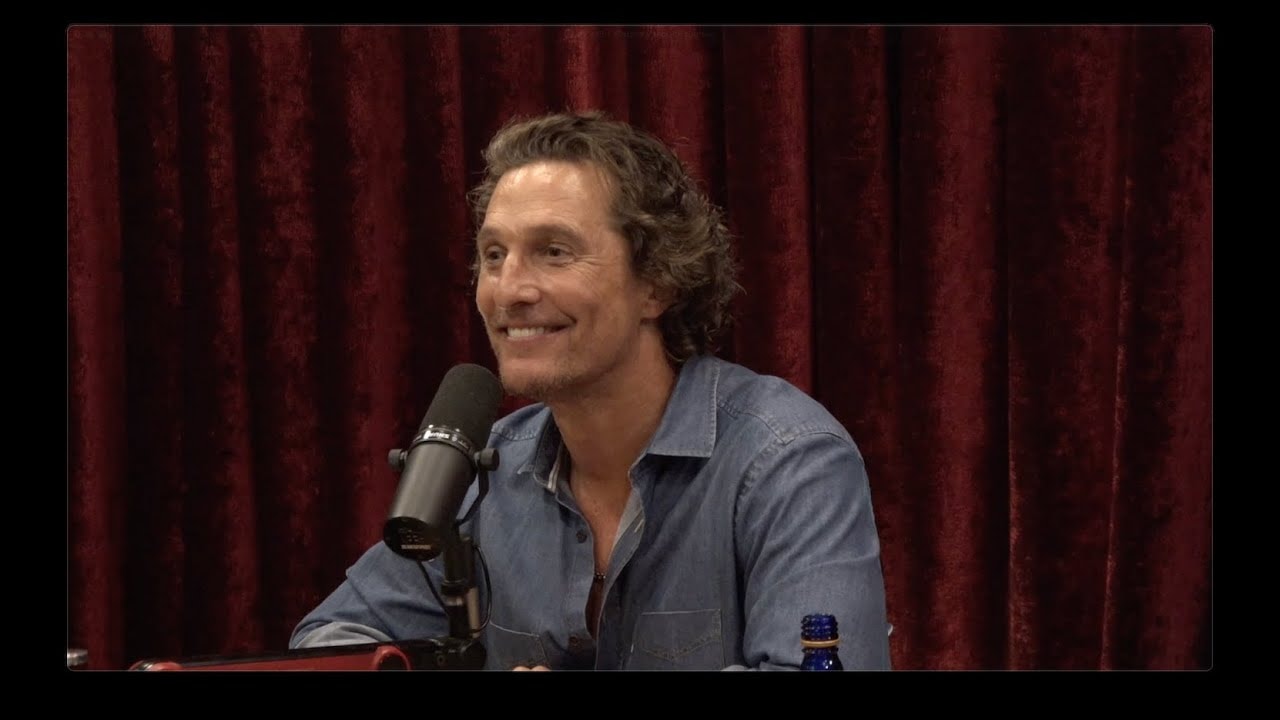
Matthew McConaughey visits Joe Rogan to talk about his book Poems & Prayers, why belief felt scarce to him, trust and leadership, whether humans are evolving, and the race around artificial intelligence. Partial coverage: this note covers the opening portion of the roughly 2h45m episode; the views are the speakers' own.

Conversations with Tyler
Seamus Murphy talks with Tyler Cowen about photography, editing and creative work with PJ Harvey. These are selected photography-process and collaboration passages, not a full episode summary. Afghanistan and Ireland political debate, conflict-zone danger and safety claims, trauma discussion, national stereotypes and later geopolitical commentary are omitted. Murphy's observations are his interpretations; a striking photograph is not treated as a complete account of a person or place. Project descriptions belong to the August 2025 recording. Full official transcript: https://conversationswithtyler.com/episodes/seamus-murphy/ . Topic labels are untimed.

Conversations with Tyler
David Robertson talks with Tyler Cowen about Boulez, learning a demanding score, helping an audience into unfamiliar music and the moment-to-moment coordination of an orchestra. These notes cover selected interpretation and musical-leadership passages, not every topic. Robertson's recollections and artistic judgments are attributed to him; historical anecdotes are not independently verified here. Full official transcript: https://conversationswithtyler.com/episodes/david-robertson/ . Topic labels are untimed.

Figuring Out with Raj Shamani
Jackson Wang joins Raj Shamani in Mumbai to talk through the real rules of K-pop trainee life, losing and rebuilding his identity, and how a year of personal diaries became his album Magic Man 2 with its four chapters from manic highs to acceptance. He shares the betrayal that taught him hard lessons about trust, his grade-six heartbreak story, his mother's thirty-year promise of one house, why he remains his own lead strategist, his morning green-juice routine, his answer to China stereotypes, and the Instagram DM that brought Diljit onto 'Buck'. Stories, views and claims are the guest's own. Sponsor: none stated in the episode. Notes based on the publisher's full audio edition. FULL COVERAGE: these notes cover the complete episode from start to finish.
The Ranveer Show
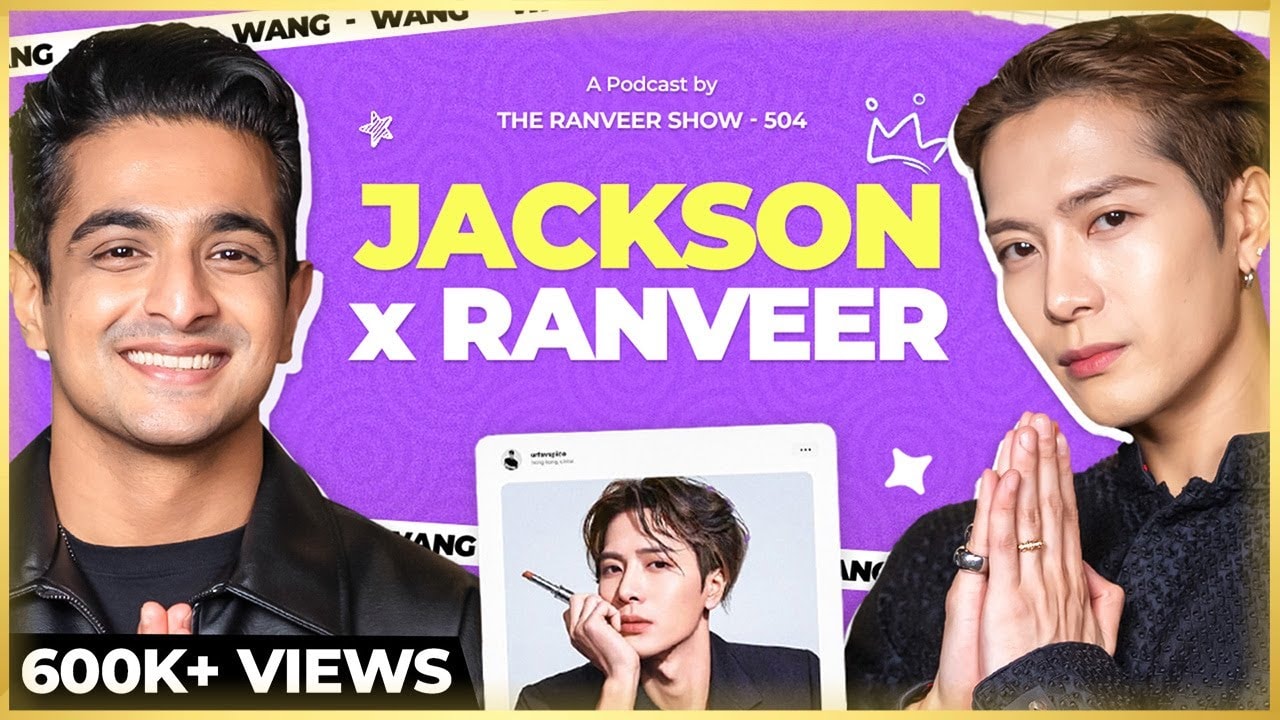
Jackson Wang - GOT7 member, solo artist and Team Wang founder - joins Ranveer Allahbadia in Mumbai on his fourth day in India for a loose, wholesome conversation. FULL COVERAGE: notes span the entire episode. Sponsor: none stated (Jackson's own album Magic Man 2 and his AI companion product Magic Eye come up as his projects, not paid reads; nothing here is medical advice - his diet and skincare routines are his personal habits as described on the show). Jackson explains K-pop in three sentences - Korean pop, deep artist-fan engagement, and dancing, singing and rapping as its three pillars - plus a fourth: every idol truly wants to make their own music. Inside the trainee system: no mercy, only results, easy to get in and easy to get cut, weekly evaluations and level gates - and Jackson spent two and a half years at the lowest grade before a six-month surge in dance and martial-arts tricking carried him to debut at 19. The twist: GOT7 trained for one genre and debuted in another - 'if you're prepped as a knife, you need to cut; why am I hammering?' He reflects on debuting at 19 without finishing high school, missing his youth, taking a year off after a decade of nonstop output, and turning a diary habit into Magic Man 2. On his current chapter: no team beyond himself and one collaborator, checking his own lyric uploads on TikTok and Instagram, and owning the insecurity as the cost of wanting to be great. On discipline after 30: asleep by 8 p.m., up at 4-5, green juice (garlic, ginger, lemon, celery, broccoli, banana, turmeric, blueberries, collagen, parsley, cucumber, coconut water), wearables, and the red-carpet protocol - no dinner the night before, gym, sauna, ice-bowl face dunks. The episode wanders happily: chicken wings as a last meal, the Chinese saying that bitter taste is good medicine, his friendship with RM, why he used to host every gathering, wanting action and crime roles over romantic comedies, his Hrithik Roshan friendship, learning the Indian head nod, Black Mirror theories, using AI as a coach and contract translator, why he built Magic Eye for lonely moments before sleep, speaking five languages by having no pride, starting music on GarageBand at 12, and Ranveer's favorite quote - the past is fiction.
The Joe Rogan Experience
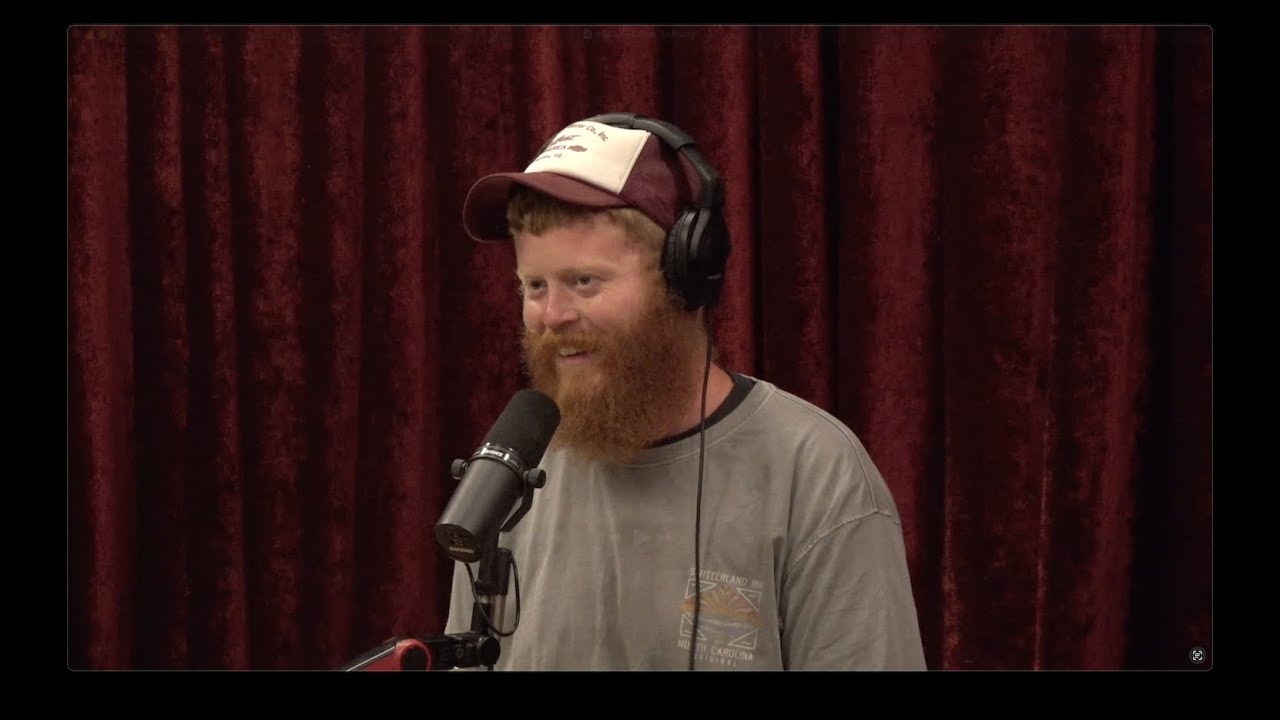
Singer-songwriter Oliver Anthony joins Joe Rogan to talk about recording a song powered by a generator during a storm, new music, losing a dog to cancer, and Rogan's views on pet food. Partial coverage: this note covers the opening portion of the roughly 3h00m episode; the views, including on pet health, are the speakers' own.
Conversations with Tyler
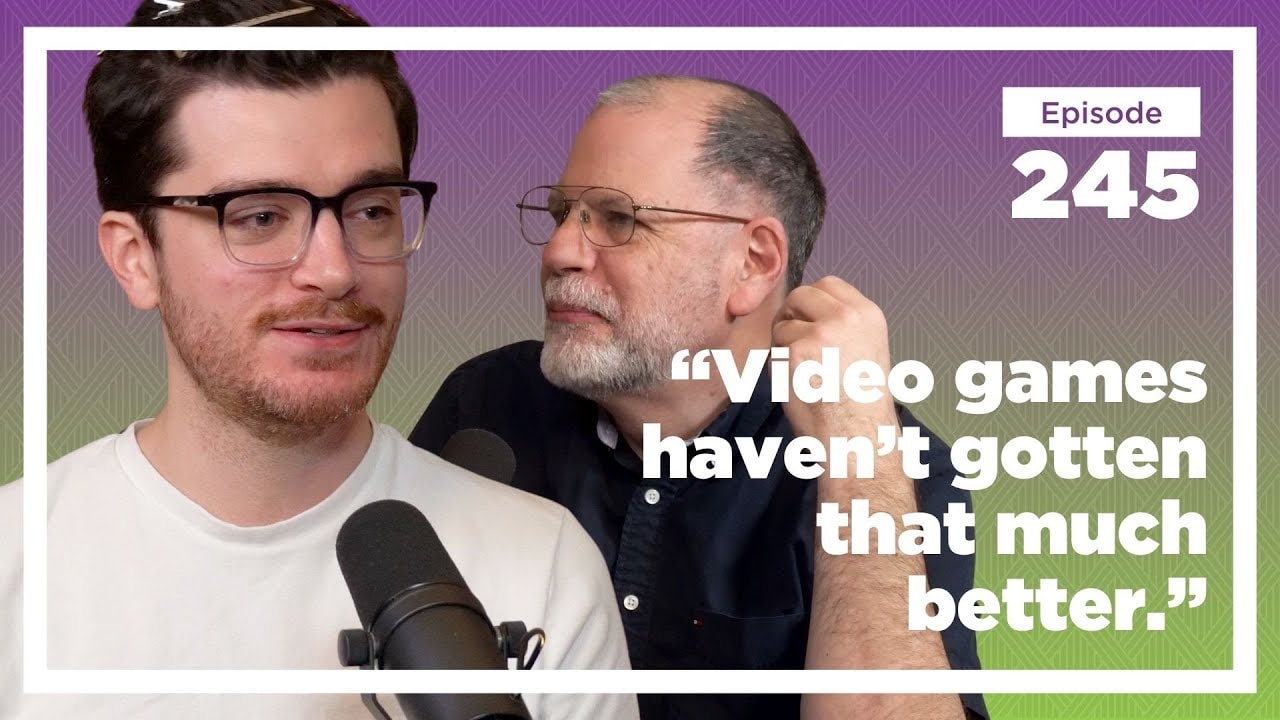
Any Austin joins Tyler Cowen to talk about close observation, video-game commentary and the everyday infrastructure that games can make newly interesting. These notes cover selected observation, artistic-value and commentary passages, not the full interview. AI-art debate, simulation speculation, energy-policy banter, later food discussion and unverified industry figures are omitted. Claims about discoverability, game quality and audience behavior are the speakers' views, not established measurements. Uncertain game-release recollections are not used as factual dates. Full official transcript: https://conversationswithtyler.com/episodes/any-austin/ . Topic labels are untimed.
People by WTF
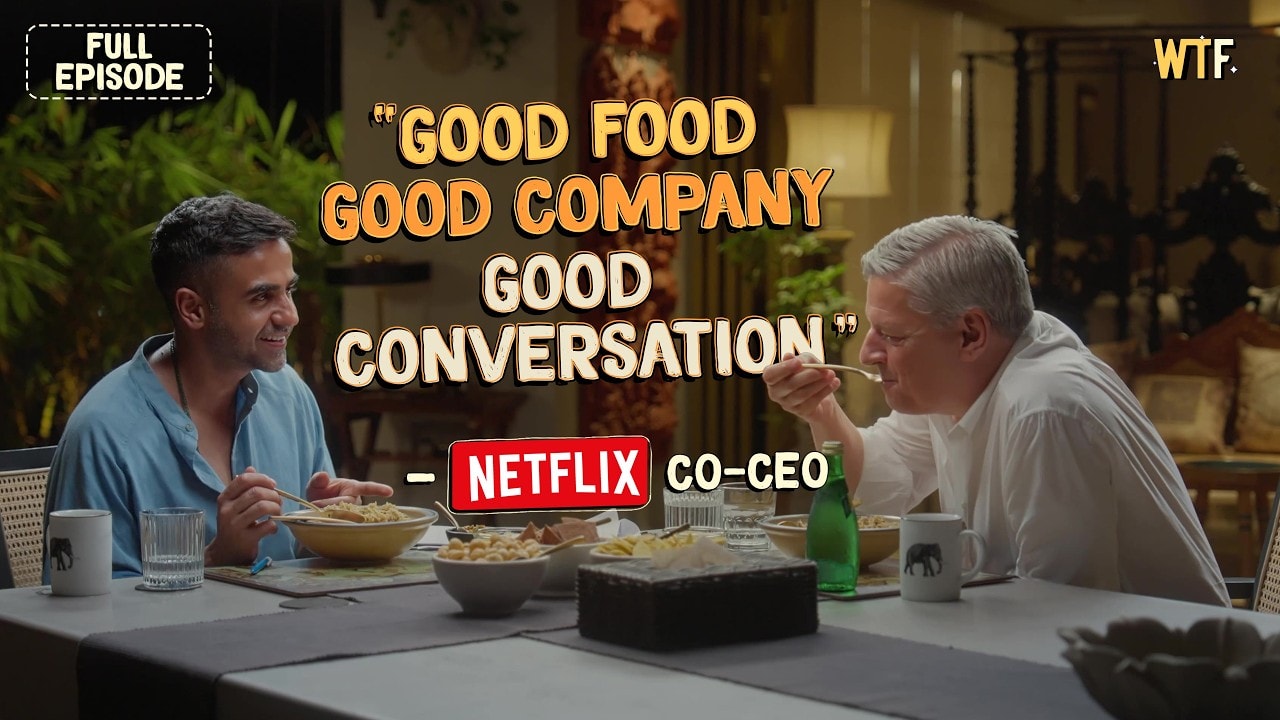
Nikhil Kamath hosts Ted Sarandos - co-CEO of Netflix for 25 years alongside Reed Hastings - in Mumbai, over chicken pulao, for a tour of how modern entertainment actually works. Sarandos retraces his own path: a Phoenix childhood with utilities switching on and off, a journalism dream abandoned when he realised he was only an okay writer, and a part-time video-store job that taught him the trade-radius lesson (one copy of an art film in a thousand stores makes money; a thousand copies in one store does not) that later became Netflix's national-inventory niche strategy. He retells meeting Reed Hastings in October 1999 - the pitch that all entertainment would arrive over the internet, backed by Moore's Law - and the culture Reed built: talent density, a sports team not a family, and the warning that you can idiot-proof a business but end up with a business full of idiots. The conversation covers the Blockbuster counter-position (no late fees, no managed dissatisfaction), why the win metric is whether you stay after pressing play, the tech DNA (per-device optimisation, downshifting streams, Open Connect, the Jake Paul-Tyson fight stress test), why authentically local stories like Squid Game travel best, why big-league sports rights are a low-margin trap (Drive to Survive built F1's audience, then the fee went up 10x), India specifics (Sacred Games came early, recurring card charges were culturally alien, Indian viewers are surprisingly international), AI as a tool not a replacement (The Irishman's $30M de-aging versus Pedro Paramo's entire budget), greenlighting by gut, co-CEO mechanics with Greg Peters, and his advice to a 20-year-old: start at the bottom, get coffee for a writers' room, and don't chase work-life balance - the phrase was designed to make you feel bad. All figures and views are the speakers' own, not verified by us. FULL COVERAGE: the captions appear to cover the entire episode. Sponsor: none stated. Nothing here is investment, legal or financial advice.
Conversations with Tyler
Ian Leslie and Tyler Cowen explore how Lennon and McCartney's different working styles became a shared creative language. They discuss covers, influences, small contributions to songs and the blurred line between composition and production. These notes cover selected opening songwriting and collaboration passages, not the entire episode or a definitive account of who wrote each song. Later political and mental-health passages are omitted. Many attributions are explicitly speculative or disputed in the conversation. Full official transcript: https://conversationswithtyler.com/episodes/ian-leslie/ . Topics are editorial and untimed.
The Joe Rogan Experience
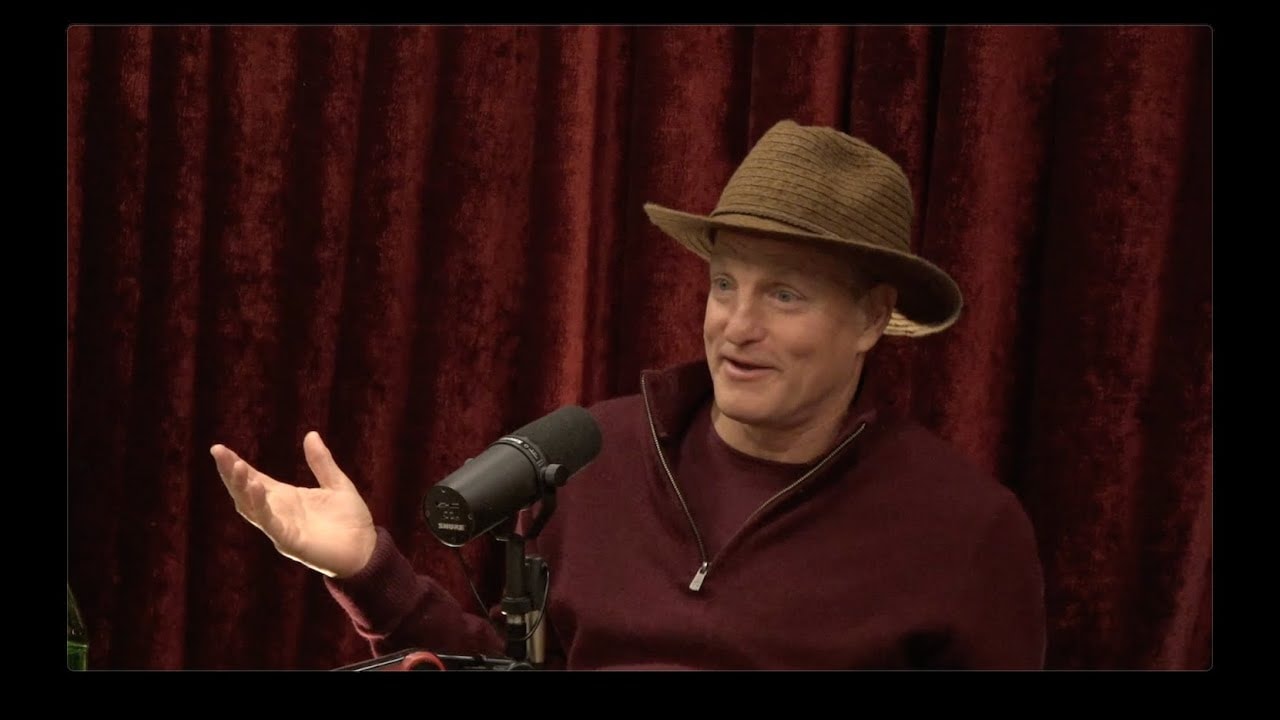
Woody Harrelson joins Joe Rogan to talk about political history, wealth and morality, and war profits. Partial coverage: this note covers the opening portion of the roughly 2h31m episode; the political claims are the speakers' own and not verified here.
The Joe Rogan Experience
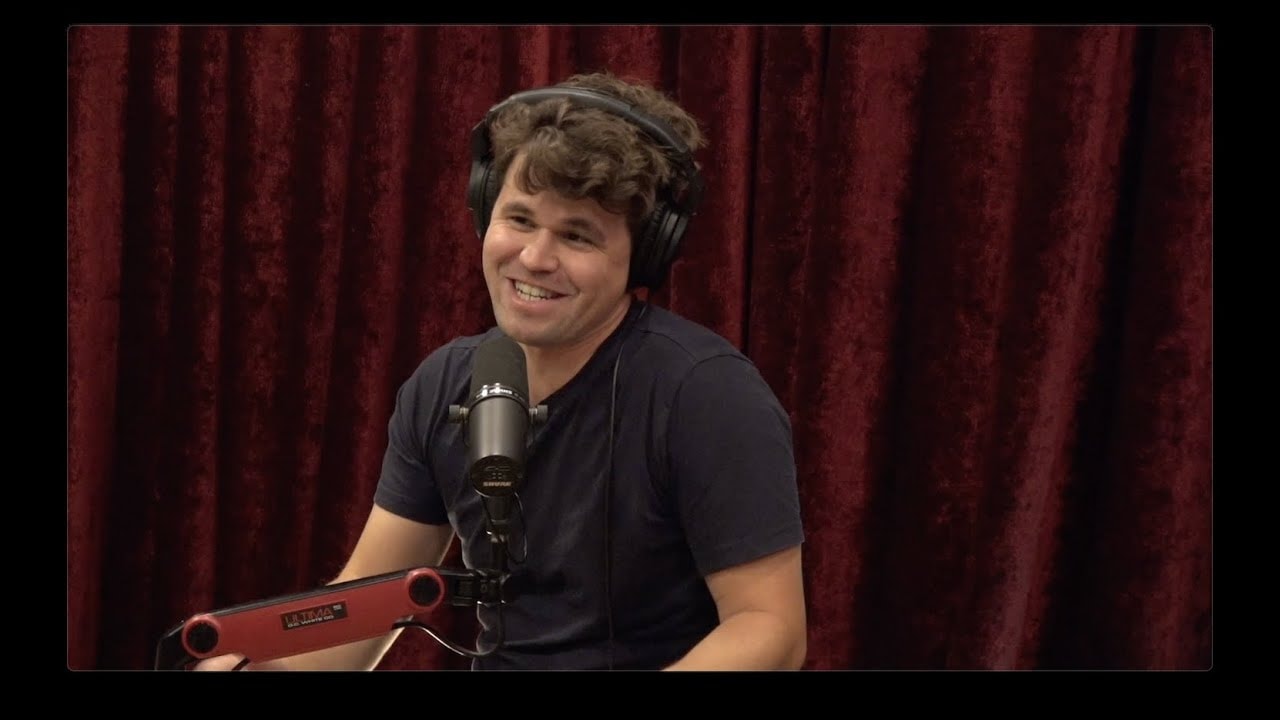
Five-time world champion Magnus Carlsen joins Joe Rogan to talk about child prodigies, how fast information helps players improve, the cheating controversy that took over chess social media, and playing blindfold games. Partial coverage: this note covers the opening portion of the roughly 2h17m episode; the views are the speakers' own.
Figuring Out with Raj Shamani
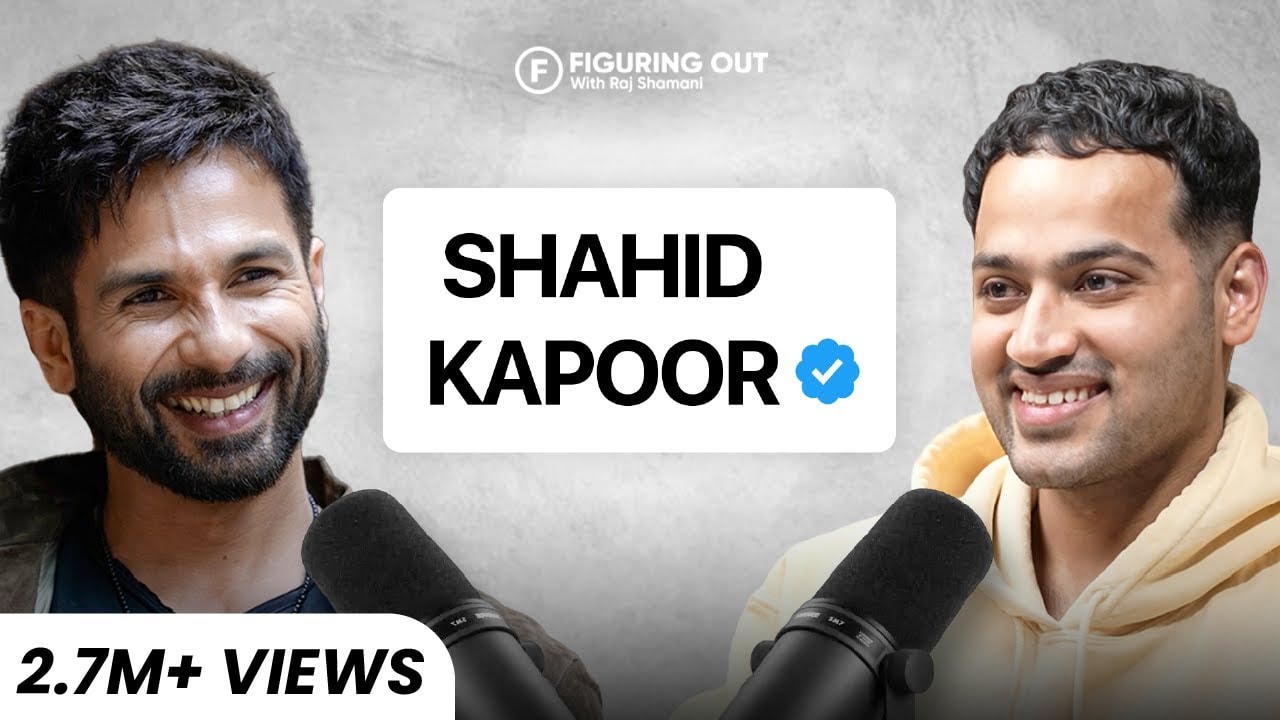
Shahid Kapoor joins Raj Shamani for an unfiltered conversation on the forces that shaped him: why he believes 90% of personality is formed by age seven, his long phase of feeling victimized before finding his footing, entering the film industry without a film-family parent, fighting his comfort zone, what heartbreak taught him about dignity and self-definition, and why he trusted directors like Imtiaz Ali and Sandeep Reddy Vanga for their craft rather than their size. He also talks candidly about marriage with Mira, parenting, needing small windows of solitude, and the joke-with-a-point that men emotionally mature at 43. Views, stories and claims are the guest's own. Sponsor: none stated in the episode. Notes based on the publisher's full audio edition. FULL COVERAGE: these notes cover the complete episode from start to finish.
Conversations with Tyler
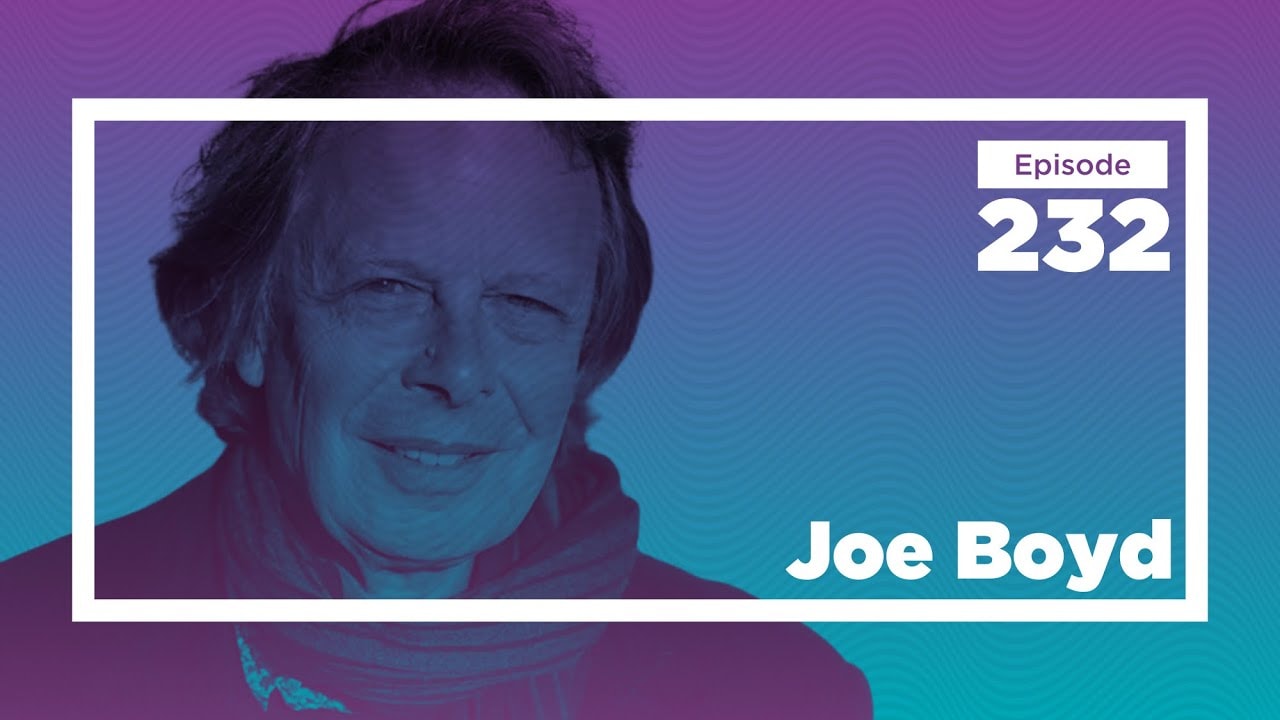
Producer Joe Boyd talks with Tyler Cowen about discovering music across borders, Albanian polyphony, Toots Hibbert's songwriting, film music and the practical work of shaping a recording. These notes cover selected music and production passages, not the entire conversation. The opening South African political discussion and later political history are omitted. Boyd's historical and musical interpretations remain attributed to him. Full official transcript: https://conversationswithtyler.com/episodes/joe-boyd/ . Topic labels are untimed.
The Joe Rogan Experience
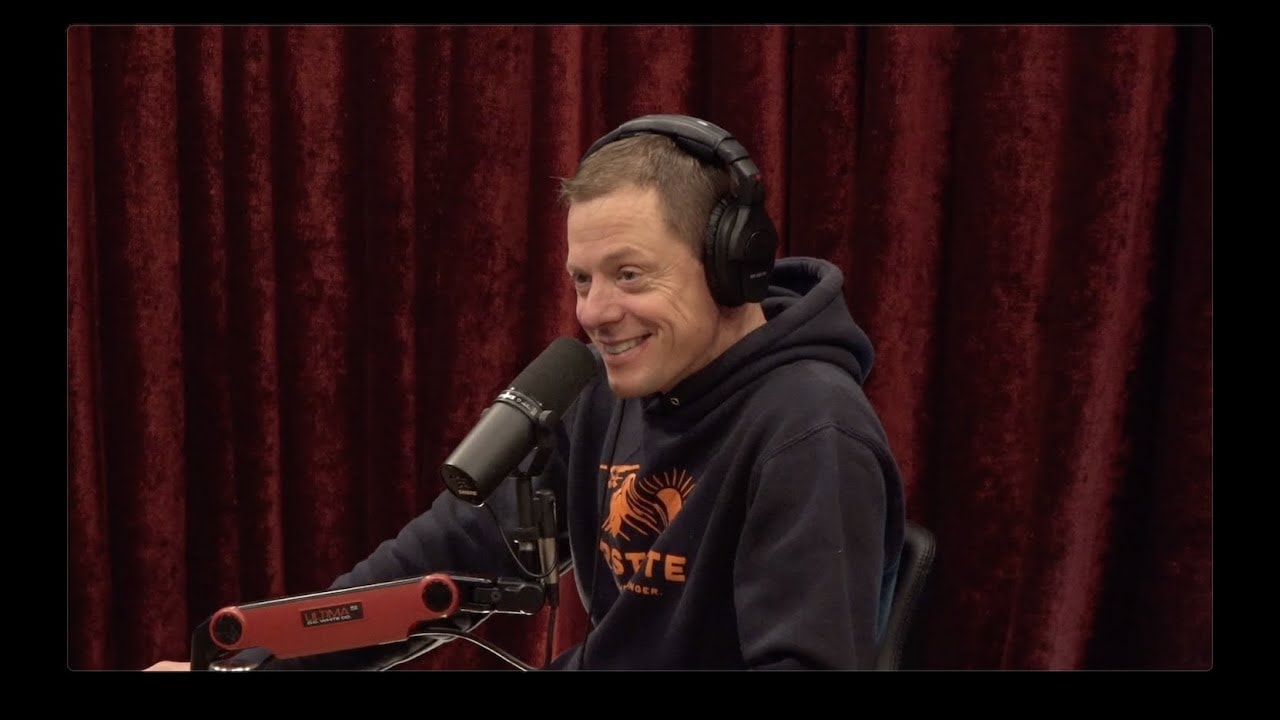
Steven Rinella, host of MeatEater, joins Joe Rogan to talk about staying busy as you age, the debate over abandoned oil rigs, and how the Gulf's marine life clusters around structures. Partial coverage: this note covers the opening portion of the roughly 2h47m episode; the views are the speakers' own, including political remarks about public figures.
The Joe Rogan Experience
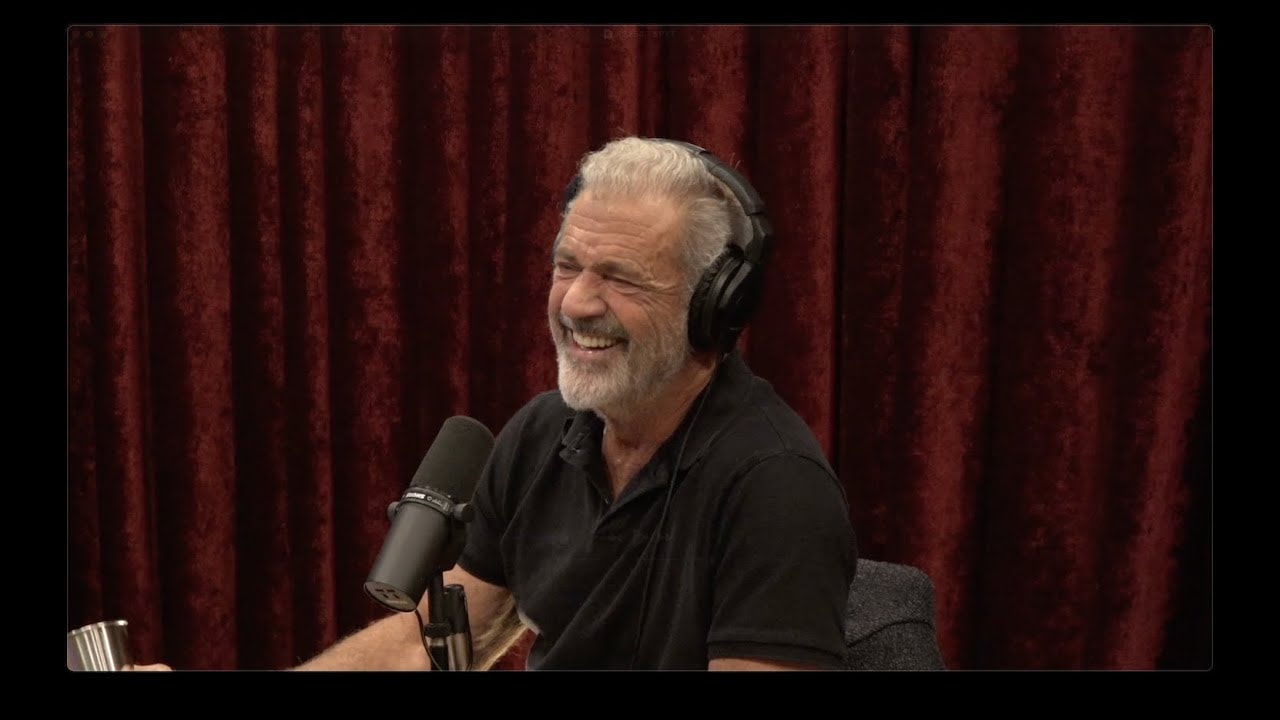
Mel Gibson joins Joe Rogan to talk about directing Flight Risk, why he thinks entertainment comes first, happiness and gratitude, the Los Angeles fires, and what rugby and fighting do to the body. Partial coverage: this note covers the opening portion of the roughly 2h20m conversation, and the opinions are the speakers' own.

Conversations with Tyler
Paula Byrne talks with Tyler Cowen about literary biography, reading Thomas Hardy beyond the best-known novels, Jane Austen's theatrical influences and the choices made by screen adaptations. These notes cover selected literary passages, not the entire interview. Counseling, teenage mental-health discussion and political-history arguments are omitted and no therapeutic advice is offered. Claims about writers' motives and influence are Byrne's interpretations. Full official transcript: https://conversationswithtyler.com/episodes/paula-byrne/ . Topic labels are untimed.
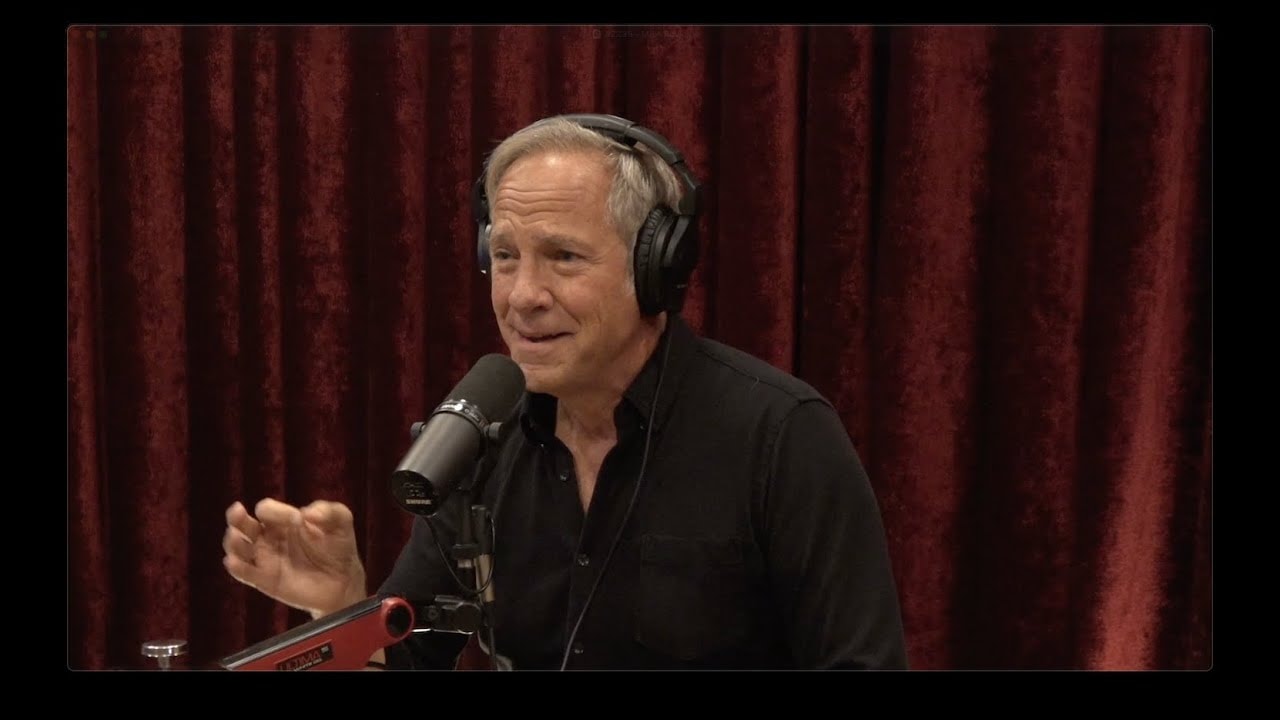
The Joe Rogan Experience
Mike Rowe joins Joe Rogan to talk about odd biology like animals sharing information, a paper about the cat-lady phenomenon, and his early days selling products on QVC with only a blue card for each item. Partial coverage: this note covers the opening portion of the roughly 3h06m episode; the views are the speakers' own.
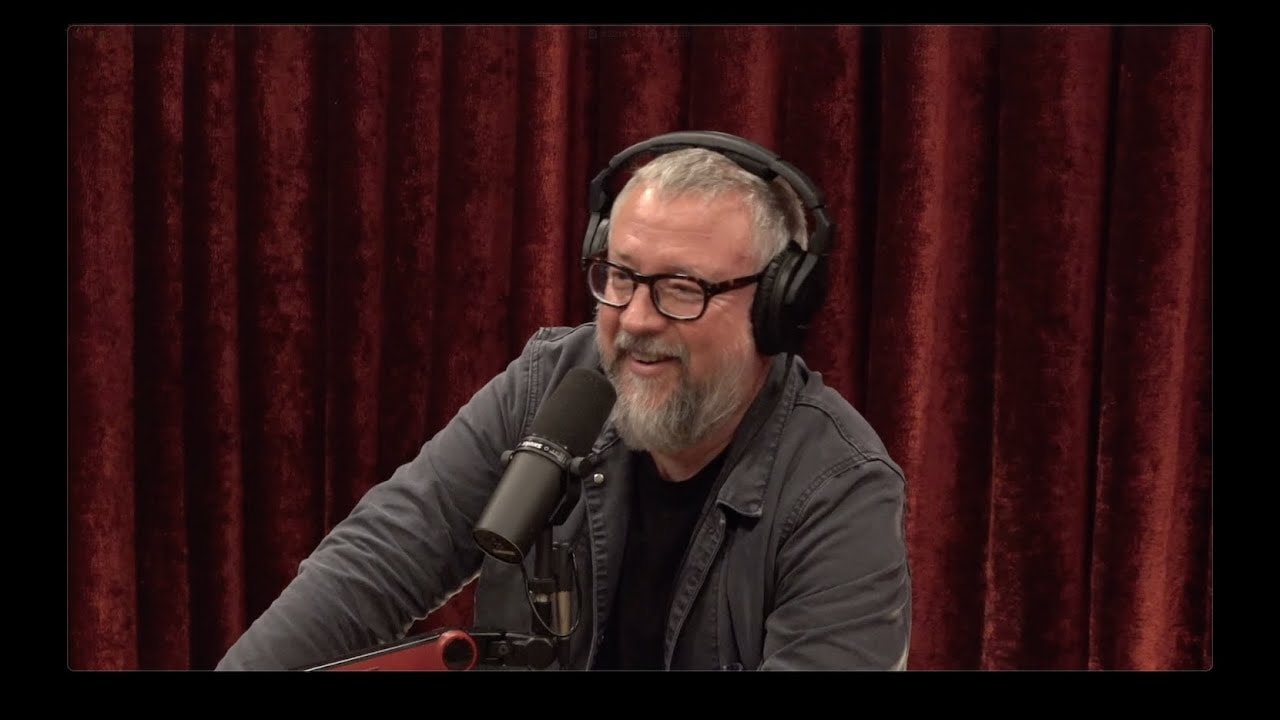
The Joe Rogan Experience
VICE co-founder Shane Smith joins Joe Rogan to talk about his plans for a video podcast, interviewing a political figure, the question of who is behind assassinations, and his love of classic muscle cars and simple routines on the road. Partial coverage: this note covers the opening portion of the roughly 2h35m episode; political claims are the speakers' own.
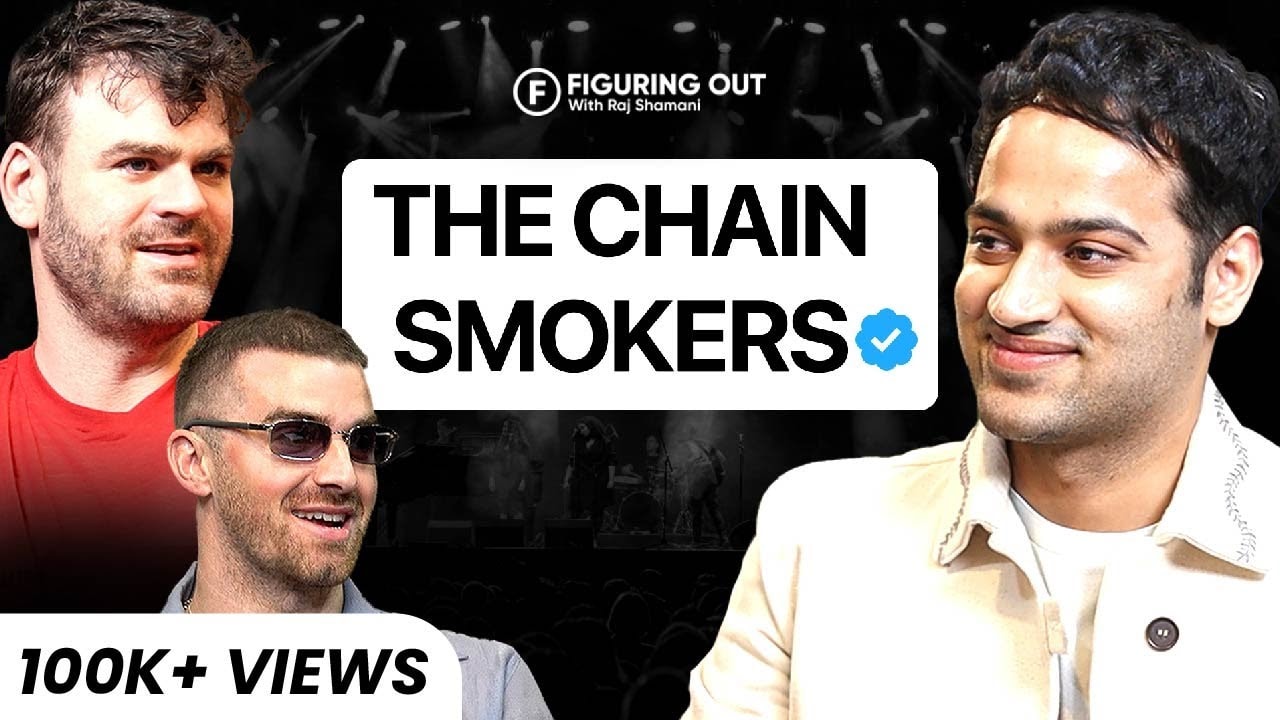
Figuring Out with Raj Shamani
Alex Pall and Drew Taggart of The Chainsmokers join Raj Shamani on Figuring Out for a candid conversation about music, love, money and India. They explain why Drew is not the original Chainsmoker, why the band name needed no deliberation, and how stage names work as protective characters. They recount playing the Ambani pre-wedding, the viral joke track Selfie that let Drew stop worrying about rent, the three-day-notice Malibu session with Chris Martin that produced Something Just Like This, and why their first-ever song was with Priyanka Chopra. They praise Indian festival crowds, want to collaborate with Ram Charan, and share their India market thesis: only economies-of-scale or premium-luxury startups win in an aspirational, trust-deficient market, and trust compounds across categories. Also covered: their venture fund Mantis (the guests' own fund, discussed in the episode), the wellness industry selling the dream of health, art collecting as the last level of wealth, and their first gig - 15 minutes in front of about 16 people. Sponsor: none stated in this episode. Relationship and health points are the guests' personal opinions, not professional advice. Notes based on the publisher's full audio edition. FULL COVERAGE: these notes cover the complete episode from start to finish.

