

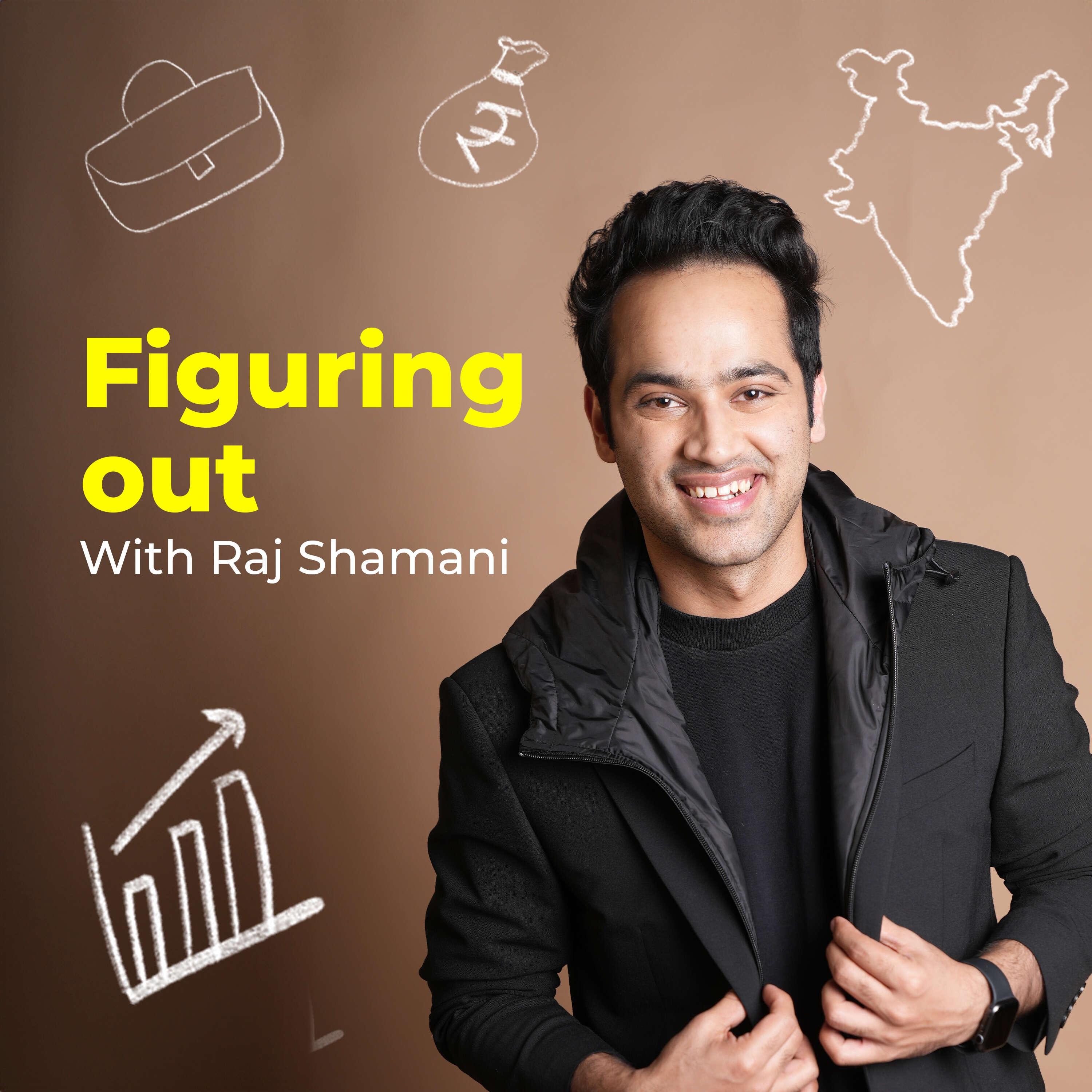
Lakshya Sen on Champion Mindset, Olympic Heartbreak, Injuries & Comebacks | FO504 Raj Shamani
with Lakshya Sen

Executive Summary
Lakshya Sen - India's badminton ace and Paris 2024 Olympic semifinalist - takes Raj Shamani inside the mind of an elite athlete. He explains the arrogance every athlete needs ('whether it is world number one, I am going to win - they are nothing special'), how he learned to face the Istora crowd in Indonesia where you cannot hear the score, and his exact match-day system: heart-rate spikes in the warm-up so the body's first shock never happens on court, breath work between points, 10-15 minutes of opponent planning, and wind-end strategy on the toss. He opens up about the Paris bronze-medal match he lost at 20-10 fighting to the last point, the two months he could not complete a match, telling himself 'I am ready to lose the next 10 tournaments but I will be there fighting', and the visualization trick his mental trainer used before All England - watching himself lose on purpose. Plus: rankings math (best 10 of 17-18 tournaments, recalculated every Tuesday), racket and grip science, the Arjuna Award court case that reached the Supreme Court, and the father who has been more coach than father.
Key Takeaways
An athlete needs arrogance with respect attached
His formula: believe you will beat even the world number one, while giving the opponent full respect - they are world-class, they can beat you, but they are nothing special; you have your own qualities.
Engineer the first shock out of the body before the match
He hits 140-150 heart rate in the warm-up so the match's physical shock never surprises him, and uses five-second breath resets between points so the mind cannot spiral into the score.
The Paris heartbreak: 20-10 down, still fighting
In the Olympic bronze match he told himself even at 20-10 there is a 1% chance - his rule is no regrets and no giving up until the last point, because the opponent deserves to earn it.
His mental trainer made him visualize losing
Three days before an All England match he had to watch himself lose both sets until the fear left his head; only then visualize playing well - he calls watching yourself lose genuinely helpful.
After the Olympics, he lost the love - and rebuilt it
Post-Paris he was blank, exhausted, injured and out for two months; the way back was accepting 'I am ready to lose the next 10 tournaments but I will be there fighting every time' and finding inner peace to enjoy badminton again.
Rankings are a treadmill you must plan, not chase
Badminton rankings recalculate every Tuesday on your best 10 of 17-18 tournaments; chasing them makes you fall - he plans tournament loads long-run and focuses on consistency over peaks.
A father-coach, a court case and the comebacks
His father has been more coach than father at times; his Arjuna Award was challenged in court up to the Supreme Court days after the President gave it; through injuries and setbacks the family kept the dream collective.
The Conversation Breakdown
The champion's self-belief: arrogance with respect
⏱ Untimed topicWhy an athlete must carry 'I am the best, I am world class' - from watching academy players and knowing 'I am better than these guys' to the senior-circuit realization that everyone on court is human, equal, and beatable.
Istora fever and the Thomas Cup cauldron
⏱ Untimed topicIndonesia's Istora stadium, where 90% of a Thailand crowd backed Indonesia in the Thomas Cup final and he could not hear the score - how he went from losing 21-10, 21-9 helplessly to winning in the same noise by blocking everything but the next point.
Match-day science: heart rates, breath work and wind ends
⏱ Untimed topicHis full pre-match system: activation work, 10-15 minutes of opponent planning with coach and father, strapping and physio, warm-up heart-rate spikes so the body is pre-shocked, five-second breath resets, and choosing wind ends on the toss to control or attack.
Paris 2024: the bronze match, the blood, the fight
⏱ Untimed topicThe Olympic run: diving injuries taped and played through, blood on the floor against the umpire's stops, the semifinal and the bronze match at 20-10 down - why he fights the 1% chance so he never holds a regret.
After the heartbreak: two months blank, then the rebuild
⏱ Untimed topicThe empty months when motivation died, first-round exits and ranking drops, the decision to lose 10 tournaments if needed while fighting every one, finding inner peace again, and thanking his physios for a pain-free match before titles returned.
Visualization, Napoleon and watching yourself lose
⏱ Untimed topicThe mental-training layer: Napoleon's hundred imagined defeats, the All England exercise of watching himself lose to remove fear, winning-line fever at 19-19, and instant calls like the spinning reverse net serve at 21-all against the world number one.
The team: father-coach, rankings math and the Arjuna case
⏱ Untimed topicThe support system: a father more coach than father whose excitement he feeds off, coaches reading matches live, the Tuesday ranking treadmill of best-10-of-18 tournaments, racket weights and grip sizes, Denmark's club culture, and the Arjuna Award court fight that reached the Supreme Court.
Core Frameworks & Ideas
Arrogance-respect balance
Total self-belief ('I'm going to win today') paired with total respect for the opponent ('world class, can beat me') - remove either side and the mindset collapses into fear or complacency.
Pre-load the stress
Hit match-level heart rates in warm-up so the body's stress response is already familiar when the match begins - never let the first shock happen when it counts.
Fear removal by watching the loss
Visualize the defeat in detail until it stops scaring you; only then visualize the win - the fear of losing, not losing, is what beats athletes.
Fight the 1%
At 20-10 down the match is statistically gone, but fighting the remaining 1% is how you carry no regrets and stay dangerous in the next one - giving up early trains giving up.
Actionable Next Steps
- ✓Before your next big performance, pre-load the stress: rehearse at full intensity in practice so the real moment is familiar, not shocking.
- ✓Try his five-second reset in your next pressure moment: stop, one breath, 'just the next point' - nothing else exists.
- ✓Write down the worst outcome of your current goal and sit with it until it bores you; then plan the win - fear removed is focus gained.
- ✓Adopt the no-regrets rule: in any losing effort, fight the last 1% so the review afterward has no 'I gave up' in it.
- ✓If rankings or metrics own your mood, switch to his long-run frame: plan the load, play the best-10, and let consistency beat chasing.
Notable Quotes
“When do you give up mentally? Never.”
“there is 1% chance, still 1% chance to try and fight.”
“watching yourself lose really, really helps.”
“I am ready to even lose next 10 tournament but I'll be in their fighting every time”
“You have to find your love for the sport again”
“until the last point I won't give up.”
“You are, you have your own qualities as an Indian.”
The One Thing to Remember
One thing to remember: Watch yourself lose before the match - taking the fear of losing out of your head is what frees you to actually win.