


Rick Rubin: The Only Skill That Matters Now Is The One Thing AI Can Never Steal!
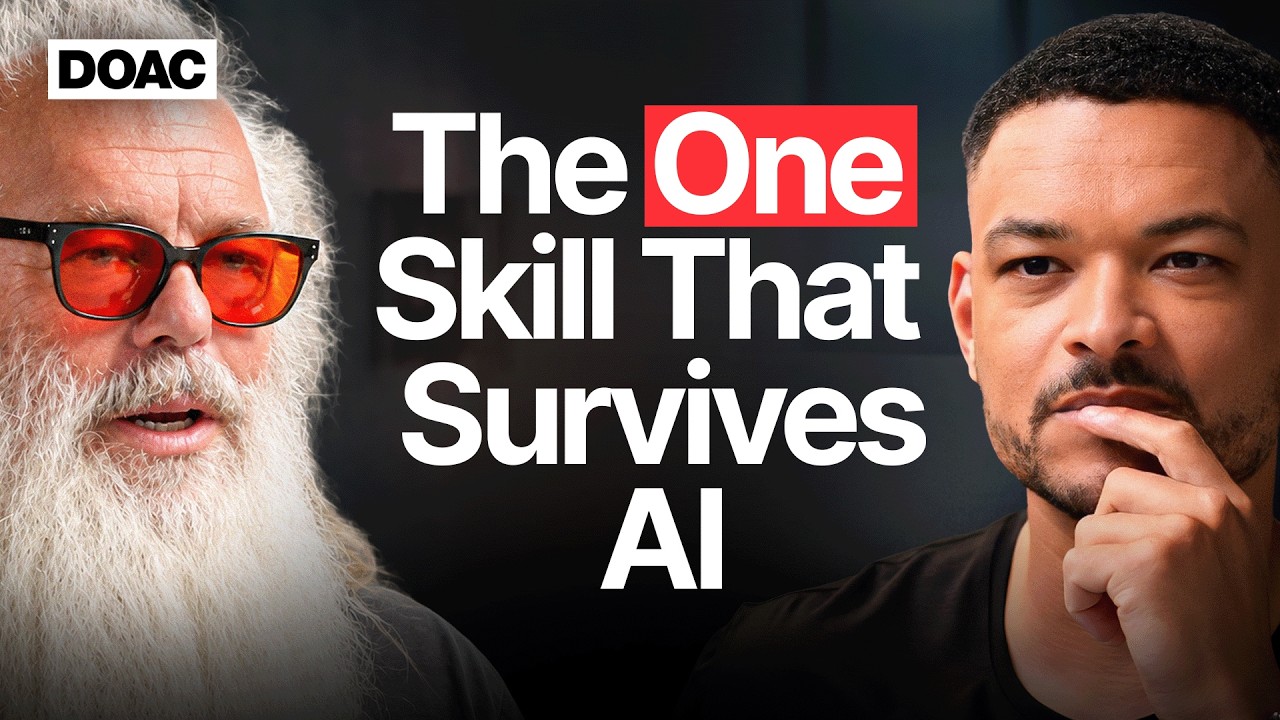
Executive Summary
Rubin treats creative work as personal expression rather than a calculation about near-term incentives. He argues that labels and comparison can narrow what people attempt, then describes seed, experimentation, crafting and finishing as different phases. Meditation is a practice he values, and he separates making meaningful work from the need to earn a living. His philosophy describes his experience, not a guarantee that the market will reward every idea.
Key Takeaways
Personal expression is his starting point
Rubin says near-term incentives are not part of how he approaches making work. He compares the result with a diary entry: another person may not understand it yet, or ever. That does not make personal truth irrelevant. This is his creative stance, not a claim that an audience or a business never matters.
Labels can shrink the field of possibility
He argues that a label placed on yourself makes you smaller by suggesting a fixed boundary. His own path across music, writing and code illustrates why he resists a single identity. A role can still be useful, but it need not define every kind of work someone is allowed to explore.
Risk can mean making something unlike the current standard
Rubin describes work that did not sound like everything already on the radio. The difference could become a strength rather than only an obstacle. Originality is not a guaranteed commercial advantage; his point is that copying the current standard can remove the reason for new work to exist.
Creative phases need different kinds of time
His sequence is seed, experimentation, crafting and finishing. Early phases discover what the work wants to be, so he resists imposing a deadline before the object is understood. The framework distinguishes exploration from completion rather than treating every stage as the same production task.
Practice can accumulate beyond one session
Rubin uses the image of a bank deposit for meditation and says continued practice changed how he sees things. The takeaway is the value he places on repetition over time, not a promise of a particular psychological result. Meditation is his experience and does not replace medical or mental-health care.
Your dream does not have to pay every bill immediately
He says a love, hobby and profession do not have to be the same thing. A regular job can support the work without loading it with immediate financial pressure. He explicitly recognizes practical realities such as rent and does not promise that taking a creative risk will succeed.
The Conversation Breakdown
Personal work, process and practical support
⏱ 38:18Rubin explains the four creative phases and why he does not set an early timeline before knowing what the work is. The next discussion separates a dream from the requirement that it immediately support a person financially. Together, these ideas protect exploration while still acknowledging the practical needs of life.
Core Frameworks & Ideas
Work as a diary entry
Treat the work as an expression of how you see the world in this moment. Another person's reaction does not automatically settle its truth for you.
Four creative phases
Seed, experimentation, crafting and finishing require different attention. Let early exploration reveal the work before treating it as a completion task.
Art and livelihood can be separate
A job can pay the bills while creative work develops. Do not require one pursuit to satisfy every need immediately.
Actionable Next Steps
- ✓Make a small piece of work without designing it around an immediate reward.
- ✓Identify whether your current project is in seed, experimentation, crafting or finishing and choose a fitting next step.
- ✓Notice one label that limits what you let yourself attempt.
- ✓Plan practical support for creative work instead of assuming a major risk will pay off.
Notable Quotes
“Everything we make is a diary entry.”
“Any label that you put on yourself or that’s put on you makes you smaller.”
“You can’t set a timeline early in that process.”
The One Thing to Remember
Everything we make is a diary entry, in Rubin's view. Make the work true to how you see the world rather than letting immediate incentives decide every choice.