Explore curated summaries and key insights in Mindset. Get the essence of each conversation in 5 minutes.
The Prakhar Gupta Xperience
Prakhar Gupta fields questions from LSE students on walking away from chartered accountancy to Columbia and podcasting, why intent (not talent) is India's missing link, scarcity psychology and crab-well thinking, a connected reading of Iran, BRICS, Ukraine's drone war, rare earths and H1B backlash, why he welcomes reverse brain drain, courage as the last alpha in the AI age, Goodhart's law in Indian education, the case against glorifying jugaad and the 'spirit of Mumbai,' and his definition of spirituality. FULL COVERAGE: notes span the entire episode (full ~1:00:39 audio transcribed, including audience Q&A). Sponsor: none stated in the episode. Geopolitical and economic readings are the host's personal opinions attributed to him; public figures referenced (Elon Musk, Sam Altman, Dario Amodei, Aravind Srinivas, Dipinder Goyal, Samay Raina and others) are discussed as the speaker's views as of November 2026. Nothing here is political, financial or career advice.
Figuring Out with Raj Shamani
Raj Shamani sits down with Bryson DeChambeau - 2024 US Open champion, YouTube creator and golf-equipment builder - for a two-and-a-half-hour breakdown of the elite-athlete mindset. DeChambeau traces the wiring: a nine-year-old accused of cheating after winning his first tournament, abandonment issues and a fear of not being accepted, role-playing games like The Elder Scrolls that taught him progression, and the 2009 housing crash that pushed a 15-year-old to raise $2,000 door-to-door for tournament fees - including one stranger's $800 'angel check' he later tried to repay. He explains his lifelong hunt for 'distinct advantages': single-length irons he prototyped at 15 by grinding wedge heads to exchange head mass for shaft length, the strokes-gained logic (three yards farther beats six yards offline) behind his 2019 body transformation, speed training at 120 balls a session until his nervous system shook him awake at night, and the curved-face driver that preceded his 58 in 2023. He is candid about the costs: bulking to three times the heart-attack risk before losing 24 lbs in 30 days on a sensitivity-based whole-food diet, a broken hamate from overtraining in the cold, 14 missed cuts in a row in 2017, the lonely morning after winning the US Open, and becoming golf's villain in 2022 - then rebuilding his image by showing who he is on YouTube instead of telling. He closes with the death of his father in November 2022, the final putt at Pinehurst on Father's Day week, and a whiteboard framework for the next year: passion, three daily questions, health-mind-spirit, and outworking everyone. All figures, health claims and views are the speakers' own, not verified by us. FULL COVERAGE: the captions appear to cover the entire episode. Sponsor: a styling partner is named in the intro (auto-captions render it as 'Levice', likely Levi's). Nothing here is medical, investment, legal or financial advice.
Figuring Out with Raj Shamani
Robert J. O'Neill, the former SEAL Team 6 operator who says he fired the shots that killed Osama bin Laden, sits down with Raj Shamani in New York for his most detailed account of the Abbottabad raid. He describes the three weeks of training after a CIA analyst - a woman who had worked the target for years, seven days a week - told 28 senior operators 'this is as close as we've ever been'; the handwritten letters to his daughters on a mission he treated as one-way; the stealth helicopter that lost lift and crash-landed in the compound's front yard; the fake door that confirmed bin Laden was inside; walking up the last flight of stairs behind a point man who tackled two people he thought were suicide bombers; and the moment in the bedroom. Then the aftermath: 47 minutes on target, a 90-minute flight counting down to Afghanistan, breakfast sandwiches next to the body while President Obama announced it on TV, and a hard transition to civilian life - no degree, no plan, healthcare ending at midnight - that became a second career as a speaker and author. His closing advice: don't quit today, quit tomorrow. FULL COVERAGE: the captions appear to cover the entire episode. All accounts, figures and claims are the guest's own, not independently verified; his claim to have fired the fatal shots is his own publicly stated account. Sponsor: Porter (title sponsor). Nothing here is professional advice.
The Prakhar Gupta Xperience
Prakhar Gupta with Faf du Plessis on South Africa's World Cup narrative and the tiny margins of knockout cricket, learning leadership from Graeme Smith and MS Dhoni, captaining Virat Kohli at RCB and what his intensity feels like, growing up with AB de Villiers and turning jealousy into acceptance, and why resilience - not talent - is what he calls his real strength. FULL COVERAGE: notes span the entire episode (full ~35:09 audio transcribed). Sponsor: none stated in the episode or description. Match details, player assessments and team-dressing-room accounts are the guest's personal recollections attributed to him; mental-health remarks about cricket are general observations by the guest, not advice.
The Prakhar Gupta Xperience
Prakhar Gupta with Harbhajan Singh on nearly quitting cricket before the 2001 Australia series, his father's death and the Rs 8,000 Air India job, the NCA diet-chart expulsion, the Kolkata hat-trick ball-by-ball, the Greg Chappell era ('divide and rule'), what separated Tendulkar, Dravid, Sehwag, Dhoni and Kohli, why India has '100 Neeraj Chopras' without the systems to find them, and his January book. In Hindi/Hinglish; quotes are translated and verified against the transcript. FULL COVERAGE: notes span the entire episode (full ~1:19:14 audio transcribed). Sponsor: none stated (mid-episode segment is the host's own subscribe appeal). Player assessments, selections and events are Harbhajan's recollections and opinions as of October 2026; nothing here is professional advice.
The Prakhar Gupta Xperience
Prakhar Gupta with AB de Villiers on the making of 'Mr. 360' - a multi-sport childhood, tennis and Jonty Rhodes' influence - batting for years with a detached retina, the real Virat Kohli behind the 'arrogant' first impression, inside the RCB and Delhi dressing rooms, the Chinnaswamy crowd and the 2025-2026 finals, advice for Vaibhav Sooryavanshi, his picks for most talented batsman (Gilchrist, Ponting), hardest bowler (Shoaib Akhtar, Bumrah) and most intimidating Indian (Sehwag), the tennis career that nearly was, why South Africa's World Cup missing piece is 'luck,' and why 'all teams choke.' FULL COVERAGE: notes span the entire episode (full ~35:12 audio transcribed). Sponsor: none stated in the episode. All recollections and assessments are the guest's personal views as of October 2026; nothing here is professional advice.
Modern Wisdom
Spencer Greenberg joins Chris Williamson to discuss the recurring strategies behind self-help, the difference between intrinsic and instrumental values, habit reflection and fear. They also examine worry, productivity and activities people are glad they did. The summary attributes study results and self-improvement claims to Greenberg and does not offer mental-health treatment advice.
Figuring Out with Raj Shamani
Scott Galloway joins Raj Shamani to discuss the middle class, opportunity, isolation, comparison, luck and risk-taking. He challenges the idea that success is purely individual and asks how young people can build relationships and take useful risks. Economic claims and personal strategies are his views, not investment advice or clinical treatment.
The Diary Of A CEO with Steven Bartlett
Content warning: childhood abuse and violence. Druski talks with Steven Bartlett about reading rooms as a child, forgiveness, college, depression and finding a direction in comedy. He describes the personal decisions and early work behind a career that can look like overnight success. His experiences are not a universal recovery path or a replacement for mental-health support.
The Diary Of A CEO with Steven Bartlett
Rick Rubin joins Steven Bartlett to discuss personal expression, labels, creative risk and the four phases of making work. He describes meditation, comparison and the difference between a dream and a single job. His creative philosophy is presented as his experience, not a guarantee of commercial success or a universal life prescription.
The Prakhar Gupta Xperience
Prakhar Gupta with Magnus Carlsen on the Gukesh vs Sindarov World Championship forecast (why Sindarov is his pick, and Gukesh's overextension problem), Prag's fighting spirit and time management, why no youngster will dominate like he did, his intuition and evaluation method explained, why he is never coming back to the classical crown, the Karjakin 2016 and Caruana 2018 matches, the two Vishy Anand finals, his rankings of the all-time greats (Kasparov over Fischer) and current players, Elon Musk's 'AI will solve chess' claim, and Real Madrid, Haaland and fatherhood. FULL COVERAGE: notes span the entire episode (full ~35:21 audio transcribed). Sponsor: Outskills (host-read ad for a free live AI master training; named as stated in the episode). All assessments of players and predictions are the guest's personal views as of September 2026; nothing here is professional advice.
Figuring Out with Raj Shamani
Andrew Huberman joins Raj Shamani to discuss stress regulation, morning routines, attention and the need for recovery. He connects mental strength with being able to shift between focused effort and rest without turning routines into another source of anxiety. Health claims and techniques are his educational views, not personal medical advice.

The Diary Of A CEO with Steven Bartlett
Physicist Brian Greene joins Steven Bartlett to discuss string theory, simulation, emotions, mortality and the search for meaning. He offers a physical account of consciousness and personal views on free will, religion and AI. Speculative and philosophical positions are attributed to Greene rather than presented as settled science.
The Joe Rogan Experience
Blink-182 drummer Travis Barker joins Joe Rogan to talk about touring by ship after a plane crash, his documentary Louder Than Fear, resilience, and the formula of obsession and process. Partial coverage: this note covers the opening portion of the roughly 2h30m episode; the views are the speakers' own.
The Diary Of A CEO with Steven Bartlett
Dr Andy Galpin joins Steven Bartlett to discuss sleep disorders, wearables, morning light, sleep temperature and energy, before turning to training and fat loss. He argues for finding individual constraints rather than adding endless optimization. This is a summary of the conversation, not medical advice; persistent symptoms and possible sleep disorders warrant clinical assessment.
The Joe Rogan Experience
Tim Robbins joins Joe Rogan to talk about Stephen King's novels and The Shining, how people fall into group thinking out of fear, and why saying I don't know has been liberating for him. Partial coverage: this note covers the opening portion of the roughly 2h30m episode; the views are the speakers' own.
Modern Wisdom
David Epstein joins Chris Williamson to explore how constraints can reduce overwhelm and prompt deeper creative work. They discuss the paradox of choice, optionality, design and the limits of multitasking. Epstein's examples and interpretations are attributed; the conversation is not a rule that more restrictions are always better.
Think School: Indian Business Podcast
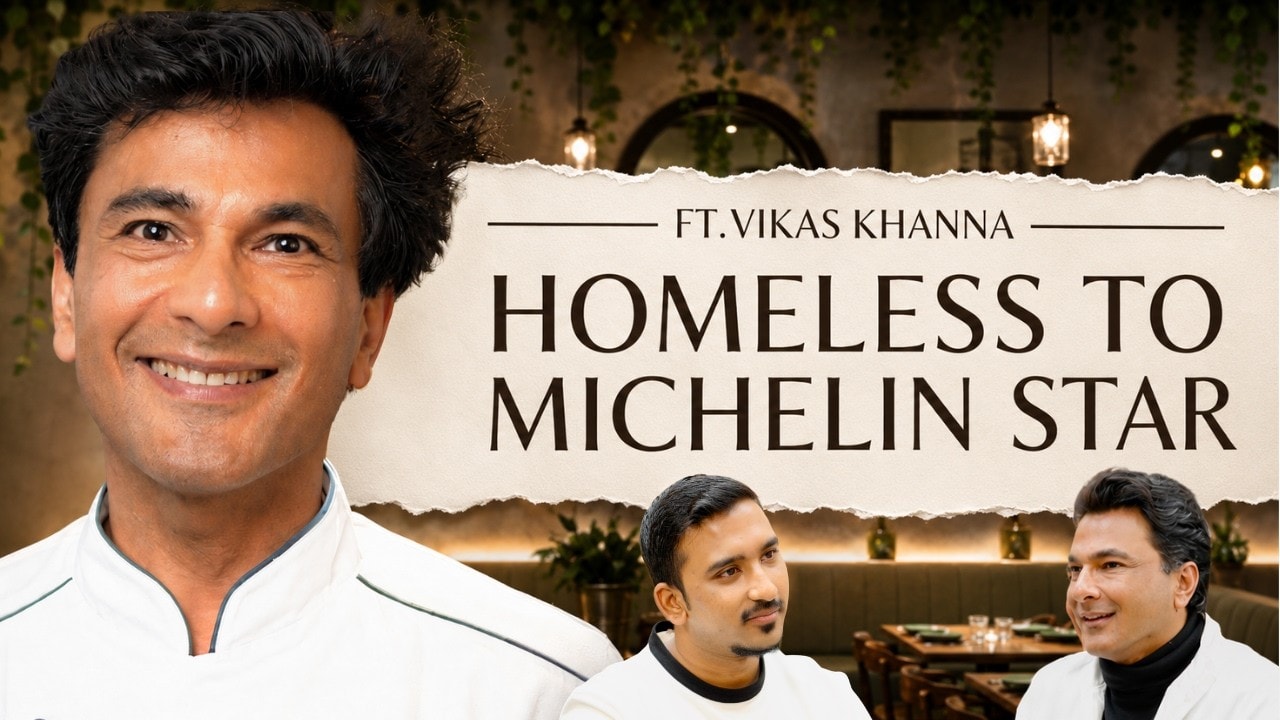
Vikas Khanna talks with Ganesh Prasad about the road from Amritsar to New York, homelessness, his sister's belief in him, and building Bungalow around Indian hospitality rather than fast expansion. English notes based on Hindi and English speech rendered in Hindi auto-captions. Brief quotes are translated caption excerpts, not verified verbatim English audio. Source captions: https://youtubetotranscript.com/transcript?v=_Uj6BXaQx9I. YouTube lists Odoo as a sponsor. Personal stories, attendance figures and business claims are the speakers' accounts, not independently checked.
The Prakhar Gupta Xperience
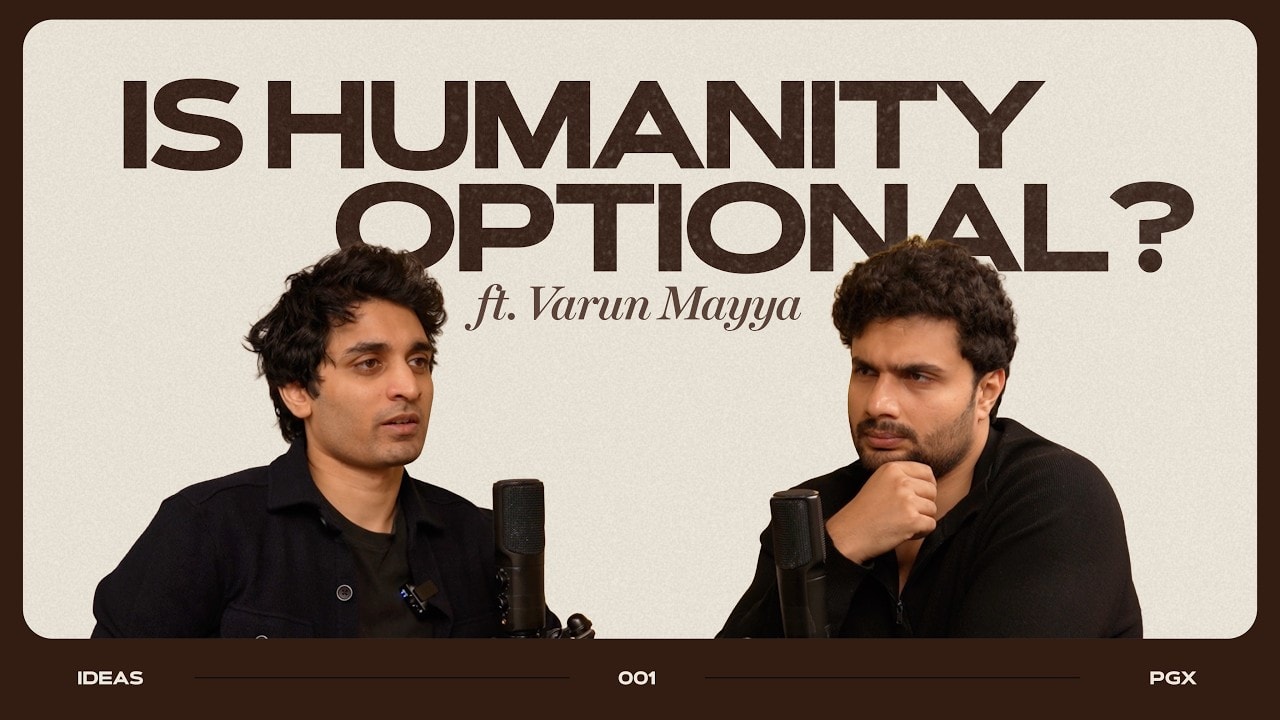
Prakhar Gupta explores the future of AI with media entrepreneur Varun Mayya, from jobs and mind-reading technology to AGI, AI agency and consciousness. They also discuss creativity, the creator economy and why people may need to rethink identity and work.
People by WTF
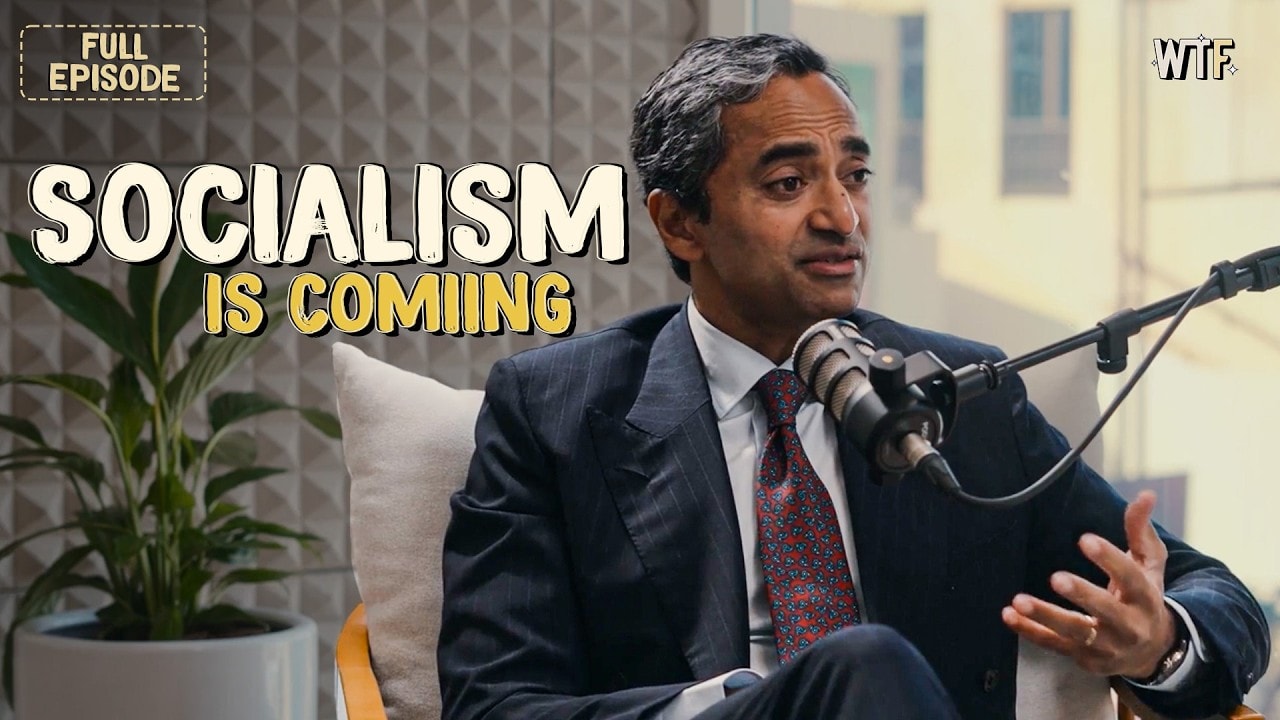
Nikhil Kamath and Chamath Palihapitiya discuss childhood pain, ambition, family and the shift from treating business as life-and-death to seeing it as a game. The conversation also covers investment conviction, position sizing, AI and politics. Personal and market claims are Palihapitiya's account, not independently verified findings or investment advice.
The Mel Robbins Podcast
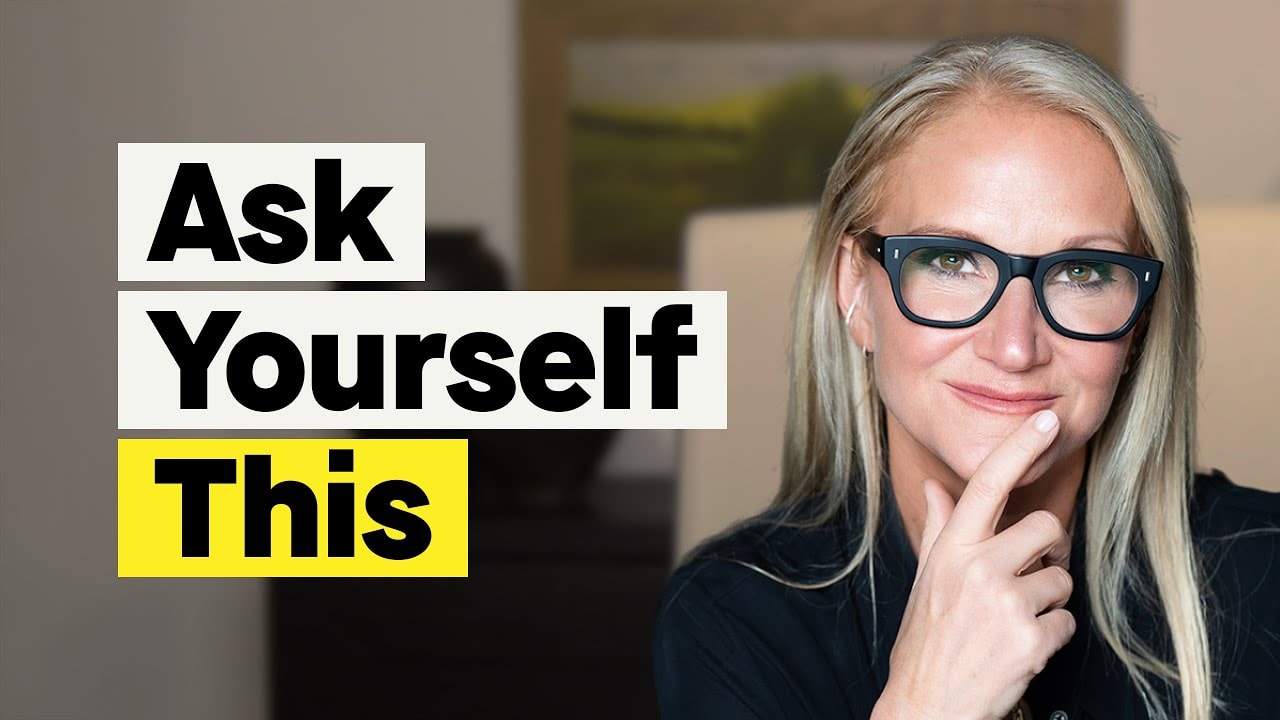
Mel Robbins walks through a year-end review: low points, high points, lessons, what to stop, what to continue and what to start. She uses her own reflections to turn memories into a short plan for 2026. The framework can be adapted to another year; it is personal-development advice, not a guaranteed outcome or clinical guidance.
The Joe Rogan Experience
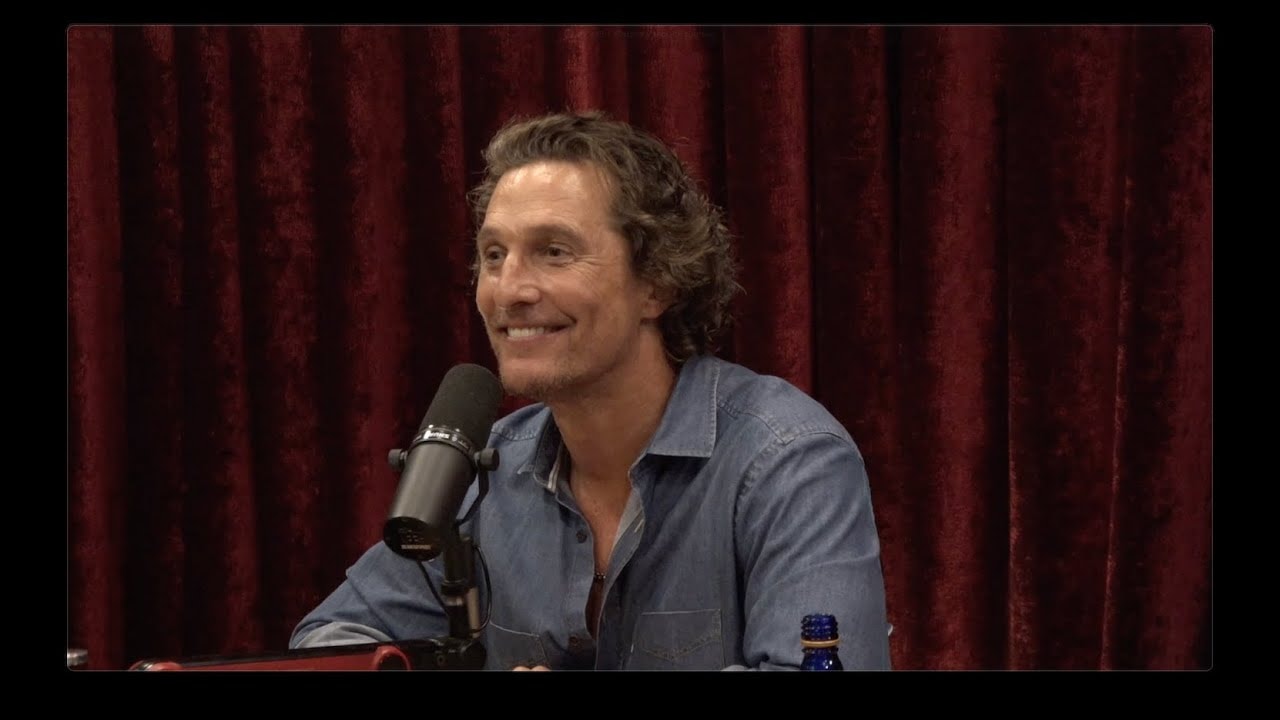
Matthew McConaughey visits Joe Rogan to talk about his book Poems & Prayers, why belief felt scarce to him, trust and leadership, whether humans are evolving, and the race around artificial intelligence. Partial coverage: this note covers the opening portion of the roughly 2h45m episode; the views are the speakers' own.
On Purpose with Jay Shetty
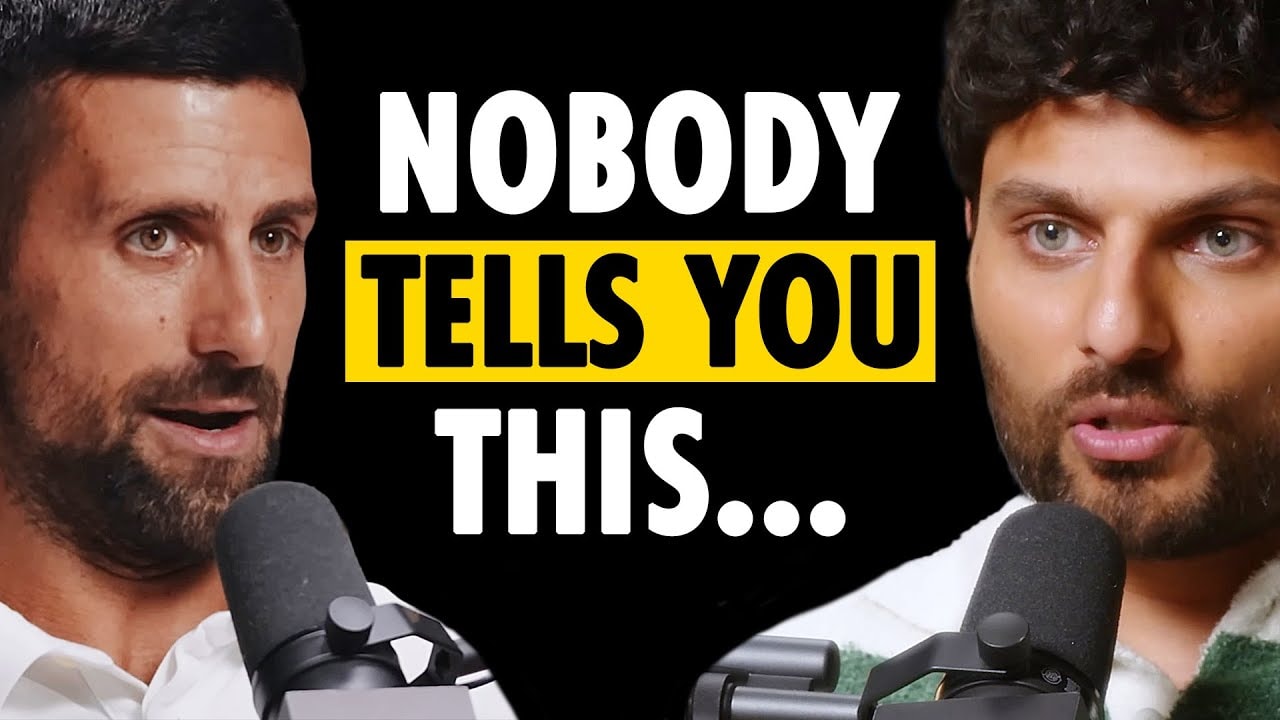
Novak Djokovic joins Jay Shetty to reflect on his early coach, responsibility for his response to a match, ambition after major achievements and sharing experience with younger players. His personal practices and beliefs are presented as his experience, not medical advice or proven performance techniques.
The Ranveer Show
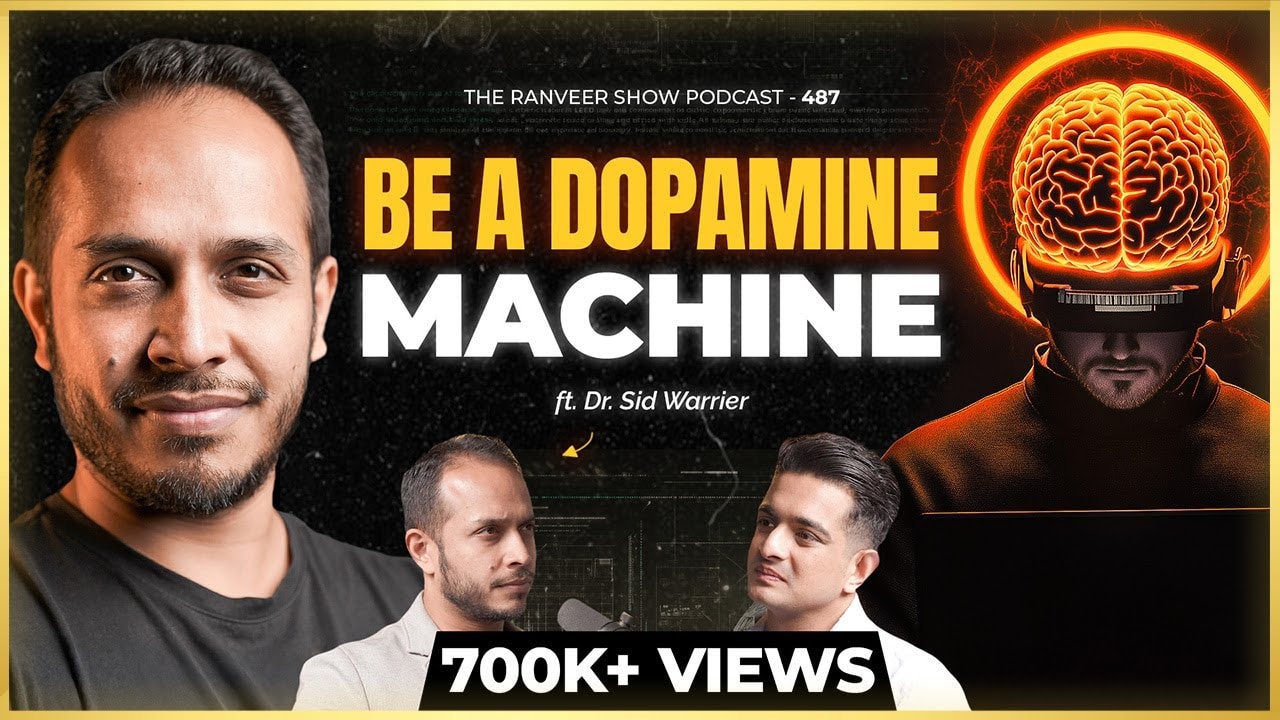
Neurologist and neuroscientist Dr. Sid Warrier returns to The Ranveer Show for a neuroscience special built around one question: how is a high achiever's brain actually different, and can anyone become one? FULL COVERAGE: notes span the entire episode. Sponsor: none stated. Everything here is the guest's explanation of brain science as discussed on the episode; it is educational content, not medical, psychological or career advice - consult a qualified professional for personal health concerns. His answer: yes, anyone can, because all high performance is problem-solving, and the two ingredients are motivation and time. The molecule in the middle is dopamine - not the happiness chemical but the motivation molecule, the glue that directs neuroplasticity. What you are motivated for rises in value in your brain, attention follows value, and dopamine plus serotonin rank everything competing for your time, from cricket to Netflix to your family. His bottom line for professionals: choose a job you enjoy - and if you cannot, reverse-engineer enjoyment through identity, the way he hooked his self-image as a curious puzzle-solver onto medicine. The episode then dismantles the buzzword version of neuroplasticity: your synaptic wiring is uniquely yours, coded by childhood experience (the twins-and-the-dog thought experiment), and it is always running - you cannot make your brain more plastic, you can only choose what it is learning, because a lazy brain has simply learned that laziness works. The prefrontal cortex, the CEO of the brain, holds information long enough to learn from mistakes, but it does not mature until about 25 - so problems faced earlier can sit unresolved for decades until suppression turns into behavior. Therapy, in his one-line definition, is outsourcing your prefrontal cortex: borrowing a trained one until yours can do the job, which is also why you are wise about your friend's relationship and a mess in your own. On healing: there is no appropriate time to get over a breakup - recovery depends on the depth of the wound and the health of the whole system, which is why sleep, family, finances and fitness decide recovery speed. The practical core is his good-strokes-versus-bad-strokes frame: bad strokes are external dopamine spikes (alcohol, hookups, binge-watching, sad music on loop) that run out and leave you lower; good strokes are movement and community. His most quoted rule of thumb: whenever you are feeling low, don't take any decision until you go for a walk - and take the fight with your partner on three rounds around the building before you keep talking. He closes with the physiology of stress: the sympathetic and parasympathetic systems, why scrolling is not rest, how chronic threat posture shows up as neck and back pain with perfectly normal scans, why stretching can release stored emotion, and why suffering and growth are the same road.
The Joe Rogan Experience
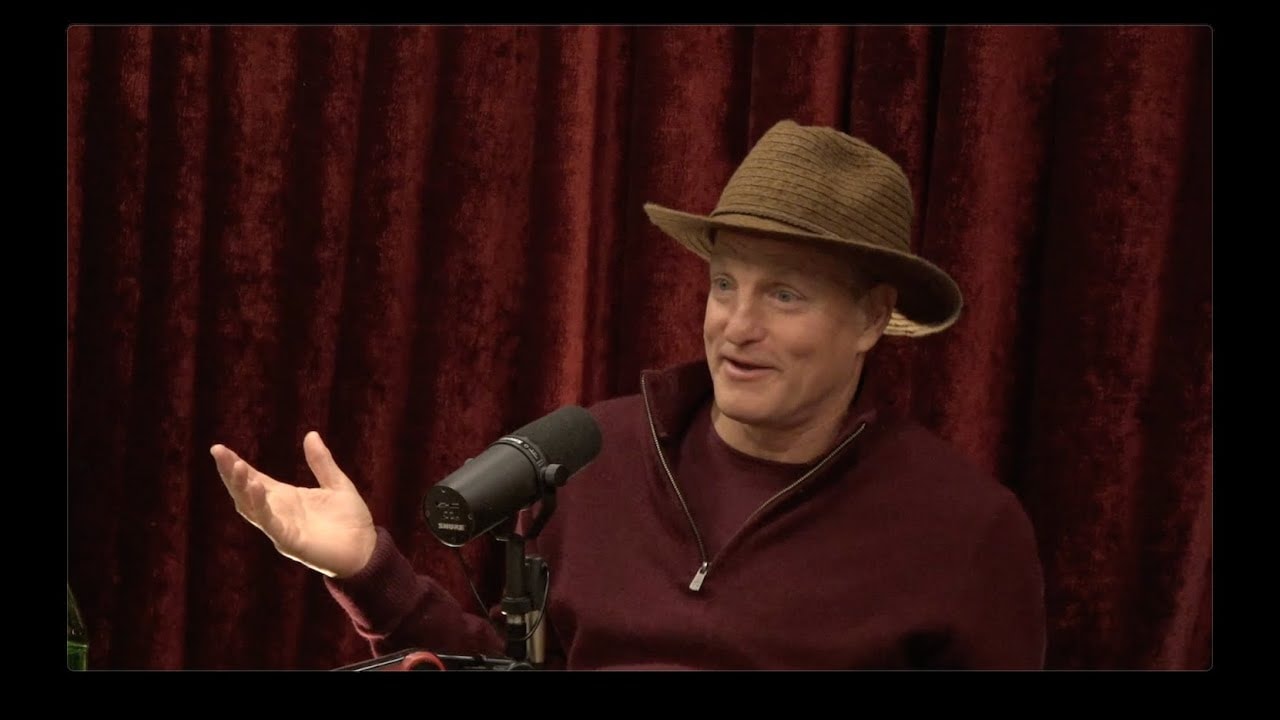
Woody Harrelson joins Joe Rogan to talk about political history, wealth and morality, and war profits. Partial coverage: this note covers the opening portion of the roughly 2h31m episode; the political claims are the speakers' own and not verified here.
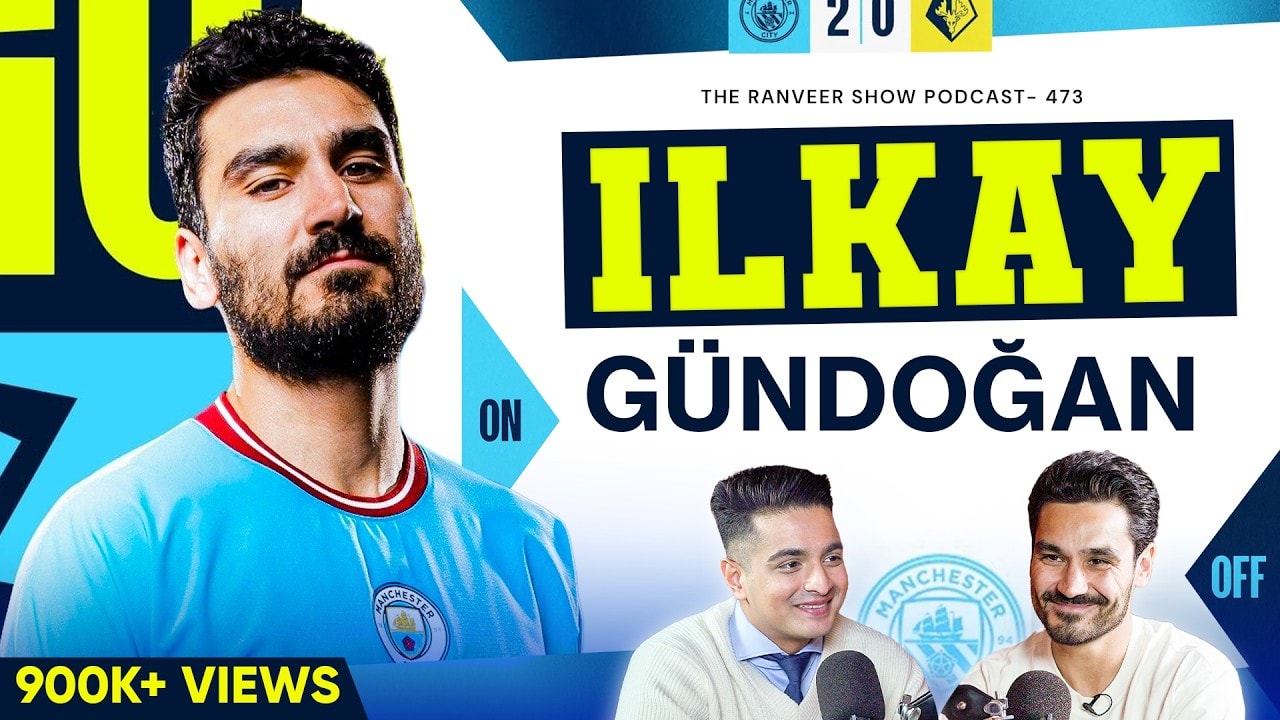
The Ranveer Show
İlkay Gündoğan, Manchester City captain and one of the most decorated midfielders of his generation, sits down with Ranveer Allahbadia for his first Indian podcast - a conversation about mentality far more than match analysis. FULL COVERAGE: notes span the entire episode. Sponsor: none stated. All match details, opinions and personal stories are as shared by the guest in January 2025; nothing here is professional advice. Gündoğan explains what actually powers City's 'one consciousness' football: eight or nine years under one manager, teammates who have known each other just as long, and a coach in Pep Guardiola who 'kind of enjoys' turning difficult periods around and would rather lose with his philosophy than abandon it. He traces Cruyff's line through Pep and Barcelona's identity, and explains why La Masia keeps producing players like Pau Cubarsí, who made decisions like a 25-year-old at 17. The human core of the episode is rarer: a man with nearly every trophy admitting 'I don't have that sensation of pride,' describing happiness that rises and falls with results, the bad moods his family absorbs after defeats, and why even at 33 or 34 the pressure feels no different than it did at 18. He revisits the self-doubt of his first six months at Dortmund - replacing Nuri Şahin, convinced the step was too big - and how Jurgen Klopp managed him like a father, pulling him out of the squad entirely before reintroducing him slowly into a double-winning season. On improving a country's football (with India explicitly in view): it always starts with youth development, the culture has to make kids love the game, and it takes at least a generation. Plus: Jamal Musiala and Florian Wirtz's path from 'very close' to world class through Champions League wins and consistency, Erling Haaland's routines, the night a teammate's toilet break left Barcelona playing with ten men in Porto, match-day meals (pasta the night before, just coffee and banana bread on game day), and why he plays Football Manager instead of EA FC.

The Ranveer Show
Ranveer Allahbadia flies to London and sits down with Manchester United legend Rio Ferdinand for the episode that kicks off TRS's international phase and reveals the show's new logo. FULL COVERAGE: notes span the entire conversation. Sponsor: none stated. All stories and claims are the speakers' own as told on the show. Rio opens up on why he still goes hard after retirement - his kids watch his habits, and a father lying in bed teaches them the wrong life. He traces his drive to a Peckham childhood with hardworking parents and a mother whose empathy held the neighborhood together, and explains why he wants to be remembered for something beyond football: if people only talk to him about United in ten years, he feels he will have failed his next phase. Inside the United dressing room: he and Nemanja Vidic each privately believed they were the best but competed to be the best pair; 95% of his toughest games were in training against Rooney, Tevez, Berbatov, Ronaldo, Nani and Saha; and everything - cards, table tennis, SOCOM and FIFA on team buses - was competition, because you cannot switch competitive energy off and expect it to come back at the same height. He admits he had no empathy as a player, mentally deleting injured teammates, and would change that now. On Sir Alex Ferguson: the great observer who almost never entered the training-ground changing room, let leaders govern standards, delegated every department, and recruited for culture - a management style Rio says the club has missed since he left, arguing great teams need underlying fear and real repercussions (he points to Pep's City and Klopp's Liverpool) and that accepting substandards has cost United. Ranveer shares his own matching lesson: branding his first agency a 'family culture' got taken advantage of until he rewrote it as a sports-team mentality. The conversation turns deep on grief: Rio's wife Rebecca and his mother died in quick succession, his BBC documentary forced him to talk, and his message to his younger self is that it is okay to be vulnerable and okay to cry - he argues schools teach everything except death, the one guaranteed thing. He chose his three children over a managerial career he was starting when Rebecca passed. On Cristiano Ronaldo: a deep, curious conversationalist who calls NASA for recovery margins and uses critics as fuel. On fatherhood: be the parent, not the coach; his kids are not 'Rio Ferdinand's kids', they just happen to have a dad who played football. It closes with India - his love for Delhi's energy, the smiles he saw amid poverty, watching a funeral procession in the street, a promise to bring his podcast to India, and Ranveer's vow that a 4 a.m. landing still earns a full Mumbai food tour.

