


How I Built a Skate Empire Almost Entirely by Accident
Executive Summary
Paul Rodriguez describes how Primitive grew from a sneaker shop into a skate and apparel brand, beginning as a way to prepare for life after professional skating. He explains earning a Nike retail account, seeing store merchandise become a clothing line and testing a limited gold-board release before building the wider skate brand. Notes cover selected business passages from the full public auto-captions, checked against official Shopify show notes dated August 25, 2026. Revenue and sellout figures are claims made in the interview, not independently audited results. This is a retrospective with established athlete reach and business partners already in place, not proof that any new brand can repeat the drop. Personal fear, injury and faith discussion is not summarized.
Key Takeaways
Plan for after the career
Knowing skating has a window, he agreed to his partner's idea of a sneaker shop at about 20 so he would have something once he retired. It was his first and only job at that point.
Earn the access
Nike made them write a business plan with projections, show a location not near other SB retailers, and gave no favoritism. Once they had Nike, other brands followed.
Downplay the name
He kept his own name off the store because he is shy and skate culture punishes self-promotion. It became Primitive.
Merch becomes a line
Store merch became a clothing line and other stores began carrying it. He says it felt organic from his side while his partners likely saw it coming.
The gold board accident
After leaving Plan B he planned to sell signature boards on his own site. He spray painted blanks, only gold dried well, fans on Instagram liked them, and the manufacturer sent gold foil boards.
Drop model
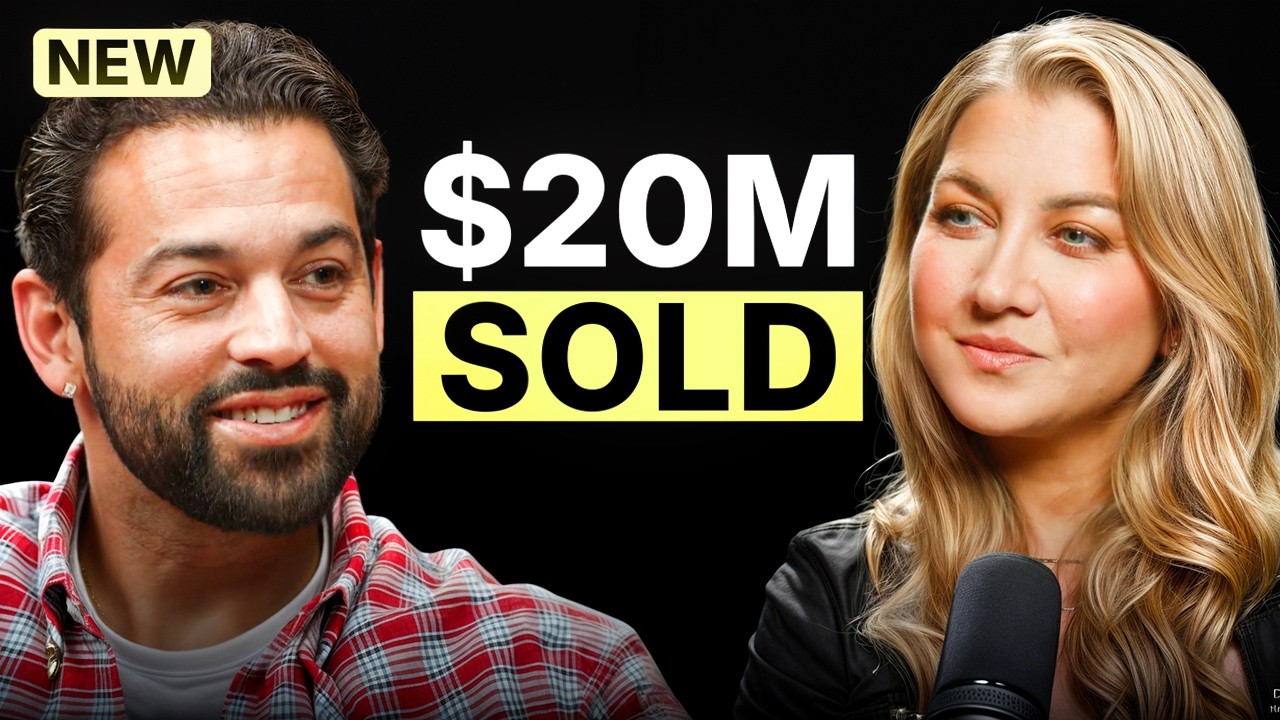
They made 500 signed and numbered boards, ran a seven-video, seven-day rollout, and the drop sold out within two minutes. He says marketing with slow-motion shots cost relatively little.
Brand over athlete
A partner argued that Primitive could last longer than a pro. With Nike restrictions on promoting apparel, he pivoted from pro-model boards to building the Primitive brand, citing Louis Vuitton as a brand that outlives its founder.
The Conversation Breakdown
Plan for after the career
⏱ Untimed topicKnowing skating has a window, he agreed to his partner's idea of a sneaker shop at about 20 so he would have something once he retired. It was his first and only job at that point.
Earn the access
⏱ Untimed topicNike made them write a business plan with projections, show a location not near other SB retailers, and gave no favoritism. Once they had Nike, other brands followed.
Downplay the name
⏱ Untimed topicHe kept his own name off the store because he is shy and skate culture punishes self-promotion. It became Primitive.
Merch becomes a line
⏱ Untimed topicStore merch became a clothing line and other stores began carrying it. He says it felt organic from his side while his partners likely saw it coming.
The gold board accident
⏱ Untimed topicAfter leaving Plan B he planned to sell signature boards on his own site. He spray painted blanks, only gold dried well, fans on Instagram liked them, and the manufacturer sent gold foil boards.
Drop model
⏱ Untimed topicThey made 500 signed and numbered boards, ran a seven-video, seven-day rollout, and the drop sold out within two minutes. He says marketing with slow-motion shots cost relatively little.
Brand over athlete
⏱ Untimed topicA partner argued that Primitive could last longer than a pro. With Nike restrictions on promoting apparel, he pivoted from pro-model boards to building the Primitive brand, citing Louis Vuitton as a brand that outlives its founder.
Core Frameworks & Ideas
Build an asset beyond one career
Rodriguez and his partners wanted a business that could continue after professional skating. Primitive became a shared brand rather than only a series of products tied to his own athlete name.
Test a limited product release
The team made 500 signed and numbered gold boards and promoted them over seven days. Customer interest justified that specific test; the result depended on existing reach and a product people already noticed.
Keep the core while reaching outside it
Rodriguez describes maintaining a high-level skate team while collaborations brought in customers who were not skate fans. He treats the balance as ongoing work, not a once-and-done choice.
Actionable Next Steps
- ✓Plan a second career while the first one is still going well.
- ✓Test demand with a limited numbered drop and a short teaser sequence.
- ✓Build the brand around more than one person.
- ✓Write down what keeps your core audience interested before planning a broader collaboration.
Notable Quotes
“a brand in theory can outlast a person”
“you might as well be invisible”
“we just sold 500 boards in 2 minutes”
The One Thing to Remember
a brand in theory can outlast a person