

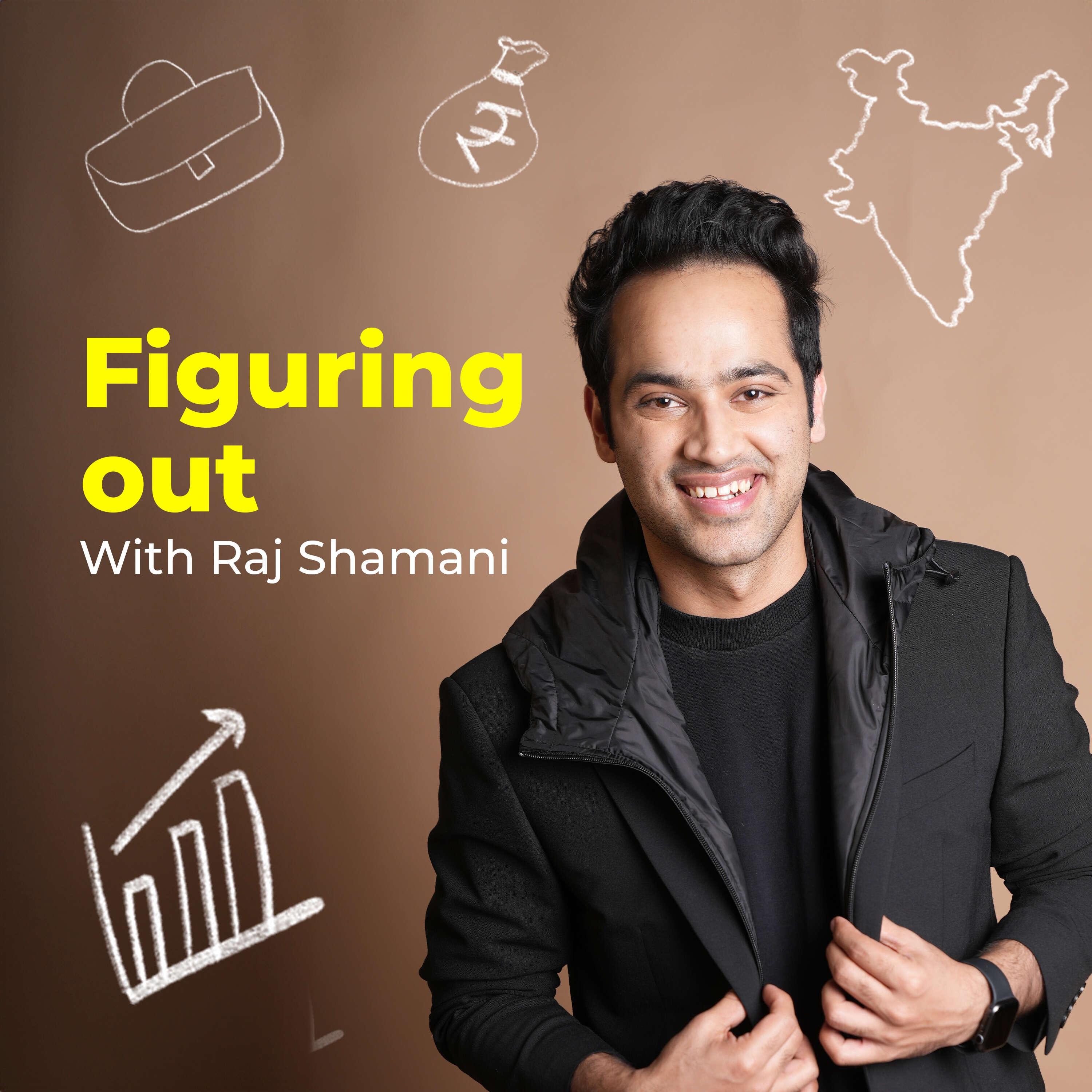
College Dropout To Building A SUCCESSFUL Unicorn - OYO's Founder Ritesh Agarwal | FO32 - Raj Shamani

Executive Summary
Agarwal says his career was not a detailed plan to build a unicorn. He wanted to try new things, learned from small businesses and moved toward the accommodation problem by spending time in hotels. He argues for making an earnest effort to explain a plan to family rather than assuming parents must be abandoned to pursue entrepreneurship. Later, direct conversations with hotel owners help him understand why business growth matters less when payouts and issue resolution do not meet their needs. His learning methods include reaching out to experienced people, agenda-free conversations with junior colleagues and studying other apps. Recruiting is described as patient, repeated work rather than a single shortcut. For scaling he offers PPCC: playbook, people, cadence and cost. A playbook needs people who can adapt it, reviews that surface changes and operating efficiency rather than costs rising automatically with size. He distinguishes creative, resourceful problem solving from merely hiding something broken. These are lessons from his reported journey, not guarantees or a current audit of the business.
Key Takeaways
Do not confuse the outcome with an original master plan
Agarwal says he did not design every step toward a large company. Early experiments and curiosity brought him closer to entrepreneurship. Retelling a successful journey can make it look more predictable than it was at the time.
Explain the plan to the people who care about you
He challenges the idea that leaving home or rejecting family is automatically necessary to build a company. He recommends trying to understand and persuade parents just as a founder must later understand customers and investors. This is general reflection, not advice to stay in an unsafe home.
Direct contact reveals what growth figures miss
Hotel owners told him that payment timing mattered to everyday cash needs and that issue resolution was important. He says direct, two-sided conversations made it easier for each side to understand the other. A partner's rising revenue is not enough if the cash and service experience still fail.
Non-scalable work can produce scalable insight
He recounts staying in hotels before and after starting OYO and holding direct meetings with owners. Those efforts are time-intensive but reveal details a dashboard or feedback form can miss. The insight can later guide a repeatable process.
Make learning a recurring activity
His examples include contacting people with relevant experience, talking without an agenda to junior colleagues and studying apps to see product decisions. Teams can share what they learn rather than leave discovery to one founder. Curiosity is useful when connected to a real operating question.
Scaling needs all four parts of PPCC
Playbook, people, cadence and cost are his scaling framework. The playbook should be repeatable, people should be able to change it with judgment, reviews should reveal new problems and costs should be watched for operating efficiency. Copying a procedure exactly is not the same as understanding it.
Resourcefulness should create value, not conceal a defect
Agarwal distinguishes hiding a broken thing from creative problem solving under limited resources. He uses early hotel signage as an example of low-cost brand visibility. A shortcut should solve the constraint rather than disguise the failure for the next person to discover.
The Conversation Breakdown
Learning and an unplanned path
⏱ 02:13Agarwal discusses curiosity and says his growth was not a complete design laid out as a teenager. He recounts early business experiments and his background.
Leaving home and family support
⏱ 08:03They discuss whether a founder must leave home to follow a dream. Agarwal emphasizes understanding family concerns and making a serious attempt to explain the plan.
Working with small hotel owners
⏱ 16:06The interview examines platform power, trust and the needs of small partners. Direct feedback on payout timing and problem resolution becomes a practical example.
Trust and learning from the ground
⏱ 32:31They discuss straightforward communication and listening to both sides. Agarwal's hotel stays and direct owner meetings are examples of non-scalable work producing useful insight.
Learning from people and products
⏱ 35:36Agarwal recounts cold outreach, meeting experienced entrepreneurs and learning through books, conversations and app exploration. The tactics are historical examples, not permission to contact anyone on a reader's behalf.
Recruiting and the PPCC scaling model
⏱ 53:34Recruiting requires persistence. Scaling then depends on playbook, people, cadence and cost, with judgment to change the process rather than follow it mechanically.
Creative resourcefulness and Indian brands
⏱ 65:23They discuss low-cost signage and early growth tactics, then consider building brands beyond India and the value of content. The discussion is from 2022 and does not establish current company practice.
Core Frameworks & Ideas
PPCC
Playbook, people, cadence and cost: document what works, recruit people with judgment, review changes and protect efficiency.
Non-scalable insight
Use direct conversations and first-hand observation to learn what a scalable process must actually solve.
Creative resourcefulness
Solve a difficult problem within constraints instead of covering up a broken process.
Actionable Next Steps
- ✓Talk directly with a customer or partner about one recurring problem that your dashboard does not explain.
- ✓Write a short playbook for a process, including when the team should question or change it.
- ✓Set a review cadence that checks both results and the cost of achieving them.
- ✓Study a few relevant products and share one concrete lesson with your team.
Notable Quotes
“doing non-scalable things, also create the most value”
“Learning from the last mile, is just fascinating.”
“Focus on playbook and people.”
The One Thing to Remember
Get close to the people and problems first; then scale with a playbook that can still change when reality changes.