

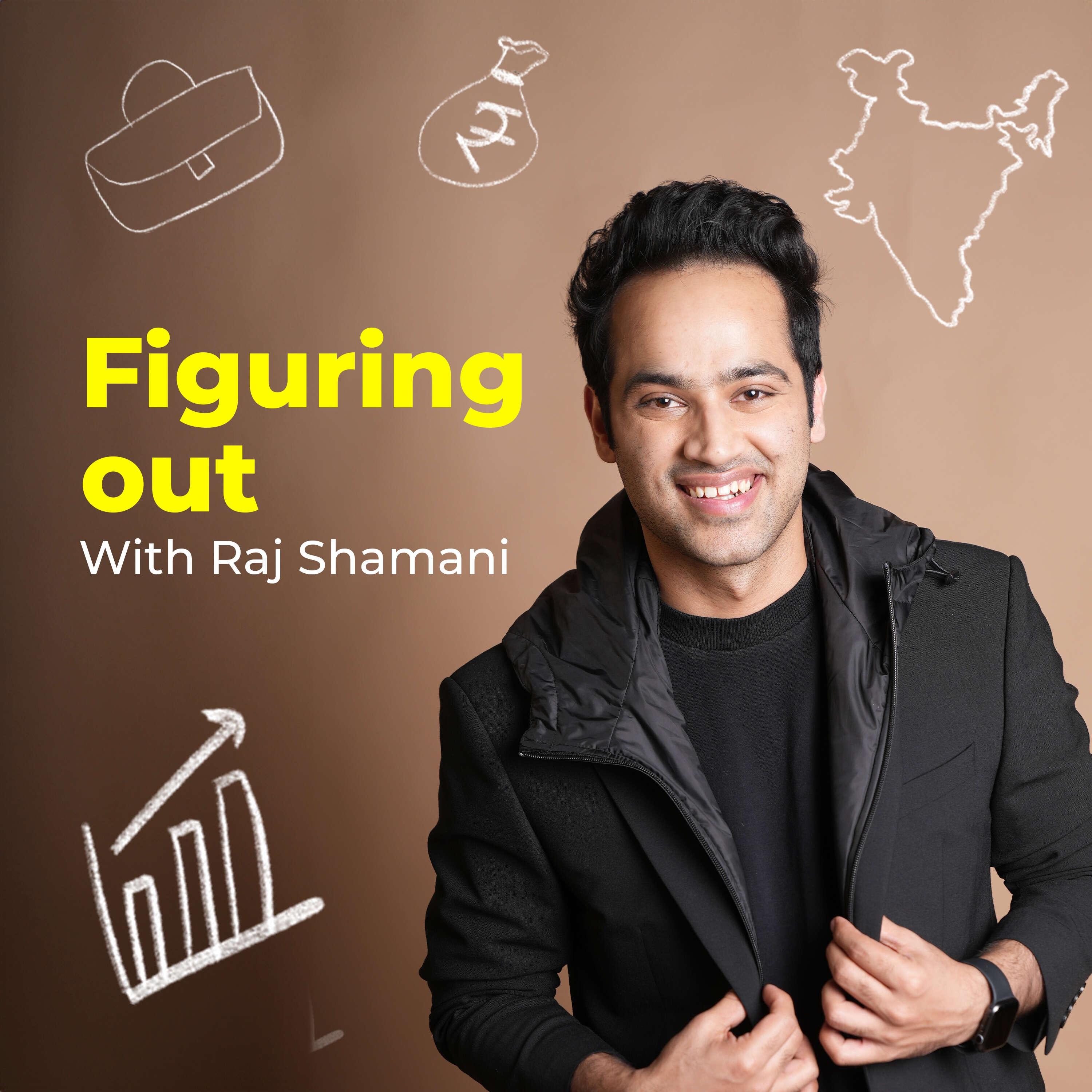
Grandmaster Praggnanandhaa: Childhood, Money, Failure, Samay Raina & PM Modi | FO392 Raj Shamani

Executive Summary
R. Praggnanandhaa discusses chess practice, competition and the family support behind his career. Selected sport and training passages only; political meetings, clinical or mental-health language, rivals' personal assessments and sponsor material omitted. Rough auto-captions lack speaker labels; quotes retain exact caption wording and attribution follows interview context. His name is confirmed in the official description. Personal career accounts are his own, not general prescriptions. Untimed topics are not video chapters. Source: https://www.youtube.com/watch?v=HgMrUVpqQXU
Key Takeaways
Use a familiar routine for important games
Praggnanandhaa says he tries to prepare for an important game as he would for a normal one, maintaining the routine used during the tournament. He does not claim that this removes every difficult feeling. The practical lesson is to avoid adding a new preparation system solely because one event has more attention.
Work on the part you control
He says there are always things outside your control and that you should do what you can well. His example links a conversation's quality to more than one person. In sport or work, separate the effort and decisions you can make from the final result you cannot fully dictate.
Solve specific positions in practice
He describes a trainer presenting different kinds of chess positions and requiring the best decision in each. This trains understanding rather than only the habit of playing full games. Use representative problems that force a choice and review the reasoning behind it.
Combine guided and independent practice
He describes days working with a trainer and days training himself. Those are different ways to keep learning, not mutually exclusive choices. Feedback can expose a weakness while independent practice lets a player spend time working on it.
Account for the whole training day
He recalls traveling to his trainer, a long session and rest afterward. The schedule is his own retrospective account, not a suitable workload for everyone. A realistic practice plan includes travel and recovery rather than count only hours at the board.
Recognize support around performance
He describes his mother traveling with him and his father managing other work so he could play and train. The visible player is not the whole support system. Name the practical help needed around a goal without assume another person has agreed to provide it.
Use progress as feedback, not only a label
He recalls early tournament results encouraging him and his family to continue, while describing his current focus as improving at chess. Those events are his account, not a guaranteed path for another child. Review evidence of learning and interest instead of decide a person's future from one title or result.
The Conversation Breakdown
Use a familiar routine for important games
⏱ Untimed topicPraggnanandhaa says he tries to prepare for an important game as he would for a normal one, maintaining the routine used during the tournament. He does not claim that this removes every difficult feeling. The practical lesson is to avoid adding a new preparation system solely because one event has more attention.
Work on the part you control
⏱ Untimed topicHe says there are always things outside your control and that you should do what you can well. His example links a conversation's quality to more than one person. In sport or work, separate the effort and decisions you can make from the final result you cannot fully dictate.
Solve specific positions in practice
⏱ Untimed topicHe describes a trainer presenting different kinds of chess positions and requiring the best decision in each. This trains understanding rather than only the habit of playing full games. Use representative problems that force a choice and review the reasoning behind it.
Combine guided and independent practice
⏱ Untimed topicHe describes days working with a trainer and days training himself. Those are different ways to keep learning, not mutually exclusive choices. Feedback can expose a weakness while independent practice lets a player spend time working on it.
Account for the whole training day
⏱ Untimed topicHe recalls traveling to his trainer, a long session and rest afterward. The schedule is his own retrospective account, not a suitable workload for everyone. A realistic practice plan includes travel and recovery rather than count only hours at the board.
Recognize support around performance
⏱ Untimed topicHe describes his mother traveling with him and his father managing other work so he could play and train. The visible player is not the whole support system. Name the practical help needed around a goal without assume another person has agreed to provide it.
Use progress as feedback, not only a label
⏱ Untimed topicHe recalls early tournament results encouraging him and his family to continue, while describing his current focus as improving at chess. Those events are his account, not a guaranteed path for another child. Review evidence of learning and interest instead of decide a person's future from one title or result.
Core Frameworks & Ideas
Position-based practice - editorial label
Use varied realistic problems that require choosing and explaining a move.
Control and result - discussed distinction
Focus on the decisions and effort available without promise complete control of the outcome.
Guided plus independent work - editorial label
Combine a trainer's feedback with personal practice rather than wait for only one form of learning.
Actionable Next Steps
- ✓Choose three representative problems for your next practice.
- ✓Write the preparation routine you can repeat.
- ✓Include travel and rest in a practice plan.
- ✓Identify the practical support a goal needs and ask before assume it.
Notable Quotes
“there are always things that are out of your control.”
“I never did things that teenagers do.”
“I feel this is the time for chess so I just do it.”
The One Thing to Remember
Practice specific decisions and keep the routine steady when a game matters more.