


How “Financial Psychology” Pays Off Forever - Morgan Housel
Executive Summary
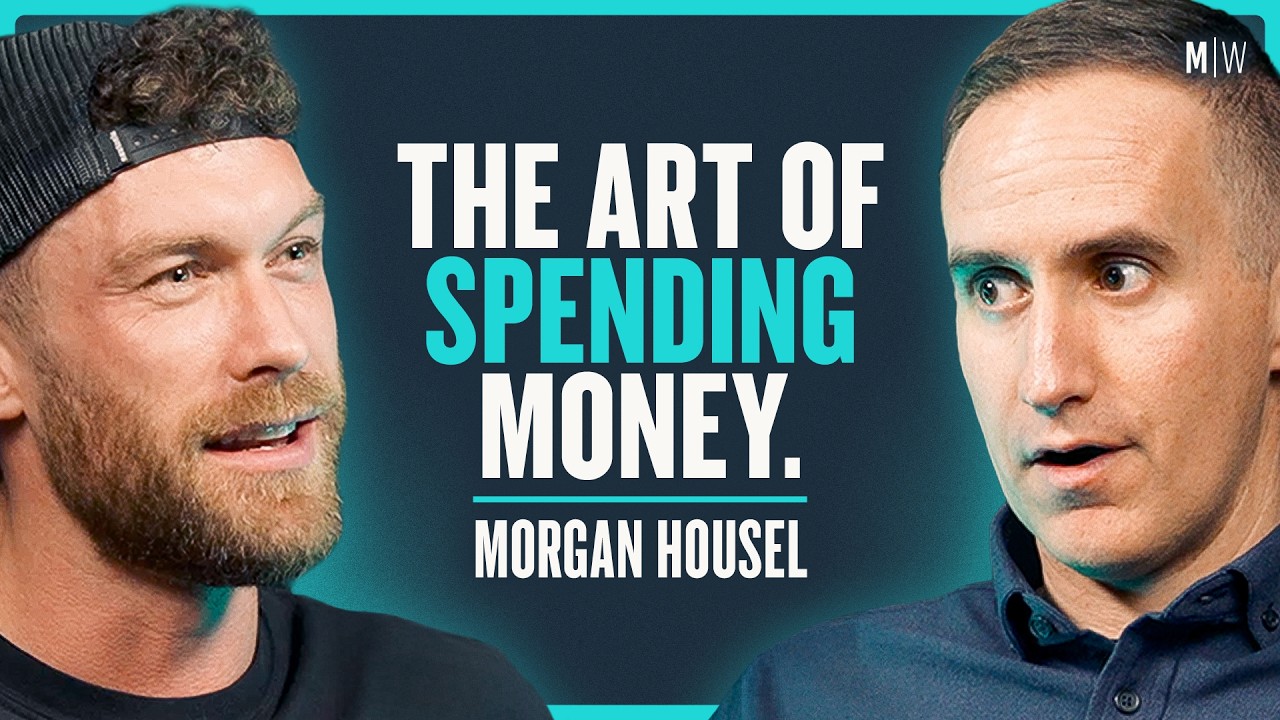
Morgan Housel joins Chris Williamson to discuss what spending reveals about identity, wealth as independence, purpose and comparison. This selected summary covers the early discussion only, not inheritance, housing, parenting or the later storytelling section. Anecdotes and generalizations are his perspective, unverified here. Not investment advice; untimed editorial topics are not video chapters.
Key Takeaways
Spending tells a story about identity
Housel treats spending choices as a window into ambitions and the image a person wants to project. An expensive item is not automatically foolish or meaningful. Ask what job it does in your life and whether that job is enjoyment, usefulness or being seen in a particular way.
A purchase needs a lived purpose
The big-house discussion separates a visible symbol from what someone actually does with it. Housel gives examples of space supporting relationships or a preferred way of living. Evaluate a purchase by how it will be used, including its burdens, rather than by the price alone.
Wealth can mean control of your time
His personal definition centers on independence to be who you want to be. A large balance does not by itself answer whether you like your work, schedule or obligations. This is a values lens, not a universal financial definition or a claim that money cannot help.
Independence needs purpose alongside it
Housel offers independence plus purpose as his formula for a pretty good life. Freedom from unwanted commitments is different from having something meaningful to do. Define the activities you want time for as carefully as the obligations you want to leave behind.
A gain can become the new baseline
He describes adapting to the unexpected success of his book until it felt normal. The anecdote illustrates his concern about rising expectations. Enjoy progress while noticing when a previous aspiration becomes an assumed minimum; this is not a clinical explanation of happiness.
Comparison can point toward a life you do not want
The conversation asks why people compare themselves with successful people whose daily lives they would not choose. Housel argues that a selected view on social media can look like a normal peer's life. Compare whole trade-offs, not an isolated house, holiday or achievement.
Value people for more than net worth
He points to enjoyment of a comedian's work and a friend's company as examples of value that does not depend on financial success. A richer bank account need not determine warmth, respect or usefulness. Treat money as one part of life rather than the only scorecard.
The Conversation Breakdown
Spending tells a story about identity
⏱ Untimed topicHousel treats spending choices as a window into ambitions and the image a person wants to project. An expensive item is not automatically foolish or meaningful. Ask what job it does in your life and whether that job is enjoyment, usefulness or being seen in a particular way.
A purchase needs a lived purpose
⏱ Untimed topicThe big-house discussion separates a visible symbol from what someone actually does with it. Housel gives examples of space supporting relationships or a preferred way of living. Evaluate a purchase by how it will be used, including its burdens, rather than by the price alone.
Wealth can mean control of your time
⏱ Untimed topicHis personal definition centers on independence to be who you want to be. A large balance does not by itself answer whether you like your work, schedule or obligations. This is a values lens, not a universal financial definition or a claim that money cannot help.
Independence needs purpose alongside it
⏱ Untimed topicHousel offers independence plus purpose as his formula for a pretty good life. Freedom from unwanted commitments is different from having something meaningful to do. Define the activities you want time for as carefully as the obligations you want to leave behind.
A gain can become the new baseline
⏱ Untimed topicHe describes adapting to the unexpected success of his book until it felt normal. The anecdote illustrates his concern about rising expectations. Enjoy progress while noticing when a previous aspiration becomes an assumed minimum; this is not a clinical explanation of happiness.
Comparison can point toward a life you do not want
⏱ Untimed topicThe conversation asks why people compare themselves with successful people whose daily lives they would not choose. Housel argues that a selected view on social media can look like a normal peer's life. Compare whole trade-offs, not an isolated house, holiday or achievement.
Value people for more than net worth
⏱ Untimed topicHe points to enjoyment of a comedian's work and a friend's company as examples of value that does not depend on financial success. A richer bank account need not determine warmth, respect or usefulness. Treat money as one part of life rather than the only scorecard.
Core Frameworks & Ideas
Independence plus purpose
Pair control of your time with something meaningful to do. This is Housel's personal values framework.
Whole-life comparison
Look at the daily obligations and trade-offs behind an outcome, not only the visible success.
Purchase-purpose check
Ask what an item enables, how it will be used and what burden comes with it.
Actionable Next Steps
- ✓Write what a good ordinary week would contain, without mentioning net worth.
- ✓Before a large purchase, list its actual use and ongoing burden.
- ✓Identify one comparison that points toward a daily life you would not choose.
- ✓Name the people and activities you value independently of financial status.
Notable Quotes
“To me, it’s independence to be who you want to be.”
“Everyone has their own very individualistic definition of that.”
“The speed at which a luxury becomes a necessity is two seconds.”
The One Thing to Remember
Define the life you want money to support before using someone else's wealth as your scorecard.