


How To Break Anyone & Make Them Reveal Their Secrets | Evy Poumpouras | FO563 Raj Shamani
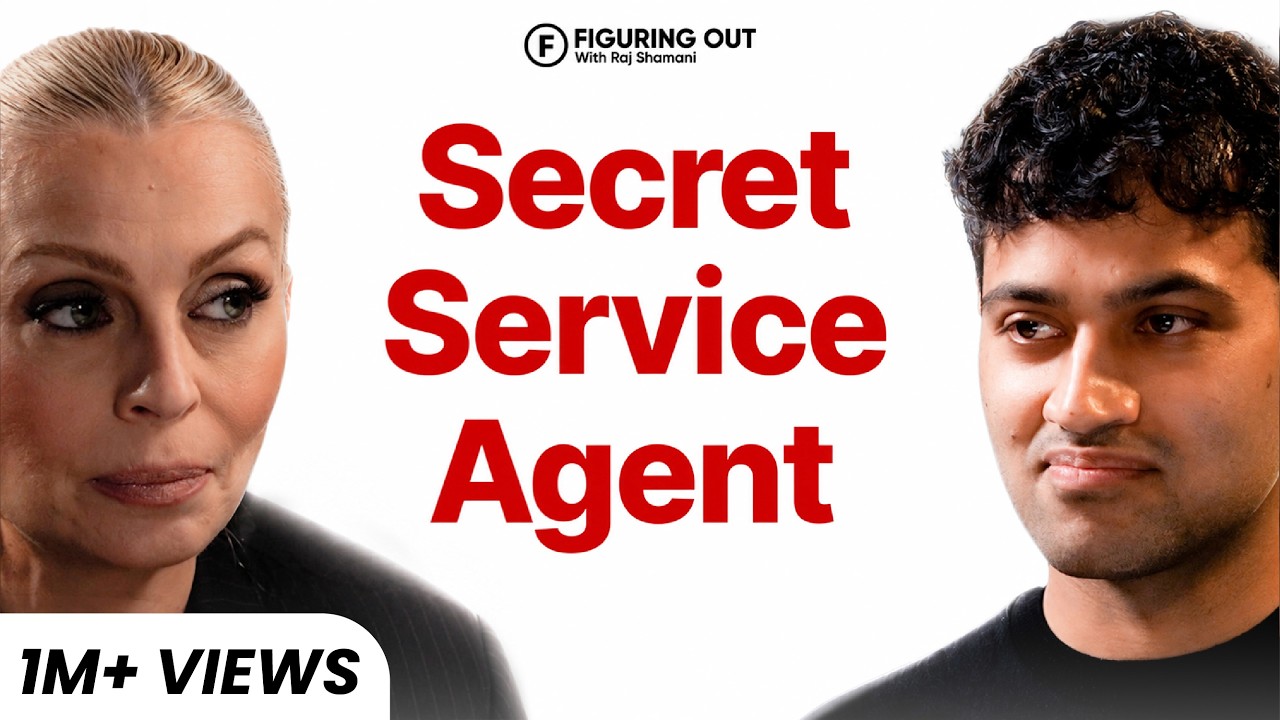
Executive Summary
Evy Poumpouras joins Raj Shamani on careful hiring, motivation, training, visible performance and professional authority. This selected summary uses an edited partial third-party transcript, not full-episode coverage. Political and mental-health topics, lie-detection and interrogation claims are excluded. Personal accounts and research claims are hers, not independently checked. Untimed editorial topics are not video chapters.
Key Takeaways
Slow hiring for high-stakes roles
Poumpouras argues that a disruptive hire can affect an entire organization and be hard to remove. She describes the Secret Service selection process as a deliberate set of filters. This is her account of that environment, not a general rule that every company should take a year to hire.
Ask what the candidate wants to serve
She contrasts applicants driven by serving something larger than themselves with those mainly testing their own ability. In her experience, the first group endured difficult selection and training better. That is an interviewer's observation, not a validated predictor or reason to reject other motivations automatically.
Treat an offer and proven performance separately
She describes a conditional offer that permits training, followed by a job only after passing it. The useful workplace distinction is between selection evidence and performance evidence. A polished interview does not itself show how someone will do the actual work.
Keep evaluating the fit in real work
Poumpouras says some problems become clear only when you work with a person every day. Her account of probation illustrates ongoing assessment after training. Applying the idea in a company still requires its own fair process and applicable employment rules.
Practice recovering from visible mistakes
Training put performance on display, including range scores. She says high-stakes work demands the ability to handle others seeing weaknesses and then improve. This describes a particular training culture, not a recommendation to shame colleagues or use public humiliation.
Separate perceived authority from competence
She discusses how voice and appearance can affect perceived authority. The studies and quick-impression figures she cites are not independently verified here. The practical takeaway is to notice presentation bias rather than mistake a confident delivery for evidence of skill.
Build a consistent professional impression
Poumpouras says reversing a negative impression takes patience, time and consistency. She also notes that people may see your online presence before meeting you. Clear conduct over time matters more than a one-off performance trick; no appearance rule guarantees trust.
The Conversation Breakdown
Slow hiring for high-stakes roles
⏱ Untimed topicPoumpouras argues that a disruptive hire can affect an entire organization and be hard to remove. She describes the Secret Service selection process as a deliberate set of filters. This is her account of that environment, not a general rule that every company should take a year to hire.
Ask what the candidate wants to serve
⏱ Untimed topicShe contrasts applicants driven by serving something larger than themselves with those mainly testing their own ability. In her experience, the first group endured difficult selection and training better. That is an interviewer's observation, not a validated predictor or reason to reject other motivations automatically.
Treat an offer and proven performance separately
⏱ Untimed topicShe describes a conditional offer that permits training, followed by a job only after passing it. The useful workplace distinction is between selection evidence and performance evidence. A polished interview does not itself show how someone will do the actual work.
Keep evaluating the fit in real work
⏱ Untimed topicPoumpouras says some problems become clear only when you work with a person every day. Her account of probation illustrates ongoing assessment after training. Applying the idea in a company still requires its own fair process and applicable employment rules.
Practice recovering from visible mistakes
⏱ Untimed topicTraining put performance on display, including range scores. She says high-stakes work demands the ability to handle others seeing weaknesses and then improve. This describes a particular training culture, not a recommendation to shame colleagues or use public humiliation.
Separate perceived authority from competence
⏱ Untimed topicShe discusses how voice and appearance can affect perceived authority. The studies and quick-impression figures she cites are not independently verified here. The practical takeaway is to notice presentation bias rather than mistake a confident delivery for evidence of skill.
Build a consistent professional impression
⏱ Untimed topicPoumpouras says reversing a negative impression takes patience, time and consistency. She also notes that people may see your online presence before meeting you. Clear conduct over time matters more than a one-off performance trick; no appearance rule guarantees trust.
Core Frameworks & Ideas
Selection versus performance
Use interviews to select candidates, but gather separate evidence from training and real work.
Visible-performance practice
Practice being observed, taking direct feedback and improving after mistakes without turning it into humiliation.
Impression versus competence
Notice voice and appearance biases, then assess ability using actual work. This is an editorial distinction from her discussion, not a validated diagnostic tool.
Actionable Next Steps
- ✓Write down the actual work evidence needed for a critical hire.
- ✓Ask candidates what makes the job worth doing when it gets difficult.
- ✓Rehearse an observed presentation and ask for concrete feedback.
- ✓Review whether your public profile and everyday conduct send a consistent professional message.
Notable Quotes
“I think for positions like this, and even a lot of companies, it’s good for organizations to really slow down and think about who they bring in, because once you bring a problem in, it’s a problem.”
“And especially when you deal with life and death, if you can’t deal with the embarrassment of performing badly and people seeing it, then you can’t do it.”
“And it takes a lot of patience and a lot of time and a lot of work on your end, consistency, to change that.”
The One Thing to Remember
Hire carefully, test performance in real work and distinguish a confident impression from competence.