


How To Build An Unbreakable Mind & Push Beyond Your Limits | Ayyoub El Osrouti | FO578 Raj Shamani
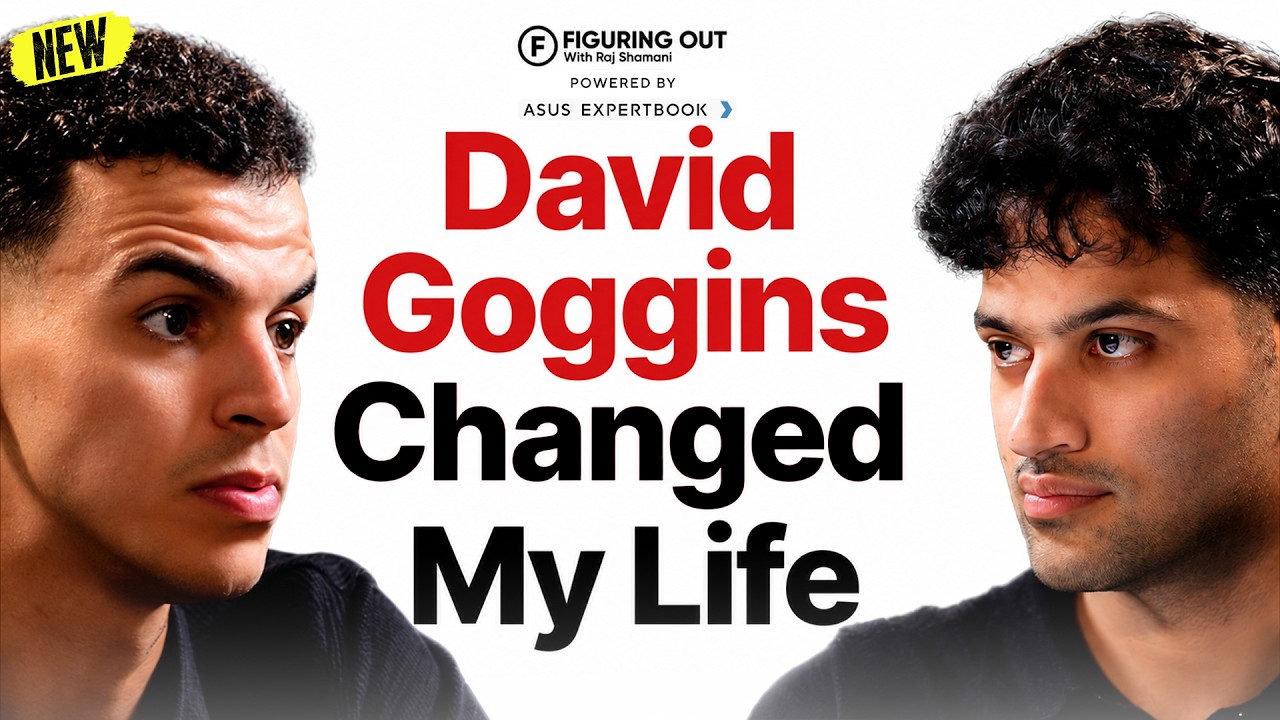
Executive Summary
Ayyoub El Osrouti, a 27-year-old ultra runner from a Moroccan family in Germany, joins Raj Shamani after running 93 loops - about 623 kilometers - in a Backyard Ultra, a race of 6.7 kilometers every hour on the hour where only the last man standing finishes. He explains why his body, not his mind, ended the race: a swollen right side, an inner thigh inflamed from loop 40 and an Achilles problem from loop 87, and how four years of training taught him the line between discomfort and damage. He describes sleeping about 60 minutes across 93 hours in four-to-five-minute naps between loops, the hallucinations that come when sleep slips, and the David Goggins books and podcasts that turned him from a self-described black sheep who worked in his father's supermarket from age ten into a professional ultra runner coached by world record holder Sam Harvey. He also walks through his full training week of easy runs, intervals at 85 to 90 percent of race pace, long weekend sessions and three gym days. PARTIAL COVERAGE: this summary is built from the first portion of the episode's captions, roughly the first hour of a nearly three-hour conversation. All claims are the guest's own, not independently verified. Sponsor: ASUS ExpertBook. Nothing here is medical or training advice.
Key Takeaways
A Backyard Ultra has no finish line
Runners cover 6.7 kilometers every hour on the hour, resting only in the minutes left before the next loop, and the last man standing wins; Ayyoub stopped at 93 loops, about 623 kilometers, while the world record stands at 119 loops, held by his own coach Sam Harvey.
His body quit before his mind
At the last loop his right side was swollen, his inner thigh had been inflamed since loop 40 and his Achilles had hurt since loop 87; he says his mind still wanted another loop, but experience told him this was damage, not discomfort.
Ninety-three hours on sixty minutes of sleep
He slept in four-to-five-minute naps between loops, mostly in the final 20 loops, and says sleep management is what keeps hallucinations away - when it slipped, he saw dogs and cats that were only water on the ground.
Goggins turned a black sheep into a professional
Ayyoub describes partying and doing nothing, working in his father's supermarket from age ten, then reading David Goggins' books and listening to every podcast and video until the mental lessons stuck and he began running 170 to 200-plus kilometers a week.
The training week is simple and relentless
Easy 60-minute outdoor runs, interval days like eight times three minutes at 85 to 90 percent of race pace, one longer pace run on Friday, and the weekend block he calls the most important: two hours on Saturday and three on Sunday, always outside because races are outside.
Strength work is non-negotiable, and he skipped the wrong part
He lifts three times a week - squats, Romanian deadlifts, calf raises - but admits he had not trained single-leg movements for hip and core stability before the race, which he links to his stiff knee on race day.
Rest means something different to him
He sleeps eight to nine hours a night and uses five-to-seven-hour buffers between double sessions instead of rest days, saying that while he rests, someone else is putting in the work - the same answer Raj heard from Michael Phelps.
The Conversation Breakdown
A Backyard Ultra has no finish line
⏱ Untimed topicRunners cover 6.7 kilometers every hour on the hour, resting only in the minutes left before the next loop, and the last man standing wins; Ayyoub stopped at 93 loops, about 623 kilometers, while the world record stands at 119 loops, held by his own coach Sam Harvey.
His body quit before his mind
⏱ Untimed topicAt the last loop his right side was swollen, his inner thigh had been inflamed since loop 40 and his Achilles had hurt since loop 87; he says his mind still wanted another loop, but experience told him this was damage, not discomfort.
Ninety-three hours on sixty minutes of sleep
⏱ Untimed topicHe slept in four-to-five-minute naps between loops, mostly in the final 20 loops, and says sleep management is what keeps hallucinations away - when it slipped, he saw dogs and cats that were only water on the ground.
Goggins turned a black sheep into a professional
⏱ Untimed topicAyyoub describes partying and doing nothing, working in his father's supermarket from age ten, then reading David Goggins' books and listening to every podcast and video until the mental lessons stuck and he began running 170 to 200-plus kilometers a week.
The training week is simple and relentless
⏱ Untimed topicEasy 60-minute outdoor runs, interval days like eight times three minutes at 85 to 90 percent of race pace, one longer pace run on Friday, and the weekend block he calls the most important: two hours on Saturday and three on Sunday, always outside because races are outside.
Strength work is non-negotiable, and he skipped the wrong part
⏱ Untimed topicHe lifts three times a week - squats, Romanian deadlifts, calf raises - but admits he had not trained single-leg movements for hip and core stability before the race, which he links to his stiff knee on race day.
Rest means something different to him
⏱ Untimed topicHe sleeps eight to nine hours a night and uses five-to-seven-hour buffers between double sessions instead of rest days, saying that while he rests, someone else is putting in the work - the same answer Raj heard from Michael Phelps.
Core Frameworks & Ideas
Discomfort versus damage
His stopping rule: years of training teach you which pain fades in the tent and which pain costs you a leg; finish the loop on discomfort, stop on damage.
Loop-by-loop ideology
He thinks in loops, not miles or kilometers - shrink the race to the next hour, finish it, then start again.
Train the way you race
Specificity: outdoor runs because races are outdoors, intervals at race pace, long weekend sessions that rehearse the actual event.
Actionable Next Steps
- ✓Add single-leg stability work to any running routine - hips and core - before long races, the gap he blames for his race-day knee.
- ✓Shrink your next hard goal to one loop: finish the hour in front of you, then decide about the next one.
- ✓Learn your own discomfort-versus-damage line gradually instead of pushing through sharp or swelling pain.
- ✓Protect the basics he repeats: eight to nine hours of sleep and no hard training in the last hour before bed.
Notable Quotes
“It's just some pain. It will go away.”
“You have time, but put the work in.”
“while I'm then resting, there are people out there putting in the work. So, I need to train.”
The One Thing to Remember
An unbreakable mind still lives in a breakable body: think in loops, put the work in, and learn the difference between discomfort and damage.