


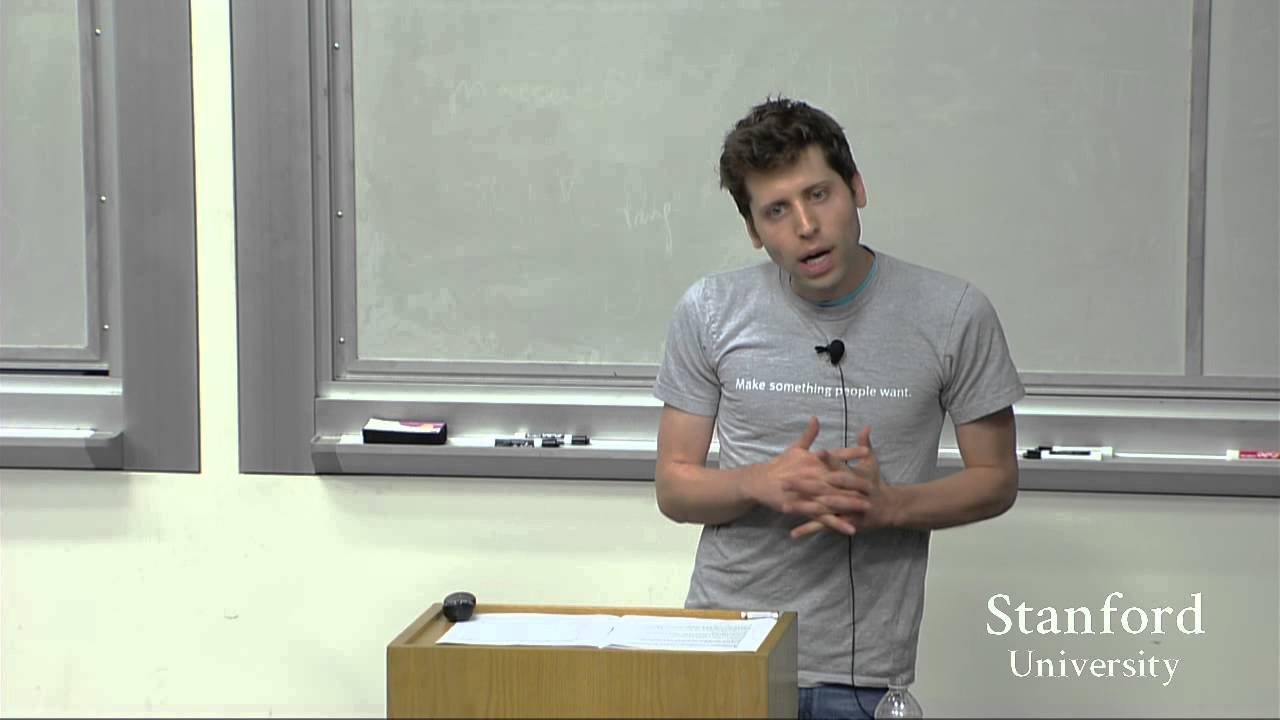
Lecture 2 - Team and Execution (Sam Altman)
Executive Summary
Sam Altman's second lecture in Stanford's 2014 How to Start a Startup course focuses on choosing co-founders, hiring a small early team and executing with focus, speed and quality. He argues for people who are resourceful, calm and capable, then explains referral recruiting, practical work tests and basic management habits. Notes cover selected hiring and execution passages from public auto-captions, with course identity checked against the official archive. The date is the September 25, 2014 video upload and the linked version runs about 46 minutes. Opening burnout and mental-health discussion is not summarized. Company examples, remote-work opinions and hiring claims reflect 2014, not universal or current rules; this is not legal or employment advice.
Key Takeaways
Choose co-founders you know and can rely on
Altman stresses working history, resourcefulness and calm decision-making. He warns against casually pairing with a stranger and treats co-founder choice as one of the most important early decisions.
Hire as few as you can
Employee count is the vanity metric, but lots of employees brings a high burn rate, complexity, tension and slower decisions. He says to be proud of how much you get done with few people.
Early hires set the tone
Compromising in the first five or ten hires might kill the company. He says that later you will compromise on some hire, but early on you cannot get it wrong.
Use referrals and evidence of past work
Altman recommends asking personal networks for candidates, discussing real projects and checking references. Working together on a short project can provide more useful evidence than brain teasers alone.
Learn to manage
First-time CEOs are usually bad managers. Make employees feel valued with real equity, give the team the credit and take the blame, avoid micromanaging, and give people new responsibility.
Discuss founder agreements early
Altman advises addressing co-founder tension promptly and settling the equity split early. Those discussions become harder as the company grows, so delaying them can create avoidable conflict.
Execution
Speed is a startup's big advantage, and you need an operating rhythm that moves fast while keeping very high quality standards everywhere. A bit of extra work often separates success from failure, and indecisiveness kills.
The Conversation Breakdown
Choose co-founders you know and can rely on
⏱ Untimed topicAltman stresses working history, resourcefulness and calm decision-making. He warns against casually pairing with a stranger and treats co-founder choice as one of the most important early decisions.
Hire as few as you can
⏱ Untimed topicEmployee count is the vanity metric, but lots of employees brings a high burn rate, complexity, tension and slower decisions. He says to be proud of how much you get done with few people.
Early hires set the tone
⏱ Untimed topicCompromising in the first five or ten hires might kill the company. He says that later you will compromise on some hire, but early on you cannot get it wrong.
Use referrals and evidence of past work
⏱ Untimed topicAltman recommends asking personal networks for candidates, discussing real projects and checking references. Working together on a short project can provide more useful evidence than brain teasers alone.
Learn to manage
⏱ Untimed topicFirst-time CEOs are usually bad managers. Make employees feel valued with real equity, give the team the credit and take the blame, avoid micromanaging, and give people new responsibility.
Discuss founder agreements early
⏱ Untimed topicAltman advises addressing co-founder tension promptly and settling the equity split early. Those discussions become harder as the company grows, so delaying them can create avoidable conflict.
Execution
⏱ Untimed topicSpeed is a startup's big advantage, and you need an operating rhythm that moves fast while keeping very high quality standards everywhere. A bit of extra work often separates success from failure, and indecisiveness kills.
Core Frameworks & Ideas
Resourceful, tough and calm
Altman treats these traits as important alongside intelligence. A co-founder should help the team act clearly when a situation is uncertain or difficult.
Small team, high hiring bar
More employees create costs and coordination work. In this historical lecture, Altman argues for delaying unnecessary hires and spending serious attention on the first people who join.
Learn management as well as recruiting
Retaining people requires fair treatment, praise, clear feedback and responsibility. Altman warns founders that being good at building a product does not automatically make them good managers.
Actionable Next Steps
- ✓Set a hiring rule that early hires must be people you would bet the company on.
- ✓Reach out to everyone you know for referrals before posting jobs.
- ✓Make decisions quickly and put a deadline on open choices.
- ✓Hold regular one-to-one conversations and give clear, specific feedback to early teammates.
Notable Quotes
“most people don't prioritize tough and calm well enough”
“it sucks to have a lot of employees”
“indecisiveness is a start up killer”
The One Thing to Remember
most people don't prioritize tough and calm well enough