


Making time for what matters | Jake Knapp and John Zeratsky (Authors of Make Time, Character VC)
Executive Summary
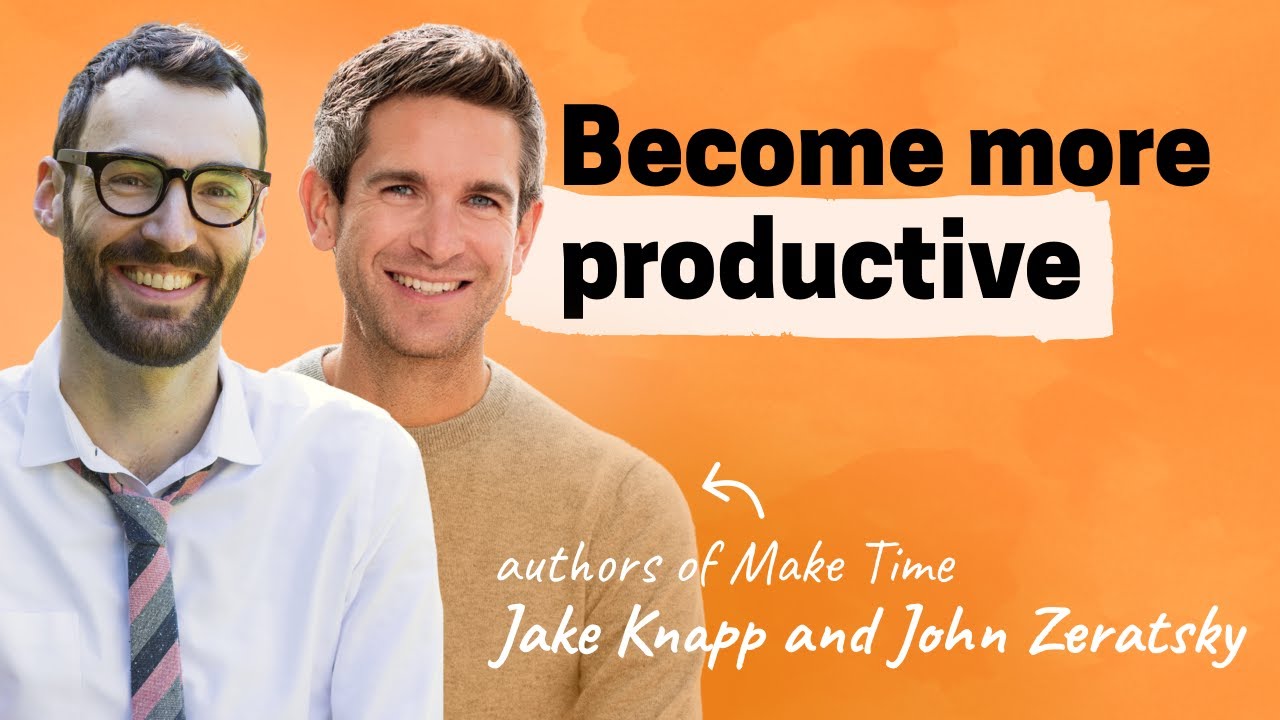
Jake Knapp and John Zeratsky join Lenny Rachitsky to discuss making time for meaningful work. This selected coverage focuses on changing defaults, the daily highlight, inbox expectations and reflection, not the complete Laser, Energize or Sprint guidance. Quotes below are Knapp's words; he credits Zeratsky with the highlight idea. Study and neuroscience references are their recollections, unverified here. Untimed topics are editorial, not video chapters.
Key Takeaways
Change defaults instead of only working faster
Knapp and Zeratsky argue that productivity is not just processing the inbox and calendar more efficiently. Their approach begins with what you want to make time for and changes the environment around it. Necessary messages and meetings still exist; they should not automatically define the entire day.
Notice why small tasks crowd out meaningful work
Knapp contrasts big, slow, non-urgent projects with small tasks that are obvious to start and quickly rewarding. He describes this as a recurring attention problem. The neuroscience language is his explanation, unverified here; the practical test is what actually captures your time.
Choose a daily highlight
Knapp credits Zeratsky with the highlight idea: imagine looking back at the end of the day and deciding what you hope to remember. It can be urgent work, a satisfying project, time with someone or a hobby. It is an anchor for attention rather than a rule that every other responsibility must disappear.
Make the highlight visible
He recommends writing the highlight on a sticky note where you will see it. The visible reminder helps you return to the intention after distractions. Try it as a small experiment rather than building an elaborate planning system first.
Reset expectations about response time
Knapp suggests discussing or stating when you check email and why, sometimes with an urgent-contact path. He says this also changes the pressure you put on yourself to reply instantly. Match any slower-response experiment to the expectations and obligations of your role.
Slow the inbox loop deliberately
He describes how fast replies create more incoming replies and keep the loop moving. Checking at chosen times can make room for focus, if the work permits it. This is a suggestion to test, not permission to miss a time-sensitive message or agreed service standard.
Reflect with curiosity rather than self-judgment
Knapp proposes looking back at the day as an experiment: did the highlight happen, what helped and what got in the way? A difficult day supplies information for the next attempt. Adjust a tactic rather than treating the result as a verdict on your worth.
The Conversation Breakdown
Change defaults instead of only working faster
⏱ Untimed topicKnapp and Zeratsky argue that productivity is not just processing the inbox and calendar more efficiently. Their approach begins with what you want to make time for and changes the environment around it. Necessary messages and meetings still exist; they should not automatically define the entire day.
Notice why small tasks crowd out meaningful work
⏱ Untimed topicKnapp contrasts big, slow, non-urgent projects with small tasks that are obvious to start and quickly rewarding. He describes this as a recurring attention problem. The neuroscience language is his explanation, unverified here; the practical test is what actually captures your time.
Choose a daily highlight
⏱ Untimed topicKnapp credits Zeratsky with the highlight idea: imagine looking back at the end of the day and deciding what you hope to remember. It can be urgent work, a satisfying project, time with someone or a hobby. It is an anchor for attention rather than a rule that every other responsibility must disappear.
Make the highlight visible
⏱ Untimed topicHe recommends writing the highlight on a sticky note where you will see it. The visible reminder helps you return to the intention after distractions. Try it as a small experiment rather than building an elaborate planning system first.
Reset expectations about response time
⏱ Untimed topicKnapp suggests discussing or stating when you check email and why, sometimes with an urgent-contact path. He says this also changes the pressure you put on yourself to reply instantly. Match any slower-response experiment to the expectations and obligations of your role.
Slow the inbox loop deliberately
⏱ Untimed topicHe describes how fast replies create more incoming replies and keep the loop moving. Checking at chosen times can make room for focus, if the work permits it. This is a suggestion to test, not permission to miss a time-sensitive message or agreed service standard.
Reflect with curiosity rather than self-judgment
⏱ Untimed topicKnapp proposes looking back at the day as an experiment: did the highlight happen, what helped and what got in the way? A difficult day supplies information for the next attempt. Adjust a tactic rather than treating the result as a verdict on your worth.
Core Frameworks & Ideas
Daily highlight
Choose one intended highlight and use it as an anchor for your attention.
Reset expectations and slow the inbox
Test a clear response rhythm that fits your work and keeps an urgent route when needed.
Reflect
Treat the day as an experiment and ask what helped or blocked the intended highlight.
Actionable Next Steps
- ✓Write one intended highlight on a note you can see.
- ✓Make a realistic block for that highlight without dropping agreed responsibilities.
- ✓Consider a response-time statement that fits your role and urgent-contact needs.
- ✓At day end, record whether the highlight happened and one useful change for the next attempt.
Notable Quotes
“It all starts with this notion of a highlight.”
“The pairing is reset expectations and slow your inbox.”
“What happened in the experiment?”
The One Thing to Remember
Choose what you want to remember from the day, make room for it and learn from what happened.