

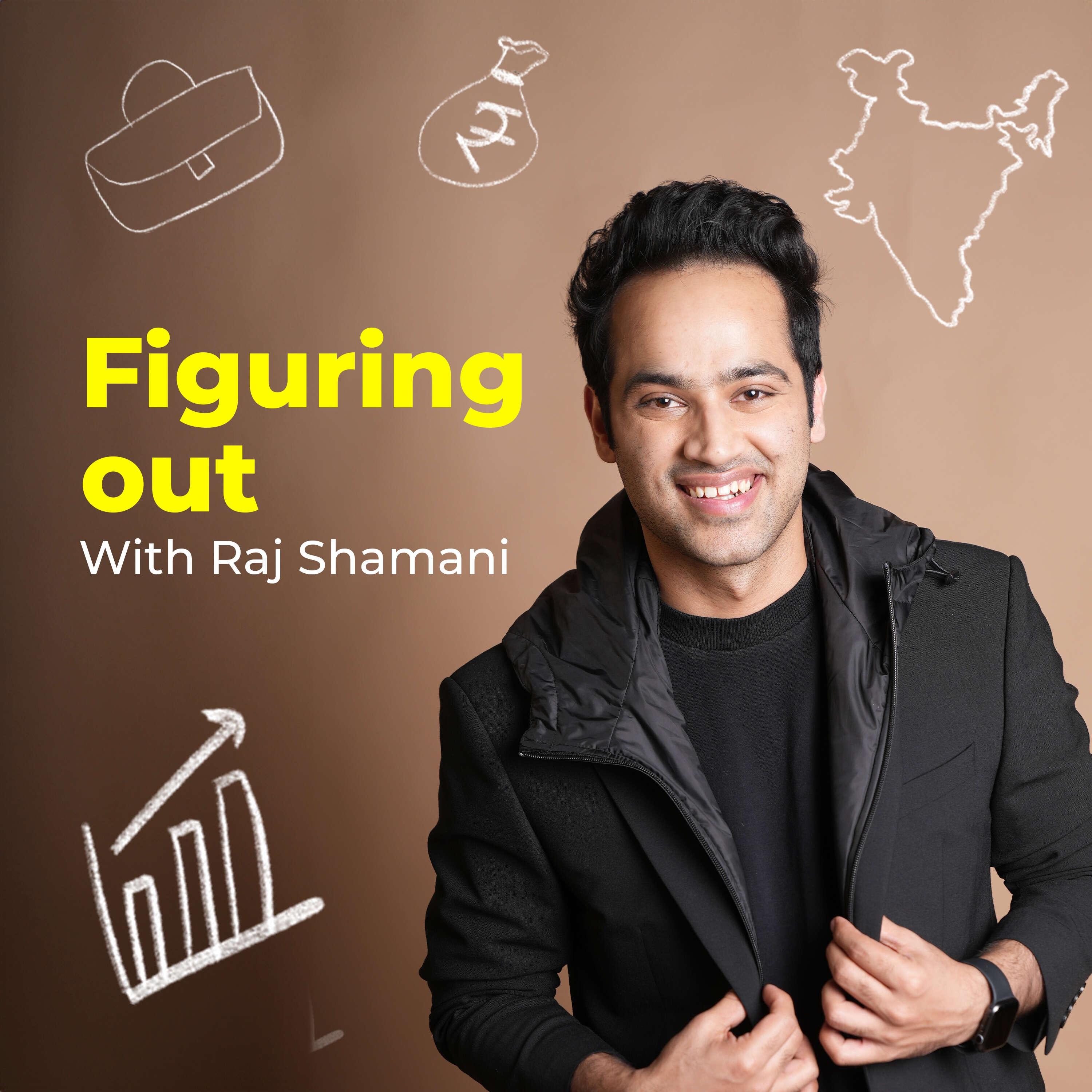
Money Trap: Why More Money Won’t Make You Rich & How to Escape | Alok Sama | FO540 Raj Shamani

Executive Summary
Alok Sama discusses entrepreneurial setbacks, selection bias in success stories, business-model discipline and the dangers of growing beyond what the economics support. Selected business coverage; AI, political and unrelated personal passages omitted. Auto-captions contain errors and no speaker labels; attribution follows interview context. Company histories and financial comparisons are his recollection, not independently verified facts or investment advice. Untimed topics are not video chapters. Source: https://www.youtube.com/watch?v=5UTkieEX-bA
Key Takeaways
Plan for difficult outcomes
Asked about the important entrepreneurial quality, Sama names resilience and says founders should be prepared for failure or extreme challenges. That does not make a loss desirable or guarantee a recovery. The planning question is what the business and its people can do if the expected outcome does not arrive.
Success stories are a selected sample
He points out that audiences hear more about large successes than ventures that failed. Memorable founder stories can leave a distorted impression of the path. Do not estimate the chances of a new business only from the people whose outcomes made them visible.
Value the business model actually present
In his WeWork account, Sama distinguishes real-estate economics from software-platform economics. The selected point is that a technology story does not change the costs and obligations of the underlying activity. His valuation comparisons are a retrospective view, not an assessment of a current security.
Match obligations to the revenue pattern
He describes an asset-liability mismatch becoming especially damaging when activity stopped. This is his explanation of a historical company problem, not an independently audited causal account. Examine what must still be paid when customers spend less before assuming growth removes the exposure.
Do not let reinforcement replace evidence
Sama says a founder can begin by selling an idea and later believe it as others reinforce the story. Confidence and repetition are not proof of the model. Keep checking the operating evidence even when investors, customers or colleagues respond enthusiastically.
More capital can change the plan
He argues that excess money can encourage premature expansion and a move from a lighter platform model to more capital-intensive activities. His preference for less funding is not universal advice. Identify what a larger budget would tempt the team to do and whether that still fits the original customer need.
Separate admiration from the decision to back someone
Sama describes unusually strong founder conviction as rare and admirable, while the discussion distinguishes admiration from choosing to invest. A compelling personality is only one part of evaluation. Ask what consumer problem the product addresses rather than let confidence answer every business question.
The Conversation Breakdown
Plan for difficult outcomes
⏱ Untimed topicAsked about the important entrepreneurial quality, Sama names resilience and says founders should be prepared for failure or extreme challenges. That does not make a loss desirable or guarantee a recovery. The planning question is what the business and its people can do if the expected outcome does not arrive.
Success stories are a selected sample
⏱ Untimed topicHe points out that audiences hear more about large successes than ventures that failed. Memorable founder stories can leave a distorted impression of the path. Do not estimate the chances of a new business only from the people whose outcomes made them visible.
Value the business model actually present
⏱ Untimed topicIn his WeWork account, Sama distinguishes real-estate economics from software-platform economics. The selected point is that a technology story does not change the costs and obligations of the underlying activity. His valuation comparisons are a retrospective view, not an assessment of a current security.
Match obligations to the revenue pattern
⏱ Untimed topicHe describes an asset-liability mismatch becoming especially damaging when activity stopped. This is his explanation of a historical company problem, not an independently audited causal account. Examine what must still be paid when customers spend less before assuming growth removes the exposure.
Do not let reinforcement replace evidence
⏱ Untimed topicSama says a founder can begin by selling an idea and later believe it as others reinforce the story. Confidence and repetition are not proof of the model. Keep checking the operating evidence even when investors, customers or colleagues respond enthusiastically.
More capital can change the plan
⏱ Untimed topicHe argues that excess money can encourage premature expansion and a move from a lighter platform model to more capital-intensive activities. His preference for less funding is not universal advice. Identify what a larger budget would tempt the team to do and whether that still fits the original customer need.
Separate admiration from the decision to back someone
⏱ Untimed topicSama describes unusually strong founder conviction as rare and admirable, while the discussion distinguishes admiration from choosing to invest. A compelling personality is only one part of evaluation. Ask what consumer problem the product addresses rather than let confidence answer every business question.
Core Frameworks & Ideas
Selection-bias check - editorial label
Compare visible success stories with the outcomes that did not become famous.
Business-model discipline - editorial label
Assess the costs, obligations and customer need of the actual activity, not only its label.
Reinforcement check - editorial label
Distinguish repeated enthusiasm from operating evidence that supports a claim.
Actionable Next Steps
- ✓Write the fallback if the main business assumption fails.
- ✓List obligations that continue when revenue falls.
- ✓Identify what extra capital would change about your model.
- ✓Check a persuasive growth story against customer and cost evidence.
Notable Quotes
“If you're going to be an entrepreneur, you have to assume failure.”
“At a minimum you will have extreme challenges.”
“You only hear stories about big success stories.”
The One Thing to Remember
Keep checking the economics when a persuasive story, more money or early success makes expansion feel inevitable.