

Rick Rubin on Listening, Taste, and the Act of Noticing | Conversations with Tyler
Executive Summary
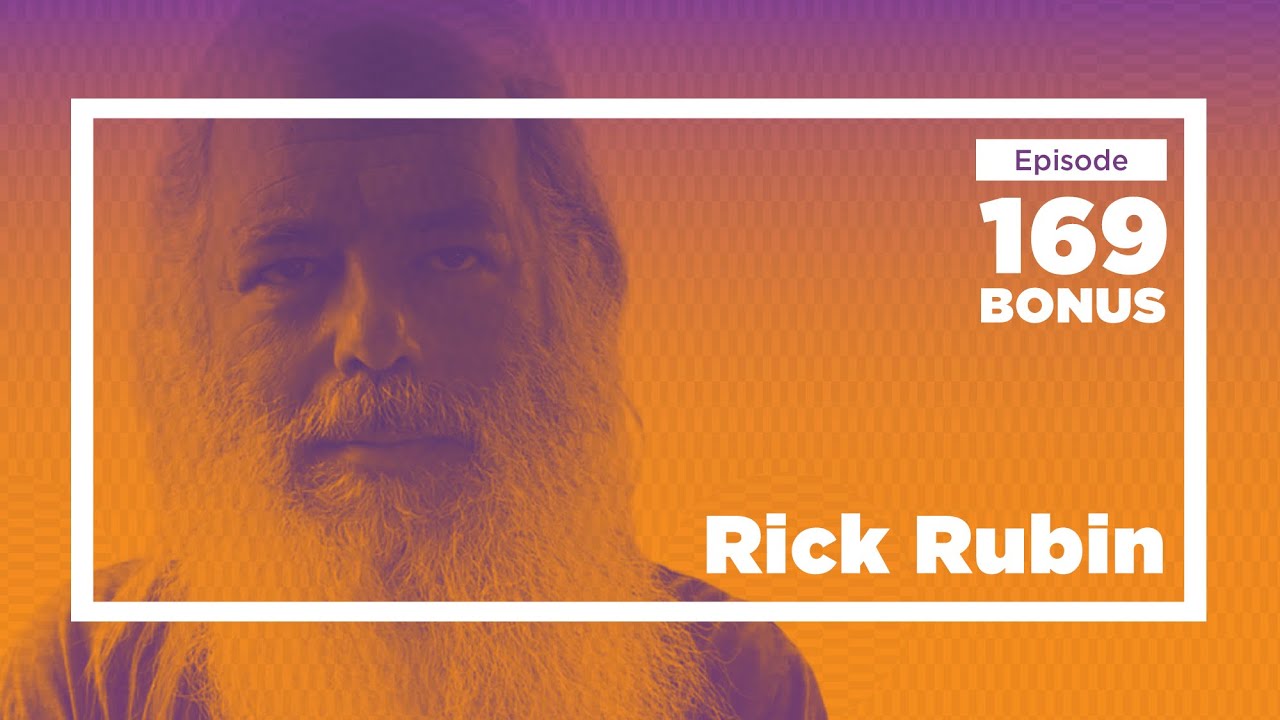
In this bonus conversation, Tyler Cowen talks with music producer Rick Rubin about listening, creative collaboration and the changing music business. Rubin explains how he tries to help an artist make better work without imposing his own identity on it. Originally released January 18, 2023 and recorded January 13, 2023, the linked YouTube version was uploaded in November 2023. These notes cover selected creative-work passages from the official transcript. AI material is not covered.
Key Takeaways
Listen before deciding what to say
Rubin contrasts understanding someone with preparing a reply or looking for a point to challenge. He suggests temporarily setting aside one's filters and asking about what is unclear. The practice is intended to hear the other person's meaning, not to suspend judgement forever.
Make the work better with fewer fingerprints
His stated goal is the biggest impact with the least visible imprint of himself. He wants the result to remain the artist's work. A collaborator can add value through a small intervention rather than by making their contribution conspicuous.
Let the artist retain the decision
Rubin describes offering many notes while knowing only a few might make or break a project. He may revisit an important point, but says the artist ultimately decides how to use his opinion. Advice can be clear and committed without turning into control.
Set the bar at the artist's best work
He defines his role as supporting artists in doing the best work of their lives. Minimal involvement is a preference, not an excuse to withhold help that is needed. The amount of intervention should follow what improves the work, rather than a fixed desire to be absent or dominant.
New formats change bargaining and rewards
Discussing streaming, Rubin places it in a history of formats that initially paid artists less before contracts caught up. He notes that the largest artists can do very well while rewards remain concentrated. His optimism about future equity is a view in the interview, not a verified forecast.
Explore what a tool makes possible
Rubin recounts a story about Hendrix embracing effects and the studio as creative tools. It is his retelling, not independently established music history. The useful creative lesson is to experiment with a tool's possibilities rather than judge it only by the first use its maker suggests.
Make an unusual idea audible
Asked about Brian Wilson, Rubin credits hearing things others did not and making the effort to record them. Unusual harmonies and arrangements needed execution before others could understand them. Taste and imagination matter, but they also need the work that turns an idea into something people can experience.
The Conversation Breakdown
Listen before deciding what to say
⏱ Untimed topicRubin contrasts understanding someone with preparing a reply or looking for a point to challenge. He suggests temporarily setting aside one's filters and asking about what is unclear. The practice is intended to hear the other person's meaning, not to suspend judgement forever.
Make the work better with fewer fingerprints
⏱ Untimed topicHis stated goal is the biggest impact with the least visible imprint of himself. He wants the result to remain the artist's work. A collaborator can add value through a small intervention rather than by making their contribution conspicuous.
Let the artist retain the decision
⏱ Untimed topicRubin describes offering many notes while knowing only a few might make or break a project. He may revisit an important point, but says the artist ultimately decides how to use his opinion. Advice can be clear and committed without turning into control.
Set the bar at the artist's best work
⏱ Untimed topicHe defines his role as supporting artists in doing the best work of their lives. Minimal involvement is a preference, not an excuse to withhold help that is needed. The amount of intervention should follow what improves the work, rather than a fixed desire to be absent or dominant.
New formats change bargaining and rewards
⏱ Untimed topicDiscussing streaming, Rubin places it in a history of formats that initially paid artists less before contracts caught up. He notes that the largest artists can do very well while rewards remain concentrated. His optimism about future equity is a view in the interview, not a verified forecast.
Explore what a tool makes possible
⏱ Untimed topicRubin recounts a story about Hendrix embracing effects and the studio as creative tools. It is his retelling, not independently established music history. The useful creative lesson is to experiment with a tool's possibilities rather than judge it only by the first use its maker suggests.
Make an unusual idea audible
⏱ Untimed topicAsked about Brian Wilson, Rubin credits hearing things others did not and making the effort to record them. Unusual harmonies and arrangements needed execution before others could understand them. Taste and imagination matter, but they also need the work that turns an idea into something people can experience.
Core Frameworks & Ideas
Impact with fewer fingerprints
Choose the smallest intervention that materially improves the work while preserving its creator's ownership.
Listen to understand
Ask clarifying questions before responding, particularly when an idea sounds strange or unfamiliar.
Advice without control
Offer your judgement and explain important notes, while leaving the creative decision with the person responsible for the work.
Actionable Next Steps
- ✓In a creative review, ask one question aimed at understanding before giving an opinion.
- ✓Identify the few notes most likely to change the quality of a project and explain why they matter.
- ✓Remove an intervention that mainly makes your role visible without improving the work.
- ✓Try an unfamiliar tool on a small piece of work and judge the result rather than its advertised use.
Notable Quotes
“Any ability to turn our own filters off, forget about what we think, not be analytical at all, and only listen with the idea of truly understanding what the person is communicating.”
“The idea is having the biggest impact on the work with the least amount of fingerprints.”
“My role is to support the artists in doing the best work of their lives.”
The One Thing to Remember
Help improve the work without taking ownership away from its creator.