

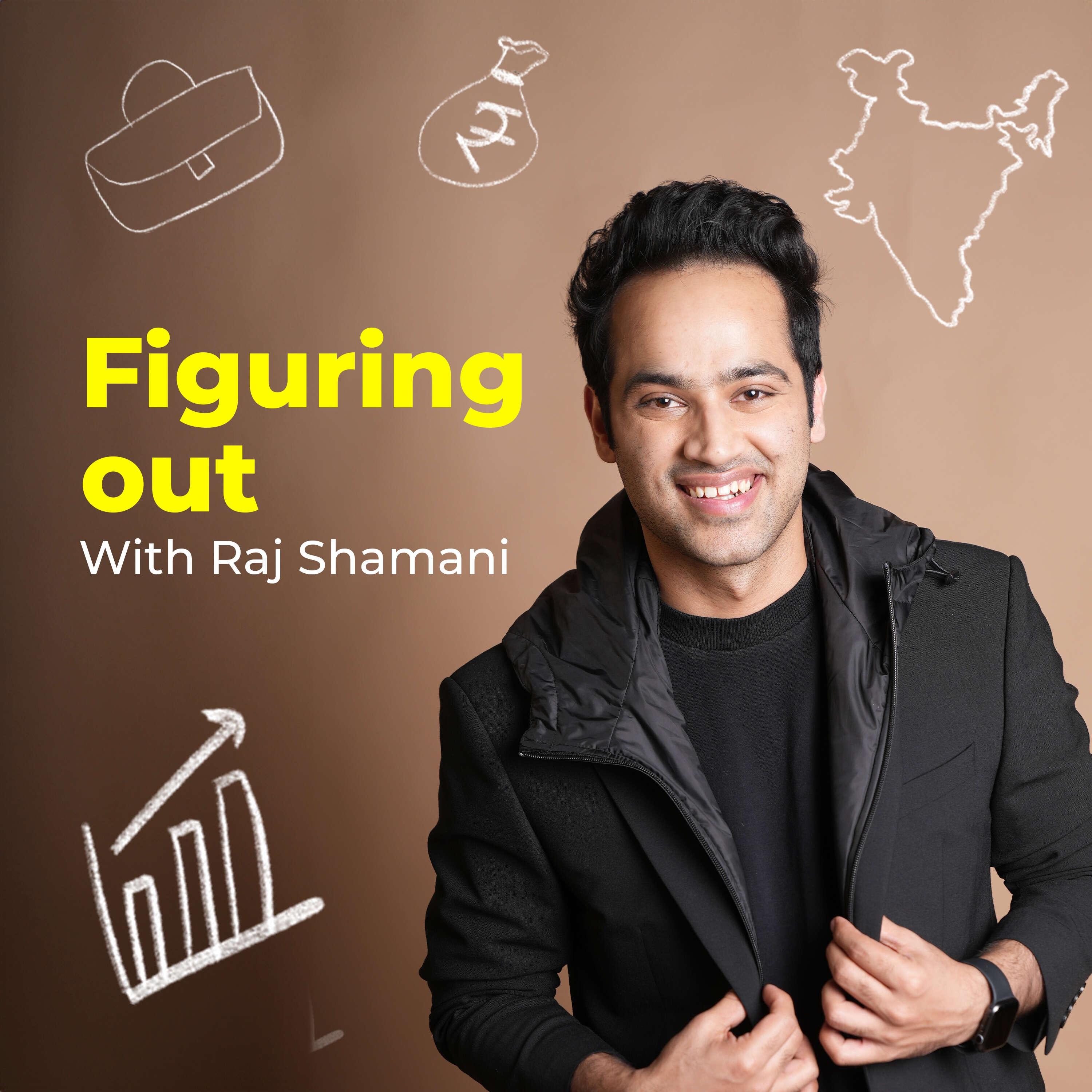
Sanjiv Goenka On Billionaires, The Next Big Opportunities & Building Wealth | FO553 Raj Shamani

Executive Summary
Sanjiv Goenka discusses finding business problems, filtering ideas, a path to profits, changing a team's belief and adapting a family business over time. Selected business passages only. Clinical-product claims, politics, legal disputes, personal loss and unrelated passages omitted. YouTube auto-captions have no speaker labels and recognition errors; attribution follows the question-and-answer context. Financial and company claims are his account, not investment advice. Untimed topics are not video chapters. Source: https://www.youtube.com/watch?v=JWPrgCbUwC8
Key Takeaways
Find the problem behind the opportunity
Goenka recalls seeing long power cuts in Kolkata as a problem a business could solve. His historical figures are not independently verified here. The useful distinction is between naming a sector and understanding what customers need to work differently.
Filter ideas for fit
He connects access to information with experience and says not every promising idea is doable or meant for you. Early information can create options without deciding which one to pursue. Assess whether the opportunity fits the resources and knowledge you can actually bring.
Read where you have a real interest
Asked where information comes from, Goenka describes reading in areas that interest him and then validating a promising proposition. Interest can help sustain attention, but it does not validate a business case. Use reading to form questions that can be tested rather than as proof the idea will work.
Give losses a finite plan
He questions continuing losses funded only by rising valuations and says a business needs a path to profits within a finite period. This is his operating preference, not a universal timetable. The planning lesson is to state what must change and when, rather than assume another funding round answers the underlying economics.
Make change believable to the team
In the power-business retrospective, he says the first task was getting people within the company to believe change was possible. He connects later progress to communication, confidence and pride. His account does not mean confidence alone solved the operating problems.
Revisit what the business should keep doing
Goenka describes a family principle of reinventing the business as industries change and not being emotional about leaving activities that lose relevance. The lesson is to review the operating portfolio against its future purpose. This is not a recommendation to buy or sell an investment.
Be fair in business dealings
Asked about enduring family principles, he names fairness and compassion toward the people who work with the group. These are his stated values rather than independent evidence of every company practice. A working principle needs to show up in decisions, not remain only part of a legacy story.
The Conversation Breakdown
Find the problem behind the opportunity
⏱ Untimed topicGoenka recalls seeing long power cuts in Kolkata as a problem a business could solve. His historical figures are not independently verified here. The useful distinction is between naming a sector and understanding what customers need to work differently.
Filter ideas for fit
⏱ Untimed topicHe connects access to information with experience and says not every promising idea is doable or meant for you. Early information can create options without deciding which one to pursue. Assess whether the opportunity fits the resources and knowledge you can actually bring.
Read where you have a real interest
⏱ Untimed topicAsked where information comes from, Goenka describes reading in areas that interest him and then validating a promising proposition. Interest can help sustain attention, but it does not validate a business case. Use reading to form questions that can be tested rather than as proof the idea will work.
Give losses a finite plan
⏱ Untimed topicHe questions continuing losses funded only by rising valuations and says a business needs a path to profits within a finite period. This is his operating preference, not a universal timetable. The planning lesson is to state what must change and when, rather than assume another funding round answers the underlying economics.
Make change believable to the team
⏱ Untimed topicIn the power-business retrospective, he says the first task was getting people within the company to believe change was possible. He connects later progress to communication, confidence and pride. His account does not mean confidence alone solved the operating problems.
Revisit what the business should keep doing
⏱ Untimed topicGoenka describes a family principle of reinventing the business as industries change and not being emotional about leaving activities that lose relevance. The lesson is to review the operating portfolio against its future purpose. This is not a recommendation to buy or sell an investment.
Be fair in business dealings
⏱ Untimed topicAsked about enduring family principles, he names fairness and compassion toward the people who work with the group. These are his stated values rather than independent evidence of every company practice. A working principle needs to show up in decisions, not remain only part of a legacy story.
Core Frameworks & Ideas
Problem-first opportunity - editorial label
Identify what is failing for customers before defining the business proposition.
Finite profit plan - editorial label
State the operating changes and period needed to reach a self-sustaining model.
Business reinvention - editorial label
Review relevance over time rather than keep a business only because it is familiar.
Actionable Next Steps
- ✓Write the customer problem behind one idea.
- ✓Name the resources and experience that make the idea a fit.
- ✓State what must change before the business becomes self-sustaining.
- ✓Review one business activity for its future relevance.
Notable Quotes
“So I think at the end of the day within a finite period you need to have a plan that gets to profits.”
“You know it's generally about actually reading things on areas that interest you.”
“you be fair in your dealings.”
The One Thing to Remember
Filter a promising idea for fit and give its economics a finite, testable plan.