

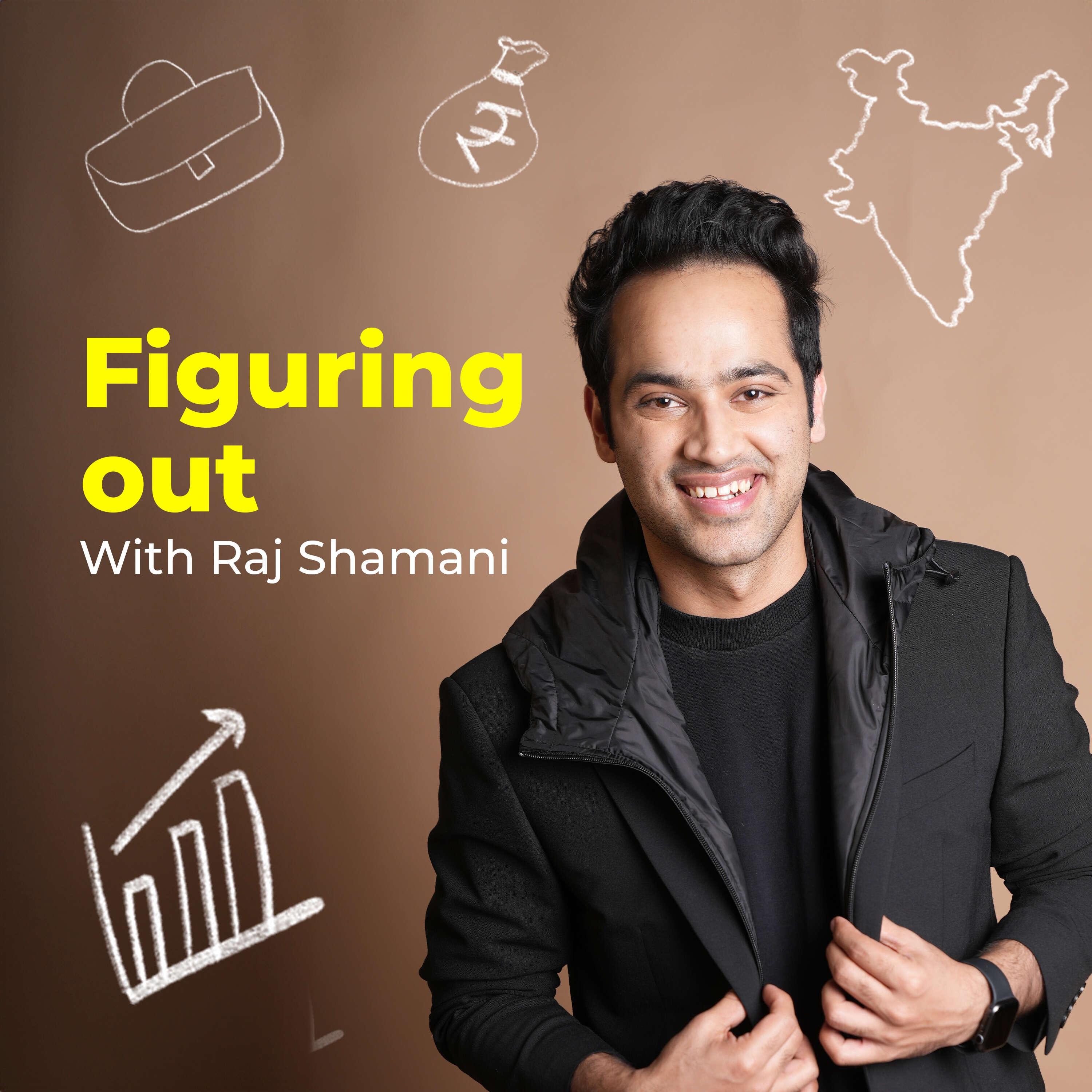
Simon Sinek on India’s Future, Trust Crisis, Gen Z Burnout, Anxiety & AI Friends | FO476 Raj Shamani

Executive Summary
Sinek connects trust with feeling that someone has your back, then asks how leaders can create that experience locally. He favors patience over instant judgment, room for boredom over constant productivity and personal progress over arbitrary comparisons. These are his leadership views, not a clinical treatment plan or a verified explanation of every social trend.
Key Takeaways
Asking for help need not be weakness
Sinek worries that people feel they must handle things alone and forget the value of groups. He says significant work involves other people. His practical point is to make uncertainty speakable and allow others to be there for you, rather than present constant self-sufficiency as the only acceptable way to work.
Trust is more than a record of reliable favors
He distinguishes doing what you say from the deeper feeling that someone has your back. Trust, in his account, is not an exact tally of favors or a mechanical checklist. He calls it psychological safety while acknowledging relationships are messy and there is no formula that guarantees a connection.
Curiosity requires slowing the reaction
Sinek argues that judgment can happen instantly, while curiosity needs patience and questions that challenge assumptions. He describes examining the origins of a claim rather than only responding to a headline. His proposed delay-before-posting is an idea, not a measured finding that a specific delay changes a fixed share of behavior.
Incentives can shape how a team behaves
He sees short-term results and individual-performance rewards as contributors to self-interest and declining trust. This is his interpretation, not a complete or independently verified account of business history. The usable question is whether the rewards in a team encourage cooperation or make people protect themselves from one another.
Boredom can leave room for ideas
Sinek says productivity is overvalued when every unstructured moment is treated as wasted. His lumberjack story contrasts constant cutting with stopping to sharpen an axe. The story is an analogy for making room to reflect, not a scientific prescription for the exact amount of downtime someone needs.
A small team can practice care inside a larger system
He says someone can choose to be the leader they wish they had, even within a company they dislike. Helping nearby colleagues grow and succeed can create a local sense of shared purpose. That does not excuse a harmful organization or mean one person must solve all of its problems.
Comparison depends on which metric you choose
Sinek points out that a person can look ahead on one metric and behind on another. An arbitrary ranking can create the feeling of losing without an agreed definition of the game. His alternative is to focus on your own development, rather than use someone else’s salary, following or success as the only score.
The Conversation Breakdown
Ingredients of trust
⏱ 15:44Sinek discusses the feeling that someone has your back, the limits of treating friendship as a ledger and asking for help as one way to begin building trust.
Core Frameworks & Ideas
Trust and psychological safety
Sinek’s definition centers on feeling supported, beyond simply counting reliable actions.
Sharpening the axe
His lumberjack story is an analogy for reflection and preparation rather than constant activity.
Personal progress over an arbitrary score
Choose meaningful measures instead of defining failure through one comparison.
Actionable Next Steps
- ✓Pause before posting a reaction and check the underlying claim.
- ✓Ask for help when you are unsure rather than hide the gap.
- ✓Make one teammate’s progress part of your leadership work.
- ✓Leave a block of time without a task to fill.
Notable Quotes
“No human being ever accomplished anything great by themselves.”
“Trust comes from psychological safety.”
“And it’s easier to be judgmental than curious, because judgment is instantaneous.”
The One Thing to Remember
Build the team culture you wish you had, starting with how you treat the people around you.