


South St Founder: Launching In London Cost Me Millions, "This Was My Hardest year In Business"
Executive Summary
South St founder Harley Booth tells Kyle Traynor what changed when an Australian fashion business opened in London. She describes the gap between opening excitement and sustained demand, unexpected costs and the need to slow expansion while improving systems. Notes cover selected business passages from the full public auto-captions of this September 2023 conversation. Store plans, shipping times and cost comparisons describe the business at that time, not its current footprint or general legal/tax rules. Personal distress, family-life and confidence advice are not summarized.
Key Takeaways
London was a new startup
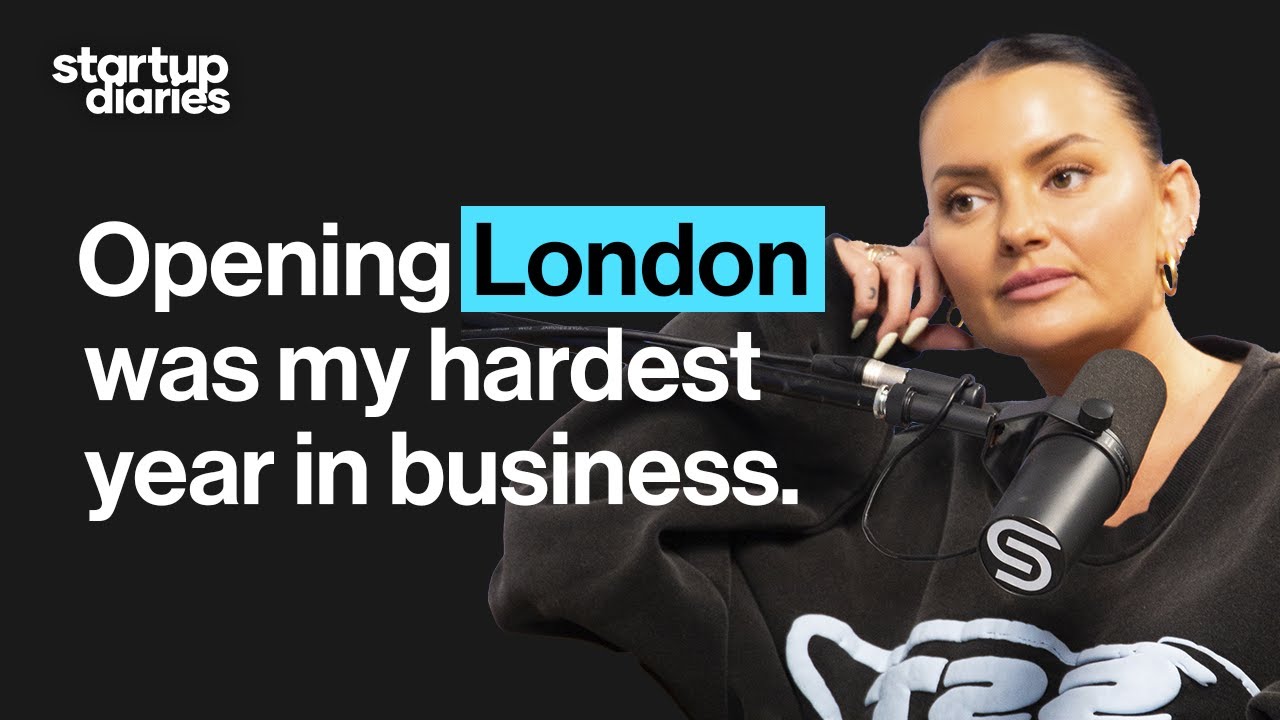
She expected the London store to take off like Pacific Fair and Chadstone, but after the opening rush it was like starting a brand new brand again, and she calls her expectation naive.
Hidden costs needed better planning
Booth says routing stock through Australia before London meant duties and taxes at two stages. She also describes central London warehousing, legal costs and local marketing as expensive surprises. Her experience is a prompt for route-specific research, not a general customs rule.
Self-funded
South St has never had outside funding and puts everything it earns back into the business. Her father handles the money side, saying when it is time to knuckle down and set monthly targets.
Growth required cash before returns
Booth and the host discuss the cost of stock, fit-out, travel and rent before a new store produces revenue. Booth says the London effort involved millions but does not give a precise total. Higher revenue did not mean all cash could be taken out of the business.
Founder-led design
She does the design, supplier talks, sample sign-off, photo shoots and launch herself, with a couple of helpers. She finds it very hard to empower anyone else in the creative role because it is her vision, and she is unstructured with timelines.
Longer freight time changed the design calendar
Booth says production took roughly three to five weeks and air shipping about five days. Moving to sea freight added a shipping window of roughly three to five weeks, so her last-minute design process needed more advance planning.
Pause expansion to improve the existing business
Booth says she declined another store opening at that point to focus on the business she already had. Barcoding and a CRM were practical improvements she wanted before returning to expansion. Later possible locations were aspirations, not confirmed openings.
The Conversation Breakdown
London was a new startup
⏱ Untimed topicShe expected the London store to take off like Pacific Fair and Chadstone, but after the opening rush it was like starting a brand new brand again, and she calls her expectation naive.
Hidden costs needed better planning
⏱ Untimed topicBooth says routing stock through Australia before London meant duties and taxes at two stages. She also describes central London warehousing, legal costs and local marketing as expensive surprises. Her experience is a prompt for route-specific research, not a general customs rule.
Self-funded
⏱ Untimed topicSouth St has never had outside funding and puts everything it earns back into the business. Her father handles the money side, saying when it is time to knuckle down and set monthly targets.
Growth required cash before returns
⏱ Untimed topicBooth and the host discuss the cost of stock, fit-out, travel and rent before a new store produces revenue. Booth says the London effort involved millions but does not give a precise total. Higher revenue did not mean all cash could be taken out of the business.
Founder-led design
⏱ Untimed topicShe does the design, supplier talks, sample sign-off, photo shoots and launch herself, with a couple of helpers. She finds it very hard to empower anyone else in the creative role because it is her vision, and she is unstructured with timelines.
Longer freight time changed the design calendar
⏱ Untimed topicBooth says production took roughly three to five weeks and air shipping about five days. Moving to sea freight added a shipping window of roughly three to five weeks, so her last-minute design process needed more advance planning.
Pause expansion to improve the existing business
⏱ Untimed topicBooth says she declined another store opening at that point to focus on the business she already had. Barcoding and a CRM were practical improvements she wanted before returning to expansion. Later possible locations were aspirations, not confirmed openings.
Core Frameworks & Ideas
New country as a fresh launch
Do not assume recognition and conversion transfer from the home market. Booth describes London as a new startup despite South St's existing Australian success.
Growth cash versus take-home cash
Separate revenue from the cash committed to stock, stores and the next expansion. The discussion treats reinvestment as a real constraint in a self-funded business.
Stabilize before the next store
Booth's choice to pause expansion makes systems work part of the growth plan. Improve existing operations before taking on another launch.
Actionable Next Steps
- ✓Prepare a new-country cost map covering freight, duties, rent, legal help and local marketing.
- ✓Review stock-routing choices with a qualified customs adviser before assuming one route is cheaper.
- ✓Add shipping lead time to the design and launch calendar.
- ✓List the systems the existing business needs before considering the next location.
Notable Quotes
“we've never had funding”
“like starting a brand new brand again in London”
“what we're paying for our Marketing in London is double what we pay in Australia”
The One Thing to Remember
we've never had funding