

The New Dating Crisis: Money, Marriage & Social Class | Rob Henderson | FO577 Raj Shamani
Executive Summary
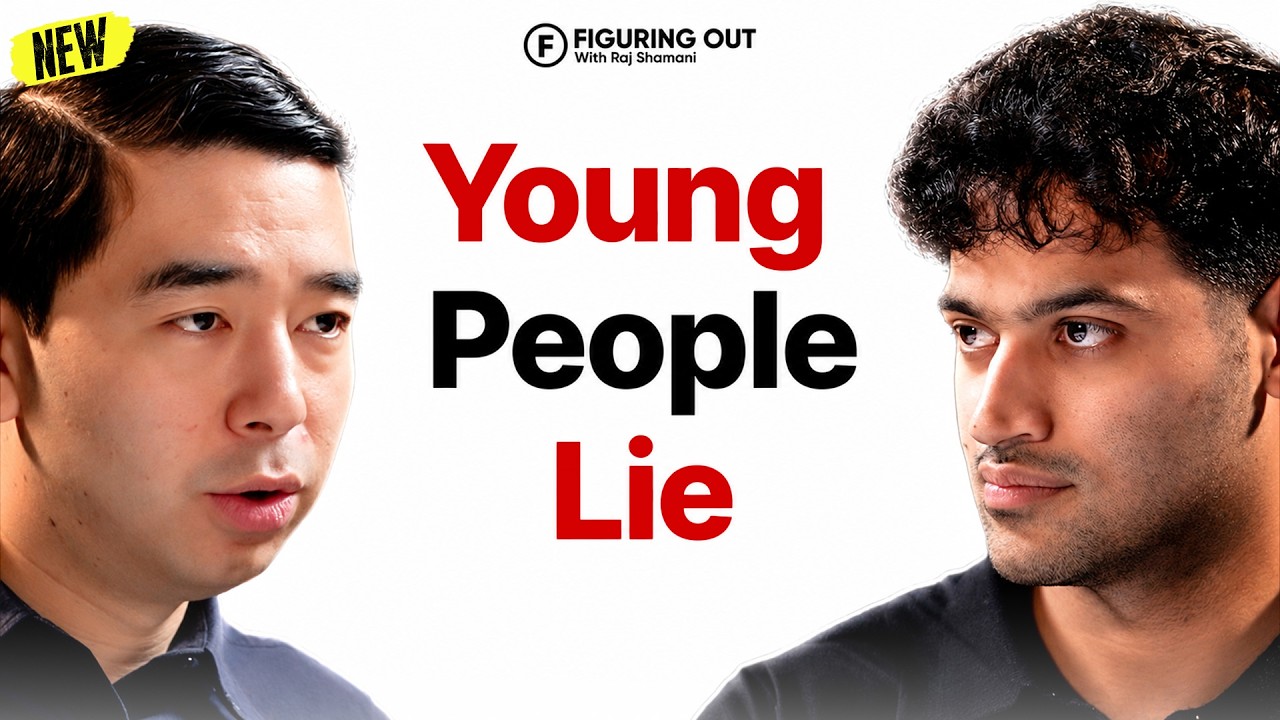
Rob Henderson, author and social scientist known for his luxury beliefs idea, joins Raj Shamani in New York for a wide conversation on status, class and money. They cover why people lie in the first minutes of a conversation and how the dark triad of traits peaks in the late teens and early twenties, whether the rich or the poor crave status more, how status symbols moved from luxury goods to cultural capital, why education now drives who marries whom, and why the affluent adopt beliefs that signal status while others pay the cost. Henderson also gives his own 12-month plan to move from low to high status and explains the data on male risk-taking and violence. FULL COVERAGE: the captions appear to cover the entire episode. All claims are Henderson's own views and the research he cites, not independently verified. Sponsor: none stated in the episode description. Nothing here is medical, legal or financial advice.
Key Takeaways
Dark triad traits peak in youth and then fade
Henderson explains that almost everyone carries some narcissism, Machiavellianism and psychopathy, that the three traits spike in the late teens and early twenties and decline through middle age, and that people higher on them tend to tell more lies - often to manage reputation.
People at the top crave status the most
Asked who craves status more, rich or poor, Henderson says it is actually the rich: people who already have wealth and status want more of both, because the more one has, the more one wants.
Fitness is the hardest status signal to fake
He argues that luxury goods and even private-jet sets can be staged on Instagram, but a visibly fit, healthy body is close to a final frontier of honest signalling, and it also builds confidence that shows up in how you interact.
Education is the strongest predictor of who marries whom
Citing mating research, he says that beyond height, looks and personality, education level shows the strongest correlation between two people who marry: graduates marry graduates, and elite-college graduates tend to marry one another.
Luxury beliefs replace luxury goods as a status marker
As material goods become a noisier signal, Henderson argues that affluent people display status through ideas and opinions. His example is the support for drug decriminalization among people who do not live where drug use is common, which he says increased suffering in places like Oregon.
Status hierarchies tend to re-emerge, and they persist across generations
Henderson says that in a broadly meritocratic society, if you strip everyone of accomplishments and put them together, similar rankings return. He cites economic historian Gregory Clark and his surname studies as evidence of how long family status persists.
Young men carry most of the risk-taking and violence
Henderson cites the claim that roughly 90 percent of killers worldwide are men, mostly young, and about 70 percent of victims are men, and notes a similar pattern in chimpanzees, tying it to status competition among young males.
The Conversation Breakdown
Dark triad traits peak in youth and then fade
⏱ Untimed topicHenderson explains that almost everyone carries some narcissism, Machiavellianism and psychopathy, that the three traits spike in the late teens and early twenties and decline through middle age, and that people higher on them tend to tell more lies - often to manage reputation.
People at the top crave status the most
⏱ Untimed topicAsked who craves status more, rich or poor, Henderson says it is actually the rich: people who already have wealth and status want more of both, because the more one has, the more one wants.
Fitness is the hardest status signal to fake
⏱ Untimed topicHe argues that luxury goods and even private-jet sets can be staged on Instagram, but a visibly fit, healthy body is close to a final frontier of honest signalling, and it also builds confidence that shows up in how you interact.
Education is the strongest predictor of who marries whom
⏱ Untimed topicCiting mating research, he says that beyond height, looks and personality, education level shows the strongest correlation between two people who marry: graduates marry graduates, and elite-college graduates tend to marry one another.
Luxury beliefs replace luxury goods as a status marker
⏱ Untimed topicAs material goods become a noisier signal, Henderson argues that affluent people display status through ideas and opinions. His example is the support for drug decriminalization among people who do not live where drug use is common, which he says increased suffering in places like Oregon.
Status hierarchies tend to re-emerge, and they persist across generations
⏱ Untimed topicHenderson says that in a broadly meritocratic society, if you strip everyone of accomplishments and put them together, similar rankings return. He cites economic historian Gregory Clark and his surname studies as evidence of how long family status persists.
Young men carry most of the risk-taking and violence
⏱ Untimed topicHenderson cites the claim that roughly 90 percent of killers worldwide are men, mostly young, and about 70 percent of victims are men, and notes a similar pattern in chimpanzees, tying it to status competition among young males.
Core Frameworks & Ideas
The dark triad
Narcissism, Machiavellianism and psychopathy as ordinary variation in the healthy population. Henderson says most people score somewhere above zero, and someone at the 99th percentile of all three is worth avoiding.
Luxury beliefs
His idea that high-status people signal class through opinions and cultural capital rather than purchases, and that such beliefs can impose costs on people lower down who cannot afford to hold them.
Productive versus destructive status games
Status seeking that benefits others as a side effect (building something useful) versus status seeking that benefits only the seeker at others' expense.
Actionable Next Steps
- ✓Follow Henderson's 12-month plan: work on physical fitness first, since it is the clearest honest signal and also lifts your confidence.
- ✓Build cultural capital by picking one niche topic you care about, going very deep on it and writing about it for a year.
- ✓Advertise your real best qualities in dating and work instead of hiding them - Henderson's advice is to put your best foot forward.
- ✓To gauge your standing at work, notice concrete signs he lists: how often your boss asks for your input, whether colleagues ask you questions, and whether you get excluded from threads.
Notable Quotes
“people who have wealth and status crave more wealth and status.”
“Advertise your best qualities. Put your best foot forward.”
“almost nobody scores kind of zero across the board.”
The One Thing to Remember
The more one has, the more one wants: status is a game people at the top play hardest, so build real fitness, real taste and real skills instead of borrowed signals.