

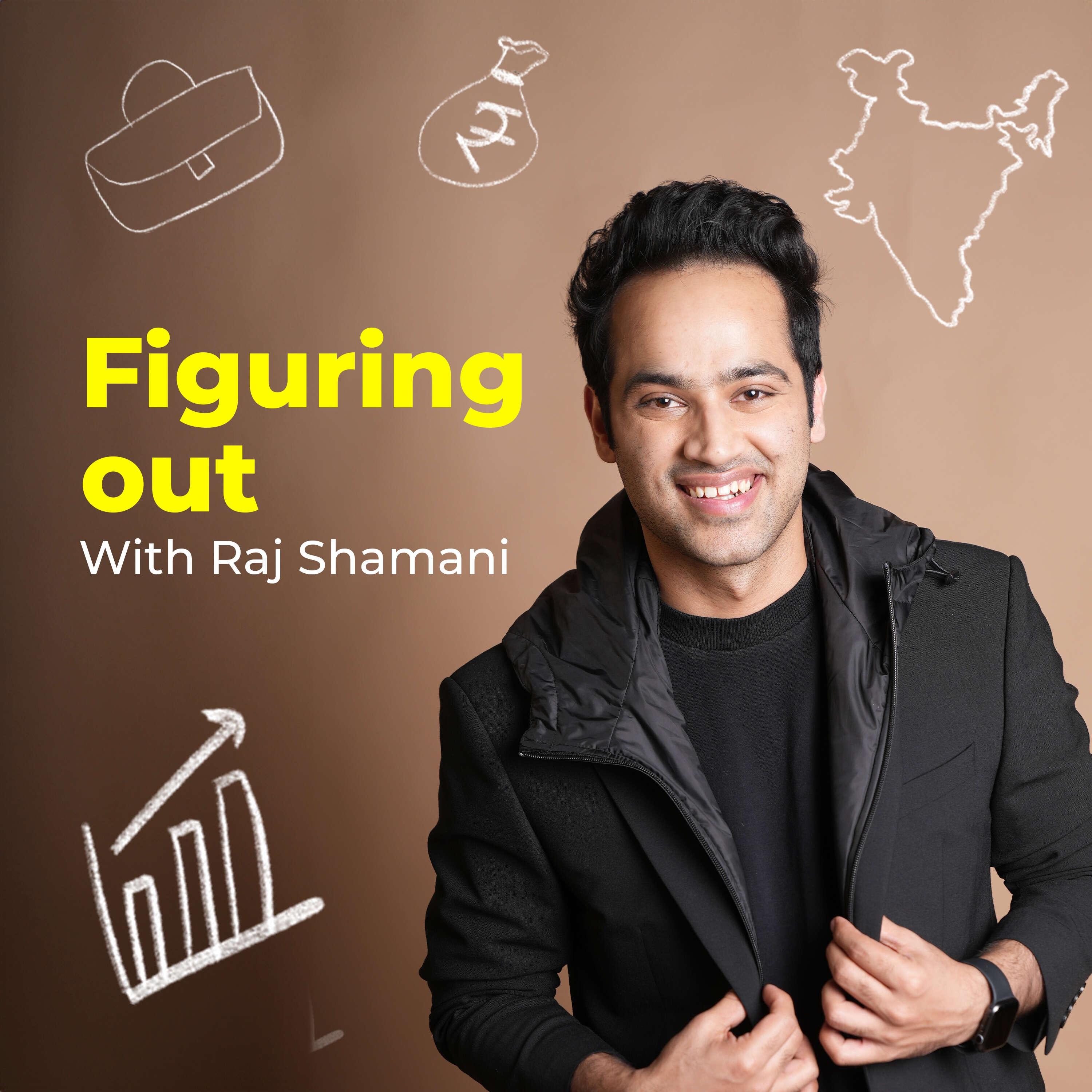
Want To Be A SUCCESSFUL Content Creator? Watch This. | Manish Pandey - FO 28 | Raj Shamani
with Manish Pandey

Executive Summary
Writer and content strategist Manish Pandey joins Raj Shamani for a creator-economy state of the nation: why he calls early success a slow poison, why India's best talent keeps leaving, what the unseen grind behind creators like Bhuvan Bam and Ranveer Allahbadia actually looked like, and why he believes everyone will be a creator within two decades. Along the way he offers to seed-fund viewers' startups, names skill education as the next big industry, and shares the personal story - calluses, 5 AM toilet queues and his sister's tears - behind his 'food with dignity' argument.
Key Takeaways
Early success is a slow poison unless you can hold it
Manish argues success at 13, 15, 19 or 21 often derails people within three to four years because it arrives with arrogance and baggage. Becoming a billionaire at 30 is fine, he says, but ears and eyes must stay open to what only age and experience bring - patience and sustainability. The war is not becoming the richest, but staying there.
India produces talent and then repels it
His sharpest claim: India is where talent is born and where talent gets repelled, because the ecosystem does not retain it and children are taught to follow, not question. He points to Indian-origin CEOs of global companies and asks whether they would have reached the same heights inside India - his answer is to build the system, and he counts on his own generation to do it.
First-time founders need patience, not ridicule
On Paytm and Zomato's IPOs, he says society was ready to laugh before the listings even settled. He bought Paytm stock himself - money that would not change his life - as a vote for first-generation founders, and argues India's startup IPOs are a first-time game that deserves time.
The audience you built will outgrow you if you stop growing
Using a 13-year-old fan who turns 15 with new priorities, he explains that audience expectations compound. Creators must keep raising their own standards and knowledge - after every 15 days you 'get empty' - because the people who subscribed for one insight keep expecting more.
Content creation runs on data and grind, not luck
He calls content creation a game with a lot of data science inside: creators who never look at data never grow, and sustaining flow matters more than spikes. He reminds viewers that pre-Jio even uploading was expensive, and that celebrated creators like Bhuvan Bam, Ashish Chanchlani and Ranveer had years of unseen grind.
Skill education is the next big industry
Asked for the next big thing, he picks skill education over school education. His formula: learn one hard skill plus two complementary soft skills - coding with sales and communication, for example - because building without selling does not create a company.
Food with dignity comes before big dreams
His closing argument: until everyone gets 'izzat ki roti', minds cannot be expected to dream. He grounds this in his own story - a school principal's taunt, his sister's struggles, laborers' calluses, 5 AM queues for a shared toilet - and says every Indian online is already among the richest 1% of the country, with no excuse to do nothing.
The Conversation Breakdown
The slow poison of early success
⏱ Untimed topicRaj opens with India's 'golden bird' ambition. Manish agrees but pivots: early success is a slow poison that arrives with arrogance and baggage. He cites teenagers who won fame and derailed within years, and says the real war is not becoming the richest but sustaining it with the patience only age and experience teach.
Why India repels its own talent
⏱ Untimed topicManish argues India's best CEOs and doctors are best for themselves, not the country, and asks whether the Indian-origin heads of global tech giants would have risen as far had they stayed. His diagnosis: an ecosystem that does not retain talent and a childhood conditioning to follow rather than question - which his generation must now reverse.
IPOs, Paytm and giving founders time
⏱ Untimed topicOn the wave of startup IPOs, he pushes back against the ridicule of Paytm's listing. He says he bought the stock himself as a symbolic bet on first-generation founders, argues startup IPOs are a first-time game for the country, and offers on air to seed-fund viewers who bring him real startup ideas.
The unseen grind behind famous creators
⏱ Untimed topicHe walks through the creator grind: years of selling, talks and travel before two years of content, pre-Jio days when even uploading was expensive, and the data discipline behind sustained growth. Celebrated names - Bhuvan Bam, Ashish Chanchlani, Ranveer Allahbadia, Kabita's Kitchen - carried grinds nobody saw.
Your audience compounds, so must you
⏱ Untimed topicThrough the story of a fan growing from 13 to 15 and a school friend who stopped calling once she leveled up, Manish explains that audiences keep upgrading. Creators must raise their standards in step, because after about every 15 days a creator 'gets empty' and only fresh knowledge refills the authority subscribers expect.
Skill education and the skill stack
⏱ Untimed topicAsked for the next big industry, Manish picks skill education. His prescription is one hard skill plus two complementary soft skills - coding paired with sales and communication, painting paired with storytelling - because building and selling are separate jobs, and even comedy demands hard subject knowledge.
Food with dignity and dying every day
⏱ Untimed topicThe episode closes on his personal story: a principal who mocked his ambition, his sister's silent tears, laborers' calluses, and 5 AM queues for a shared toilet. He says poverty kills confidence daily, that everyone watching is already among India's richest 1%, and that 'food with dignity' - izzat ki roti - must be solved before a nation can dream.
Core Frameworks & Ideas
The hold-it test for early success
Manish's filter for early wins: success is only safe when paired with grounding - the humility to keep being guided and the openness to what only age and experience bring. Without it, early fame 'acts its age' and derails within three to four years; with it, early success compounds instead of poisoning.
The 1+2 skill stack
His career formula for the skill economy: master one hard skill (coding, painting, filmmaking), then attach two complementary soft skills - typically selling and communicating. The hard skill builds the product; the soft skills build the company around it.
The audience-compounding treadmill
His creator-growth model: subscribers anchor to one insight, then keep growing and expect the creator to grow with them. Treat content as a knowledge treadmill - schedule deliberate learning so the well refills faster than the roughly 15-day cycle at which a talking creator runs empty.
Izzat ki roti first
His sequencing argument for national ambition: dignity of survival - food earned with respect - precedes aspiration. People with an empty stomach cannot be expected to dream, so ecosystem building starts at basics before it can produce billion-dollar companies.
Actionable Next Steps
- ✓Write down one thing only experience has taught you in your field, and one area where you still need a mentor's guidance - Manish's hold-it test for early success.
- ✓Pick your one hard skill and name the two complementary soft skills you will train alongside it this year.
- ✓Audit your last month of output against your audience's current level, not the level they were at when they first followed you.
- ✓Schedule a recurring weekly block for pure learning so your knowledge refills faster than your content empties it.
- ✓Before mocking a first-time founder's public stumble, decide whether you would be willing to back them the way Manish backed Paytm's listing.
Notable Quotes
“early success is a poison, rather we should rephrase and tell it a slow poison”
“India is a place where talent is born, but India is a place where talent get repelled.”
“internet no more is a time pass.”
“So you have to learn one hard skill and two complementing soft skill with it.”
“because after every 15 days you get empty”
“in 10 years or maybe 20 years from now, everybody will be a creator.”
“when you're poor, you die every day.”
The One Thing to Remember
Manish's creator thesis: content is a knowledge treadmill - your audience's expectations compound as they grow, so unless you keep raising your own standards and knowledge, the same people who made you will outgrow you.