

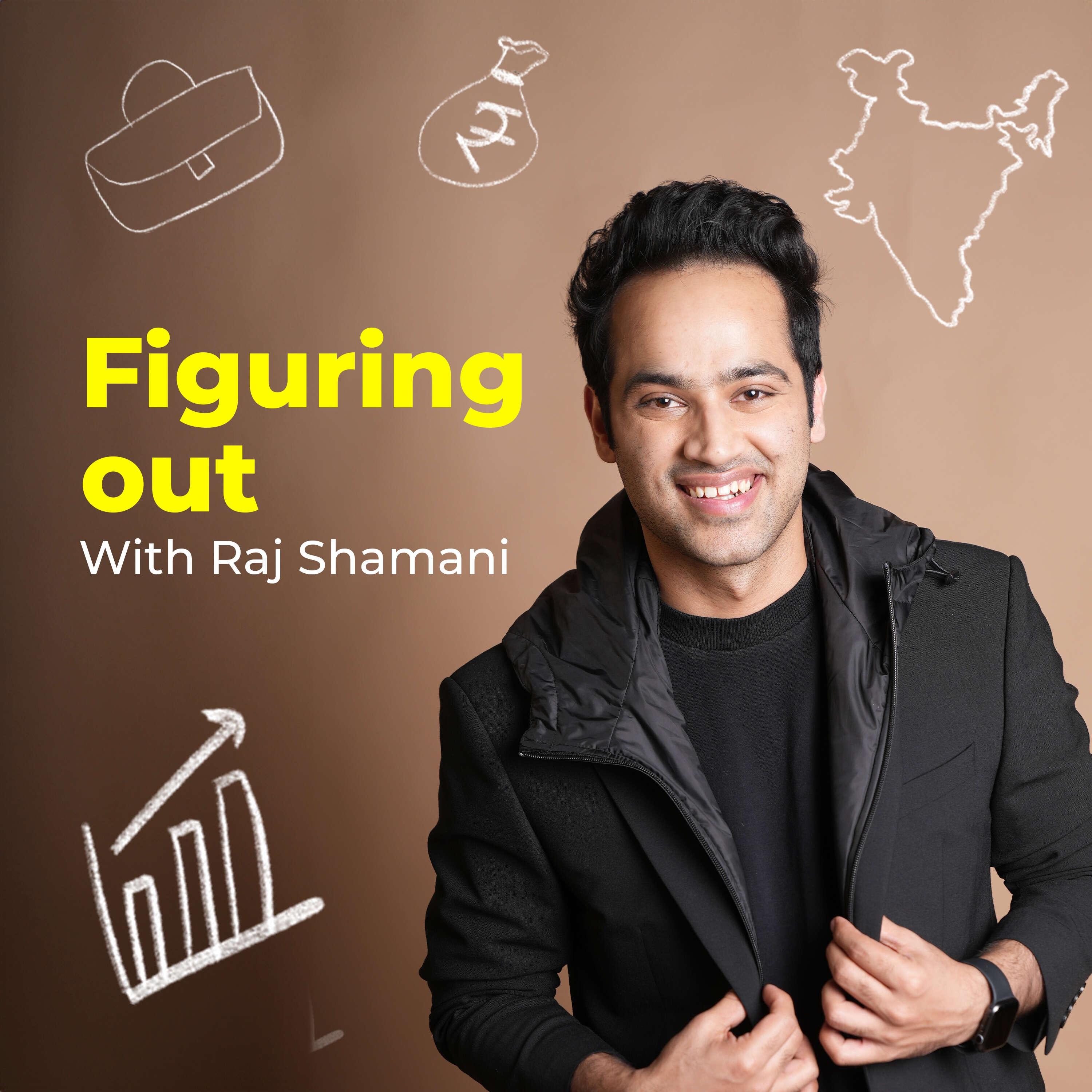
Why Banks Are Dying: Bitcoin, Crypto & De-dollarisation Explained | Richard Teng | FO529 Raj Shamani

Executive Summary
Richard Teng discusses changes in payment infrastructure, fraud awareness, proof of reserve, compliance and building useful products. Selected finance and leadership coverage, not the full conversation; AI trading and geopolitical passages omitted. Teng leads Binance, so product, security and performance claims are promotional and unverified. This is not investment advice, a safety endorsement or a statement of current law. Crypto is volatile. Untimed topics are not video chapters. Transcript: https://singjupost.com/fo529-raj-shamani-w-richard-teng-bitcoin-crypto-de-dollarisation-transcript/
Key Takeaways
Start with a payment problem
Teng argues that cross-border transfer cost and settlement delays create room for new payment infrastructure. His speed and fee comparisons are promotional claims, not verified prices or a guarantee for a particular transfer. The product lesson is to name the existing user problem before proposing the technology.
Habit and structure affect adoption
He describes habits, financial literacy and institutions' operating arrangements as reasons change takes time. Front, middle and back office processes are part of his example. Adoption is not only a question of whether a technology exists; people need to understand it and organizations need to change how work is done.
Do not confuse crypto with replacing the dollar
Asked whether crypto is an alternative to the dollar, Teng says he does not see it that way and points to dollar-denominated stablecoins. He also describes crypto as an asset class that can be extremely volatile. This is his explanation, not an assessment of any asset's suitability or a forecast that must come true.
Watch how a scam pressures you
Teng describes messages that create fear about account access or offer a return too good to miss. He urges caution and independent understanding rather than trusting an incoming claim. These examples concern fraud patterns across financial services, not evidence that a particular platform eliminates fraud.
Treat reserve claims as claims to check
Teng says Binance uses proof of reserve so customers can check assets on chain. His statement is a company claim, not an independent assurance of solvency, safeguards or the completeness of liabilities. A reader should not interpret the interview as an audit or proof that their funds are safe.
Acknowledge mistakes and invest in the response
Asked about leading Binance, he says the company underinvested in compliance and describes a later investment in it. This is his account of the response, not independent verification of compliance today. The leadership theme is to name what failed and describe corrective work rather than deny the failure.
Build something with a useful purpose
His advice to builders is to study the landscape and create value through sustainable uses. A new technology alone is not the product case he describes. Identify what people need and what would make the product useful; his claim that this approach will work is an opinion, not a promise of returns.
The Conversation Breakdown
Start with a payment problem
⏱ Untimed topicTeng argues that cross-border transfer cost and settlement delays create room for new payment infrastructure. His speed and fee comparisons are promotional claims, not verified prices or a guarantee for a particular transfer. The product lesson is to name the existing user problem before proposing the technology.
Habit and structure affect adoption
⏱ Untimed topicHe describes habits, financial literacy and institutions' operating arrangements as reasons change takes time. Front, middle and back office processes are part of his example. Adoption is not only a question of whether a technology exists; people need to understand it and organizations need to change how work is done.
Do not confuse crypto with replacing the dollar
⏱ Untimed topicAsked whether crypto is an alternative to the dollar, Teng says he does not see it that way and points to dollar-denominated stablecoins. He also describes crypto as an asset class that can be extremely volatile. This is his explanation, not an assessment of any asset's suitability or a forecast that must come true.
Watch how a scam pressures you
⏱ Untimed topicTeng describes messages that create fear about account access or offer a return too good to miss. He urges caution and independent understanding rather than trusting an incoming claim. These examples concern fraud patterns across financial services, not evidence that a particular platform eliminates fraud.
Treat reserve claims as claims to check
⏱ Untimed topicTeng says Binance uses proof of reserve so customers can check assets on chain. His statement is a company claim, not an independent assurance of solvency, safeguards or the completeness of liabilities. A reader should not interpret the interview as an audit or proof that their funds are safe.
Acknowledge mistakes and invest in the response
⏱ Untimed topicAsked about leading Binance, he says the company underinvested in compliance and describes a later investment in it. This is his account of the response, not independent verification of compliance today. The leadership theme is to name what failed and describe corrective work rather than deny the failure.
Build something with a useful purpose
⏱ Untimed topicHis advice to builders is to study the landscape and create value through sustainable uses. A new technology alone is not the product case he describes. Identify what people need and what would make the product useful; his claim that this approach will work is an opinion, not a promise of returns.
Core Frameworks & Ideas
Use-case lens - editorial label
Begin with the user problem and assess the proposed utility instead of starting with technology enthusiasm.
Fraud-pressure lens - editorial label
Notice fear, urgency and unusually attractive promises before relying on an incoming financial claim.
Compliance response - editorial label
Acknowledge a failure and describe corrective work; the interview does not verify the result.
Actionable Next Steps
- ✓Describe the user problem before choosing a financial technology.
- ✓Check an unexpected financial request through an independent route.
- ✓Identify what a platform claim does and does not establish.
- ✓Research a product and its risks before committing money.
Notable Quotes
“The scammers, the fraudsters has existed for the longest time within financial services.”
“So like it or not, regulations is always half a step, one step, one and a half steps behind because the regulations can never keep up with changes and the new technological advances.”
“Just don’t trust what other people tell you without understanding, without researching, without analysing.”
The One Thing to Remember
Separate a useful financial use case from promotional claims, and understand the risks before trusting a platform or a promised return.