

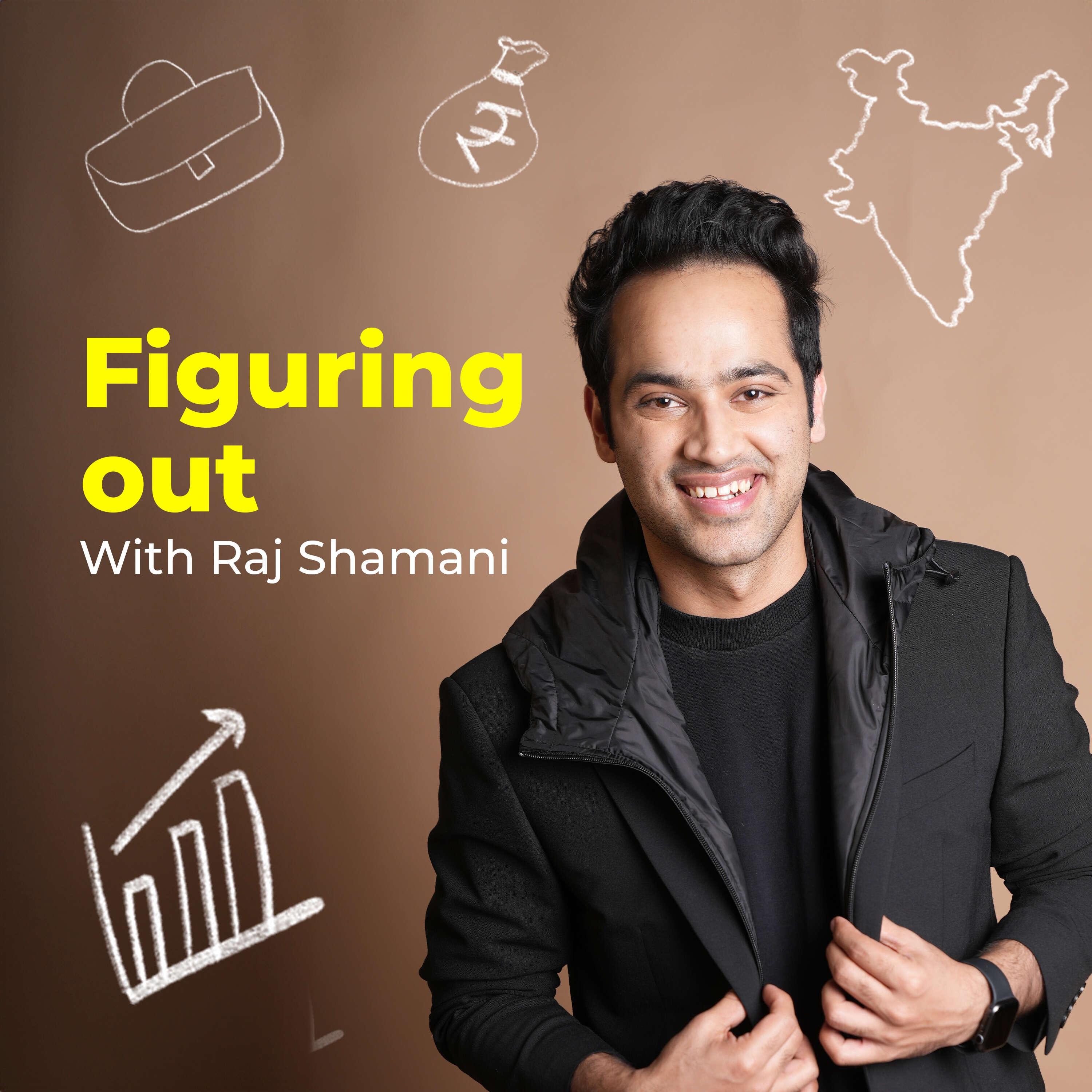
Your Data Is Not Safe: Romance, Jobs & Chinese App Scams | Snigdha Poonam | FO474 Raj Shamani

Executive Summary
Snigdha Poonam, a journalist and the author of Scamlands, a book on organized online scams in Asia, joins Raj Shamani to explain how scam networks are built and who runs them. Poonam describes how fake dating apps and romance scams work, including the pay-for-a-VIP-package trick and photos stolen from the internet, how job ads draw women to scam call centers, her reporting on companies in Gurgaon that were raided, the claim that apps behind scams were made by Chinese companies, and how a fake life insurance racket in rural Assam used unregistered deaths and even invented people. She also describes how scam bosses see themselves as startup founders and how the fraud drains money out of India. The episode is mostly in Hindi with English terms. PARTIAL COVERAGE: this summary is built from a sampled reading of the Hindi captions. All claims are Poonam's own reporting and views and are not independently verified. Sponsor: none stated in the episode description. This is general awareness only, not legal or financial advice.
Key Takeaways
Scam networks run like companies
Poonam says scam operations have owners, executioners and workers, and that scam bosses think of themselves as startup founders, with motivational quotes on office walls.
Fake dating apps and the VIP package trick
She explains how a user is pushed to buy a VIP package to open a photo or chat, and how the photos are stolen from the internet so the person on the other side may not exist.
Women are often the trusted face of the scam
Poonam says in some scam lands women act as executioners because they are seen as more trustworthy, while the person who runs the whole gang or mafia may be a man.
Job ads lure people into scam call centers
She describes ads that promise jobs without showing your face and with salary details, followed by interview invitations from companies, and says working in an office felt safer to many women.
Companies were raided in Gurgaon
Poonam reports that raids took place on two such companies in Gurgaon, and that people she spoke to there talked openly, noting they had not committed any murder or violent crime.
Money flowing out is large
She says that when the ED began looking into this, the figure being mentioned was 4000 crore rupees that had gone out of India, and that the apps were largely made by Chinese companies.
A fake life insurance racket in rural Assam
Poonam describes a scheme where a death is not registered, a life insurance policy is taken in the dead person's name with the widow, and then the death is declared months later, with signatures at village level, and even invented people appearing in cases.
The Conversation Breakdown
Scam networks run like companies
⏱ Untimed topicPoonam says scam operations have owners, executioners and workers, and that scam bosses think of themselves as startup founders, with motivational quotes on office walls.
Fake dating apps and the VIP package trick
⏱ Untimed topicShe explains how a user is pushed to buy a VIP package to open a photo or chat, and how the photos are stolen from the internet so the person on the other side may not exist.
Women are often the trusted face of the scam
⏱ Untimed topicPoonam says in some scam lands women act as executioners because they are seen as more trustworthy, while the person who runs the whole gang or mafia may be a man.
Job ads lure people into scam call centers
⏱ Untimed topicShe describes ads that promise jobs without showing your face and with salary details, followed by interview invitations from companies, and says working in an office felt safer to many women.
Companies were raided in Gurgaon
⏱ Untimed topicPoonam reports that raids took place on two such companies in Gurgaon, and that people she spoke to there talked openly, noting they had not committed any murder or violent crime.
Money flowing out is large
⏱ Untimed topicShe says that when the ED began looking into this, the figure being mentioned was 4000 crore rupees that had gone out of India, and that the apps were largely made by Chinese companies.
A fake life insurance racket in rural Assam
⏱ Untimed topicPoonam describes a scheme where a death is not registered, a life insurance policy is taken in the dead person's name with the widow, and then the death is declared months later, with signatures at village level, and even invented people appearing in cases.
Core Frameworks & Ideas
Scam lands
Poonam's term for the organized ecosystem of online fraud operations in Asia, with owners, executioners, workers and trafficked people.
Pay-to-unlock manipulation
A pattern in which the victim is repeatedly asked to buy a package to open a photo or chat, so each step feels like a small spend.
Distributed complicity
Fraud schemes that give each person a cut, such as officials who sign documents, so many people take part and few raise alarms.
Actionable Next Steps
- ✓Treat any dating or chat contact that asks you to pay for a package or access as a likely scam and stop.
- ✓Check a job offer through the company's official channels before attending an interview or sharing documents.
- ✓Do not share OTPs, bank details or identity documents with people you met online.
- ✓Report suspected online fraud on the official national cyber crime reporting channels in your country.
Notable Quotes
“That photo is not even mine. (translated from Hindi)”
“You can't open that photo without the VIP package. (translated from Hindi)”
“A stock-market-listed company is making apps that scam. (translated from Hindi)”
The One Thing to Remember
Scams are run as organized businesses, so treat any message that pushes you to pay for access, a package or an urgent deal as a red flag.