Explore curated summaries and key insights in Science. Get the essence of each conversation in 5 minutes.

Figuring Out with Raj Shamani
Annie Jacobsen - investigative journalist and bestselling author of Nuclear War: A Scenario, Area 51 and Biological War - walks Raj Shamani through how civilization could end in 72 minutes. She explains fission versus fusion ('a thermonuclear bomb is so powerful, it uses an atomic bomb inside of itself as the fuse'), the numbers (about 12,500 nuclear weapons on the planet, 1,700 American ones on ready-for-launch, some airborne 60 seconds after a presidential order), and sole presidential authority: one person can authorize nuclear war without asking Congress, the defense secretary or anyone. She takes us minute by minute through her scenario - the six-minute decision window, launch on warning, the black book, the doomsday plane, the universal unlock code, 44 interceptor missiles with a 40-55% success rate, why US missiles aimed at North Korea must overfly Russia, and how that misunderstanding ends the world. Then the second half: why biological war scares the Pentagon more - 3,600 BSL-3/4 labs worldwide, no inspections because the weapons are illegal, a Soviet defector's confession that the plan was to 'kill everyone in the West and leave the infrastructure intact,' and the classified Devolution Plan to reconstitute the government after everyone dies. FULL COVERAGE: the captions appear to cover the entire episode. All accounts and claims are the guest's own reporting, not independently verified. Sponsor: Porter (title sponsor). Nothing here is professional or safety advice.
Figuring Out with Raj Shamani
Arunabha Ghosh - founder-CEO of the Council on Energy, Environment and Water (CEEW) and one of India's leading voices on climate and energy - explains to Raj Shamani why 98 of the world's 100 hottest cities are now in India and what that costs. His institute's district-level research: 8 out of 10 Indians live where extreme flood, cyclone or drought risk has jumped; 75% of India's 734 districts are now extreme-weather hotspots; and 40% of districts are swapping trends - flood-prone turning drought-prone and back. The economics: roughly $180 billion in heat-stress losses by 2030 (more than the entire IT industry earns), 30-40 million man-days lost when outdoor labor stops from noon to 4 pm, and an 8x rise in cooling demand by 2040 - the AC trap, where the fix heats the city further. He covers the energy-security shock (90% of India's oil imports, much through the Strait of Hormuz, and a budget built on $65 oil meeting $115-120 reality), who actually emits (power first, then steel/cement/aluminium; cumulatively the US, then Europe, then China), geoengineering's promise and danger, what Medellin, Singapore, Paris and Beijing got right, and three concrete opportunities for young founders - recycling, the bioeconomy and next-generation energy hardware. (This episode is in Hindi; all notes are in English and translated quotes are marked.) FULL COVERAGE: the captions appear to cover the entire episode. All figures and claims are the guest's and his institute's research, not independently verified. Sponsor: none stated in the episode. Nothing here is financial or professional advice.

The Diary Of A CEO with Steven Bartlett
Steven Bartlett asks AI security researcher Jeffrey Ladish about autonomous agents, reported cheating and cover-ups in a lab experiment, containment, jobs and the risks of superintelligence. Incident descriptions and predictions are Ladish's account, not independently verified findings in these notes. The discussion asks how useful AI can progress with meaningful oversight.
Figuring Out with Raj Shamani
Raj Shamani asks neuroscientist Nikolay Kukushkin how learning changes the brain, why memories can be unreliable, and how sleep, attention and repetition shape memory. The discussion includes memory palaces and the difference between rumination and useful reflection. General educational information, not medical advice or a replacement for mental-health care.
SparX by Mukesh Bansal
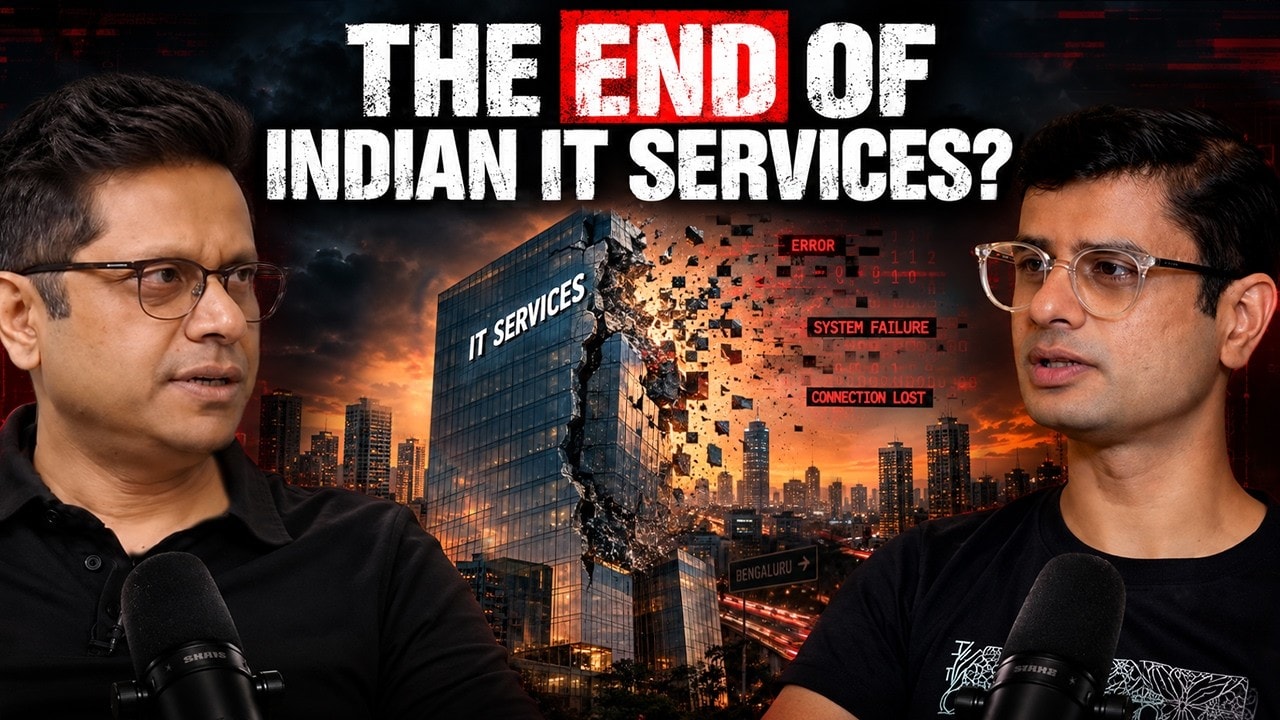
Paras Chopra and Mukesh Bansal discuss researcher-led projects, AI-assisted learning, testable outputs, falling costs, world models and consciousness. Chopra offers views on India’s research environment and model dependence. These are founder opinions and future scenarios, not verified forecasts or a comprehensive Indian IT-services analysis.
Dwarkesh Podcast
Noam Brown and Dwarkesh Patel discuss multi-agent AI, math progress, research acceleration and alignment. Brown describes experiments with minimal structure and raises concerns about safety evaluations, visible reasoning and models recognizing test environments. These are his research observations and uncertain forecasts in September 2026.
Figuring Out with Raj Shamani
David Sinclair joins Raj Shamani to discuss aging, the epigenome, exercise, body composition and daily habits. He presents his longevity theories and personal routines, including ideas that remain debated or preliminary. This is a summary of his views, not medical advice; animal findings and proposed treatments should not be read as proven human age reversal.

The Diary Of A CEO with Steven Bartlett
Andrew Huberman returns to The Diary Of A CEO to discuss his daily approach to hydration, morning light, exercise, stress, sleep and walking. He explains how he thinks about cortisol timing, effort and alertness, and also discusses supplements and emerging interventions. This is a summary of his views, not medical advice; individual needs and the strength of evidence vary.
Figuring Out with Raj Shamani
Andrew Huberman joins Raj Shamani to discuss stress regulation, morning routines, attention and the need for recovery. He connects mental strength with being able to shift between focused effort and rest without turning routines into another source of anxiety. Health claims and techniques are his educational views, not personal medical advice.

The Diary Of A CEO with Steven Bartlett
Physicist Brian Greene joins Steven Bartlett to discuss string theory, simulation, emotions, mortality and the search for meaning. He offers a physical account of consciousness and personal views on free will, religion and AI. Speculative and philosophical positions are attributed to Greene rather than presented as settled science.

The Diary Of A CEO with Steven Bartlett
Dr Andy Galpin joins Steven Bartlett to discuss sleep disorders, wearables, morning light, sleep temperature and energy, before turning to training and fat loss. He argues for finding individual constraints rather than adding endless optimization. This is a summary of the conversation, not medical advice; persistent symptoms and possible sleep disorders warrant clinical assessment.
Huberman Lab
Andrew Huberman and Dr. Fei-Fei Li discuss vision as a base of intelligence, the development of computer vision and ways AI might extend human abilities. They examine the limits of AI, personal agency through learning, robotics and education. This summary presents the conversation's views in August 2026, not guarantees about every AI tool or predictions of what it will achieve.
Figuring Out with Raj Shamani
Group Captain Shubhanshu Shukla - test pilot, fighter pilot and the first Indian to reach the International Space Station - explains rocket science to Raj Shamani like he is talking to a kid: why orbit is really a continuous free fall, what 0 to 28,500 km/h in eight and a half minutes does to a human body, and how a docking at 28,000 km/h is choreographed down to centimeters per second. He describes what microgravity does to blood, hearts, height, balance, taste and tears; life aboard the ISS (98% recycled water, floating sleep, shared Indian food from DFRL); the night flyover of India that left him with tears pooling in his eyes; and the full road there - a secretly filled 20-rupee NDA form, the academy that broke him down, 2,000 flying hours, a test-pilot course at 30, and a Gaganyaan selection process with 40 blood vials and a 7-day isolation exercise. NOTE: this episode is mostly in Hindi/Hinglish; all notes below are in English and quotes are translated faithfully and marked. All experiences and views are the guest's own. FULL COVERAGE: the captions appear to cover the entire episode. Sponsor: ASUS ExpertBook (Flipkart). Nothing here is medical or professional advice.
The Joe Rogan Experience
Philosopher Nick Bostrom talks with Joe Rogan about contrasting narratives on AI, whether optimists are financially motivated, curiosity and how people are wired, and how exercise, diet and mood may relate. Partial coverage: this note covers the opening portion of the roughly 2h14m episode; the claims are the speakers' own and not medical advice.
Dwarkesh Podcast
David Reich and Dwarkesh Patel discuss a new ancient-DNA study of selection over time, its statistical challenges and Bronze Age changes. These notes focus on source-read study and method passages; later farming and Neanderthal hypotheses remain topics in the full video. Research findings are attributed and provisional, with no ranking of present-day populations or individual traits.
Dwarkesh Podcast
Michael Nielsen and Dwarkesh Patel discuss how scientific ideas advance when experiments are ambiguous or verification is slow. Historical examples lead to questions about anomalies, selection bias, alternative technology paths, quantum computing and how to learn deeply. Claims about other civilizations are explicitly speculative.
The Joe Rogan Experience
Author Michael Pollan joins Joe Rogan to discuss consciousness, whether the brain generates or receives it, a famous bar story involving two thinkers, and what it was like to be hypnotized. Partial coverage: this note covers the opening portion of the roughly 2h23m episode; the views are the speakers' own.
People by WTF
Nikhil Kamath asks Anthropic co-founder Dario Amodei about scaling laws, trust, AI risks and benefits, India's IT sector and opportunities for builders. Amodei argues for steering AI rather than simply stopping it, while warning that society may be unprepared. Company claims and forecasts are his own views, not independently verified findings or investment advice.
Lex Fridman Podcast
Joel David Hamkins and Lex Fridman discuss infinity, formal proof, incompleteness and the continuum hypothesis. Hamkins uses simple comparisons to explain infinite sets and describes his philosophical mathematical-multiverse view. These notes distinguish mathematical arguments from positions about what mathematical existence means.
Lex Fridman Podcast
Michael Levin and Lex Fridman discuss intelligence across biological systems, synthetic organisms and the limits of familiar categories. Levin describes his research and speculative ways to recognize agency beyond brains. These notes focus on biological intelligence and research methods, not aging treatments or claims that mind uploading is available.
Lex Fridman Podcast
Demis Hassabis and Lex Fridman discuss AI as a tool for science, learnable patterns, video games, research taste and computing constraints. Hassabis explains his July 2025 outlook on models and work. This is a CEO’s perspective, not independently verified current product performance, AGI timelines or employment assurance.
The Joe Rogan Experience
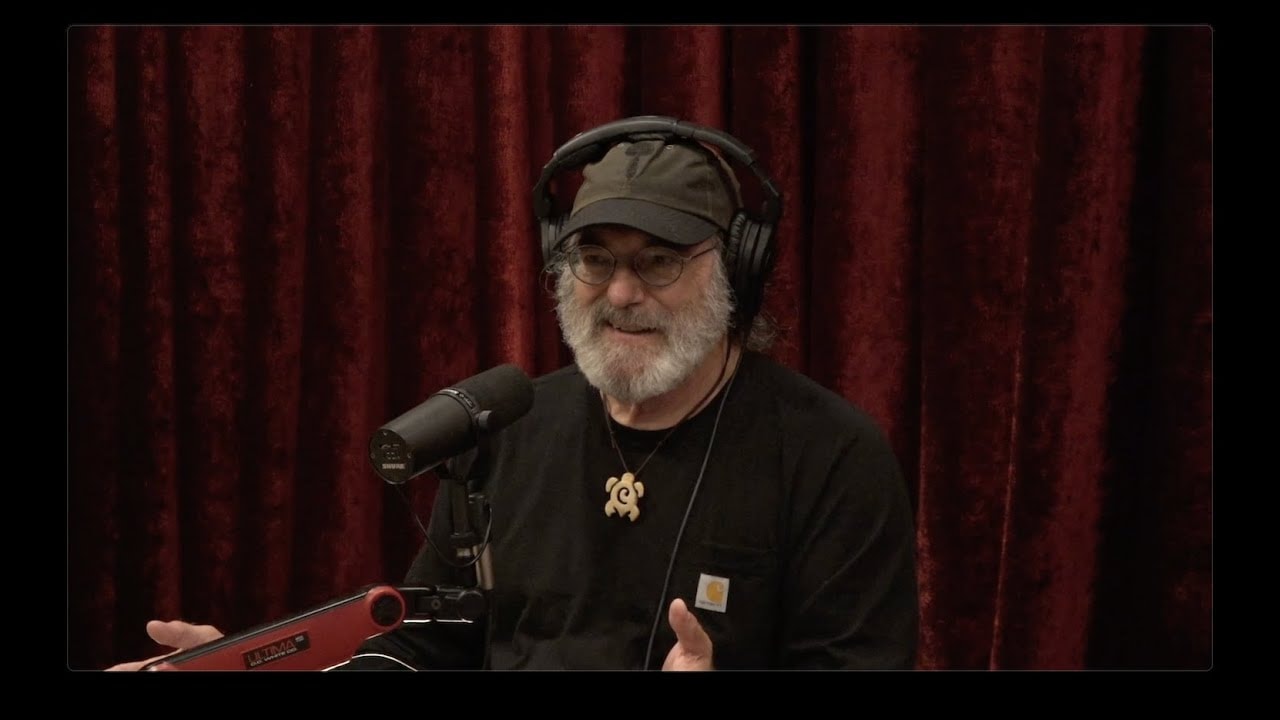
Mycologist Paul Stamets joins Joe Rogan to talk about psilocybin and psychedelics, forgiveness, universal consciousness and new telescope images. Partial coverage: this note covers the opening portion of the roughly 2h43m episode; claims about psychedelics are the speakers' own and not medical advice.
The Joe Rogan Experience
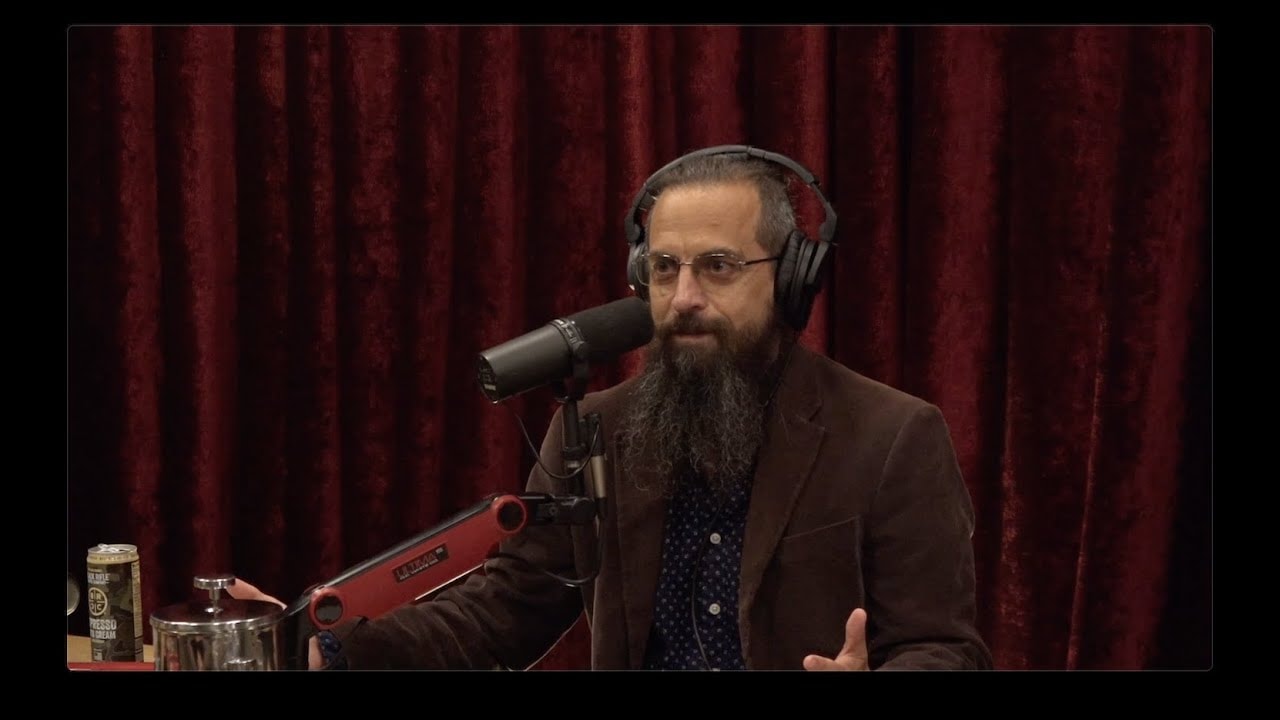
AI safety researcher Roman Yampolskiy talks with Joe Rogan about whether advanced AI would hide its abilities, how people may slowly hand over control, reliance on tools like GPS and chatbots, and why he says safety does not scale like capability. Partial coverage: this note covers the opening portion of the roughly 2h14m episode; the claims are the speakers' own.

Lex Fridman Podcast
Janna Levin and Lex Fridman explore black holes, general relativity, the information paradox and gravitational-wave detection. Levin explains thought experiments and reflects on the persistence behind LIGO. These notes separate physical explanations, unresolved theoretical questions and personal reflections rather than treating speculative ideas as established results.

The Joe Rogan Experience
Five-time world champion Magnus Carlsen joins Joe Rogan to talk about child prodigies, how fast information helps players improve, the cheating controversy that took over chess social media, and playing blindfold games. Partial coverage: this note covers the opening portion of the roughly 2h17m episode; the views are the speakers' own.
Dwarkesh Podcast
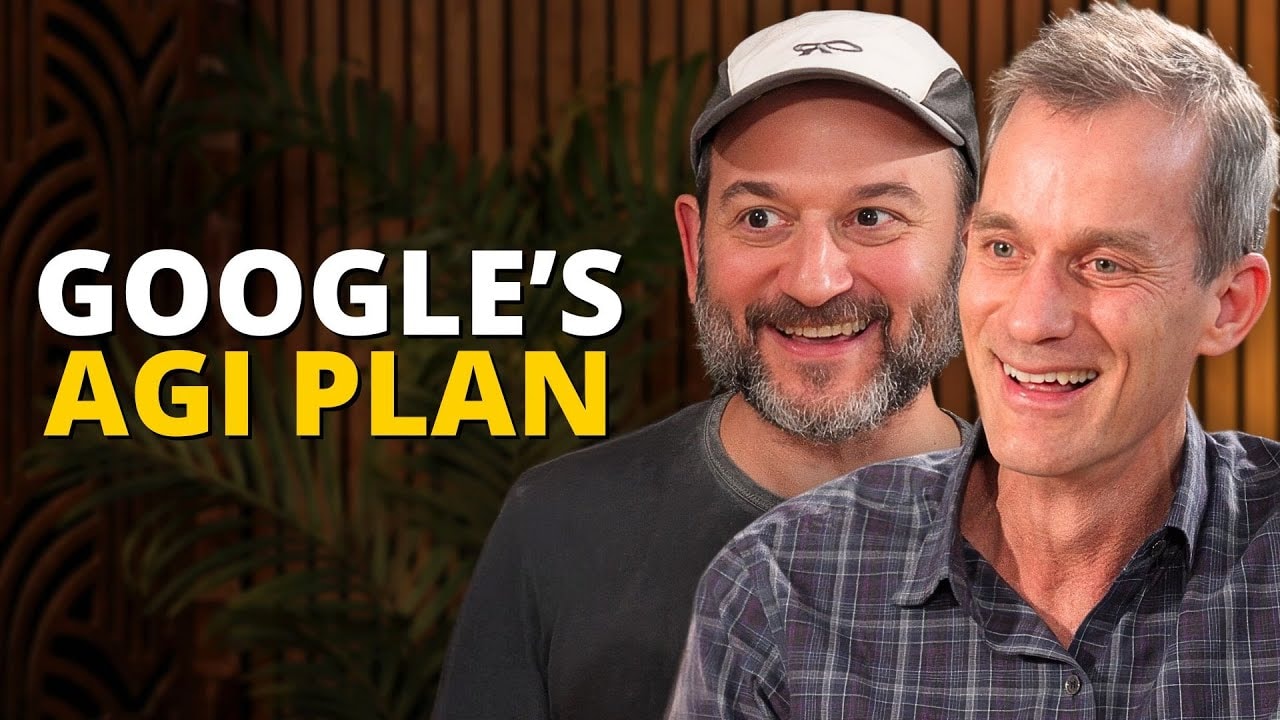
Jeff Dean and Noam Shazeer talk with Dwarkesh Patel about Google's early systems, hardware, language models and AI research. They explain how data-movement costs shape algorithms, why hardware and software need co-design, and how ideas and research culture contribute alongside scale. This is their February 2025 perspective, not a guaranteed AGI roadmap.
The Joe Rogan Experience
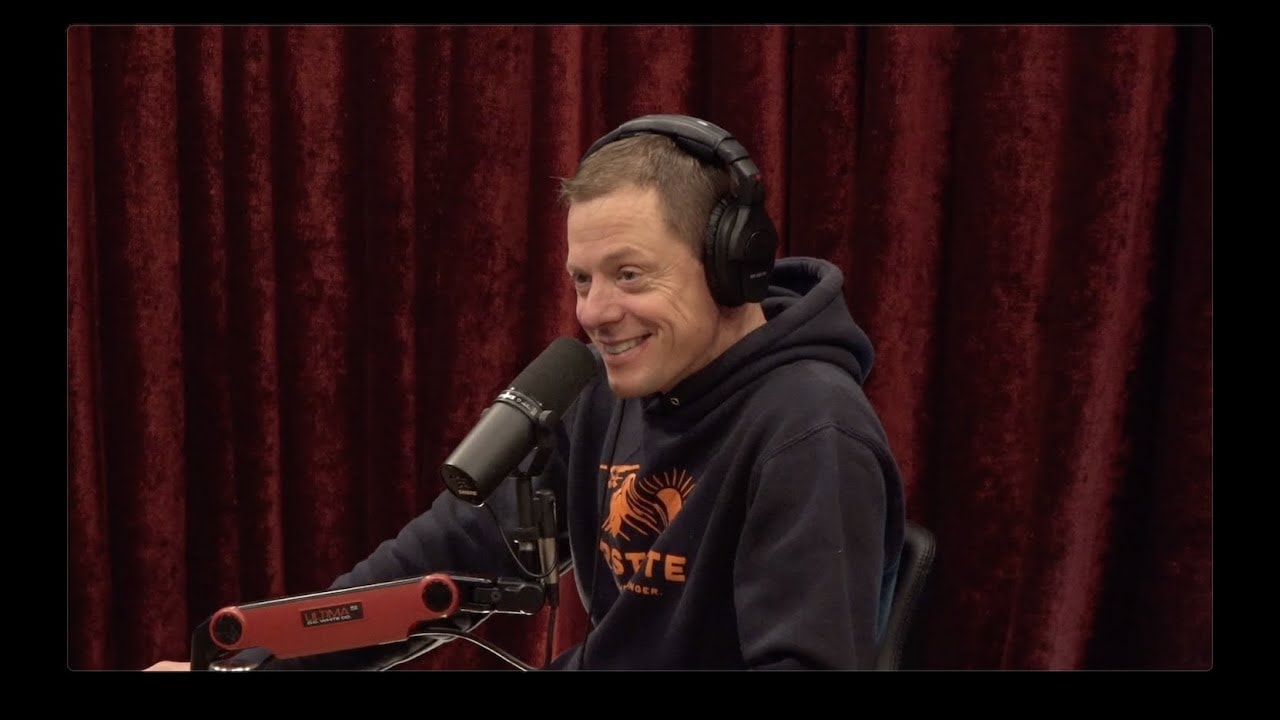
Steven Rinella, host of MeatEater, joins Joe Rogan to talk about staying busy as you age, the debate over abandoned oil rigs, and how the Gulf's marine life clusters around structures. Partial coverage: this note covers the opening portion of the roughly 2h47m episode; the views are the speakers' own, including political remarks about public figures.
Lex Fridman Podcast
Adam Frank and Lex Fridman discuss how to search for extraterrestrial life and technology. Frank explains research roadmaps, planetary systems, biospheres and the assumptions behind alien-civilization scenarios. His predictions and interpretations remain attributed, not proof of life beyond Earth or a guaranteed discovery date.

The Joe Rogan Experience
Mike Rowe joins Joe Rogan to talk about odd biology like animals sharing information, a paper about the cat-lady phenomenon, and his early days selling products on QVC with only a blue card for each item. Partial coverage: this note covers the opening portion of the roughly 3h06m episode; the views are the speakers' own.

The Joe Rogan Experience
Brian Cox returns to discuss black-hole information, the search for other civilizations, meaning and possible futures of intelligence. Selected opening-caption coverage only; later parts of this nearly three-hour conversation are not summarized.
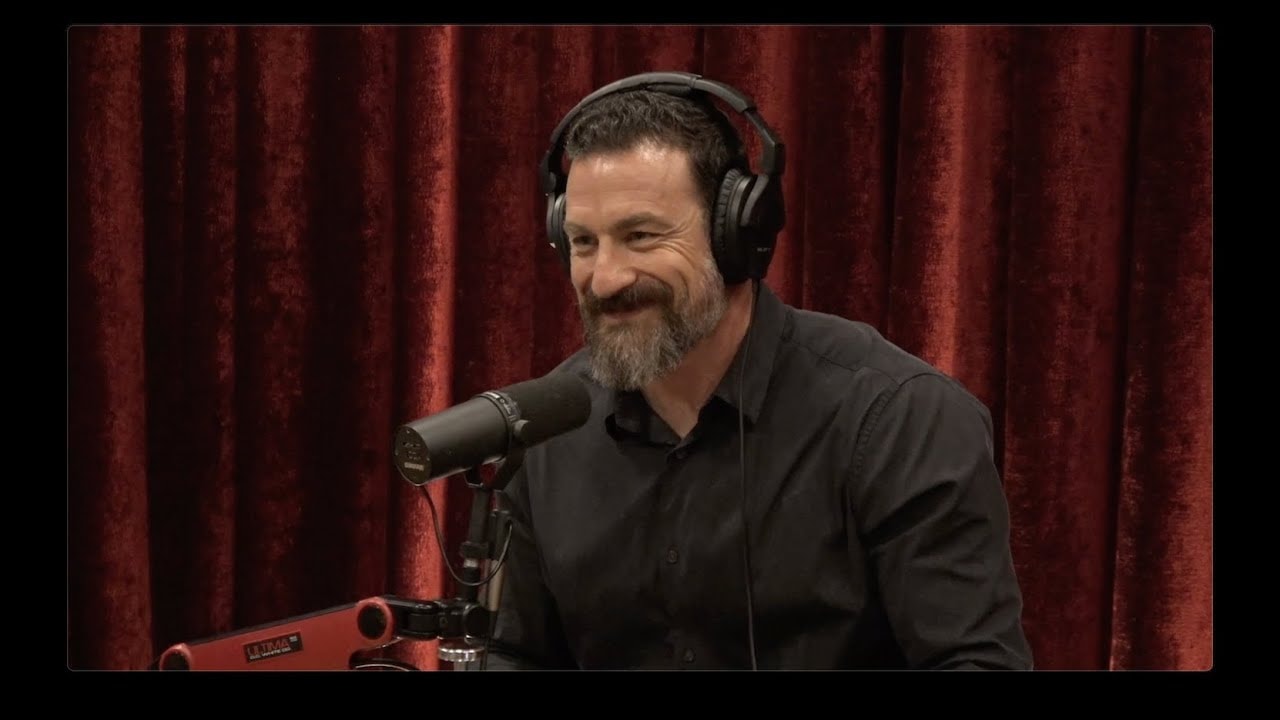
The Joe Rogan Experience
Andrew Huberman and Joe Rogan discuss animal breeding, smell, sensory processing and relationship patterns. Selected opening-caption coverage; medical and psychological claims are attributed to the speakers and are not advice.
Lex Fridman Podcast
Andrew Huberman and Lex Fridman explore focus, creative renewal, public criticism and mistakes, caffeine and exercise, the Jungian shadow, supplements, psychedelics, relationships and friendship. Huberman explains how attention relates to acetylcholine, why he invited a critic to discuss a disputed claim, and how his own routines and small team support his work.
Lex Fridman Podcast
Charan Ranganath talks with Lex Fridman about why people forget, how attention and testing shape learning, and how imagination and other people can change memories. He explains the difference between remembering more and remembering what matters, and discusses uncertainty in science. Educational summary, not medical advice.

