

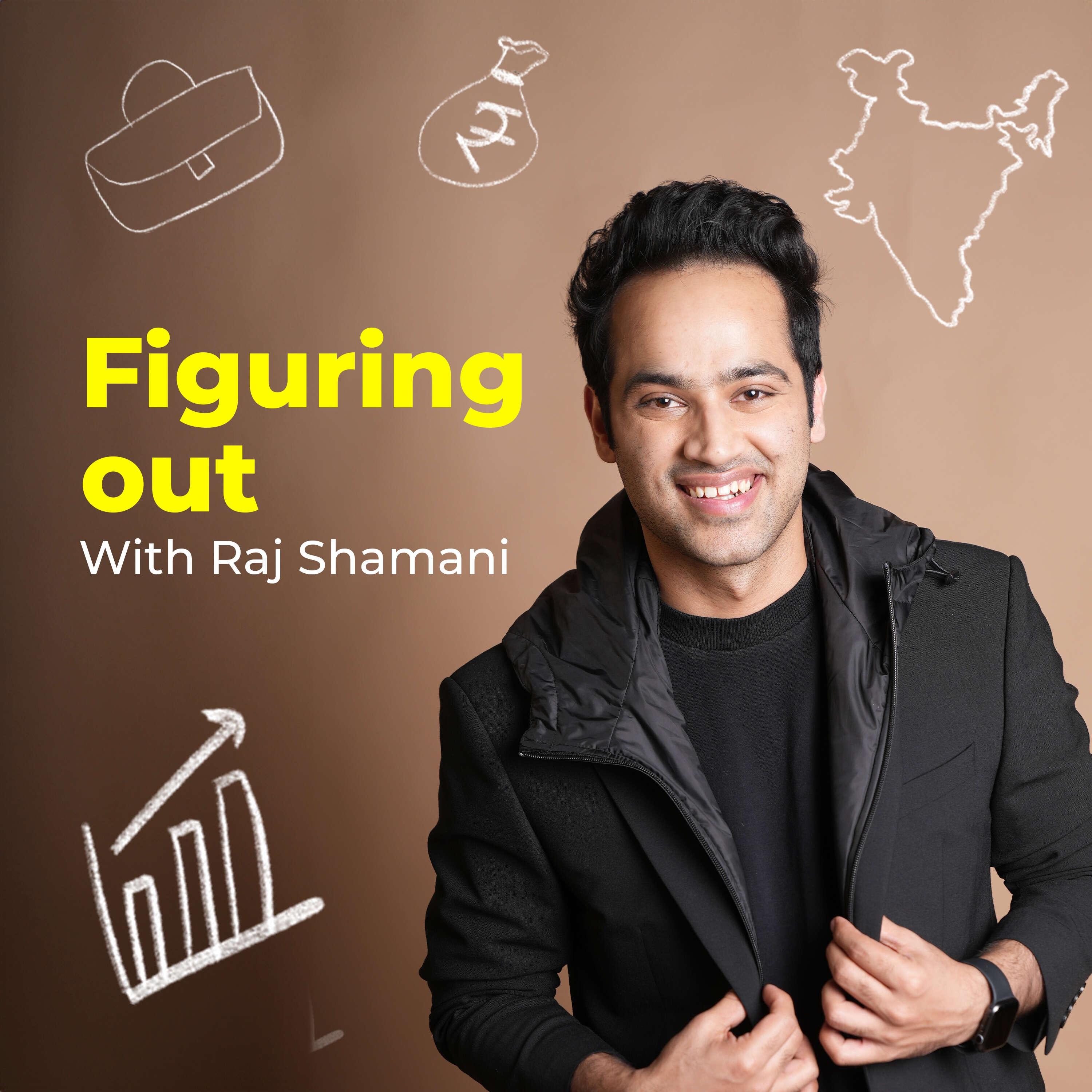
A Message To All INDIANS - Raj Shamani & Daksh Tyagi | Figuring Out 27
with Daksh Tyagi

Executive Summary
Raj Shamani sits down with Daksh Tyagi, author of A Nation of Idiots, for a conversation about how Indians pick their political leaders, why we stay loyal to parties we voted for, and what happens to a society that stops questioning itself. They cover how news channels build trust in anchors rather than organizations, how the Australia racism story was exaggerated by isolating facts, why offense is manufactured to distract us from substance, and why no one takes accountability for being wrong. They also get personal: the 'married away' logic applied to daughters, why rules differ for girls and boys in the same house, and why both hosts call themselves recovering idiots. Raj found the book randomly on Amazon and hunted the author down - this is what they unpacked.
Key Takeaways
We choose leaders by extremes and jokes, not track records
Daksh argues campaign makers train leaders to portray everything as yes-or-no with no middle, and voters sort candidates into 'comedian or serious guy' - the one joked about more on social media loses, the serious one wins.
Voting for someone should make you their biggest critic
Raj questions why voting for a party turns into loyalty to it; Daksh's fix is to keep questioning your own side, because even criticizing your favorite team's selection keeps the conversation alive.
News sells trust in a person, not an organization
Daksh points out it is far easier for news channels to make you trust an anchor than the organization, which is why anchors are trumped up as angry truth-tellers you are not meant to question.
The Australia racism story was a lesson in isolated facts
Raj, who lived in Australia then, says the 2008 attacks coverage exaggerated real incidents during a crime-rise period after the financial crisis; the student protests ended with journalists given five-star treatment reporting Melbourne was great.
Offense is a distraction from substance
Their reading of outrage politics: people want you offended so you stop talking about material issues; every charge gets a whatabout rebuttal, and accountability disappears because nobody wants to admit they were wrong.
'Married away' logic reveals how differently we treat daughters
Raj and Daksh swap near-identical family stories about girls being told they belong to another house; Daksh's line in the book: a girl should not be married away, she is just getting married - remove the 'away'.
There is an idiot in all of us - the point is recovering
Daksh calls himself a recovering idiot: the book is not about avoiding idiots (there are too many) but noticing the things you once believed that were wrong, and actively changing.
The Conversation Breakdown
How Raj found the book: reading what everyone else reads
⏱ Untimed topicRaj discovered A Nation of Idiots randomly on Amazon while searching books on Indian society, hooked by one line: we build things to prove our worth and break things to prove a point. Daksh's reading rule: if you read what everyone else is reading, you start thinking like everyone else - which is why independent art and offbeat books need space.
The Australia racism coverage: isolated facts, exaggerated story
⏱ Untimed topicRaj was living in Australia during the 2008 'racism attacks' coverage and says nothing like the 24/7 news story was happening around him - real incidents during a post-financial-crisis crime rise were isolated and exaggerated, and the episode ended with journalists given five-star treatment reporting Melbourne was a great place.
Why news anchors are built as people you cannot question
⏱ Untimed topicDaksh explains the propaganda mechanics: channels make you trust a person rather than an organization, trump up anchors as angry real-news warriors, and feed impatience - we demand every politician's stupid remark right now, so judgment gets faster and shallower.
Questioning culture: daughters, 'married away', and different rules
⏱ Untimed topicBoth swap family stories of girls being told they belong to someone else's house. Daksh's book argues a girl is not 'married away', she is just married - remove the away. Raj's wife called marriage itself an archaic institution being modernized; both agree we treat women differently without knowing why, because we never question what we inherited.
How we actually pick political leaders
⏱ Untimed topicDaksh: leaders and campaign makers are trained to portray everything in extremes with no middle, because influence needs a side. Voters then sort candidates into comedian versus serious guy - the most-joked-about loses. His counter-signal: watch the silent candidate doing visible work, not new-roads PR.
Offense, whataboutery and the death of accountability
⏱ Untimed topicThey trace how offense is manufactured to distract from substance, every criticism gets a five-year-old whatabout rebuttal, and nobody admits being wrong - we get the wrong coffee and wrong flight but our political choice is always spot on. Questioning your own side, they argue, is what keeps hundreds of conversations alive.
A nation of recovering idiots
⏱ Untimed topicDaksh closes the loop: you cannot avoid idiots, there are too many - the point is the idiot in us. He calls himself a recovering one, still catching things he once believed that were wrong, and says actively questioning his own behavior is how he wants to help society. Raj plugs the book and asks viewers to comment with the chapter they loved.
Core Frameworks & Ideas
Extremes as influence engines
Leaders and campaign makers portray everything as yes-or-no with no middle ground, because the easiest way to build influence is to force a side; expecting a middle is how you see through it.
Person-over-organization trust transfer
Media builds trust in an anchor's face rather than the organization, because a person is easier to believe and harder to question; when the face says it, the audience stops checking.
Offense as distraction
Manufactured outrage pulls a conversation away from substance: get the other side offended and they stop talking about material issues, and every charge can be met with an unrelated rebuttal.
Recovering-idiot loop
You cannot eliminate idiots around you, so the workable unit is yourself: notice what you once believed that was wrong, say so, and change - a society that allows questioning stays correctable.
Actionable Next Steps
- ✓Apply the biggest-critic rule: pick the party or leader you last supported and write down your three sharpest criticisms of them.
- ✓Audit your information diet: add one book or source this month that people around you are not reading, so your thinking is not a copy of your feed.
- ✓Check the person-versus-organization test: the next time a news anchor makes you angry or certain, ask whether you verified the claim or just trusted the face.
- ✓Remove the 'away': if you use phrases like married away or paraya dhan about daughters, catch yourself and restate it - she is just getting married.
- ✓Run a recovering-idiot review: write down one thing you confidently believed five years ago that you now think is wrong, and what changed your mind.
Notable Quotes
“we build things to prove our worth and break things to prove a point.”
“if you're reading what everyone else is reading, you'll start thinking like what everyone else is thinking.”
“If you vote for someone, you should be their biggest critic.”
“A girl should not be married away. She's just getting married.”
“when a society doesn't allow a person to question that society is heading in the wrong direction.”
“it's far easier for news channels to make you trust a person rather than an organization.”
“there is an idiot in us. I mean, I am an idiot, a recovering one, but still an idiot”
The One Thing to Remember
One thing to remember: If you vote for someone, you should be their biggest critic - loyalty without questioning is how accountability dies.