


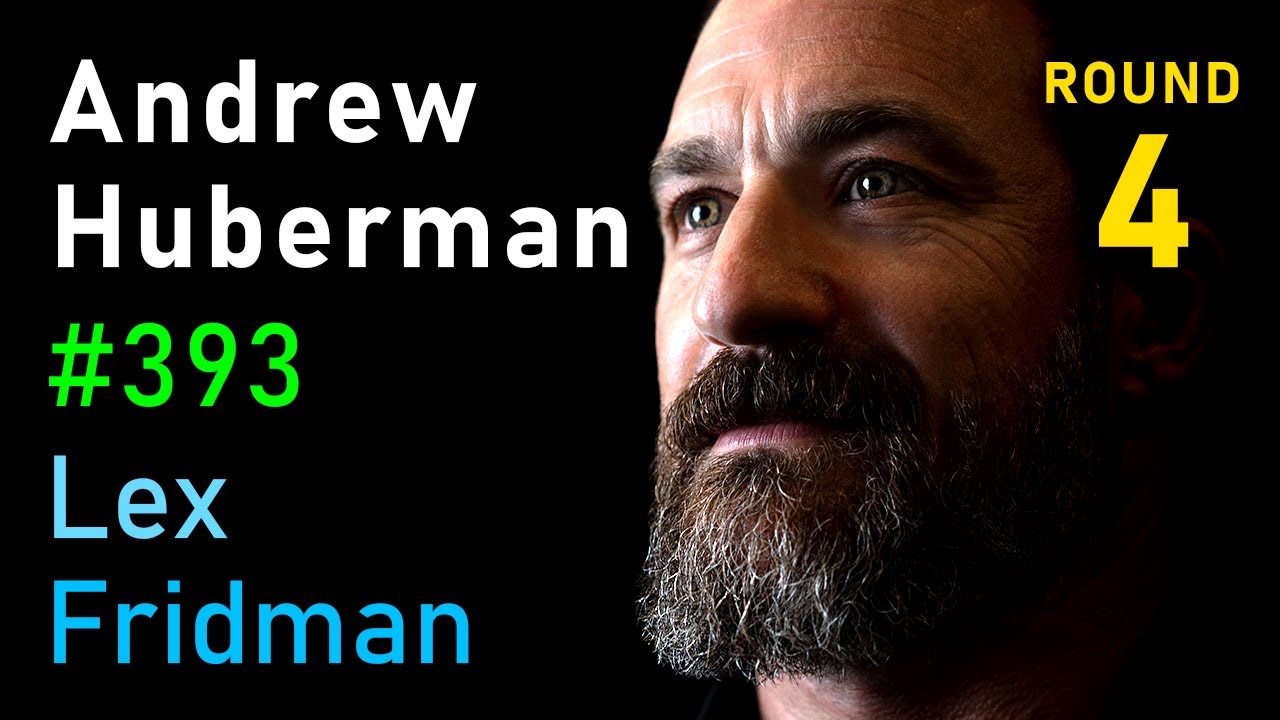
Andrew Huberman: Relationships, Drama, Betrayal, Sex, and Love | Lex Fridman Podcast #393
Executive Summary
In this August 2023 conversation, Huberman and Fridman move from exercise and walking to self-understanding, loyalty and relationships. Huberman describes varied training, the thinking space he finds in walking and the value of trusted friends' perspectives. His overt-versus-covert-contract idea distinguishes explicit agreements from hidden expectations. Later, he describes the research work behind his podcast. The personal stories and relationship claims are attributed to the speakers, not presented as universal rules or medical guidance.
Key Takeaways
Variety means different challenges, not maximum strain every day
Huberman describes lifting, long runs, medium runs and sprint work as different kinds of demands. He also discusses changing repetitions and loads over time. These are descriptions of his own training and experience, not a program for every listener; his conversation recognizes the need not to damage the body or mind while doing hard things.
Walking can make room for thinking
Both speakers describe integrating light movement with cognitive work. Huberman recalls walking meetings and reading while pacing, and says he can think more clearly that way. The practical idea is to test a setting that supports attention, without assuming walking is safe or useful during every task.
Intuition and trusted feedback can work together
Looking back, Huberman says he sometimes overrode an early sense about people. He also credits his community with useful perspectives and warnings. The lesson is his experience of combining internal signals with outside feedback, not treating a gut feeling as reliable proof of another person's character.
Value loyalty without letting every rupture consume everything
He says loyalty matters, while adding that a break should not disrupt too many other parts of life. The relationship and its context matter. This gives a boundary to the discussion: caring deeply about trust does not require giving one disappointment unlimited control over work, rest and other relationships.
Hidden expectations can create resentment
Huberman contrasts an explicit exchange with a situation where someone agrees on the surface but covertly seeks something else. He presents this as a recurring relationship problem and argues for clearer conversations. His absolute language about good and bad contracts is his view, not an established rule that explains every conflict.
Good public explanations take private preparation
In the productivity discussion, Huberman says he does the primary research for his podcast episodes and has delayed episodes to spend more time on them. He also describes help from a professor and family research assistance. The point is the work behind an explanation, not a claim that the resulting podcast is infallible.
The Conversation Breakdown
Overt and covert contracts
⏱ 1:02:24Huberman explains an overt agreement as an exchange that both people can see and discuss. A covert contract includes an expectation that is hidden, sometimes expressed through lateness, jabs or other behavior. Fridman raises the difficulty of knowing what another person intends; Huberman emphasizes responsibility for one's own behavior and willingness to have hard conversations.
Core Frameworks & Ideas
Overt versus covert contracts
Distinguish an agreement both people know from a hidden expectation attached to it. Use direct discussion rather than quietly collecting an unagreed return.
Intuition plus community feedback
Notice your own reaction, then seek perspective from people whose judgment you trust. Neither one replaces evidence about a specific situation.
Different demands and recovery
Training and hard work can use different kinds of effort. The conversation values challenge while warning against destroying the body or mind in pursuit of it.
Actionable Next Steps
- ✓Name an expectation you have not actually discussed with the other person and find a respectful way to raise it.
- ✓Try a safe, low-distraction walk for thinking and note whether it helps your attention.
- ✓Ask a trusted person for perspective on a difficult decision without treating their opinion as a verdict.
- ✓Set aside enough preparation time for an important explanation and check the source material before sharing it.
Notable Quotes
“I think people can change, but they have to want to change.”
“You can only take responsibility for your own contracting.”
“But I do all the primary research for the episodes myself.”
The One Thing to Remember
Make expectations explicit: an agreement people can discuss is different from an unspoken bargain that turns into resentment.