


Andy Weir on the Economics of Sci-Fi and Space | Conversations with Tyler
Executive Summary
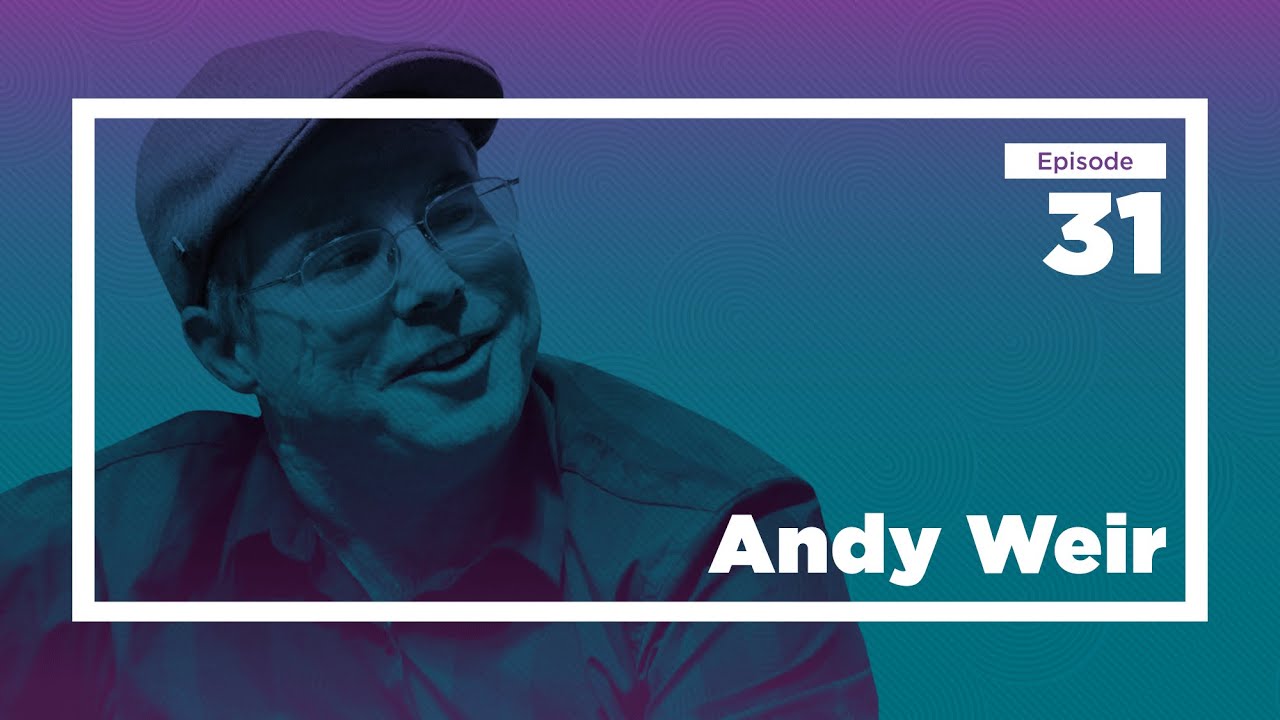
Andy Weir discusses the economic world-building behind Artemis with Tyler Cowen. These notes cover selected fictional-economy and storytelling passages, not the full interview. Space-governance and treaty debate, health and value-of-life discussion, planetary-protection claims and later speculative science are omitted. Numbers for transport and currency describe Weir's fictional setting, not real launch prices, financial advice or travel offers. Predictions remain speculation made in 2017. Official release is December 20, 2017; the YouTube copy was uploaded later. Full official transcript: https://conversationswithtyler.com/episodes/andy-weir/ . Topic labels are untimed.
Key Takeaways
Start with the reason the place exists
Before writing Artemis, Weir worked on the economics of a lunar settlement. He did not treat a familiar mining premise as self-explanatory. Asking why people need to be there helps connect the setting to the story.
Tourism is the chosen premise
Weir's imagined settlement relies on tourists drawn to a historical site and low gravity. This is a conceit of the novel, not evidence that lunar tourism is currently viable. The attraction must make sense within the fictional world's assumptions.
Transport cost enters ordinary life
Cowen's question about a Cantonese meal leads Weir to discuss the mass of imported goods. A world-building assumption reaches into everyday consumption. The transport figures are fictional estimates, not a checked commercial quote.
The currency reflects a logistical constraint
Weir explains slugs as soft-landed grams and describes them as a kind of store credit. The invented unit connects money to moving mass. These notes do not classify or recommend any real financial asset.
A single income source creates fragility
Weir compares Artemis with a resort town. Tourism and immigrants bringing savings supply income, while some local production is used inside the settlement. His model makes a growing population part of the economic tension rather than just background scale.
Technical and economic choices interact
The water example connects what can be supplied locally, what must be brought in and what can be reused. Weir uses this to make a fictional economy feel internally connected. It is an account of his novel's design, not an operational guide to life support.
Cooperation can drive a frontier story
Weir distinguishes his intended story from the rebellion plots he sees in other space-colonization fiction. He wants to show cooperative aspects of a frontier town. That narrative choice does not establish a prediction about actual future colonies.
The Conversation Breakdown
An economic foundation
⏱ Untimed topicWeir begins with the settlement's reason to exist. The notes focus on fictional world-building.
Tourists and ordinary consumption
⏱ Untimed topicA historical site and low gravity supply attractions in the novel. Imported food shows how the transport premise affects everyday life.
An invented monetary unit
⏱ Untimed topicSlugs connect the fictional currency to landed mass. No real purchase or investment claim follows.
Income and internal production
⏱ Untimed topicTourism, arriving savings and local production play different roles in the model. Growth can conceal fragility.
Constraints and story choices
⏱ Untimed topicThe water example connects engineering assumptions with costs. Cooperation offers a different story shape from rebellion.
Core Frameworks & Ideas
A place must pay its way
Give an invented settlement an income mechanism, not just scenery.
Everyday consequences
Trace a large world-building assumption into a small ordinary purchase.
Alternative narrative engine
Consider cooperation as a source of action instead of defaulting to revolution.
Actionable Next Steps
- ✓For a fictional town, write down where income enters and where it leaves.
- ✓Choose one ordinary meal or object and ask how the setting's constraints affect it.
- ✓Label speculative costs as assumptions rather than presenting them as real prices.
- ✓Test whether a story can generate tension through cooperation as well as conflict.
Notable Quotes
“So I decided tourism is kind of the answer to what is the economics behind it.”
“It’s actually, in a way, store credit.”
“So it’s like a resort town.”
The One Thing to Remember
A believable fictional place needs an explanation for how it pays for itself, not merely an impressive technical setting.