

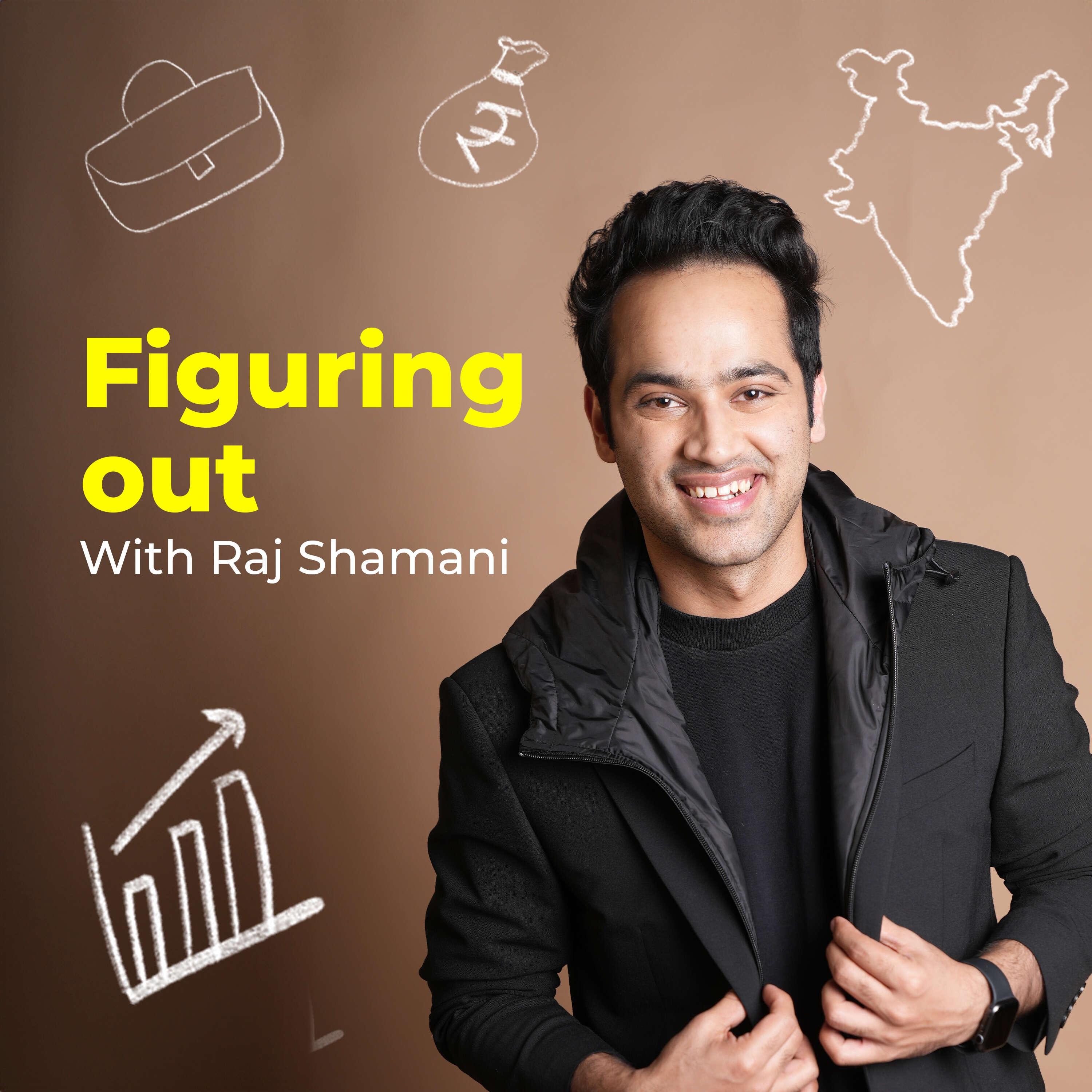
Family Life, Relationships, Bollywood & Kabaddi - Abhishek Bachchan On Figuring Out115 | Raj Shamani
with Abhishek Bachchan

Executive Summary
Abhishek Bachchan talks to Raj Shamani about the values he absorbed from his parents - loyalty and honor from his mother, discipline and duty from his father - and why he believes parents should lead by example rather than teach. He explains why he still lives with his parents, how he thinks about his surname as a legacy to further rather than an ego to escape, and the relationship test he uses: with the right person, the work stays minimal. He also describes buying a Pro Kabaddi team on instinct when everyone mocked it (now worth over 100x in a decade), playing an unorthodox coach in his then-upcoming film, reviewing his own movies every week with notes, and why he treats acting as a commercial art where every ticket buyer is owed value.
Key Takeaways
The right relationship keeps the work minimal
Asked whether relationships are more work than expected, Abhishek says every relationship takes some work and adjustment, but with the right person that stays minimal - and if it is constantly a lot of work, you are probably with the wrong person. Effort should be the exception, not the baseline.
Parents teach best by example, not instruction
Abhishek says his father never once raised a hand on him or his sister and never lectured values - he and his mother simply lived them. He watched his mother's loyalty to her near and dear ones and his father's discipline and sense of duty daily, and absorbed both. His conclusion: parents do not need to be teachers - schools have those - they need to be the correct example.
A calm partner resets your priorities
He describes coming home irritated and his wife Aishwarya putting things in perspective. During COVID, when his father, wife, daughter and he were hospitalized at the same time - he was discharged last, after almost a month - she told him how lucky they were to all still be there when so many families had been ravaged. That, he says, is what actually matters.
A son's gold standard is his father
On the ego some sons feel to outgrow their father's shadow, Abhishek says he never had that tussle: the gold standard for any son is his father, and his own frame is stewardship - his surname is sacred, his grandfather gave it, his father furthered it with dignity, and his duty is to grow that legacy, never to deplete it.
Respect time or time won't respect you
Pushing back on the stereotype that actors are always late, Abhishek says his family and most people he works with are punctual, and the younger generation is conscientious about time. His father's rule from childhood: if you do not respect time, time will not respect you - and if a delay is out of your control, call and inform; never take other people's time for granted.
Instinct plus one real data point can beat analysis
Buying a kabaddi team was counterintuitive - friends joked he would buy a gilli danda team next. He knew nothing about running a team, but modern kabaddi felt colorful, vibrant and fast, and his only due diligence was attending a live match near Juhu with 10,000 people cheering. That shoestring investment is now valued at over 100x in ten years - though he insists he never counts multiples until he actually sells.
Acting is a commercial art - the ticket buyer is owed value
Abhishek calls cinema a commercial art: the minute someone buys a ticket, he owes them that ticket's value in entertainment. He balances beautiful stories against other people's money, holds himself accountable as the face of the product, watches his own films almost every week with notes on what to improve, and finishes each film in whatever time that story needs - 35 days or 200.
The Conversation Breakdown
Watches as memories, not investments
⏱ Untimed topicThe conversation opens with Abhishek's love of watches, rooted in 15 years as an Omega brand ambassador that introduced him to watchmaking. His three most special pieces are emotional anchors: the watch he wore at his wedding, the one he wore when his daughter was born - the most special - and the one from his first film's premiere. For him a watch is a memory, not an asset.
What his mother and father taught without teaching
⏱ Untimed topicAbhishek credits the women in his life - mother, sister, wife, daughter - with immense influence, and says he gets honor and loyalty from his mother and discipline and duty from his father. Neither parent lectured or punished; both led by example daily, which he considers the best thing any parent can do. He worries these values are slowly being traded away.
Aishwarya's zen and the COVID hospitalization
⏱ Untimed topicHe describes his wife's calming, spiritual perspective on daily irritations, and the moment it hit hardest: during COVID his father, wife, daughter and he were all in hospital at once, and after a month-long stay he came home last. Her framing - we are all still here, so many families were ravaged, what more can you want - is his benchmark for what matters.
Relationships, moodiness and the right-person test
⏱ Untimed topicAbhishek lays out his relationship model: everything takes some work, but with the right person the work stays minimal, and chronic heavy work signals the wrong person. He admits to being moody and possibly erratic like many actors, defends actor punctuality against the stereotype with his father's rule about respecting time, and explains why he cannot imagine not living with his parents at 81 and 75.
Father, son and the sacred surname
⏱ Untimed topicOn the father-son ego dynamic, Abhishek says the gold standard for any son is his father, and he never treated it as a tussle: his surname is sacred, inherited from his grandfather and furthered by his father, and his duty is to grow that legacy. He describes his family as emotionally expressive and hugging, remembers the first time his father praised his work as a treasured memory, and notes that fathers are usually better examples than teachers - while his 11-year-old daughter already argues back as an equal.
The kabaddi bet: gut feel, one live match, 100x
⏱ Untimed topicAbhishek recounts buying a Pro Kabaddi team with friend Bunty Walia when everyone mocked the idea. He had no knowledge of running a team; the decision was instinct about modern kabaddi's appeal plus one piece of due diligence - a live match near Juhu with 10,000 fans and unbelievable energy. The shoestring venture is now valued at over 100x in ten years, though he says he never counts multiples until he offloads, preferring real money over paper wealth.
The coach role and the actor as a commercial artist
⏱ Untimed topicHe discusses playing Padam Singh Sodhi, a brash, seemingly insensitive coach in his then-upcoming film directed by Balki, whose harshness hides a principle: the greatest service to a handicapped athlete is treating her like every other athlete. He contrasts that with his own soft motivating style, describes reviewing his films weekly with notes, refusing fixed timeframes per project, and holding himself accountable as the face of a commercial product that owes every ticket buyer value.
Core Frameworks & Ideas
The minimal-work relationship test
Abhishek's diagnostic for any non-blood relationship: some adjustment is normal, but if the work is consistently heavy, the person is wrong for you. Effort should stay the exception, and mutual understanding - like his wife instinctively getting the pressures of his profession - is what keeps it minimal.
Lead by example parenting
His parents never lectured or punished; they lived their values visibly every day. His model: a parent does not need to be a good teacher - schools provide those - they need to be the correct example, because children absorb what they watch far more than what they are told.
Legacy stewardship over ego
Instead of the common son-versus-father ego contest, Abhishek frames the family name as a trust: his grandfather created it, his father furthered it with dignity, and his job is to grow it and hand it forward intact - a frame his wife now passes to their daughter as respect without pressure.
Instinct plus one real data point
His investing approach on the kabaddi team: no spreadsheets, just a strong gut read on the product's appeal, validated by one real-world observation - a packed live match. And on returns: never count paper multiples until you actually sell, because only money in the bank is real.
Actionable Next Steps
- ✓Apply the minimal-work test to one relationship this week: list where the effort goes, and ask whether it is normal adjustment or a constant drain.
- ✓Pick one value you want your family or team to absorb, and demonstrate it visibly every day for a month instead of explaining it.
- ✓If you are delaying on someone else's time without informing them, make the call or message a habit - respect for time starts with not taking others' for granted.
- ✓Before your next gut-feel decision, find one real-world observation - a live event, a store visit, a user conversation - that either confirms or kills the instinct.
- ✓Review one piece of your own finished work this week with written notes on what you would do differently next time, the way Abhishek re-watches his films.
Notable Quotes
“It doesn't have to be if you're in a relationship with the right people.”
“if you don't respect time, time's not going to respect you.”
“the gold standard for any son is his father.”
“my surname is sacred to me.”
“I never count my multiples until I actually offload anything.”
“the greatest service I can do to somebody who's maybe handicapped is to treat them normally because they want to be normal.”
“लेकिन कहीं ना कहीं मुझे लगा कि नहीं यार ये कबड्डी इज फन।”
The One Thing to Remember
Abhishek's frame for both family and work is stewardship: his surname, his parents' values and the audience's ticket money are all trusts handed to him, and his job is to further them, not cash them in.