


Matt Levine Live at Bloomberg HQ | Conversations with Tyler
Executive Summary
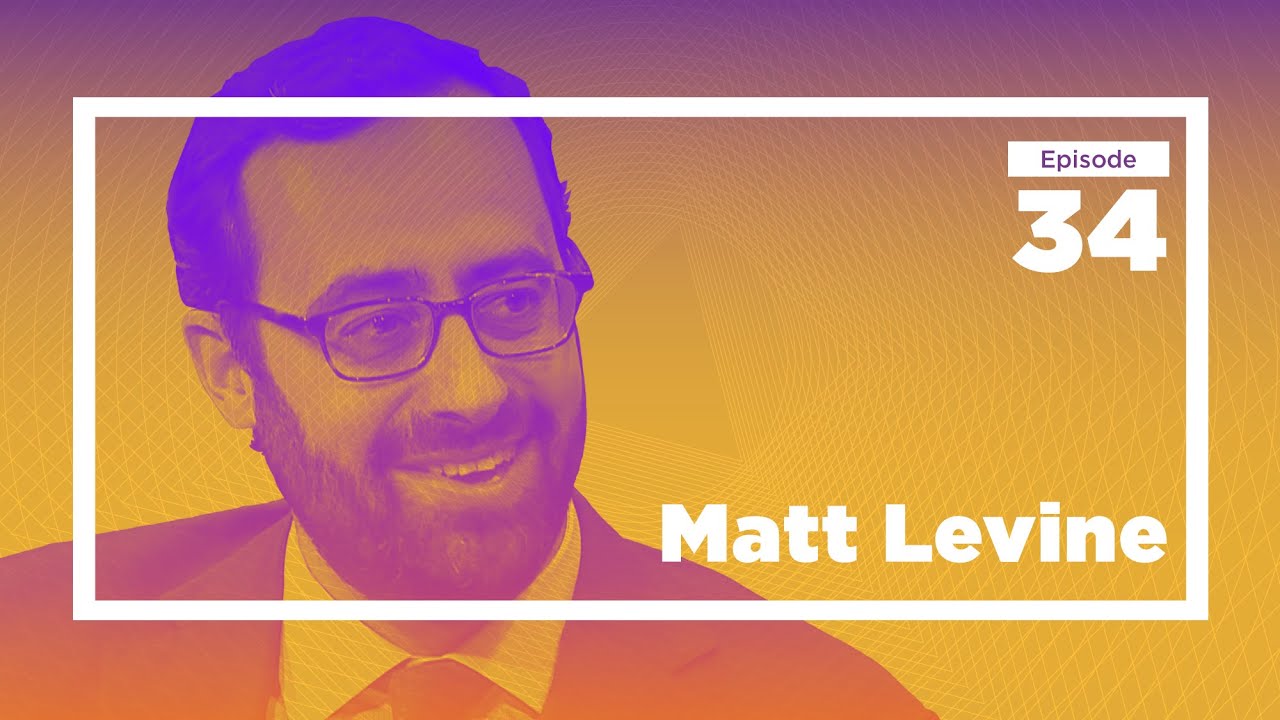
Matt Levine joins Tyler Cowen at Bloomberg for a live conversation linking finance writing, classical literature and the practical work of explanation. These notes select writing, classical education, literary taste and explaining complicated ideas. Cryptocurrency valuations, trading recommendations, crisis predictions, regulatory debate and political claims are omitted. Literary readings and career observations are Levine's interpretations, not settled scholarly conclusions or financial advice. The date is the original episode release rather than the later YouTube upload. Full official transcript: https://conversationswithtyler.com/episodes/matt-levine/ . Topic labels are untimed.
Key Takeaways
Familiar language changes the difficulty of a text
Levine compares studying law with classics: both involve analyzing dense texts, but English legal writing was more familiar than ancient Greek. The difference is not simply whether a subject is serious or difficult. Prior language and cultural familiarity matter.
Letters can make distant people feel immediate
He values Cicero's letters for a sense of direct engagement with someone who lived long ago. Both similarities and strange differences become visible. Classical study offers more than a list of famous historical names.
A writer can admire distance as well as passion
Discussing Horace and Catullus, Levine says he admires Horace's more removed stance and tries to emulate it. His joke about an opinion columnist without opinions points to that style. It is a personal aspiration, not a claim that his writing has no judgments.
Literature can make a familiar value questionable
His reading of Iliad Book 9 focuses on Achilles considering a long, unremembered life instead of heroic fame. He labels this an idiosyncratic interpretation. These notes do not repeat his compressed plot account as a factual synopsis of the whole poem.
An interlude need not serve an obvious argument
Levine enjoys a scene in Pnin for its language and unusual delight. The appeal does not require a practical lesson or a tightly functional plot role. His response is an example of aesthetic pleasure rather than a definitive interpretation.
Production rhythms differ between writers
He describes producing reliably with daily deadlines while struggling with a weekly schedule. He calls the process difficult and driven by panic. This is his account, not a recommendation to cultivate stress or a universal productivity method.
Explanation starts with what the reader needs
His banking work involved explaining complex products to smart people outside the specialty. They needed economic intuitions more than names for legal documents. He now focuses his writing on places where he has something to add, knowing colleagues can cover other subjects.
The Conversation Breakdown
Classics and familiarity
⏱ Untimed topicDense texts become different tasks when language and cultural background differ.
Ancient writers as people
⏱ Untimed topicLetters and poems offer both recognizable concerns and unfamiliar ways of thinking.
Literary interpretation and delight
⏱ Untimed topicLevine discusses an idiosyncratic reading of Achilles and the pleasure of Pnin's writing.
Deadline rhythm
⏱ Untimed topicDaily production works differently for him from longer deadlines; he does not describe it as effortless.
Explaining and choosing a topic
⏱ Untimed topicHe translates specialist material into economic intuitions and writes where he can add something.
Core Frameworks & Ideas
Reader-centered explanation
Explain the intuition relevant to the reader before specialist labels.
Personal production rhythm
Distinguish an individual's reliable work cadence from a rule for everyone.
Contribution before coverage
Choose a topic because you can add insight, rather than solely because it exists.
Actionable Next Steps
- ✓Rewrite one technical explanation around what the reader needs to understand, then add necessary vocabulary.
- ✓Before starting a piece, name what you can add beyond a basic account of the topic.
- ✓Compare your output under different deadline lengths without assuming another writer's rhythm will fit you.
- ✓Read a historical letter for both recognizable human concerns and differences from your own world.
Notable Quotes
“I don’t really speak Latin.”
“What I think is, people have their proper metabolism for producing stuff.”
“If I write about it, it’s because I have something to say about it.”
The One Thing to Remember
Write where you have something useful to add, and explain the intuition a reader needs rather than making them memorize your specialist vocabulary.