

Neal Stephenson on Depictions of Reality | Conversations with Tyler
Executive Summary
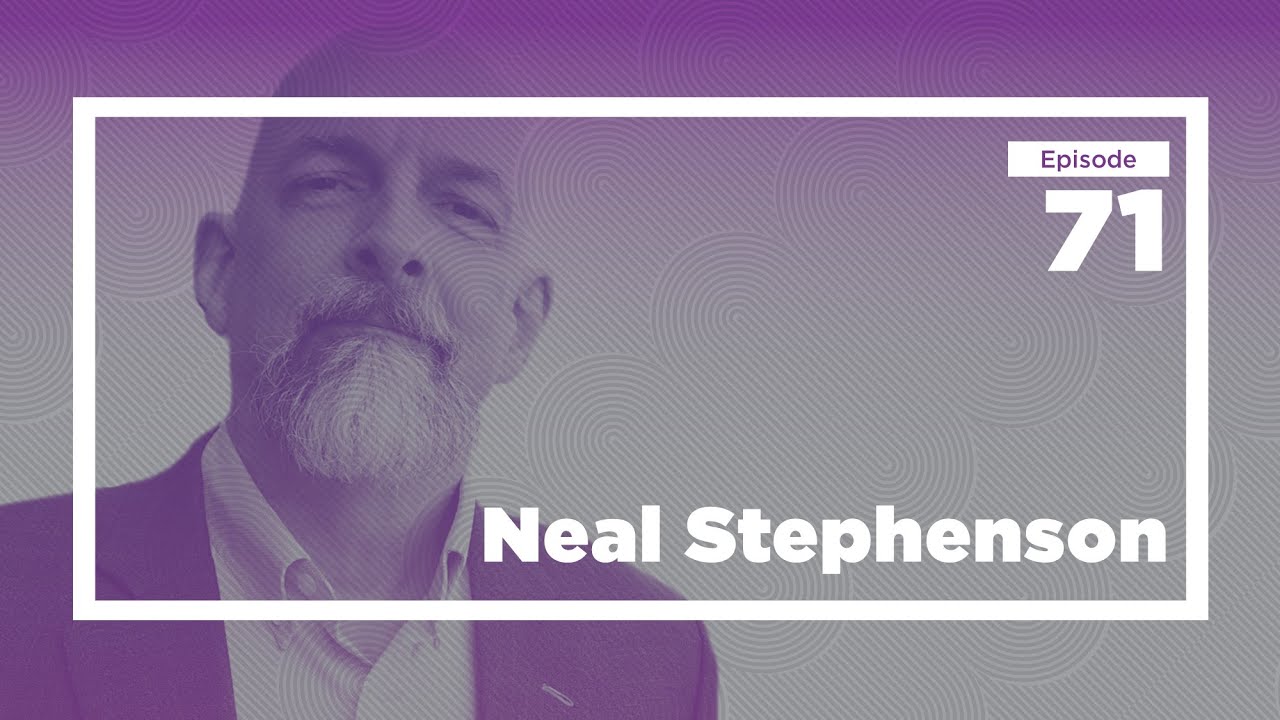
Neal Stephenson talks with Tyler Cowen about storytelling, literary influences and his writing process. These are selected literary and writing-process notes, not a full episode summary. Surveillance, social-media and political debate, cryptocurrency, medical speculation and broader technology forecasting are omitted. Comments about writers and books are Stephenson's interpretations. His routine and career observations describe the 2019 interview, not current advice about income or employment. Official release is July 17, 2019; the YouTube copy was uploaded later. Full official transcript: https://conversationswithtyler.com/episodes/neal-stephenson/ . Topic labels are untimed.
Key Takeaways
Science supplies story material
Stephenson links his prose storytelling to a background in science, mathematics and engineering. Those subjects offer interesting ideas that can drive a story. The notes focus on his approach to fiction rather than adopting his broader forecasts.
Empathy begins with the uninformed reader
He compares storytelling to giving directions to a person who does not know the route. Knowing something yourself is different from knowing how to explain it. The writer must imagine the gaps that the reader will encounter.
Technique develops through practice
Stephenson describes related skills in arranging words, editing and organizing a page. Empathy is a starting point, not the complete method. Repeated work helps make the explanation readable.
Small moments can outlast a whole plot
He says Heinlein's human interactions and images have remained in his memory from childhood reading. The description is a personal literary judgment. It suggests that vivid detail can matter as much as an elaborate premise.
A long fictional world asks for time
Stephenson describes readers who enjoy spending time in a large story universe full of ideas. The relationship between reader and book includes willingness to stay with it. Size alone does not guarantee the experience.
Other work can leave room for ideas
He recalls construction occupying conscious attention while creative things happened elsewhere in his mind. This is a personal account of how work interacted with writing, not a universal productivity rule. It also challenges the idea that every useful writing moment is spent at a desk.
Capture sentences before they vanish
Stephenson says sentences often arrive shortly after he stops writing for the day. He learned to carry a recorder so he would not lose them. His remarks about publication interruptions show how promotion and the next book can compete for attention.
The Conversation Breakdown
Ideas and prose
⏱ Untimed topicStephenson draws material from technical interests, while storytelling remains the central skill.
The reader who does not know
⏱ Untimed topicThe directions example explains empathy as anticipating the reader's missing information.
Practice and remembered detail
⏱ Untimed topicEditing develops with use, and small human moments can stay with a reader for years.
Time in a story world
⏱ Untimed topicLarge books invite sustained immersion. The account describes Stephenson's perception of his readers.
Work around the writing session
⏱ Untimed topicConstruction, interruptions and voice notes feature in his recollection of process. The routine belongs to the interview's time.
Core Frameworks & Ideas
Reader's information gap
Explain from the position of someone encountering the material for the first time.
Lasting detail
Use a concrete human moment instead of relying only on the scale of the premise.
Capture outside the desk
Have a simple way to save a useful line when it arrives away from a session.
Actionable Next Steps
- ✓Review a draft for information the reader needs but the writer has silently assumed.
- ✓Test a complex explanation on someone who does not already know the topic.
- ✓Save a sentence that arrives after a writing session before switching tasks.
- ✓Notice whether promotion interrupts the next project and plan writing time around it.
Notable Quotes
“So I think that storytelling does begin with that kind of empathy.”
“It’s actually been a really interesting thing to pursue in that it’s informative to spend so much time working on something and still be so bad at it.”
“They’re big books. There’s a lot in them.”
The One Thing to Remember
A storyteller must imagine what it feels like not to know the story yet, then guide the reader through it.