

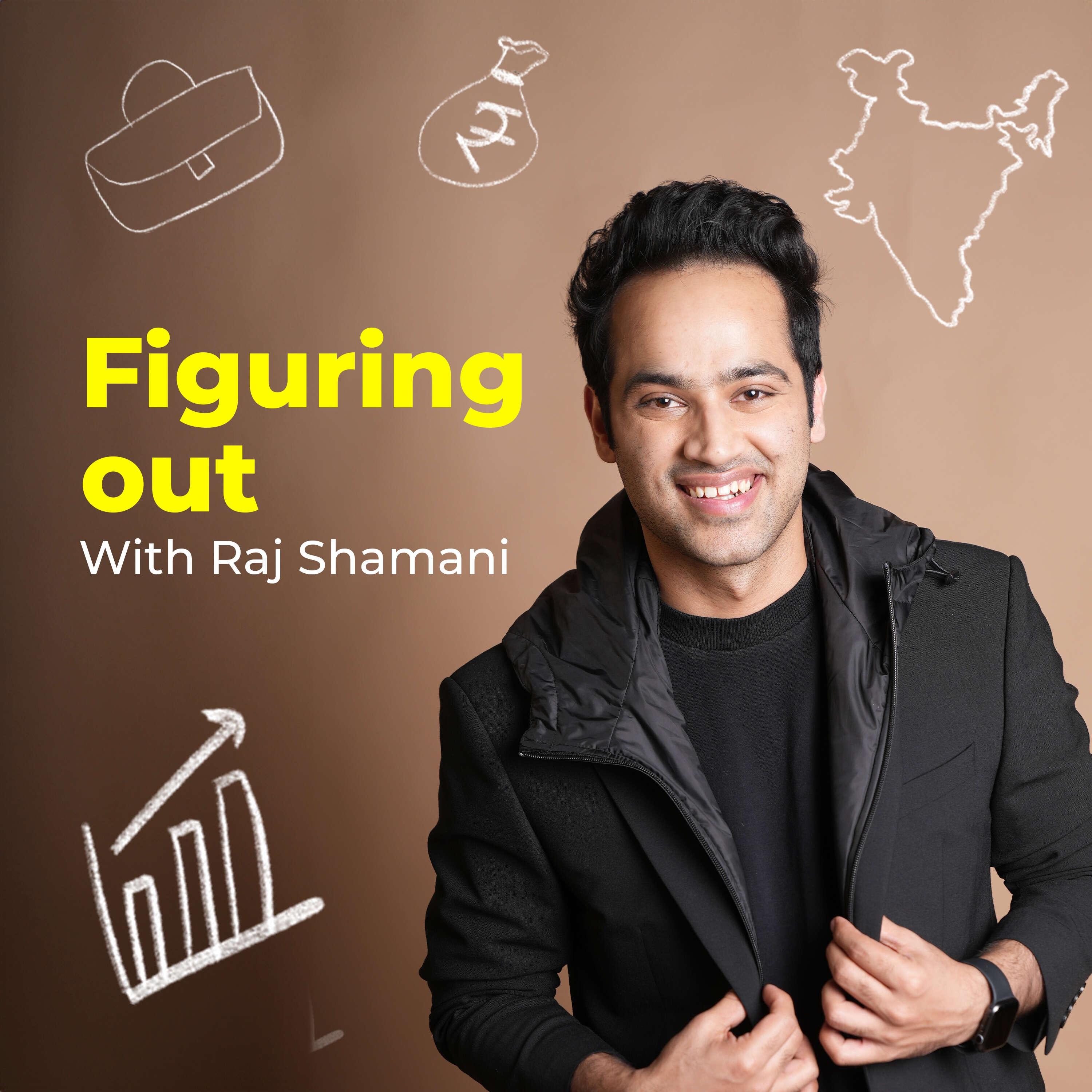
The Most Expensive Cars Compete On Emotion, Not Engineering | Frank Walliser | FO551 Raj Shamani

Executive Summary
Walliser describes luxury-car design as a combination of engineering, craft and sensory experience. He explains why physical clay models still help decisions, why speed has different meanings, and how small acoustic details shape perceived solidity. His account of Bentley's heritage and customers is a CEO's commercial perspective, not an independent evaluation or safety certification.
Key Takeaways
Human judgment remains important in his design view
Walliser argues that existing knowledge and computer tools do not replace the imagination and taste of designers who know a brand. This is his assessment of creative work, not proof that AI cannot produce useful new designs. The supported lesson is the role he assigns to people in choosing what fits a product's character.
Physical prototypes help reveal what a screen misses
He says clay models can be changed quickly and let a team inspect a form in three dimensions and actual light. He links that inspection to decisions before tooling. The idea is to learn through an appropriate prototype, not a universal claim that clay is the only valid method or a reason to commit to expensive production.
Fast is more than one number
Walliser distinguishes straight-line speed from lap performance and discusses power, drag, grip and drivability. The conversation shows how one headline measurement leaves out other requirements. His technical explanation is an interview account, not driving guidance or verified performance specifications for a particular car.
He describes the car as a multisensory product
He connects the experience of a car with color, form, materials, seating, smell and sound. This is his design and commercial perspective on emotional value. It does not establish a measured neuroscience effect or mean that every customer responds to the same cues in the same way.
Silence changes the design question for electric cars
Walliser says reducing engine sound can leave a designer asking what kind of sound or atmosphere belongs in the experience. He discusses crafted sound rather than treating silence as the only objective. This is a preference in product design, not proof that a particular sound improves safety or performance.
Door acoustics involve deliberate engineering
He describes seals, panel stiffness, sound deadening and the latch as parts of how a closing door sounds. The perceived solidity can be shaped by attention to detail. A pleasing sound is not a substitute for crash testing or proof of safety, and the account does not verify a specific model's construction.
Brand stories should have substance behind them
Walliser connects brand identity with materials, craft and learning from history rather than only following trends. He favors a character rooted in the actual product. This is a commercial philosophy, not an independent audit of every brand claim; a story still needs evidence before it is presented as fact.
The Conversation Breakdown
Door sound and perceived solidity
⏱ 43:39Walliser explains the role of seals, rigidity, sound deadening, panels and latches in a closing door's sound. He describes the difficulty of defining a desired sound and the attention customers give it. The section concerns perceived quality, not proof of crash safety or a verified comparison among vehicles.
Core Frameworks & Ideas
Multisensory design
Consider which visual, tactile and acoustic details shape a customer's experience.
Prototype before commitment
Use an appropriate small-scale or physical test to learn before a larger production decision.
Substance behind the story
Connect a product narrative with real design choices, materials and evidence.
Actionable Next Steps
- ✓Observe one small sensory detail in a product you use.
- ✓Consider an affordable, safe prototype before committing to a larger design.
- ✓Separate a headline performance metric from other customer requirements.
- ✓Check the factual support behind a marketing story.
Notable Quotes
“Clay is a relatively cheap option, and a quick option.”
“It's not just moving from A to B. It's a lot about emotions.”
“Don't try to copy. Don't try to follow trends. Be your own character and don't step away from this.”
The One Thing to Remember
Details that look small can carry much of the experience a customer notices.