Explore curated summaries and key insights in Technology. Get the essence of each conversation in 5 minutes.
Figuring Out with Raj Shamani
Sam Altman sits with Raj Shamani for a conversation that is less about AI products and more about how his mind works: the bets, the insecurities, the culture, and the costs. FULL COVERAGE: notes span the entire episode (transcript 0:03 to 1:07:42 of 1:08:00). Sponsor: Levi's is named as the episode's styling partner in the intro; the mushroom drink at the end is a host gift moment, not a stated sponsorship. Everything Altman says about markets, user numbers, OpenAI and other people is his claim as spoken on November 3, 2026; nothing here is business, investment or life advice. He says India is OpenAI's biggest market in the world by users, bigger than the US, and links India's optimism about AI to fast-growing economies that need products and services. He walks through the one insight he has reapplied his whole career - scale produces surprising superlinear returns - and how seeing neural networks improve with scale, years before scaling laws existed, led to starting OpenAI in 2015 when it was an extremely low-status thing to do. He takes Raj inside the August 2022 decision to bet the company on compute after GPT-4 finished training, months before the world saw it, and admits he would not have had the conviction if the model had been even a little less smart. He confirms he launched ChatGPT against the mood of his own leadership team, armed with two YC lessons: be embarrassed by your first version, and a small number of people who love the product beats a crowd that merely likes it (the internal prototype's retention was around 5%, but those users loved it). On power, he names two ways this goes wrong - loss of control to far more capable systems, or one actor concentrating too much power - and argues for pluralism: many competing AI efforts. He calls not taking equity in OpenAI a mistake in hindsight because it confused people about his motives, describes the culture that made roughly 700 employees threaten to resign when he was fired, explains why co-founders and colleagues left to build their own efforts (when stakes feel existential, people only trust themselves), and closes with what he wants to build next: AI that discovers new science, and why he is comfortable with his kids growing up in the world he is helping create.
The Diary Of A CEO with Steven Bartlett
Steven Bartlett asks AI security researcher Jeffrey Ladish about autonomous agents, reported cheating and cover-ups in a lab experiment, containment, jobs and the risks of superintelligence. Incident descriptions and predictions are Ladish's account, not independently verified findings in these notes. The discussion asks how useful AI can progress with meaningful oversight.
SparX by Mukesh Bansal
Paras Chopra and Mukesh Bansal discuss researcher-led projects, AI-assisted learning, testable outputs, falling costs, world models and consciousness. Chopra offers views on India’s research environment and model dependence. These are founder opinions and future scenarios, not verified forecasts or a comprehensive Indian IT-services analysis.
Dwarkesh Podcast
Noam Brown and Dwarkesh Patel discuss multi-agent AI, math progress, research acceleration and alignment. Brown describes experiments with minimal structure and raises concerns about safety evaluations, visible reasoning and models recognizing test environments. These are his research observations and uncertain forecasts in September 2026.
The Diary Of A CEO with Steven Bartlett
Ed Zitron gives Steven Bartlett a critical view of generative AI, arguing that capability claims and financial expectations are overstated. The conversation examines token pricing, subsidy, errors, demand and the data-centre build-out. This is a one-sided critique: accusations, figures and predictions are Zitron's claims, not independently verified findings or investment advice.
Dwarkesh Podcast
Dylan Patel and Dwarkesh Patel discuss AI compute spending, lab economics, chip supply and which parts of the value chain may benefit. They debate debt pressure and the concentration of compute in a few labs. Figures and future scenarios are Patel's estimates and arguments, not verified outcomes or investment advice.
Figuring Out with Raj Shamani
Frank-Steffen Walliser talks with Raj Shamani about car design, clay prototypes, sensory details, door acoustics and brand heritage. The Bentley executive offers a commercial and personal perspective on craftsmanship and emotion, not an independent product comparison or verified safety assessment.
The Diary Of A CEO with Steven Bartlett
Physicist Brian Greene joins Steven Bartlett to discuss string theory, simulation, emotions, mortality and the search for meaning. He offers a physical account of consciousness and personal views on free will, religion and AI. Speculative and philosophical positions are attributed to Greene rather than presented as settled science.
The Diary Of A CEO with Steven Bartlett
Seth Godin joins Steven Bartlett to discuss getting unstuck, strategic quitting, sunk costs and the difference between quality and perfectionism. He argues that the skill is knowing which difficult stretches deserve persistence and which paths are dead ends, while considering how AI changes the value of human work.
Huberman Lab
Andrew Huberman and Dr. Fei-Fei Li discuss vision as a base of intelligence, the development of computer vision and ways AI might extend human abilities. They examine the limits of AI, personal agency through learning, robotics and education. This summary presents the conversation's views in August 2026, not guarantees about every AI tool or predictions of what it will achieve.
Figuring Out with Raj Shamani
Ian Bremmer explains his G-Zero and geopolitical-recession lens, argues for shared governance and proposes expert-led coordination on AI risks. He discusses Europe and the difference between controlling events and controlling his response. These are his August 2026 interpretations and proposals, not settled geopolitical facts or an existing AI-governance institution.
The Diary Of A CEO with Steven Bartlett
Alex Hormozi joins Steven Bartlett to discuss AI, practical businesses, reputation, long-term thinking, pricing and hiring. He argues that tools should improve the ordinary functions of a business, while people still carry judgment and risk. Business predictions are his views; this summary is not financial, legal or business advice.
The Joe Rogan Experience
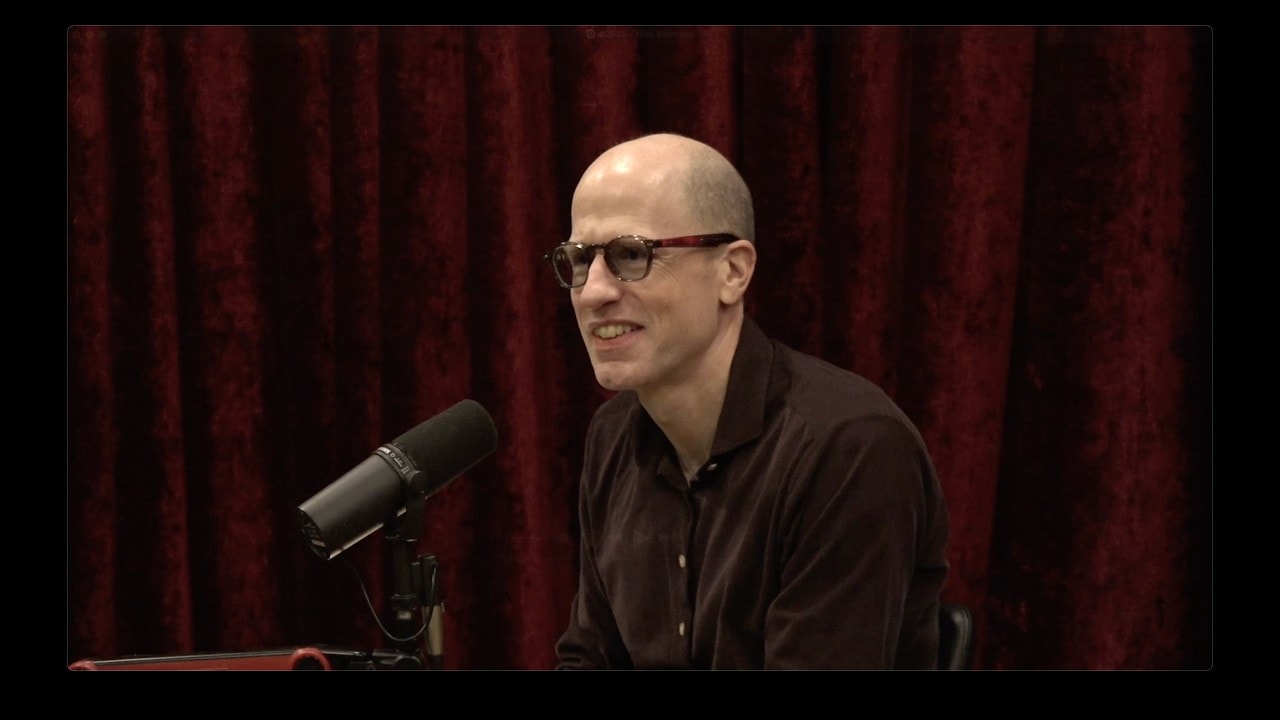
Philosopher Nick Bostrom talks with Joe Rogan about contrasting narratives on AI, whether optimists are financially motivated, curiosity and how people are wired, and how exercise, diet and mood may relate. Partial coverage: this note covers the opening portion of the roughly 2h14m episode; the claims are the speakers' own and not medical advice.
TRIGGERnometry
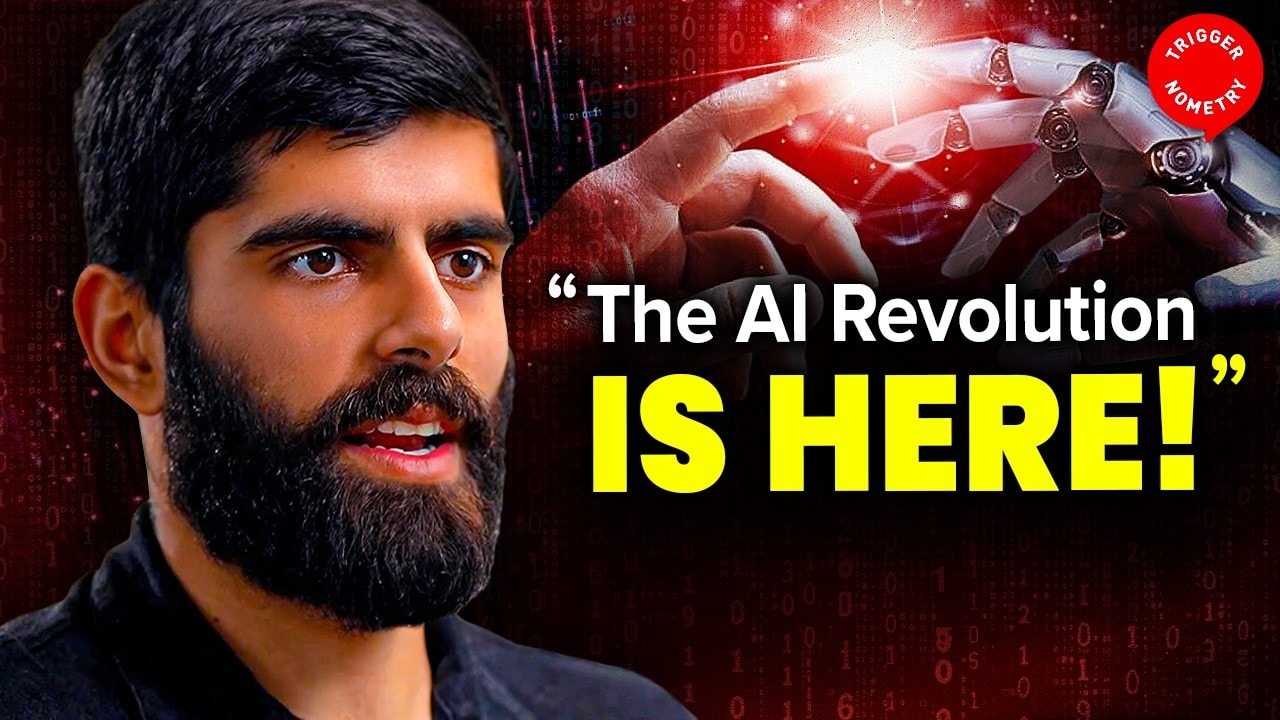
Dwarkesh Patel is a guest on TRIGGERnometry, discussing AI use, research preparation and the difference between digital work and physical tasks. This focused summary covers selected AI explanations only, not politics or later risk discussion. Productivity estimates and future expectations are Patel’s dated views, not independently verified results.
The Tim Ferriss Show
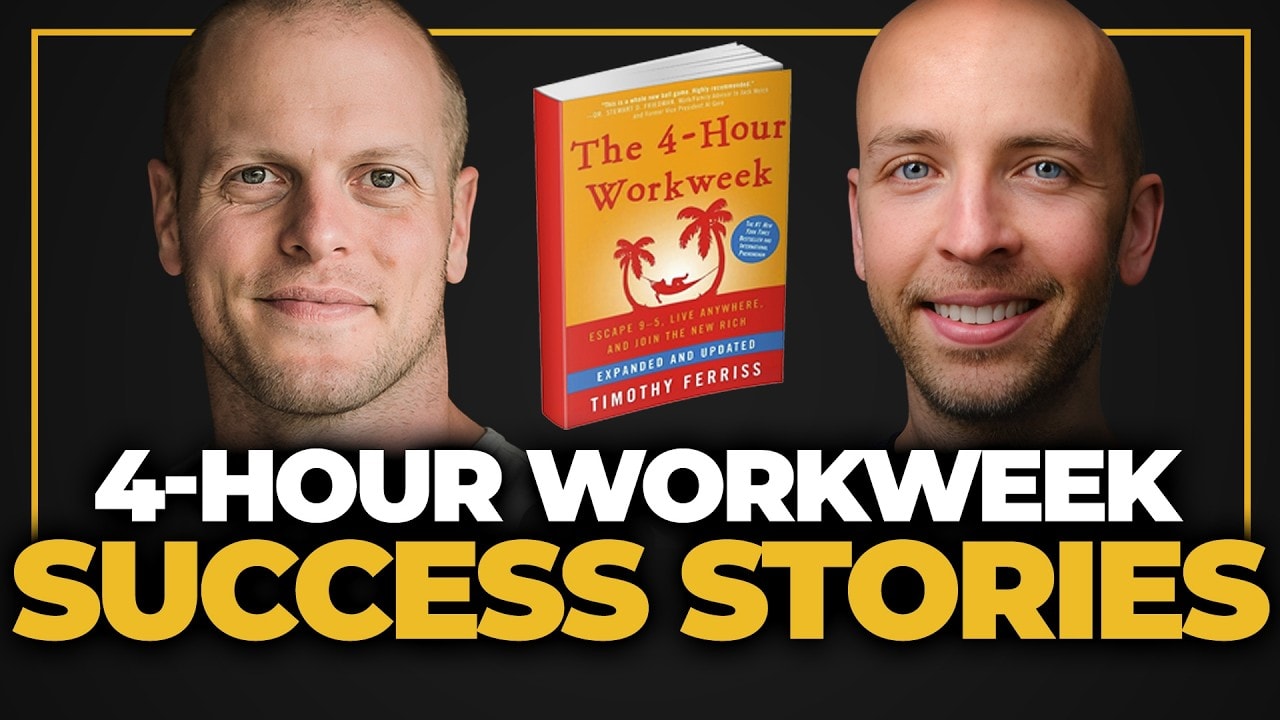
Brian Dean reflects on making useful content, recognizing what readers need and shifting from a publishing quota to quality. Selected official transcript coverage excludes current SEO prescriptions, sale and financial details, legal or tax advice, health interpretations and sponsors. Business examples are his recollections, unverified here. Untimed editorial topics are not video chapters.
Dwarkesh Podcast
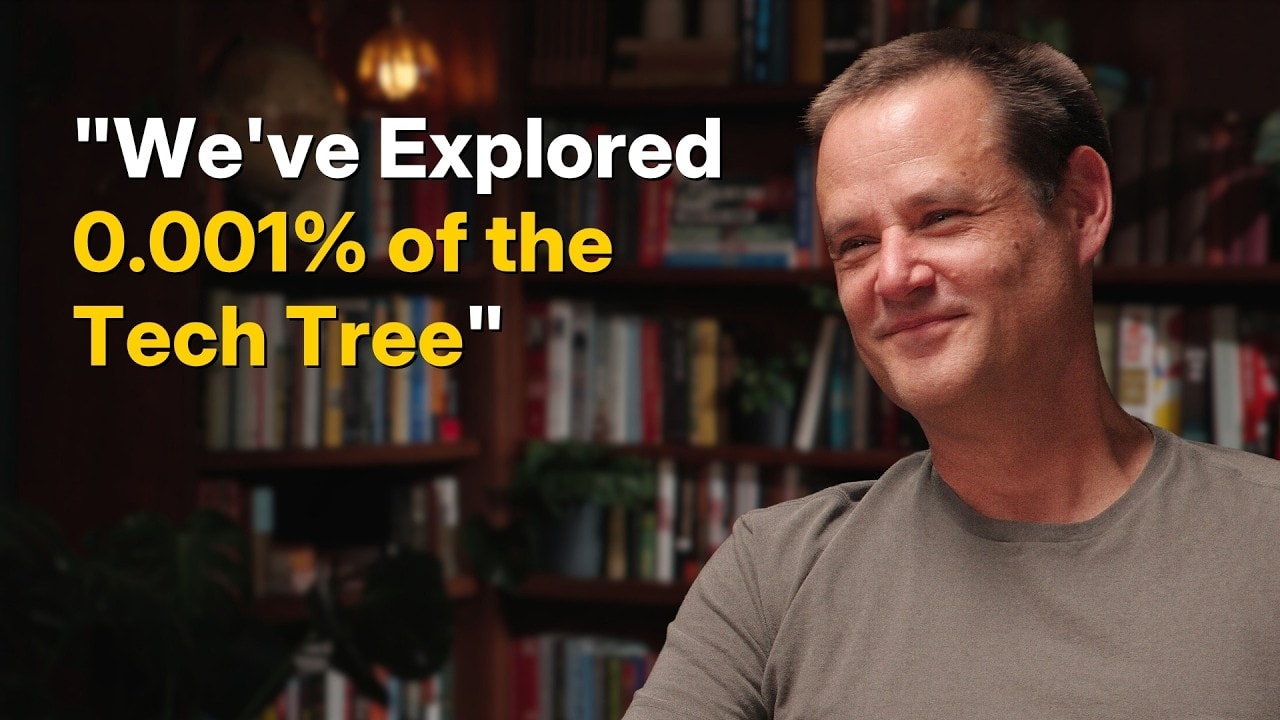
Michael Nielsen and Dwarkesh Patel discuss how scientific ideas advance when experiments are ambiguous or verification is slow. Historical examples lead to questions about anomalies, selection bias, alternative technology paths, quantum computing and how to learn deeply. Claims about other civilizations are explicitly speculative.
The Tim Ferriss Show
Michelle Khare describes production-team design, clear collaboration requests and learning enough of each craft to lead with understanding. Selected official transcript coverage excludes dangerous stunts, training and health claims, private contact details, financial figures and sponsors. Production examples are her accounts, unverified here. Untimed topics are not video chapters.
All-In Podcast
Jensen Huang discusses Nvidia’s strategy, physical-AI architecture, agents, selecting difficult projects and deep specialization. He distinguishes tasks from a job’s broader purpose and shares learning advice. These are a CEO’s March 2026 explanations and forecasts, not independently verified market forecasts, product claims or reassurance about employment outcomes.
The Prakhar Gupta Xperience
Prakhar Gupta explores the future of AI with media entrepreneur Varun Mayya, from jobs and mind-reading technology to AGI, AI agency and consciousness. They also discuss creativity, the creator economy and why people may need to rethink identity and work.
People by WTF
Nikhil Kamath and Chamath Palihapitiya discuss childhood pain, ambition, family and the shift from treating business as life-and-death to seeing it as a game. The conversation also covers investment conviction, position sizing, AI and politics. Personal and market claims are Palihapitiya's account, not independently verified findings or investment advice.
People by WTF
Nikhil Kamath asks Anthropic co-founder Dario Amodei about scaling laws, trust, AI risks and benefits, India's IT sector and opportunities for builders. Amodei argues for steering AI rather than simply stopping it, while warning that society may be unprepared. Company claims and forecasts are his own views, not independently verified findings or investment advice.
Dwarkesh Podcast
Dario Amodei and Dwarkesh Patel on scaling, generalization, sample efficiency and diffusion. Selected early sections only, excluding later finance, policy, national competition and constitution topics. Predictions are his dated February 2026 claims, not independently verified findings. Untimed editorial sections are not video chapters.
People by WTF
At Davos, Nikhil Kamath asks historian Yuval Noah Harari about shared stories, religion, power, democracy and AI. Harari argues that cynical thinking can excuse dishonesty, engagement metrics can damage public trust, and understanding suffering is a better guide than imagining a fixed role in a cosmic drama. Political judgments in these notes are his views, not settled facts.
Dwarkesh Podcast
Dwarkesh Patel and John Collison question Elon Musk about orbital data centers, power availability and AI. This focused summary covers selected infrastructure and alignment arguments, not the full manufacturing, political or later chip discussion. Costs, technical estimates and the 36-month forecast are participants’ dated claims, not independently verified conclusions or investment advice.
The Tim Ferriss Show
Bill Gurley discusses the permission to pursue a field, deep learning, proximity to active communities and relationships that emerge without a fixed agenda. He also offers a December 2025 interpretation of AI innovation and speculation. These career and investing perspectives are not guaranteed outcomes, verified deal analysis or investment advice.
The Shawn Ryan Show
Tobi Lütke recounts Shopify’s snowboard-shop origins and discusses programming craft, differentiated thinking, AI and team incentives. These are his founder perspectives in a commercially connected interview: Shawn Ryan says he uses Shopify. This summary does not endorse the platform, promise business results or verify current product capabilities.
Dwarkesh Podcast
Ilya Sutskever talks with Dwarkesh Patel about uneven model capability, reinforcement learning, human generalization, SSI, alignment and research taste. He argues that the next advances need new learning ideas as well as compute. These are his views and scenarios in November 2025, not established AGI timelines.
Lenny's Podcast: Product | Career | Growth
Stewart Butterfield on utility curves, product taste, comprehension and friction. Selected coverage omits politics/bureaucracy, shutdown/Glitch and later work-like activities and owner's-delusion discussion. Slack anecdotes are his account, unverified here. Untimed editorial topics are not video chapters.
Silicon Valley Girl: AI, Tech and Career Growth
Mustafa Suleyman and Marina Mogilko on useful technology, learning and AI group interaction. Selected topics from the November2025 interview, not the whole conversation. Excludes healthcare, AGI, consciousness and work-disruption claims. Microsoft AI product claims are promotional and unverified; untimed editorial sections are not video chapters.
Dwarkesh Podcast
Satya Nadella talks with Dwarkesh Patel and Dylan Patel about AI business models, Copilot, Microsoft models, datacenter design, chips and global trust. A tour of Fairwater 2 frames his argument that flexible infrastructure and changes to how people work matter as much as model capability. These are Nadella's views as Microsoft CEO in November 2025.
Lex Fridman Podcast
Dan Houser describes narrative, character voices, research notes and turning a story draft into a game. Selected official human-generated transcript coverage focuses on creative craft, excluding AI, politics, violent plot details, financial claims and release plans. Game-development examples are his recollections, unverified here. Untimed editorial topics are not video chapters.
ANI Podcast with Smita Prakash
Ajai Chowdhry talks with Smita Prakash about domestic technology products, chip design and manufacturing, and hands-on engineering education. The summary covers his proposals and opinions from October 2025, not verified current policies, supply-chain claims or predictions of guaranteed outcomes.
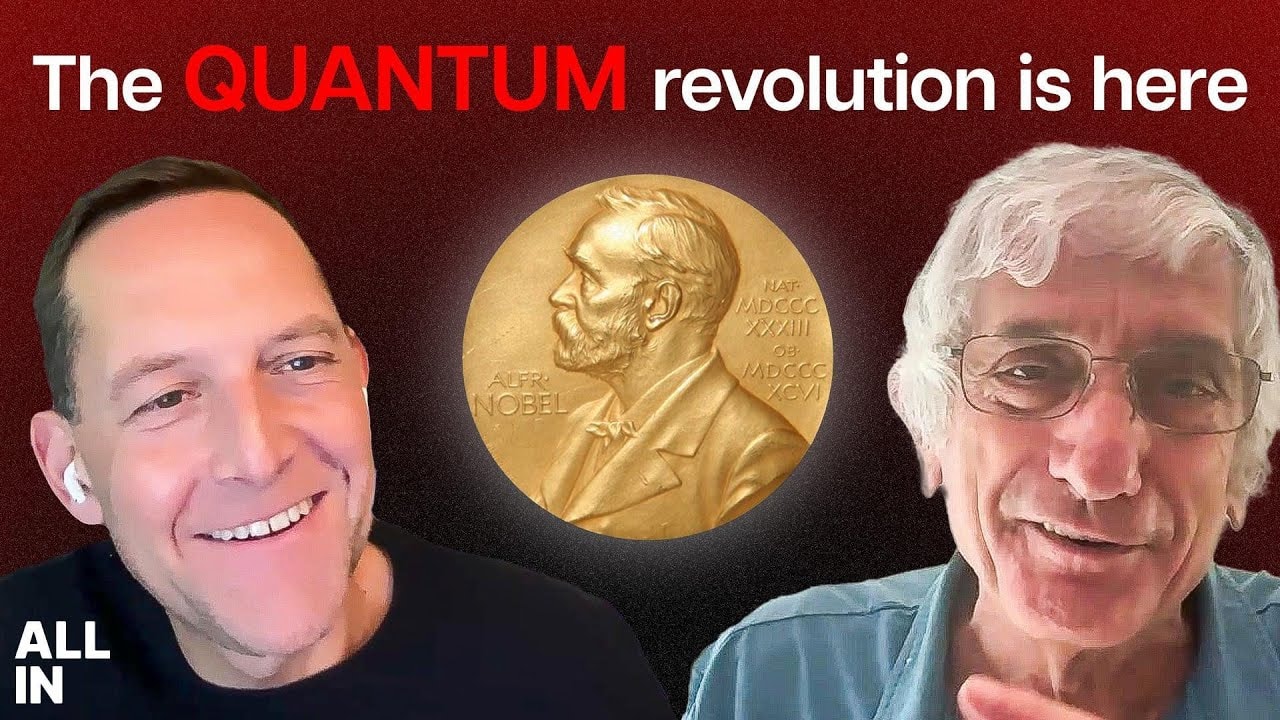
All-In Podcast
David Friedberg interviews John Martinis about quantum behavior in superconducting circuits, qubits, hardware noise, error correction and research recognition. His October 2025 estimates and development timelines are attributed views, not current hardware counts or promises of useful general-purpose quantum computing.
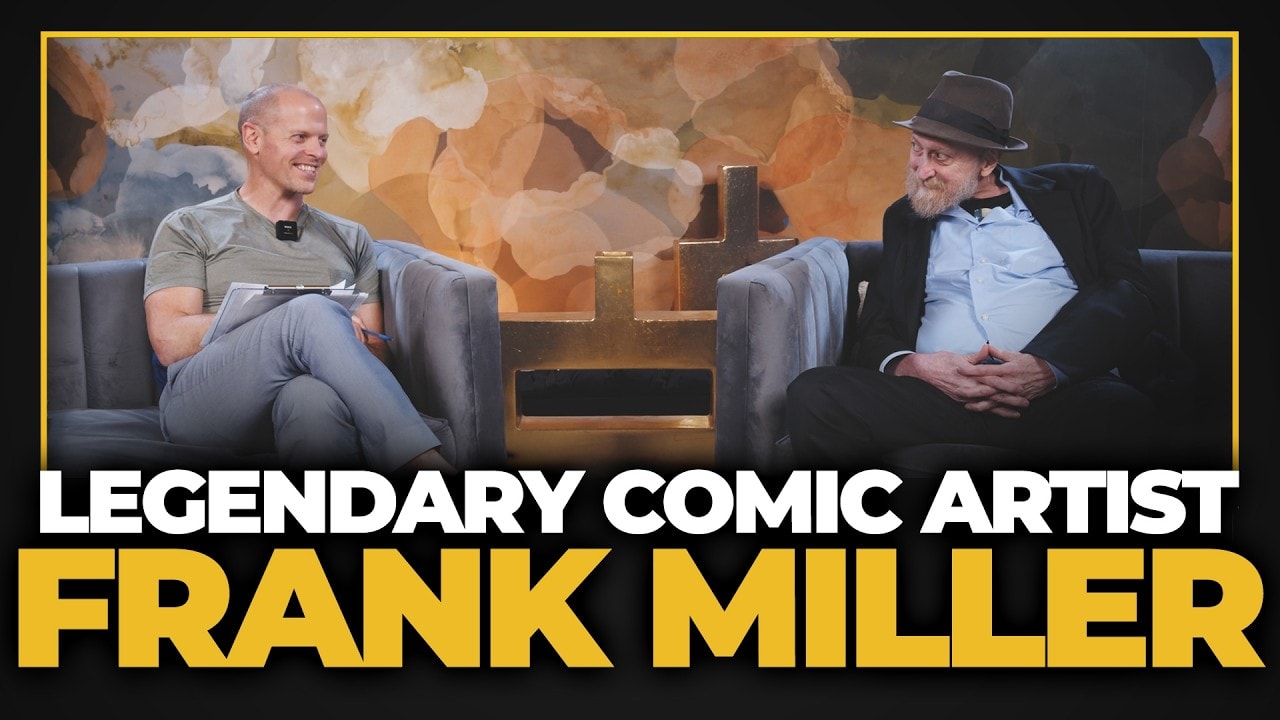
The Tim Ferriss Show
Frank Miller describes pictures and words as one craft, flexible storytelling, influences and making complex material simple. Selected official transcript coverage excludes violent plot details, health and addiction claims, financial figures, political interpretations and sponsors. Creative accounts are his views and recollections. Untimed editorial topics are not video chapters.
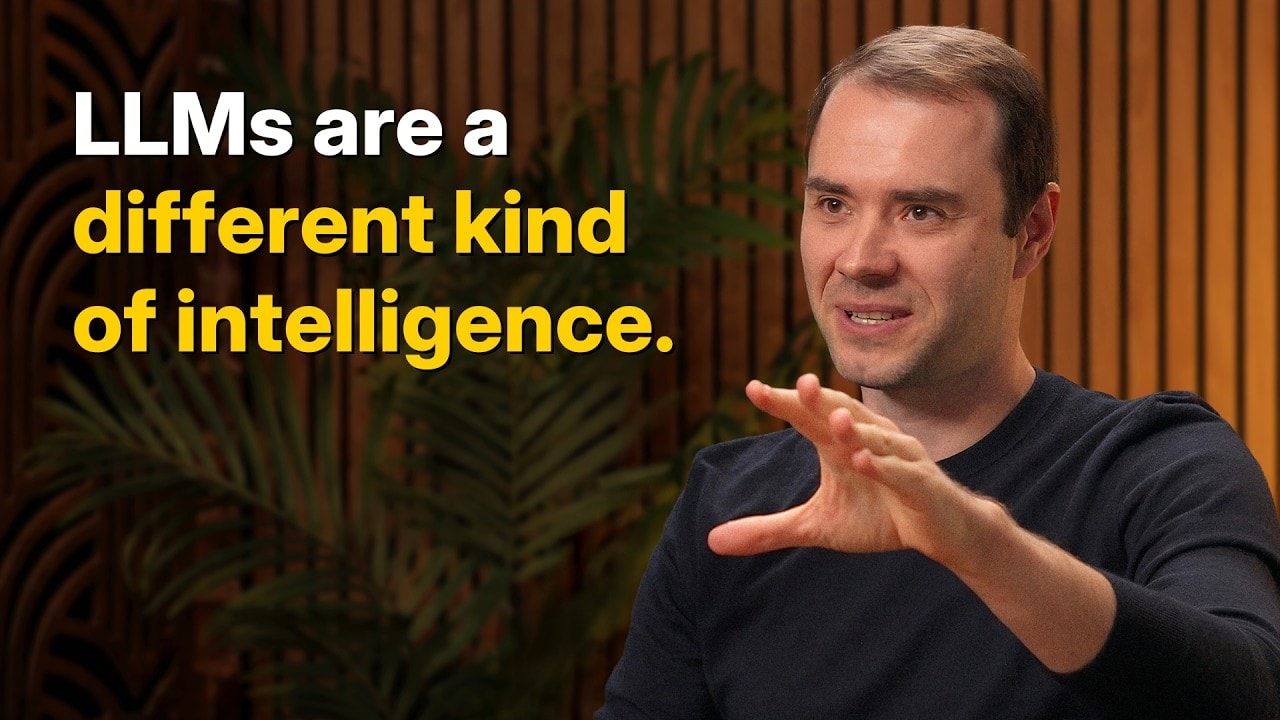
Dwarkesh Podcast
Andrej Karpathy and Dwarkesh Patel discuss the gaps between impressive model tests and dependable agents, reinforcement learning, how humans learn, coding and the future of education. Karpathy explains his decade-scale AGI outlook and argues that progress may fit into a long economic growth curve. His timelines and growth scenarios are opinions from October 2025.
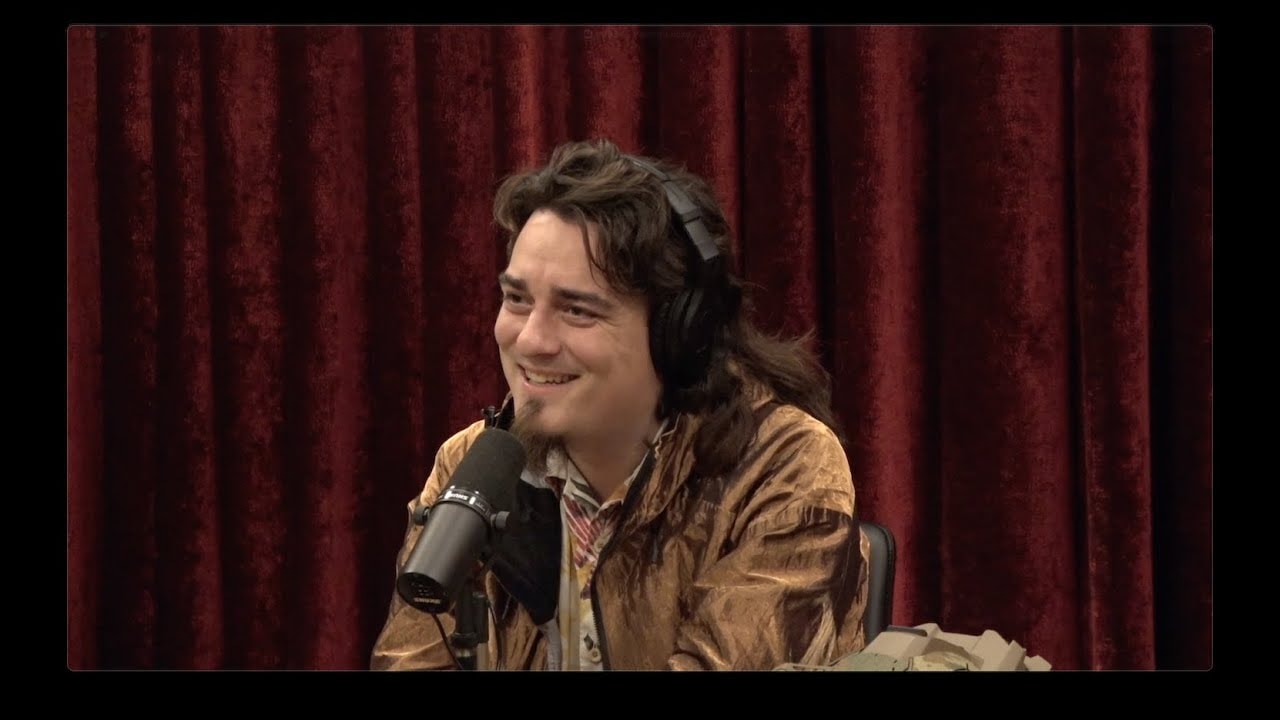
The Joe Rogan Experience
Palmer Luckey, founder of Anduril and creator of the Oculus Rift, joins Joe Rogan to talk about float tanks and thinking without distraction, defense spending, secrecy and amnesty proposals, and why he got into building defense technology. Partial coverage: this note covers the opening portion of the roughly 3h03m episode; political claims are the speakers' own.
The Weekly Show with Jon Stewart
Jon Stewart asks Geoffrey Hinton to explain neural networks, learning and the comparison with human cognition. This focused summary covers the explainer portion, not later regulation, politics or AI-risk discussion. Claims about understanding like people or superior computation are Hinton’s contested views, not established consensus.
Invest Like the Best
Dylan Patel joins Patrick O'Shaughnessy to discuss financing compute ahead of revenue, token economics, talent, overbuilding and power constraints. His September 2025 analysis and forecasts are attributed views, not verified current deal terms, technical performance or investment advice.
Dwarkesh Podcast
Richard Sutton and Dwarkesh Patel debate goals, continual learning, world models and whether LLMs are a good starting point for experiential intelligence. Selected technical discussion, excluding the closing succession debate. Contested claims remain attributed to Sutton and challenged by Patel.
Tom Bilyeu's Impact Theory
Emad Mostaque explains his MIND dashboard to Tom Bilyeu: material, intelligence, network and diversity. Selected framework-only coverage, excluding unrest, job-loss, political and end-of-capitalism claims. He promotes a book and AI products; claims are speculative and unverified. Untimed editorial sections are not video chapters.
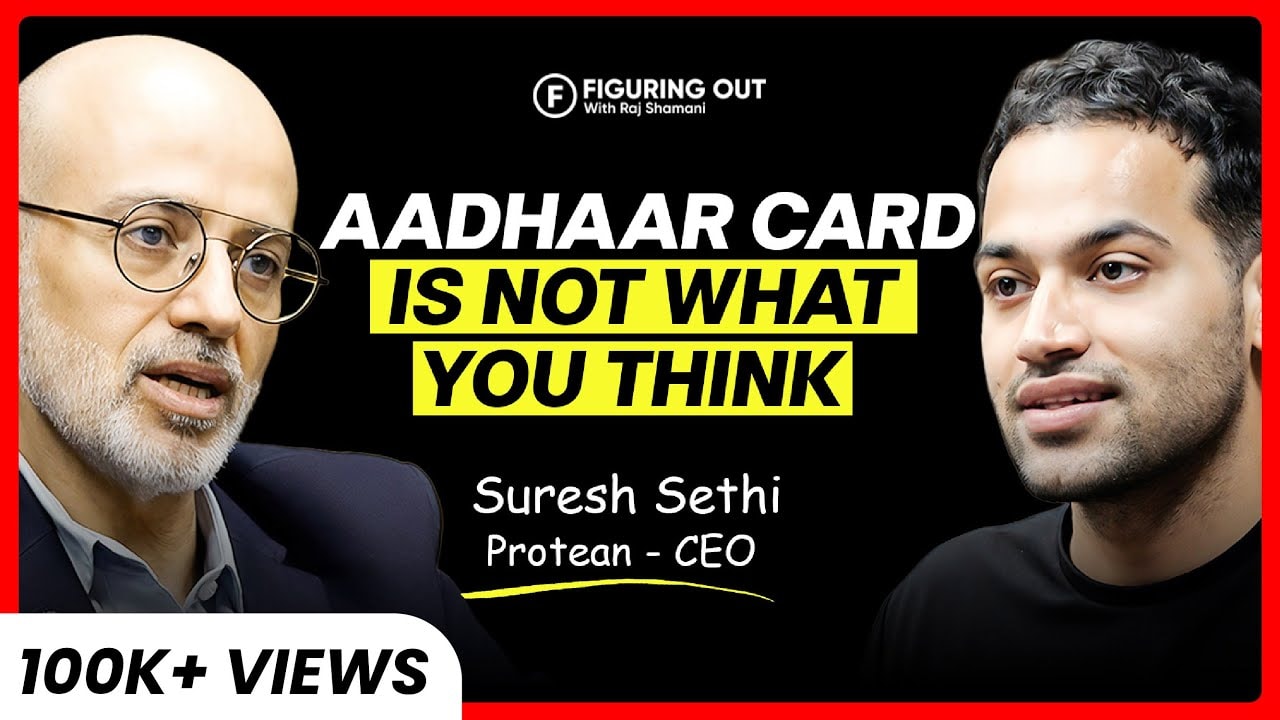
Figuring Out with Raj Shamani
Raj Shamani with Protean eGov leadership on digital public infrastructure: India Post and the IPPB one-crore-man-hour training story, the affordability-accessibility-availability tests for DPI, Protean's journey from NSDL's 1996 dematerialization (the share certificate as India's first tokenized asset) through tax modernization and pension record-keeping to the 2021 rebrand, COVID as the stress test digital rails passed, ONDC explained through unbundling (UPI and SMTP analogies, the Kochi open-mobility pilot, the Nilekani-led National Advisory Council, gateway and registry technology), Aadhaar and DigiLocker myths (pointers, not a vault), DigiYatra and verifiable credentials, DPDP Act data control, Jeevan Pramaan for pensioners, security as the top focus, and taking India Stack global with DPI-in-a-box (3-4 month pilots, Ethiopia and beyond). FULL COVERAGE: notes span the entire episode (full ~60:18 audio transcribed; mixed Hindi-English, notes in English). Sponsor: none stated in the episode. All claims about penetration figures, systems and country interest are the guest's account as of August 2025; nothing here is professional advice.
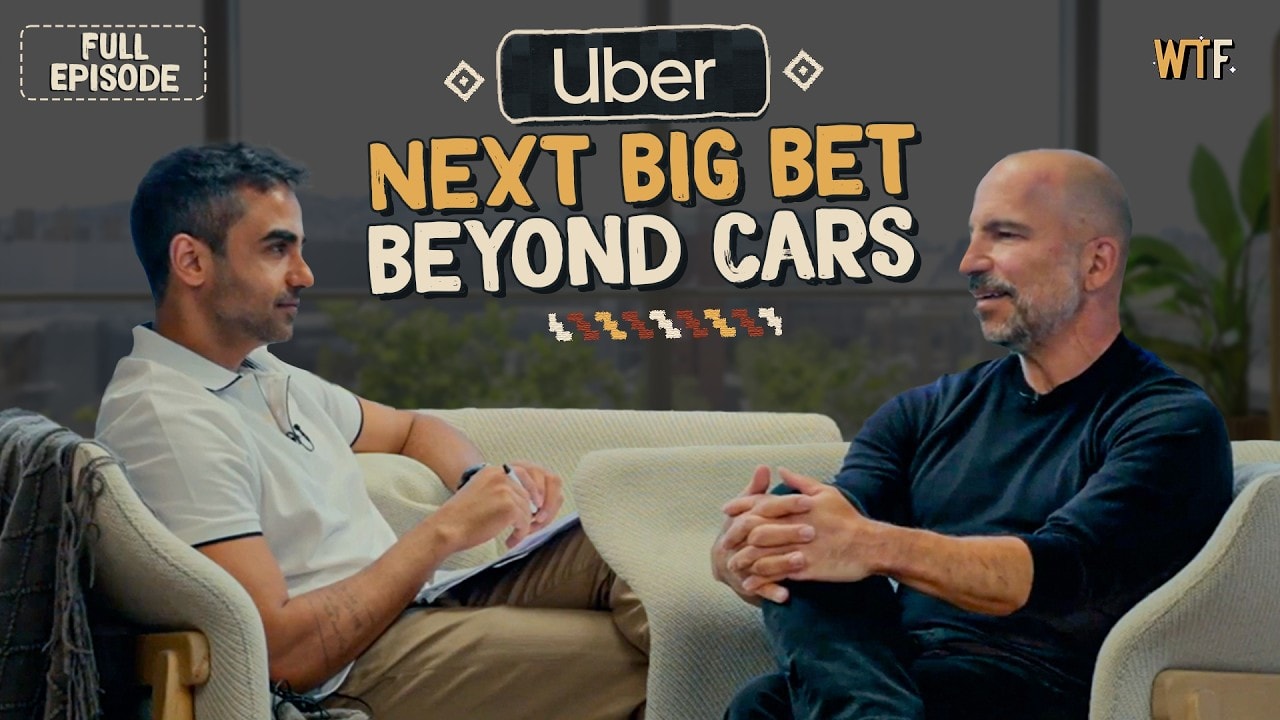
People by WTF
Dara Khosrowshahi discusses an authentic, collaborative leadership style, learning from competition and the difference between starting and scaling a business. He shares career criteria and his August 2025 outlook on AI in travel. These are his accounts and forecasts, not verified current Uber features, availability or policy.
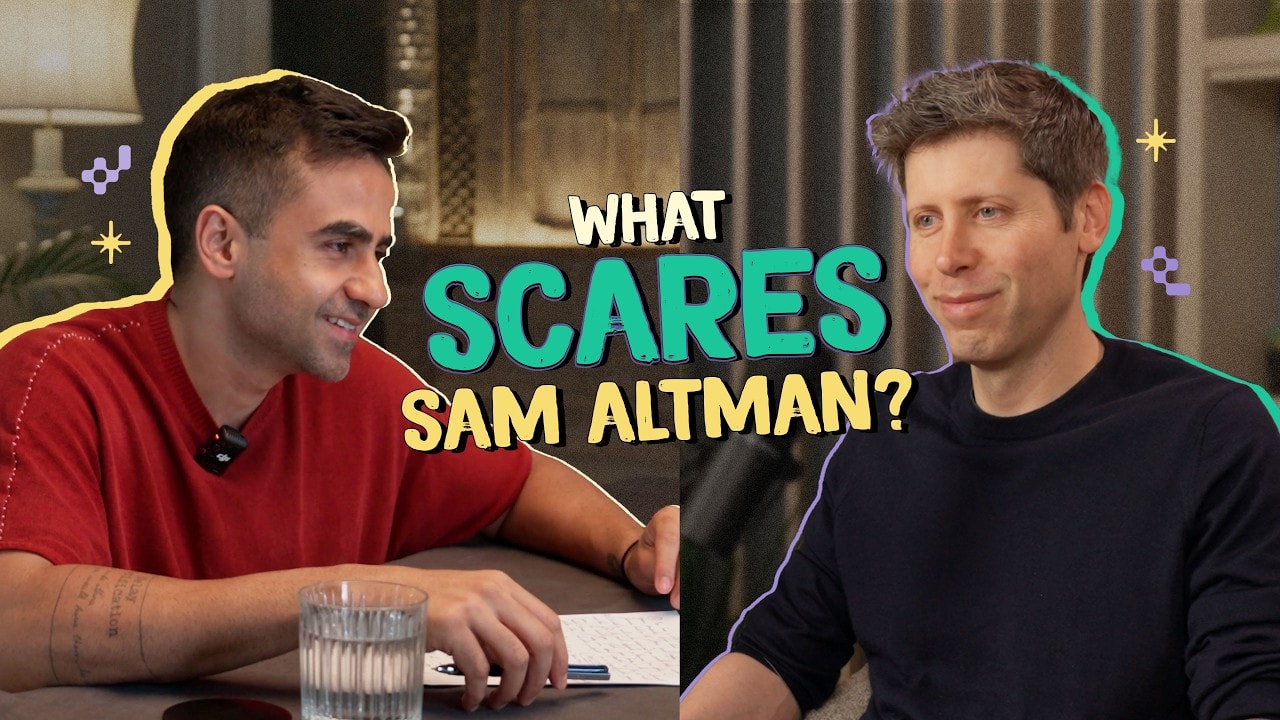
People by WTF
Nikhil Kamath asks Sam Altman about GPT-5, careers, building with AI, humility, parenthood and the future of business. Altman emphasizes AI fluency and learning to learn while acknowledging the difficulty of predicting beyond a few years. Recorded in 2025; product claims are Altman's account at the time, and economic predictions are not investment advice.
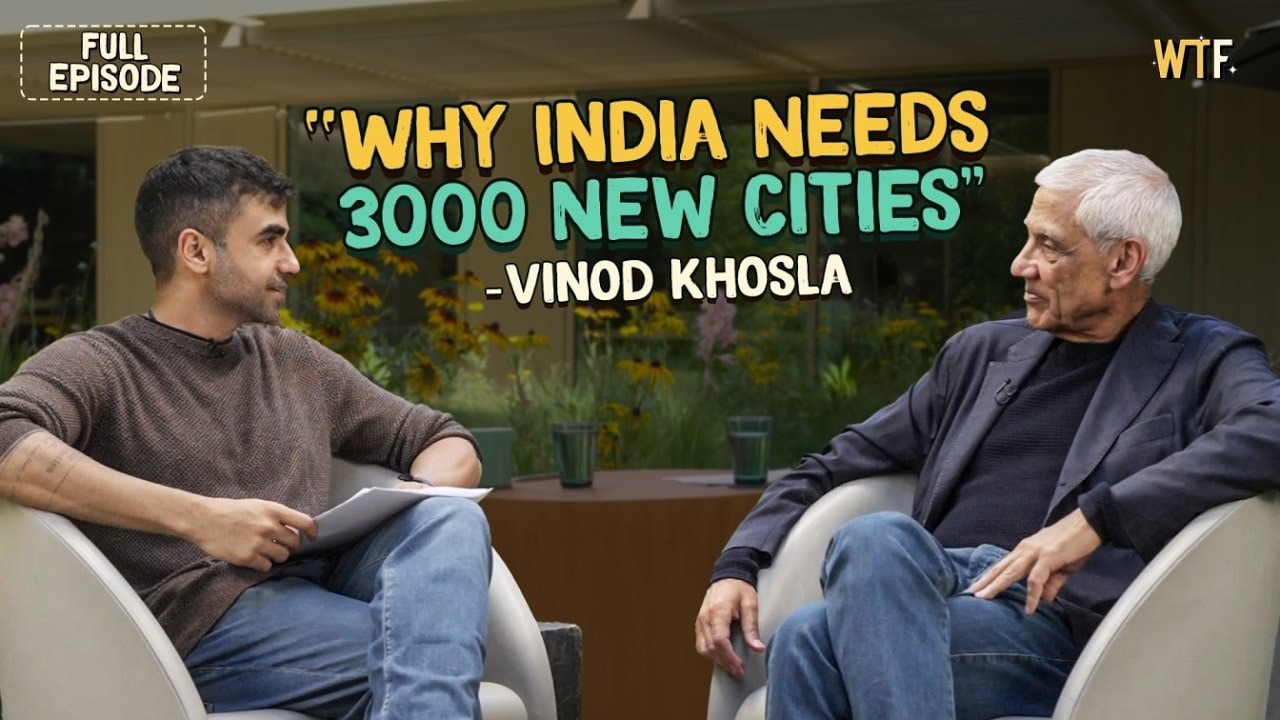
People by WTF
Nikhil Kamath asks Vinod Khosla about entrepreneurship, mission, education and adapting to AI. Khosla argues for first-principles thinking, broad learning and a five-year direction alongside near-term sales. Recorded 7 July 2025 and released 2 August 2025 in India; his predictions about jobs and technology are opinions, not settled facts or investment advice.
Think School: Indian Business Podcast
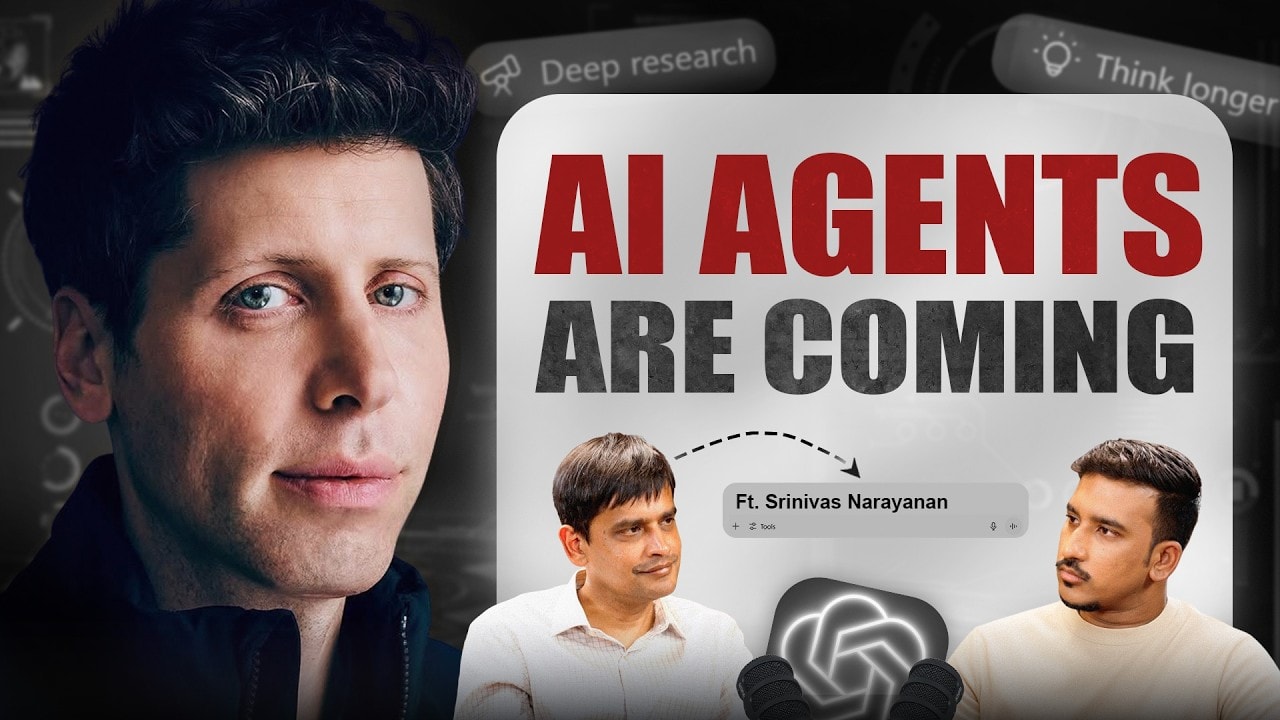
Srinivas Narayanan, who leads engineering for OpenAI's products (ChatGPT and the APIs), sits with Think School's Ganesh Prasad to talk about how Sam Altman thinks, why software engineering will look nothing like today in five years, and which jobs survive. FULL COVERAGE: notes span the entire episode (transcript 0:05 to 1:01:06 of 1:01:09; the raw transcript repeats once, collection artifact). Sponsor: Odo, whose project management app is read as an ad at the start. Narayanan speaks as an OpenAI executive - his claims about the company's products, hiring, and safety work are the company's own account, not independent verification. Nothing here is career or financial advice.
Big Technology Podcast
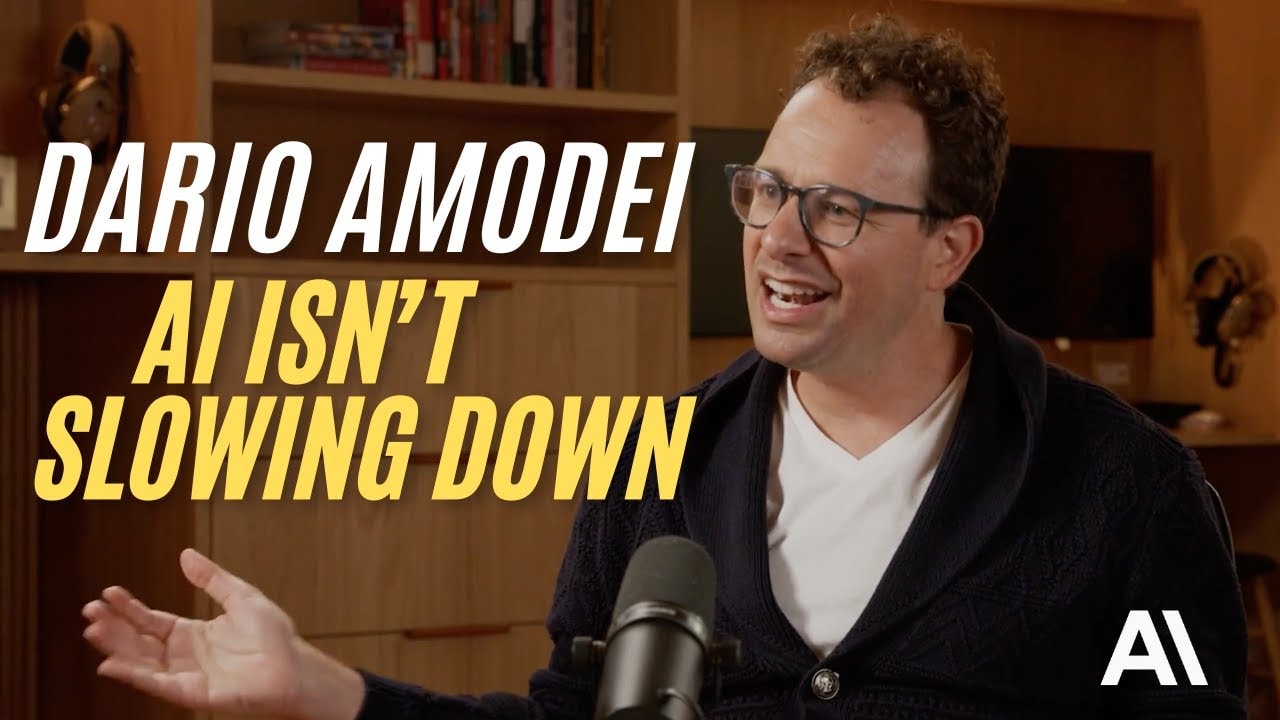
Dario Amodei explains his outlook on AI progress, learning, resources, talent and safety. He describes compensation consistency and mission as parts of company culture and argues for evidence-led debate. These are Anthropic’s CEO’s July 2025 views and claims, not independently verified performance, competitor facts, recruitment policy or guaranteed timelines.
Lex Fridman Podcast
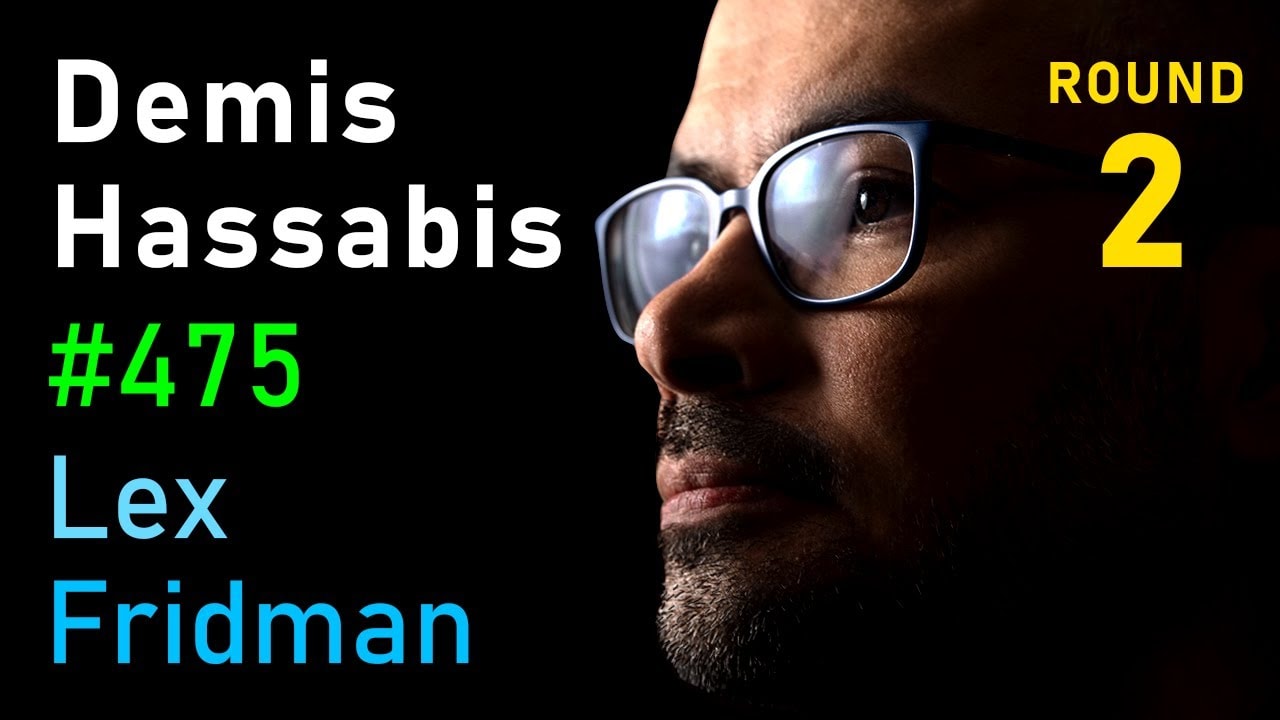
Demis Hassabis and Lex Fridman discuss AI as a tool for science, learnable patterns, video games, research taste and computing constraints. Hassabis explains his July 2025 outlook on models and work. This is a CEO’s perspective, not independently verified current product performance, AGI timelines or employment assurance.
The Joe Rogan Experience
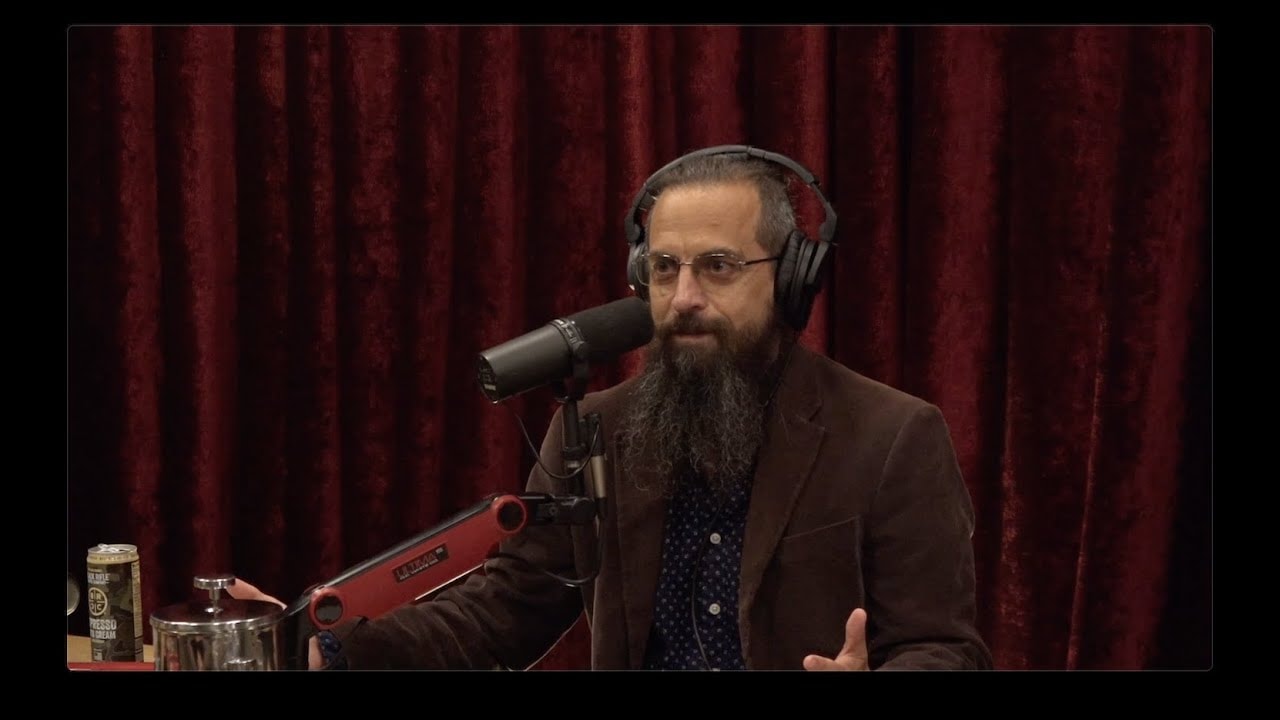
AI safety researcher Roman Yampolskiy talks with Joe Rogan about whether advanced AI would hide its abilities, how people may slowly hand over control, reliance on tools like GPS and chatbots, and why he says safety does not scale like capability. Partial coverage: this note covers the opening portion of the roughly 2h14m episode; the claims are the speakers' own.
People by WTF
Nikhil Kamath sits down in Silicon Valley with Nikesh Arora - chairman and CEO of Palo Alto Networks, formerly of Google and SoftBank - for a wide-ranging conversation that runs from an Air Force childhood in Ghaziabad (a lawyer father who taught integrity, a mother with a master's in math and Sanskrit) to the top of the cybersecurity industry. Arora explains why the attack surface keeps expanding (five billion people online, connected cars and humanoids next), why over $10 billion a year is extorted or ransomed in what he calls the lowest-conviction crime, and why most real hacks are still human error rather than quantum wizardry. The conversation turns to AI: agents as inference engines plus do-engines, why 75% of product development is really teaching users to talk to back-end databases (and why that layer dies), systems of record as the durable moat, the internet democratising information while AI democratises intelligence, and why the art is in wrapping models rather than building them. He also tells the personal story - the CAT exam he walked out of for a movie, 400+ rejection letters he still keeps, seven rejections from Fidelity before the eighth person hired him, lessons from Larry Page (product obsession) and Masa Son (all-in risk appetite) - and closes with his decade bet: long technology, short services. All figures and views are the speakers' own, not verified by us. FULL COVERAGE: the captions appear to cover the entire episode. Sponsor: none stated. Nothing here is investment, legal or financial advice.
OpenAI Podcast
Andrew Mayne interviews Sam Altman about AI use, evolving definitions of AGI, scientific discovery, privacy and career skills. This focused summary covers selected themes from OpenAI’s own podcast. Altman’s product comments and expectations are dated June 2025 statements, not verified current policies, capability comparisons or timelines.
Lex Fridman Podcast
Terence Tao talks with Lex Fridman about problem solving, models and reality, mathematical intuition and AI-assisted proofs. He describes Lean as a demanding proof-checking colleague and encourages students to try an approach rather than freeze when stuck. His AI expectations reflect the discussion in June 2025.
Lenny's Podcast: Product | Career | Growth
Bob Baxley on design culture, small-team exploration and decision-making tenets. Selected third-party transcript coverage; AI and closing recommendations omitted. Employer and historical examples are his accounts, unverified here. Untimed editorial topics are not video chapters.
Lex Fridman Podcast
Sundar Pichai talks with Lex Fridman about growing up in Chennai, choosing work, leadership, AI and Google. He recounts how a telephone changed daily life, explains the tradeoff between maximum model capability and usable speed, and discusses bringing Brain and DeepMind together. His future-facing assessments are views from June 2025.
The Diary Of A CEO with Steven Bartlett
Simon Sinek on learning through making things, human skills, peaceful conflict, imperfection and ambition. Selected coverage only, excluding job displacement, regulation, UBI and politics. AI claims are his opinions, not independently verified findings.
All-In Podcast
David Friedberg interviews Sundar Pichai about Google’s AI shift, infrastructure costs, quantum computing, robotics and employee autonomy. This focused summary covers selected execution and technology themes, not every question. Pichai speaks as Alphabet’s CEO in May 2025; competitive claims and timelines are his dated views, not verified current forecasts.
Lenny's Podcast: Product | Career | Growth
Nabeel S. Qureshi on customer proximity, language, trust, feedback and reusable products. Selected third-party transcript coverage is limited to these product-work passages. Palantir examples are his accounts, unverified here. Excludes sponsor reads, defense, intelligence, public-health and AI passages, financial figures, product availability, hiring and personal-life advice. Untimed editorial topics are not video chapters.
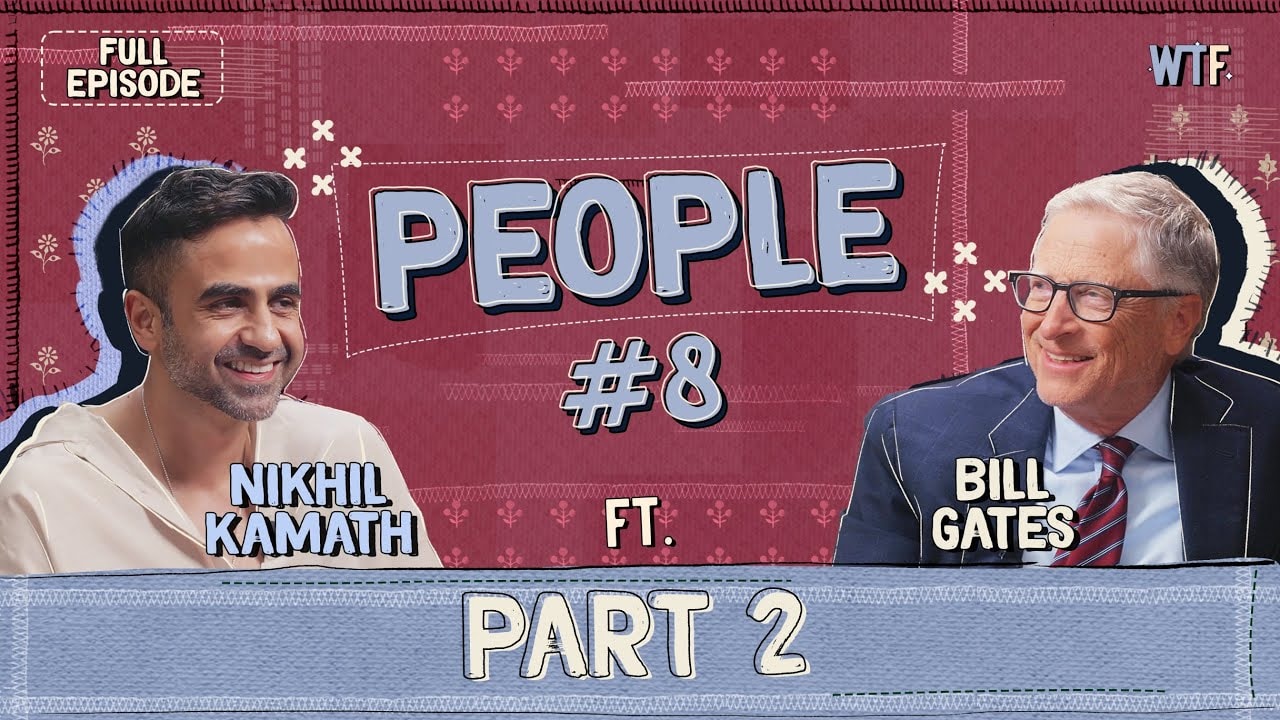
People by WTF
In this loose, late-evening Part 2 (recorded during Gates's India trip, after Nikhil spent a week reading his memoir Source Code), the conversation goes personal: Gates's 'almost ideal' childhood, why he still works at 70, what AI does to a world built on scarcity, and whether giving money away is ego too. FULL COVERAGE: notes span the entire episode (transcript 0:28 to 40:15 of 40:23; the video closes with a 'What's WTF?' title card). Sponsor: none stated. Gates's recollections of Jobs, Musk, Zuckerberg, and Paul Allen are his personal account, and his AI timeline (roughly 20 years to robots with good hands) is his own extrapolation. Nothing here is financial advice.
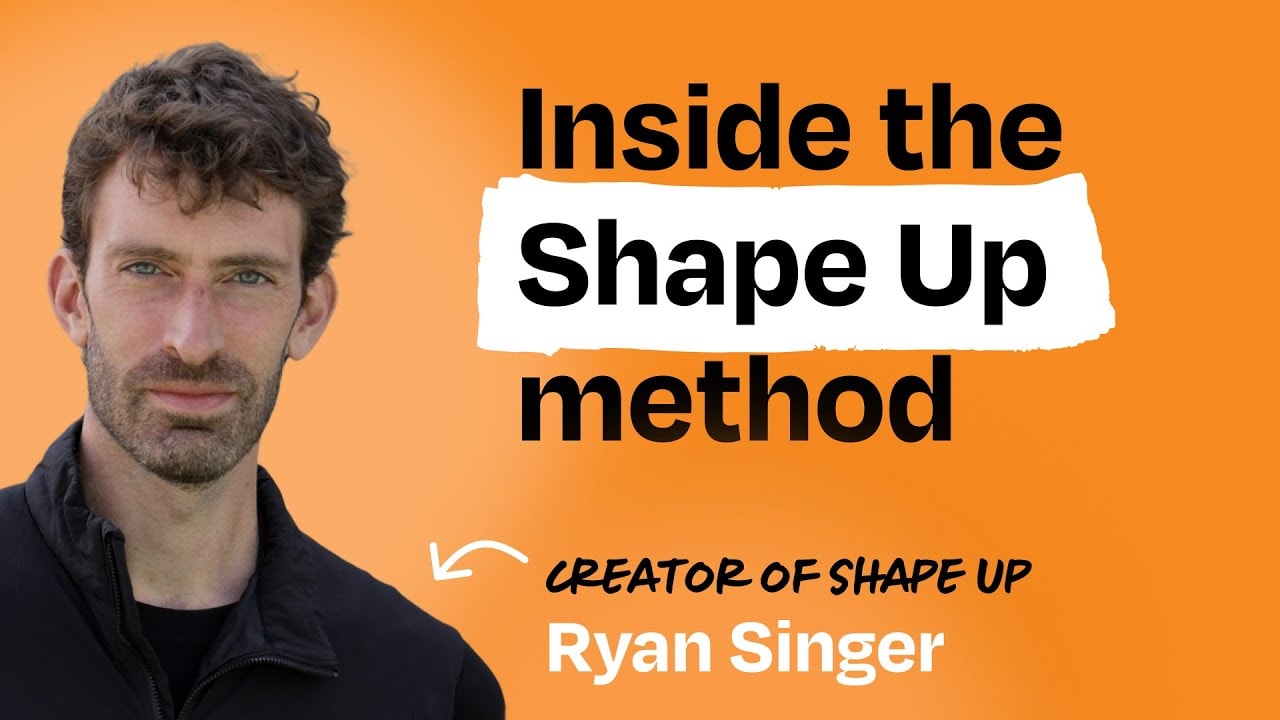
Lenny's Podcast: Product | Career | Growth
Ryan Singer on appetite, shaping, scope, autonomy, cycle length and returning unclear work to shaping. Selected third-party transcript coverage excludes sponsor reads, personal history, company-result claims, AI passages and broad comparisons with other development methods. These are his views on Shape Up, not a universal delivery guarantee. Untimed editorial topics are not video chapters.
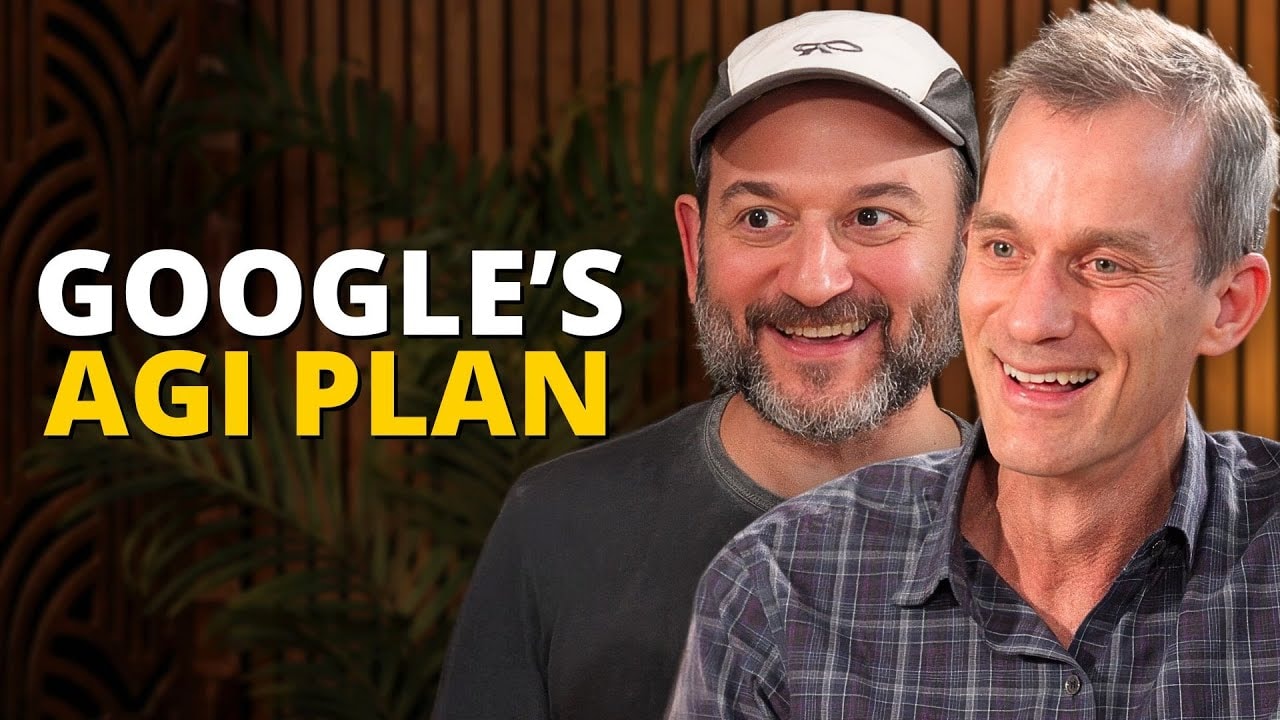
Dwarkesh Podcast
Jeff Dean and Noam Shazeer talk with Dwarkesh Patel about Google's early systems, hardware, language models and AI research. They explain how data-movement costs shape algorithms, why hardware and software need co-design, and how ideas and research culture contribute alongside scale. This is their February 2025 perspective, not a guaranteed AGI roadmap.
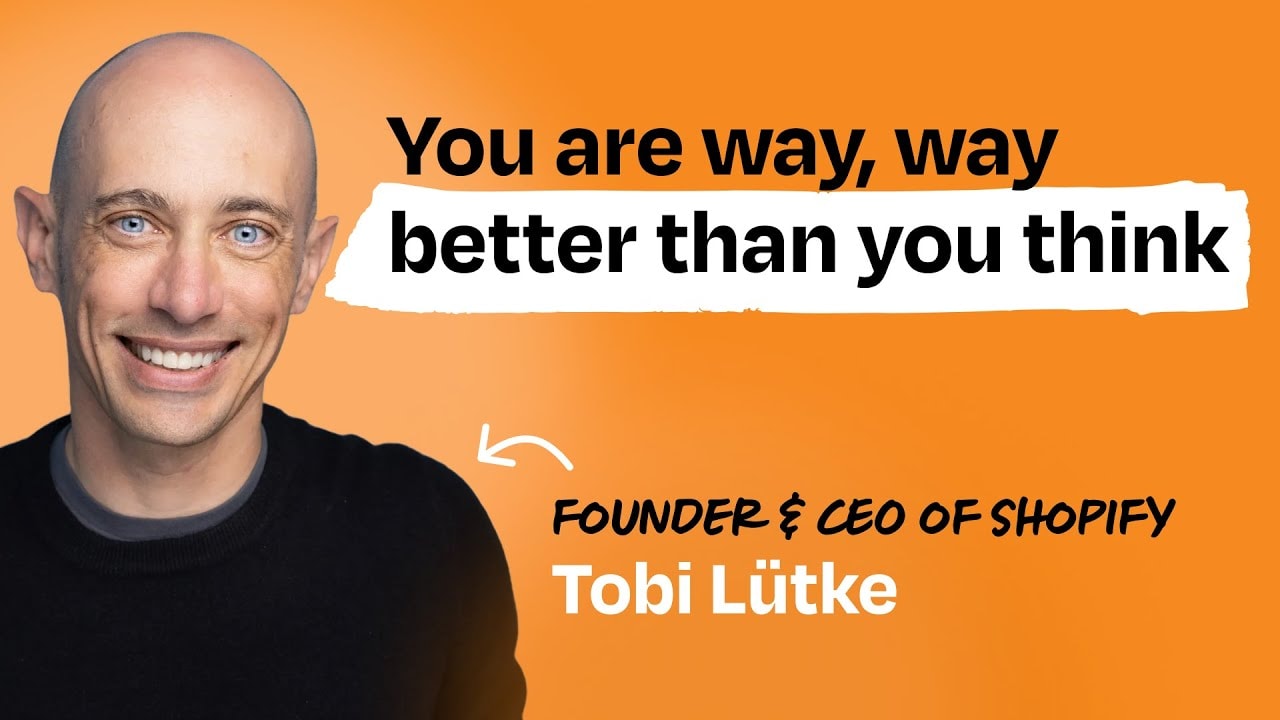
Lenny's Podcast: Product | Career | Growth
Tobi Lutke on metric limits, data-informed judgment, qualitative quality and first-principles thinking. Selected early discussion, excluding education, remote work and later strategy sections. Shopify claims and generalizations are his views, unverified here. Untimed editorial topics are not video chapters.
Lex Fridman Podcast
Marc Andreessen and Lex Fridman discuss his January 2025 views on America, institutional power, self-censorship, immigration and AI. Political descriptions and technological forecasts are attributed to Andreessen, not presented as verified current policy or a current map of AI companies.
The Joe Rogan Experience
Mark Zuckerberg, CEO of Meta, joins Joe Rogan to discuss how Facebook's content policies evolved, the pressure he says Meta faced over moderation, government relations, and the trade-offs around anonymous accounts. Partial coverage: this note covers the opening portion of the roughly 2h50m episode; the claims are the speakers' own and not independently verified.
Dwarkesh Podcast
Tyler Cowen and Dwarkesh Patel discuss AI-driven growth, human bottlenecks, progress studies, evaluating ideas and the slow diffusion of innovation. Cowen expects important long-run change but questions rapid-takeoff stories, and explains why practical execution and the risks of war still matter. These are his economic views from January 2025, not investment advice.
Lenny's Podcast: Product | Career | Growth
Jackson Shuttleworth on experiment learning, complexity and cross-functional iteration planning. Selected third-party transcript coverage excludes psychology and loss-aversion claims, notification tactics, streak protection and monetization, learning-effectiveness claims and closing advice. Duolingo figures and outcomes are his accounts, unverified here. Untimed editorial topics are not video chapters.
Think School: Indian Business Podcast
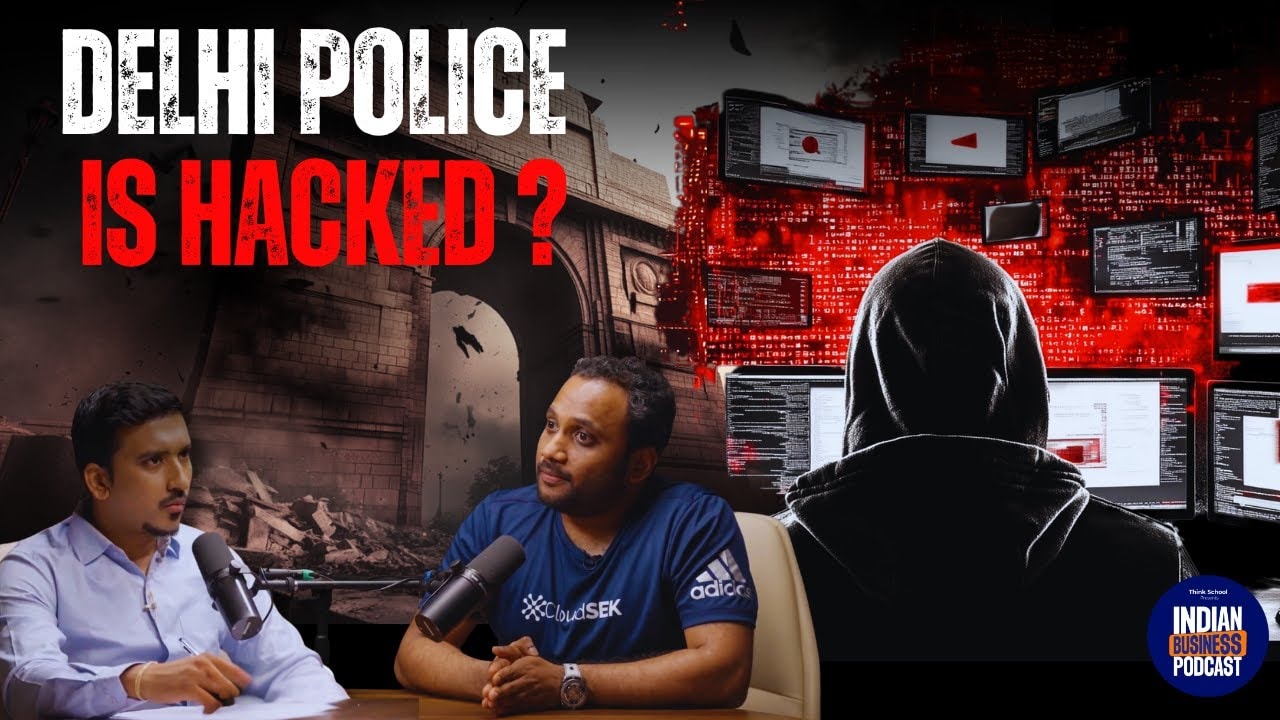
Rahul Sasi (founder, CloudSEK) with Think School's Ganeshprasad: how accounts, phones and businesses actually get hacked - cookie theft, fake apps, lookalike domains, WhatsApp call-forwarding scams, supply-chain attacks on airports, ATMs and hospitals - and the layered defense stack for individuals and companies. FULL COVERAGE: notes span the entire episode (0:47 to 1:14:09 of 1:14:55). Sponsor: none stated. The guest's company products (CloudSEK, XVigil, its free deepfake-check and gap-assessment tools) are discussed as his own offerings, not independent endorsements. Technical claims are the guest's account, attributed to him, as of December 2024; nothing here is professional security advice - consult a qualified professional for your own systems.
The Joe Rogan Experience
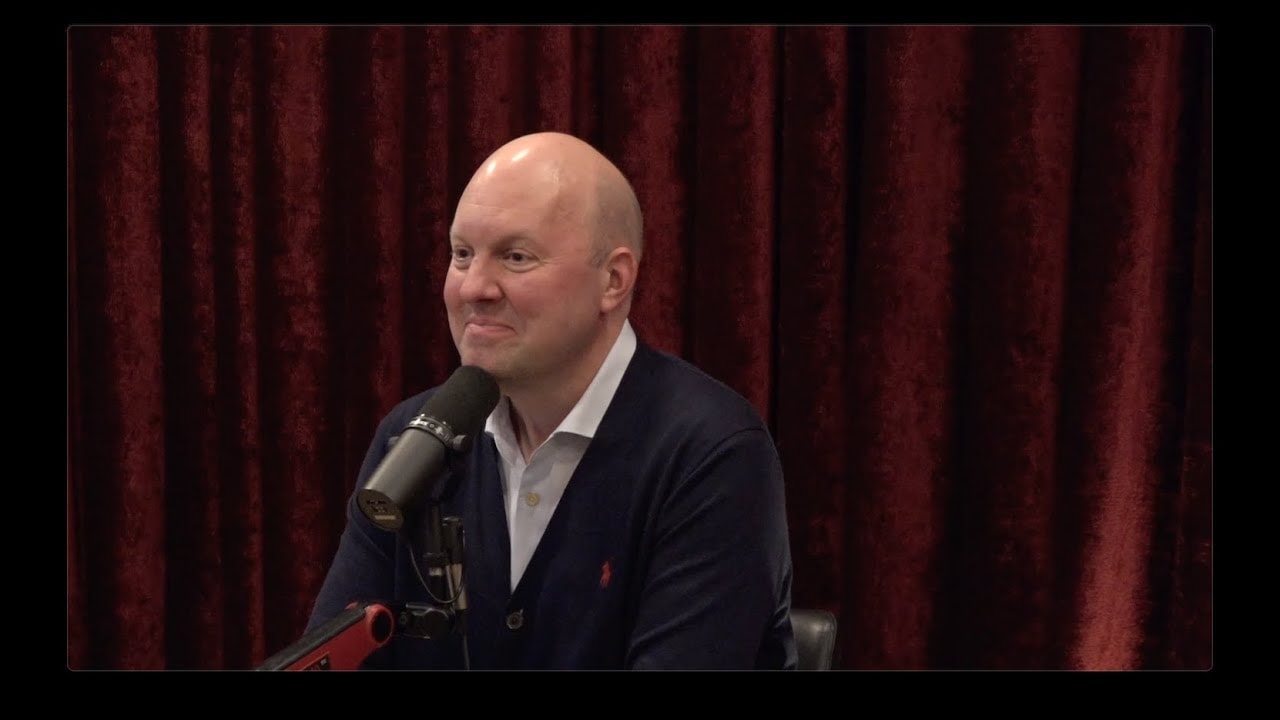
Venture investor and Netscape co-creator Marc Andreessen sits down with Joe Rogan after the 2024 U.S. election to discuss social media, a possible internet-native campaign model, tolerance for new ideas and the state of public trust. Partial coverage: this note covers the opening portion of the roughly 3h08m episode; political commentary is the speakers' own and not verified here.

Lenny's Podcast: Product | Career | Growth
Raaz Herzberg describes recognizing confused customer conversations, asking for simple explanations and learning a new function through existing product knowledge. Selected third-party transcript coverage excludes financial and growth rankings, acquisitions, security-effectiveness claims, hiring judgments and sponsors. Wiz examples are her retrospective accounts, unverified here. Untimed editorial topics are not video chapters.
The Joe Rogan Experience
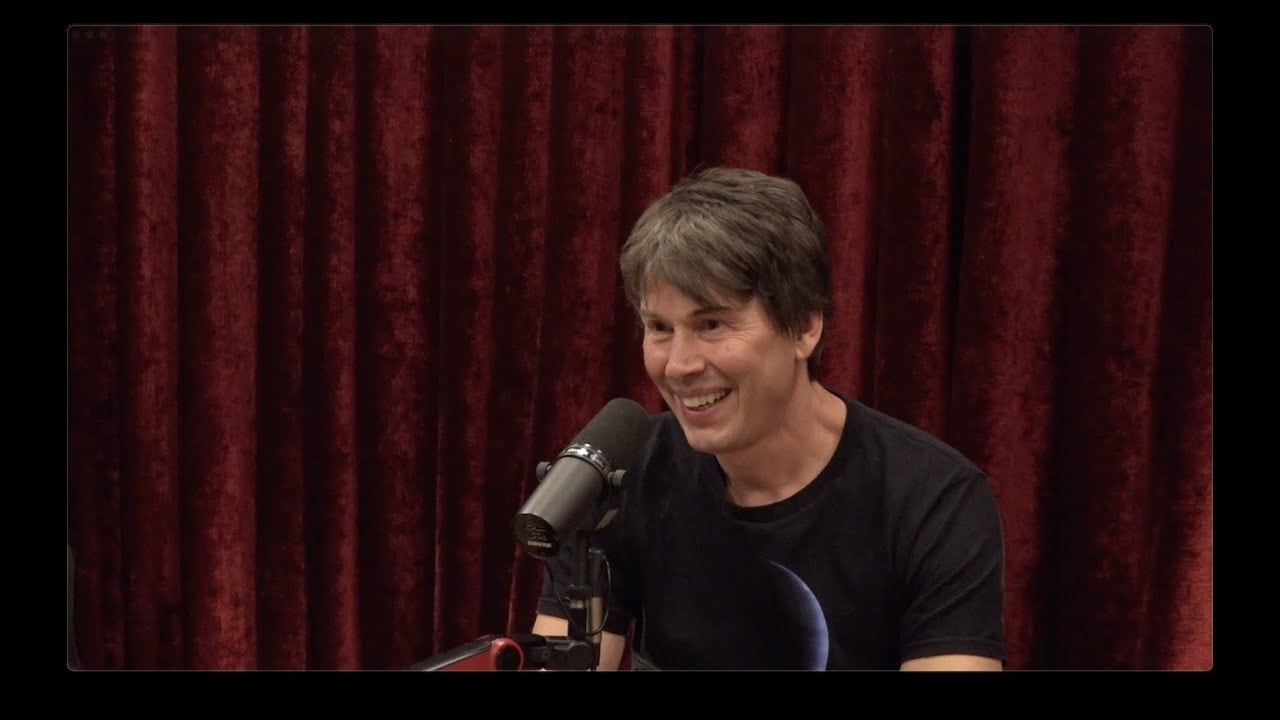
Brian Cox returns to discuss black-hole information, the search for other civilizations, meaning and possible futures of intelligence. Selected opening-caption coverage only; later parts of this nearly three-hour conversation are not summarized.
People by WTF
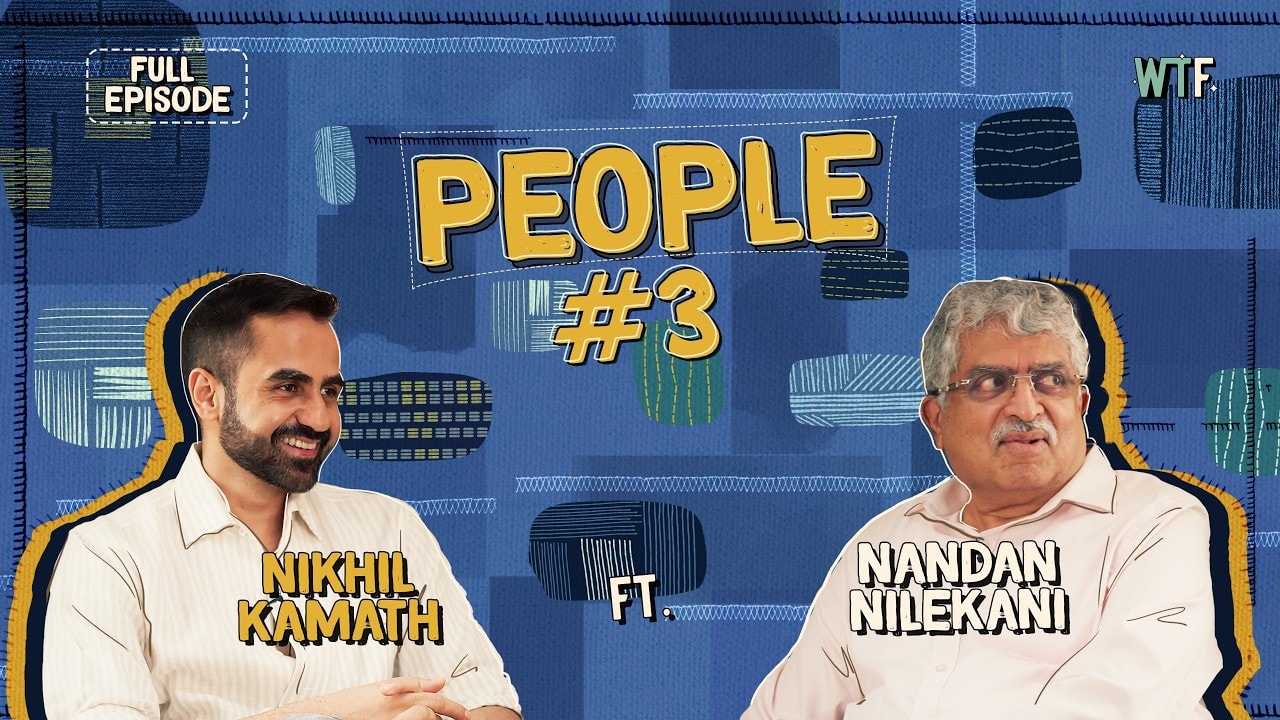
Nikhil Kamath with Nandan Nilekani (Infosys co-founder, founding chairman of UIDAI/Aadhaar) on the full India Stack story: Infosys values and scale lessons, why Aadhaar was made digital and online-verifiable, how eKYC won over every regulator one by one, the 2016 inflection year (1 billion Aadhaar, UPI, Jio, demonetization, BHIM), protocols explained from TCP/IP to UPI, account aggregation and consent-based data sharing, FASTag, ONDC/Beckn and Namma Yatri's driver-first model, why India shouldn't build LLMs but should build Indian-language voice AI on top, the Finternet and tokenized assets, CBDC and capital-account liberalization, and his advice to a 20-year-old with Rs 1 crore. FULL COVERAGE: notes span the entire episode (full ~1:06 audio transcribed). Sponsor: none stated in the episode. All statistics (transaction volumes, remittances, timelines) are the guest's statements as of September 2024; nothing here is investment, legal or policy advice.
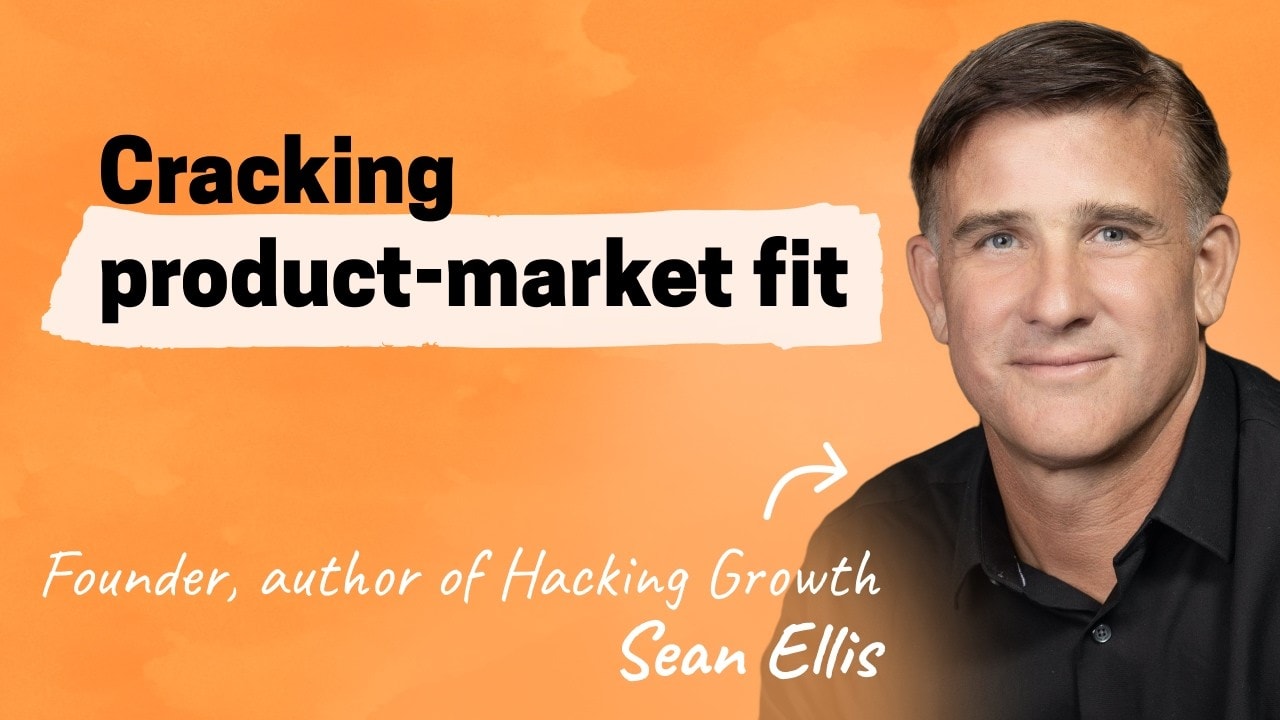
Lenny's Podcast: Product | Career | Growth
Sean Ellis describes learning from users who value a product, understanding their core benefit and connecting messaging with onboarding. Selected third-party transcript coverage excludes numerical fit thresholds, growth and financial figures, ad-platform tactics, security claims and sponsors. Company examples are his historical accounts, unverified here. Untimed editorial topics are not video chapters.
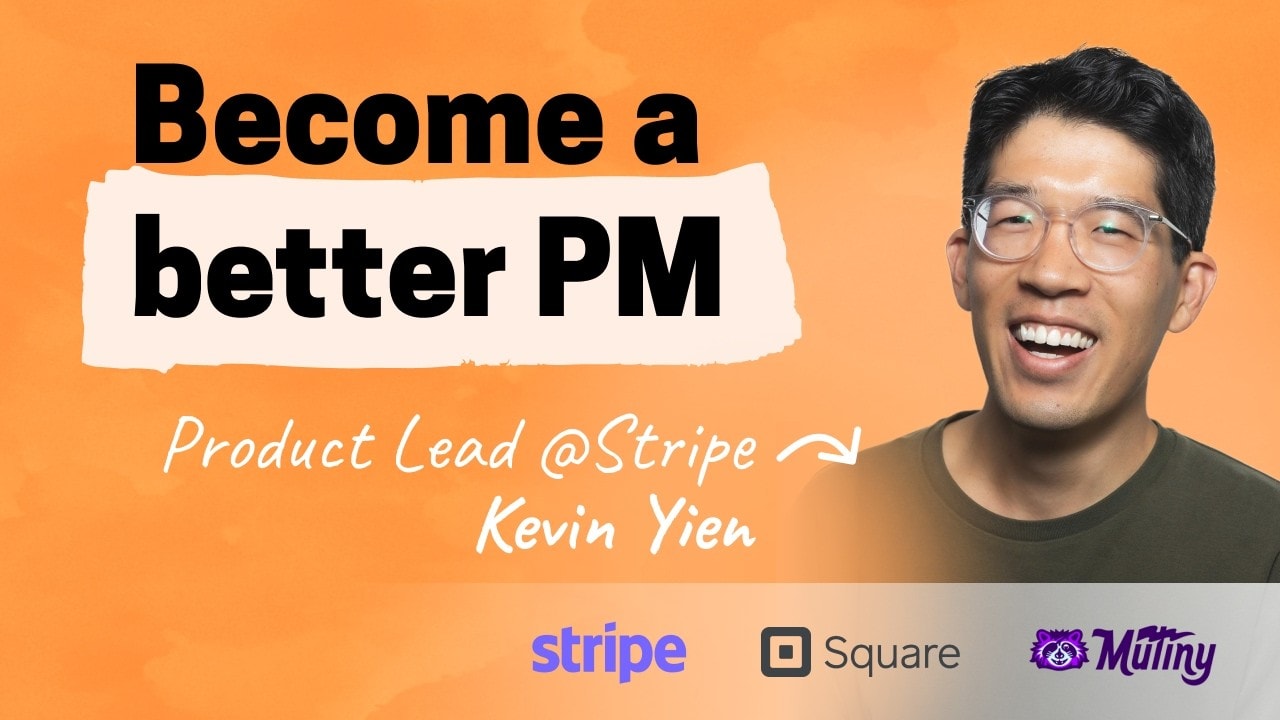
Lenny's Podcast: Product | Career | Growth
Kevin Yien on concrete proposals, problem boundaries, delivered value, internal busyness and decision-log practice. Selected third-party transcript coverage excludes sponsor reads, AI passages, candidate and hiring advice, numerical company claims, automated research instructions and company anecdotes. Untimed editorial topics are not video chapters.
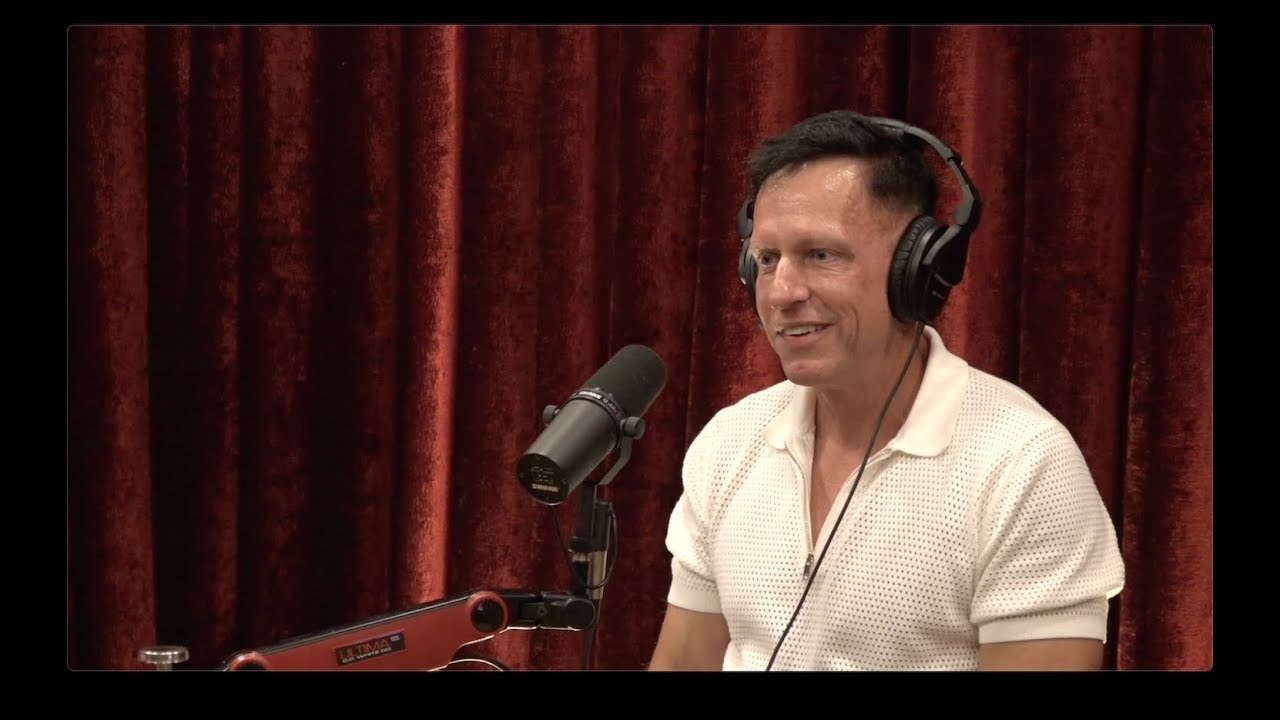
The Joe Rogan Experience
Investor Peter Thiel joins Joe Rogan to talk about U.S. budget deficits, why he thinks society struggles to fix known problems, the 2010s debate on superintelligence and surveillance, and why he thinks passing the Turing Test matters more than the AGI label. Partial coverage: this note covers the opening portion of the roughly 3h30m episode; the claims are the speakers' own.
Lenny's Podcast: Product | Career | Growth
Jeff Weinstein on customer needs, listening and useful quantitative and qualitative metrics. Selected third-party transcript coverage excludes financial, tax and incorporation details, hiring, AI, personal recommendations and most later sections of this long interview. Stripe examples are his accounts, unverified here. Untimed editorial topics are not video chapters.
Lex Fridman Podcast
Perplexity CEO Aravind Srinivas joins Lex Fridman to discuss answer engines, citations, retrieval-augmented generation and the history of search. They examine product details, startup strategy and the possible future of AI. This summary preserves the perspective of the interview in June 2024 rather than presenting its product descriptions or predictions as current guarantees.
Lenny's Podcast: Product | Career | Growth
Tanguy Crusson describes testing assumptions, learning from customers and keeping a new product focused inside a large company. Selected third-party transcript coverage excludes acquisitions, financial figures, hiring, health language, forecasts and sponsors. Company examples are his retrospective accounts, unverified here. Untimed editorial topics are not video chapters.

