Find key takeaways from long-form podcast conversations.
Found 13 results across 12 episodes, 1 people
My First Million
A My First Million conversation (episode 865) in which Shaan Puri and Sam Parr talk about using the last 99 days of the year, Parkinson's law, building systems around your weaknesses, running events, and a bathtub analogy for warming up creative output. Sponsor: the description links a HubSpot resource; no HubSpot read appears in the parts covered. PARTIAL COVERAGE: this note covers the 99-days opening, the Parkinson's law and quarters discussion, the systems and events discussion, the bathtub analogy, and the closing, and does not cover every part of the roughly 60 minute episode, including the sections on jelly beans, thinking hats and notebooks. Personal stories and claims are the speakers' own and not independently checked. This is a business and habits conversation, not medical, legal or financial advice.
Figuring Out with Raj Shamani
Andrew Huberman joins Raj Shamani to discuss stress regulation, morning routines, attention and the need for recovery. He connects mental strength with being able to shift between focused effort and rest without turning routines into another source of anxiety. Health claims and techniques are his educational views, not personal medical advice.

Shopify Masters
A Shopify Masters conversation, hosted by Serena Smith, with Jing Gao, founder of Fly By Jing, the Sichuan chili crisp brand the show says is sold in about 12,000 US stores. Jing talks about growing up in Chengdu and moving countries as a child, trying to blend in, the Sichuan food culture behind the brand, and why she prices a small-batch Chinese product at what it is worth. Sponsor: Shopify, which presents the show. PARTIAL COVERAGE: this note covers the intro, her Chengdu childhood and moves between countries, the host's parallel story, and the section on pricing and perceptions of Chinese food, and does not cover every part of the roughly 45 minute conversation. Store counts and survey figures are the show's own and not independently checked.

How I Built This with Guy Raz
Publisher audio edition reviewed; no claim of equivalence to an unverified video cut. Sponsors and promotions: Amex Corporate Cashback card (go.amex/amexcorporate). PREPUBLICATION: Check existing published and unpublished editions, including original/reissue aliases, before creating or publishing this conversation again. Confirm the chosen cover and guest portrait against the intended edition. A generic show cover or a guest photo is not verified main-video artwork. Figures, roles and opinions describe the historical interview. Product, health, legal and financial claims are not independent conclusions.
Think School: Indian Business Podcast
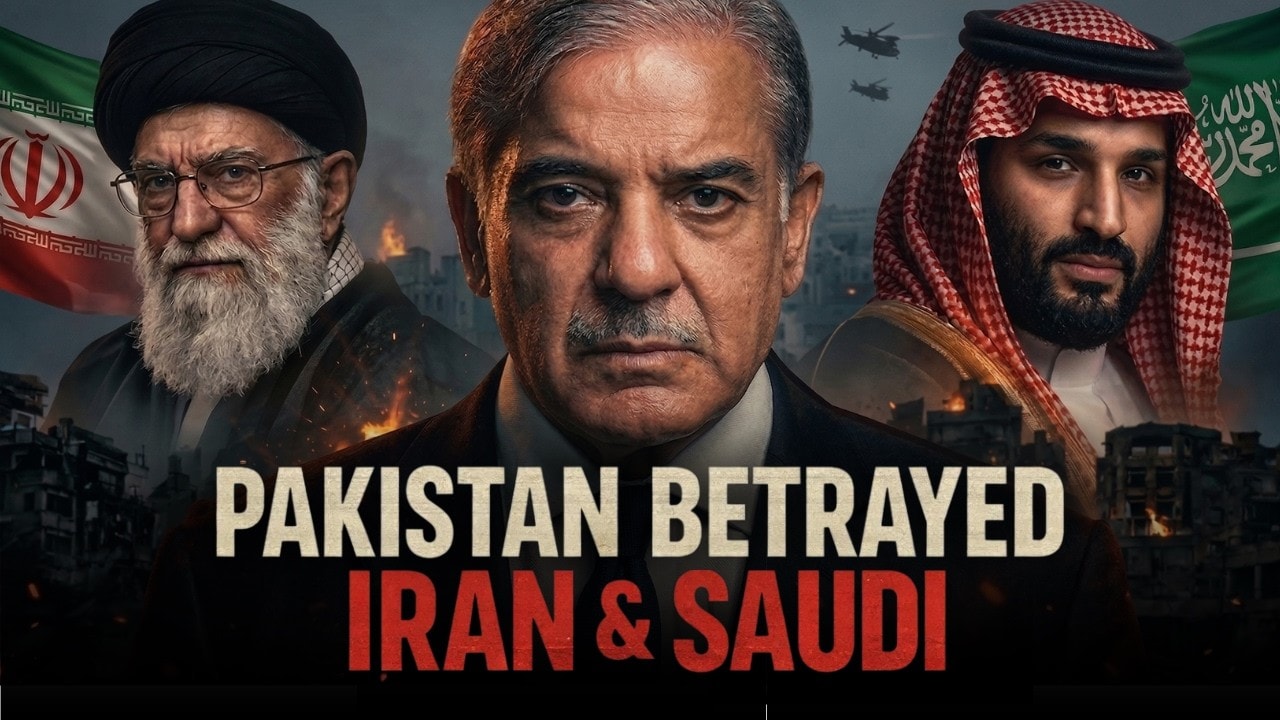
Think School asks why Pakistan stood aside while Iranian missiles fell on Saudi Arabia - despite a mutual defense pact signed in Riyadh on September 17, 2025 that treats aggression against one as aggression against both. The episode traces the 50-year alliance: Saudi oil wealth in 1974 (9.5 million barrels a day, a 30-mile queue of 220 ships outside Jeddah), the shocks of 1979 (Khomeini's call against the Saudi royals, the two-week Grand Mosque siege that killed 255, and Soviet tanks entering Afghanistan), and the bargain that followed - Saudi money for Pakistani muscle, including a secret Project 706 financing Pakistan's nuclear program in exchange for a nuclear umbrella, Pakistani troops at the Mecca siege and 11,000-13,000 deployed during the 1990 Kuwait invasion. The episode also covers Pakistan's alleged double game: reports of US drone launches from Pakistani bases against Iran, and the A.Q. Khan network's admitted sale of nuclear secrets to Iran, North Korea and Libya. Its explanation for the 2026 no-show: Pakistan is fighting on three fronts (India, Afghanistan, Baloch separatists) and its 40 million Shia citizens - the world's second-largest Shia community - mourned Khamenei as a spiritual leader, making intervention a civil-war risk. The closing argument: with 170 warheads (fifth-largest arsenal, ahead of the UK and France), Pakistan is too dangerous to fail, so the world keeps writing IMF checks - 'betrayal as a business model'. FULL COVERAGE: the captions appear to cover the entire episode. Reports and figures are as narrated. Sponsor: Outskill. Nothing here is investment or policy advice.
Think School: Indian Business Podcast
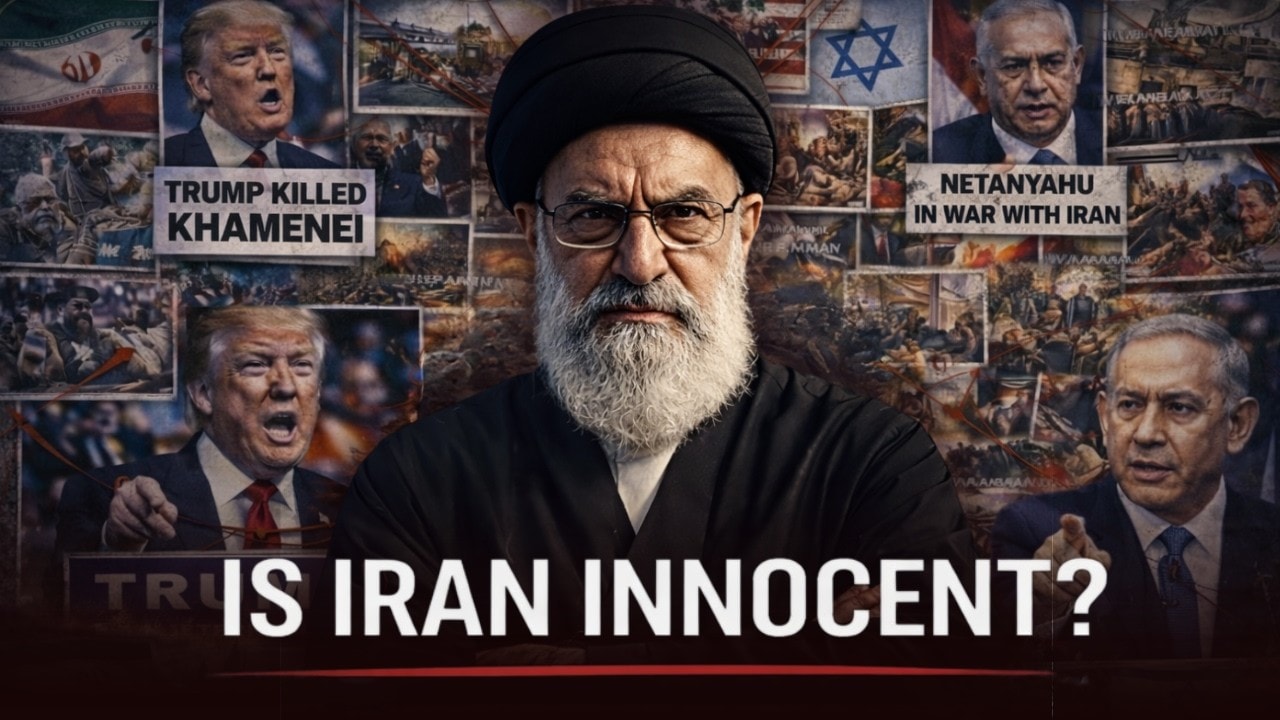
Think School tells the 2026 Iran conflict from Iran's side. In the 1950s, America and Iran were close allies: Iran supplied cheap oil (with 80% of the earnings going to Western companies) and received cash, weapons and nuclear technology in return, while Tehran looked like an American city. The turning point was the Shah's October 1971 party celebrating 2,500 years of the Persian Empire - roughly $100 million (about $800 million today) spent on Parisian food, vintage wine and imported trees while ordinary Iranians faced hunger and blackouts - which lit the fuse of the 1979 revolution. Ayatollah Khomeini then made three moves that turned America into an enemy: declaring an Islamic Republic, backing the 444-day US embassy hostage crisis, and cancelling Western oil contracts. The US response - freezing $12 billion in Iranian assets and arming Saddam Hussein for the eight-year Iran-Iraq war - is presented as the betrayal that pushed Iran toward a nuclear program, despite the 2015 Obama-era sanctions deal that briefly paused enrichment before the US withdrew in 2018. FULL COVERAGE: the captions appear to cover the entire episode. All claims and figures are as narrated in the episode. Sponsor: Outskill (AI training). Nothing here is investment or policy advice.

My First Million
My First Million's year-in-review episode in which hosts Sam Parr and Shaan Puri, joined by Steph Smith, rapid-fire through categories (no sponsor read appears in the episode audio) on their best and worst of 2025. Sam calls moving to a furnished New York apartment near family his best investment, Shaan defends a no-research stock shopping spree he tweeted out with a 10-year hold in mind, and Steph shares a personal health decision she credits with changing her year. They trade their biggest personal losses, including Shaan's jury duty spiral and Steph staying in a job too long, name frame-breaking people like a brash personal injury lawyer and behavioral scientist Kristen Berman, and close on Shaan's year learning piano, new parenthood on both sides, and Sam's case that anyone can learn to love running. PARTIAL COVERAGE: the captions cover most of the conversation, but this summary highlights the investment answers, the personal stories and the running pitch only, so some category rounds are not summarized. These are the hosts' and guest's personal stories and opinions, and specific stock picks and health decisions mentioned are their own - nothing here is financial, investment or medical advice.
Lenny's Podcast: Product | Career | Growth
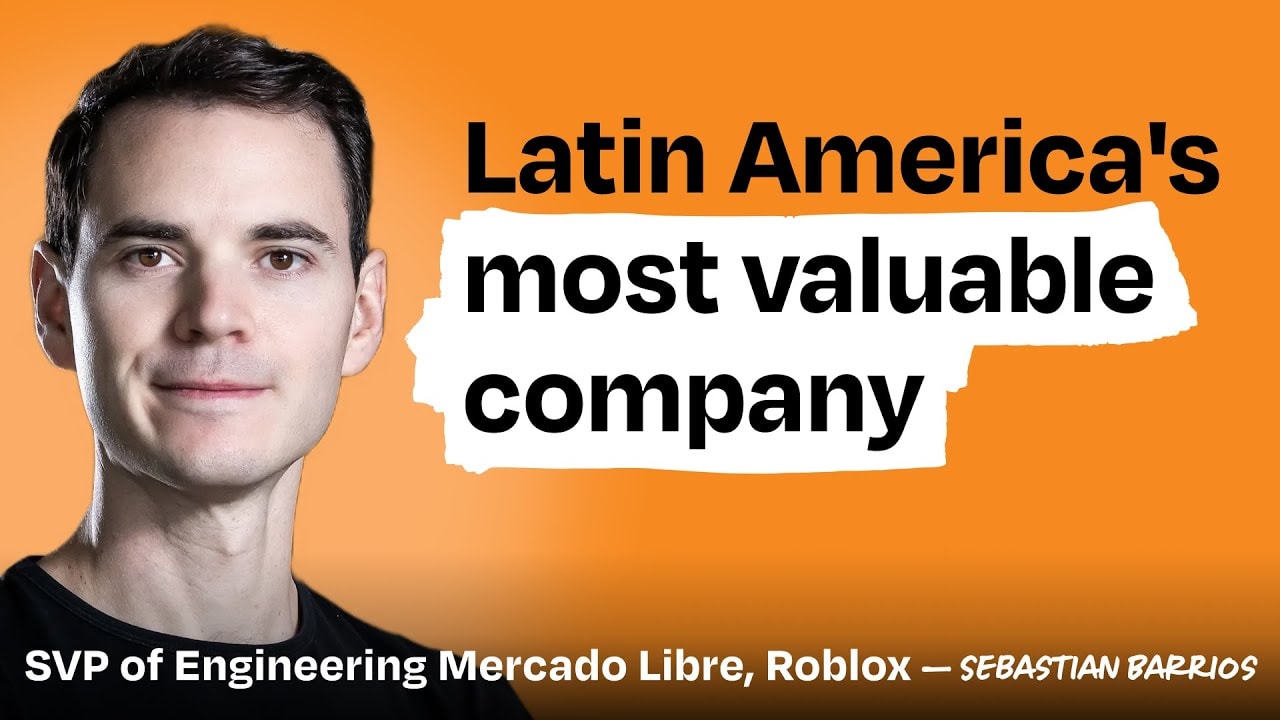
Lenny's Podcast episode, sponsored by Merge and Vanta, in which Lenny Rachitsky talks with Sebastian Barrios, SVP of engineering at Roblox and longtime product and engineering leader at Mercado Libre, about running one of the largest engineering organizations on the planet. Mercado Libre, the most valuable company in Latin America at over 100 billion dollars, fields 18,000 engineers across 18 countries, deploys 30,000 times a day, and delivers over 5 million packages daily with its own trucks and planes - bigger now than eBay and PayPal combined. Barrios explains why he refuses to split engineering from product, arguing a title should not decide ownership, and shares the stories behind the operator: his mother training him like a spy by dropping him in Mexico City to find his way home, building the number-one app in 19 countries at 19, and the phone call from Steve Jobs - after Apple added a new App Store rule overnight - that booted his teenage app. PARTIAL COVERAGE: this summary highlights the operating philosophy and stories; deeper org mechanics are not covered. These are Barrios's own accounts and views, not independently verified.
Lex Fridman Podcast
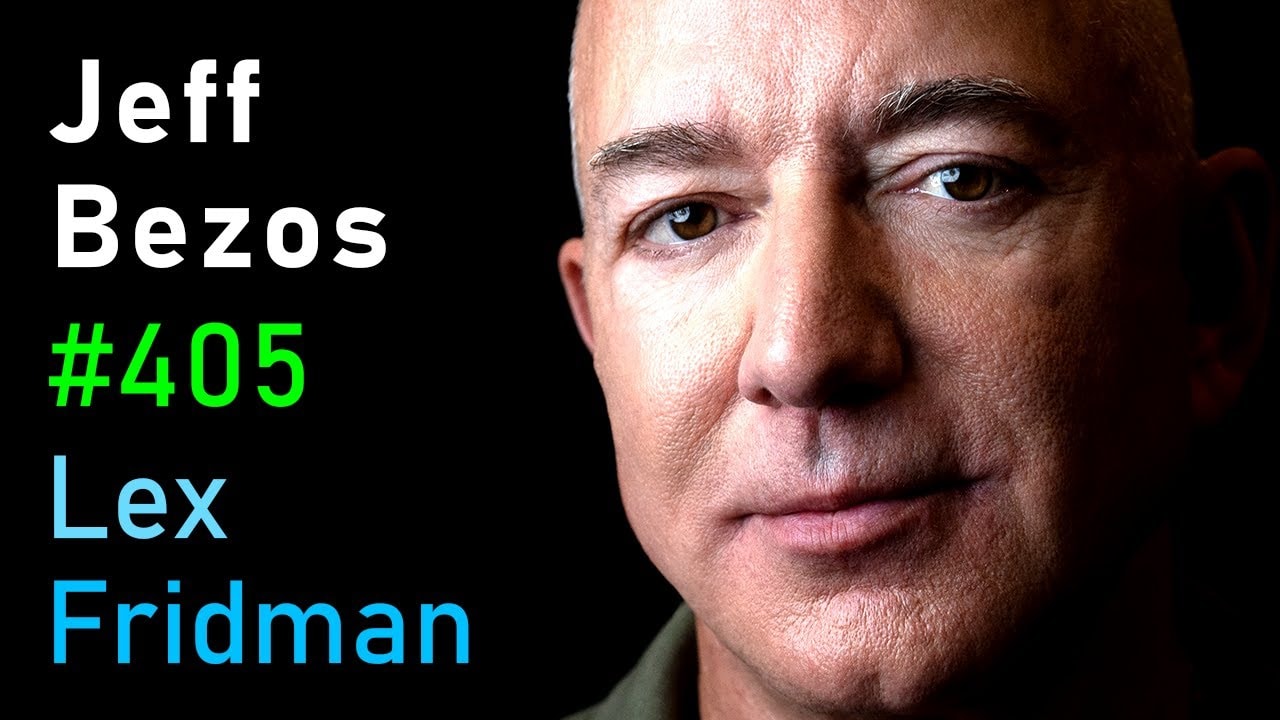
Jeff Bezos talks with Lex Fridman about his childhood on a Texas ranch, leaving physics, space exploration, Blue Origin and Amazon. He links persistence with truth-seeking, explains why metrics can become misleading proxies, and describes narrative memos and the 10,000-Year Clock. This is his account and long-term vision from December 2023.
Conversations with Tyler
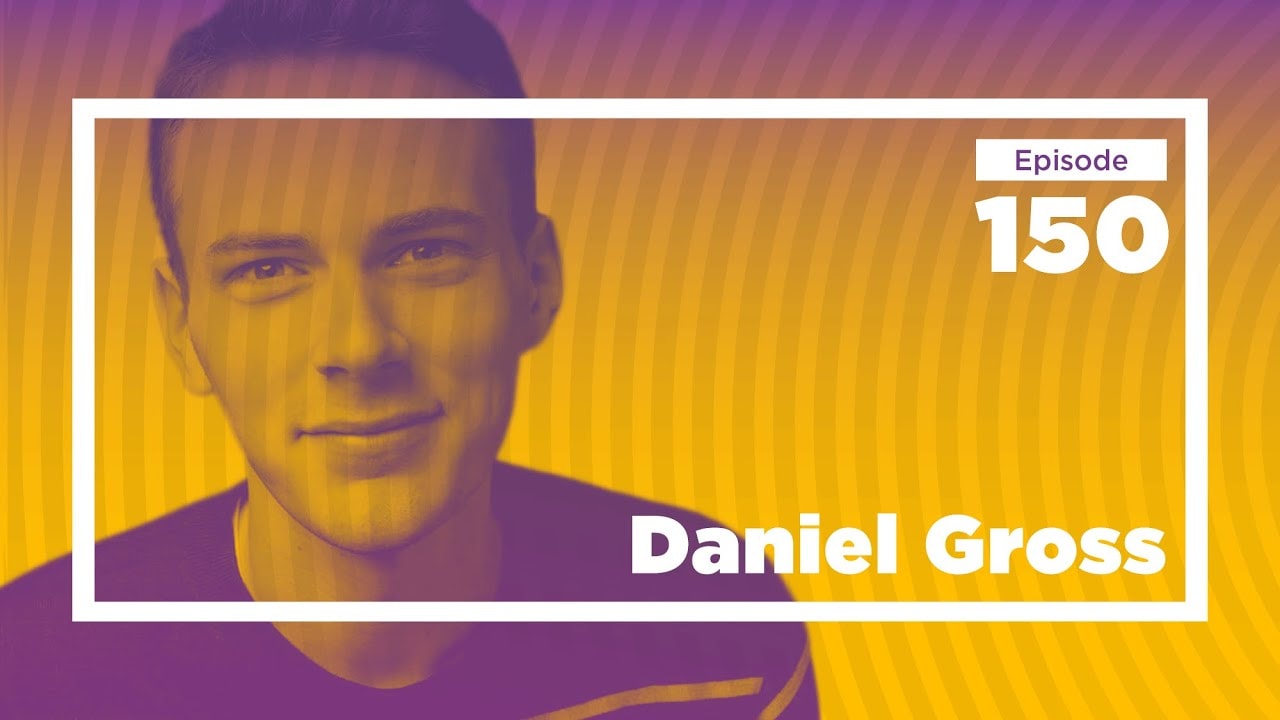
Tyler Cowen and investor Daniel Gross discuss their book Talent and the challenge of recognising capable people. They examine founder energy, repeated attempts, interviewing and the limits of their own judgement. Originally released May 18, 2022 and recorded February 24, 2022, the linked YouTube version was uploaded in November 2023. These notes cover selected talent and business passages from the official transcript. Health, political, conspiracy and crypto digressions are not covered.
Conversations with Tyler
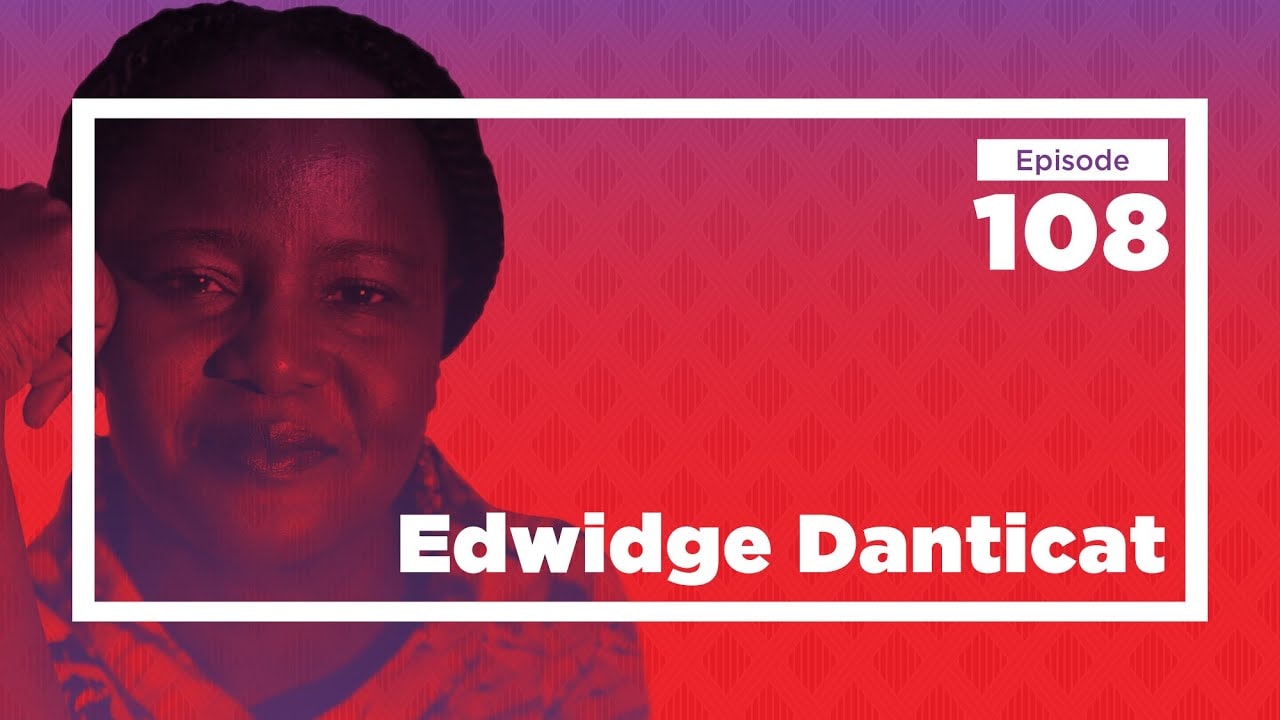
Edwidge Danticat talks with Tyler Cowen about Haitian writing across languages, artists inside and outside Haiti, painted tap-taps and the care needed when writing about another place. These notes cover selected art and literary passages, not the full interview. Political history, public-health claims and contemporary protest debates are omitted. Artistic preferences and cultural interpretations remain Danticat's views. Full official transcript: https://conversationswithtyler.com/episodes/edwidge-danticat/ . Topic labels are untimed.
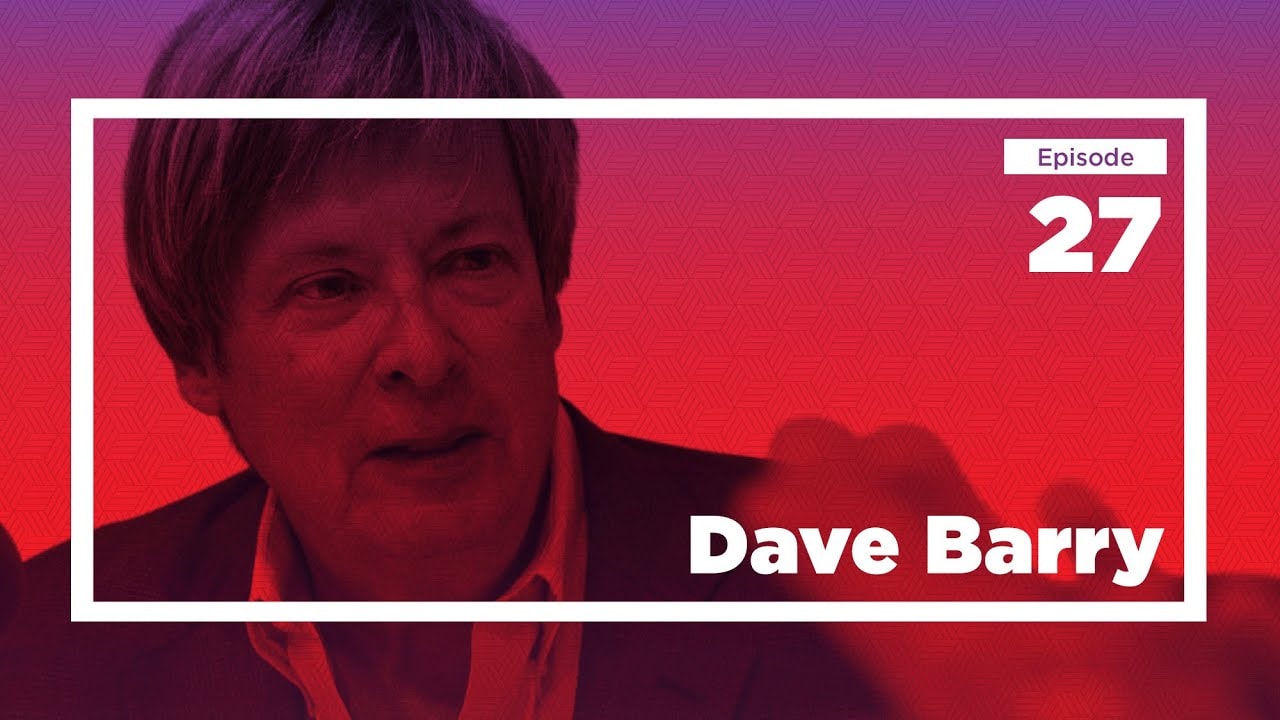
Conversations with Tyler
Dave Barry talks with Tyler Cowen about written humor, sentence structure, clear business writing and trying new forms without losing your sense of play. These notes cover selected craft and career passages. Political satire, sensitive joke examples and dated regional claims are omitted rather than treated as current fact. Humor judgments and career recollections are Barry's. Release date follows the official August 16, 2017 episode; the linked YouTube copy was uploaded later. Full official transcript: https://conversationswithtyler.com/episodes/dave-barry/ . Topic labels are untimed.

