Find key takeaways from long-form podcast conversations.
Found 14 results across 13 episodes, 1 people

How I Built This with Guy Raz
Guy Raz revisits an archive conversation with Michael Dell, explicitly labeled2018 in the publisher title and reissued November5,2026. Dell describes early selling experiments, curiosity about computers, upgrade kits built around a customer's needs and the transition from a dorm-room business to a computer manufacturer. A customer visit reveals a product opportunity; a responsive supply chain, direct relationships and on-site service help the business compete. The conversation also covers capital needs, compliance problems, failed engineering bets, customer listening and his return to the CEO role. Main theme: entrepreneurship, business models, operations and learning from customers. AI appears in a new sponsor read and a brief closing update, not as the main interview theme. The closing comment about US opportunity is a personal reflection, not a political-policy discussion. The interview's historical revenue, prices, market share, age records and timelines are speaker or host recollections, not current company results or independently audited facts. The original interview date is not inferred beyond the publisher's2018 label; the publication-date field records this2026 reissue. New wrapping material does not make it a new interview, and future dedupe must include the original2018 edition. The catalog contains a separate Tim Ferriss interview with Dell, not this conversation. Newspaper targeting through public records is described as a historical anecdote, not a recommendation to collect personal data or ignore present privacy and marketing rules. A regulatory warning led to legal advice, testing and an application; the account is not permission to disregard a regulator or a current FCC compliance guide. Leaving college is Dell's personal decision under an agreed fallback, not advice that dropping out causes success. Hardware modifications are historical context, not a procedure or safety guide. Intensive work and marriage preferences are personal choices, not universal success requirements. FULL COVERAGE: entire downloaded publisher RSS audio in45 sequential chunks, sparse chunks1,24,36,44 checked in halves. Actual44:41 versus RSS46:48. Publisher-audio edition only; no claim of equivalent YouTube content or timestamps. Ads/promotions heard: Anthropic/Claude, NPR's Machine Gods and Phoebe Judge's Criminal live tour. The host's closing philanthropy and AI-infrastructure update belongs to the reissue wrapper, not the2018 interview. Verified publisher show artwork is used because this RSS item has no separate episode image. Informational only, not personalized financial or legal advice. PREPUBLICATION: Check existing published and unpublished editions, including original/reissue aliases, before creating or publishing this conversation again. Confirm the chosen cover and guest portrait against the intended edition. A generic show cover or a guest photo is not verified main-video artwork. Figures, roles and opinions describe the historical interview. Product, health, legal and financial claims are not independent conclusions.
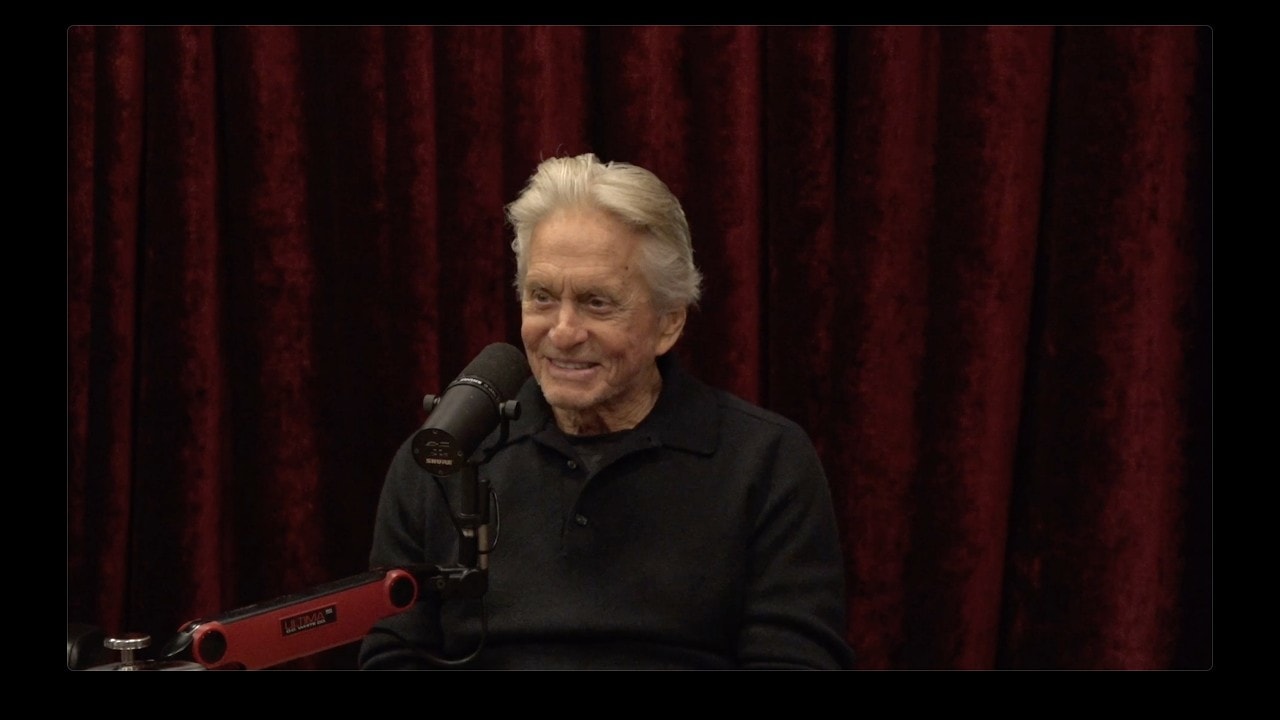
The Joe Rogan Experience
Michael Douglas joins Joe Rogan to talk about Falling Down thirty years on, his father's Hollywood career, the China Syndrome, how war and power repeat across generations, and where he thinks policing and politics are heading. Partial coverage: this note summarizes the opening portion of the roughly 2h10m conversation, and the political views are the speakers' own.
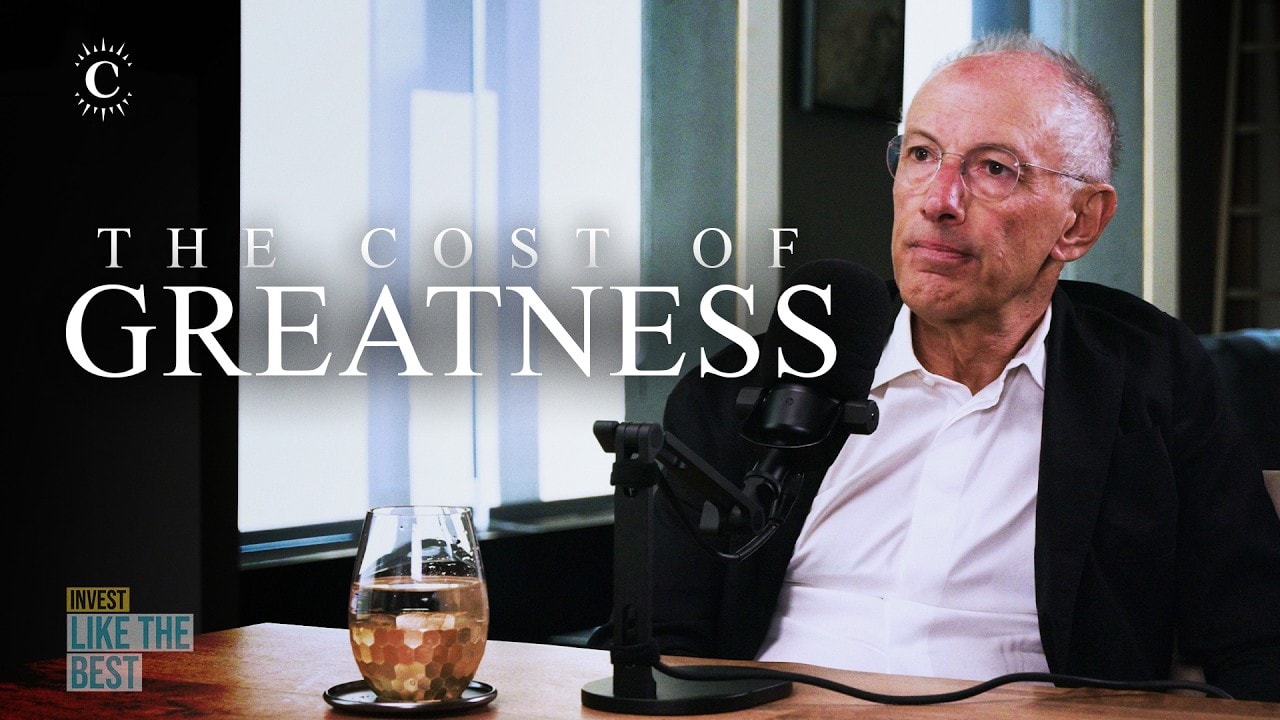
Invest Like the Best
Michael Moritz - former Time journalist, longtime Sequoia Capital chairman, and author of the family-history book at the center of this conversation - sits with Patrick O'Shaughnessy. FULL COVERAGE: notes span the entire episode. Sponsors read on the show: Ramp, WorkOS, Rogo, Vanta and Ridgeline. All views, historical accounts and market observations are as stated by the speakers; nothing here is investment, legal or other advice. Moritz traces how his parents' flight from Nazi Germany - a mother who predicted doom at the breakfast table and a survivor instinct absorbed, not told - made him a permanent outsider with a built-in bolt-hole reflex: he says the lesson of his family history is that you can never have enough passports. He tells the two-grandfathers story: the Bavarian civil servant who trusted the state and his pension stayed too long and perished; the blind cattle trader who had always fended for himself got out 72 hours before the war began. The conversation covers his childhood-interrogation method for reading founders (including the question that made a Sequoia candidate burst into tears), the Anna story and his resistors-silent-collaborators frame from a French village series, how the Chrysler book and Lee Iacocca revealed the immigrant outsider's engine, and the Steve Jobs Time profile - put through what he calls an editorial combine harvester - that severed their relationship and pushed him out of journalism. On Sequoia: Don Valentine hired a journalist with no technical background on the Arthur Rock precedent; Moritz says the old venture game of imperfect information and close founder relationships no longer exists, and his own mandate taking over was not to screw it up, to act as if the firm is only as good as its next investment, and to do right by nonprofit investors - including fighting one fund back to par over a decade rather than walking away. Elsewhere: Alex Ferguson's real management skill (he wanted respect, not love or fear, and met Beckham at the airport after the World Cup sending-off), why he believes the great-person theory of history and calls Elon possibly the greatest industrialist in American history, Frank Auerbach's one-day-off-a-year monomania, why he thinks AI will create more jobs than it destroys and is raising the value of extraordinary writing, stepping away from Sequoia cold turkey, building the San Francisco Standard to prove local journalism can be profitable, and his closing answer on what matters: relationships, knowing we are all insignificant, and leaving things a little better.
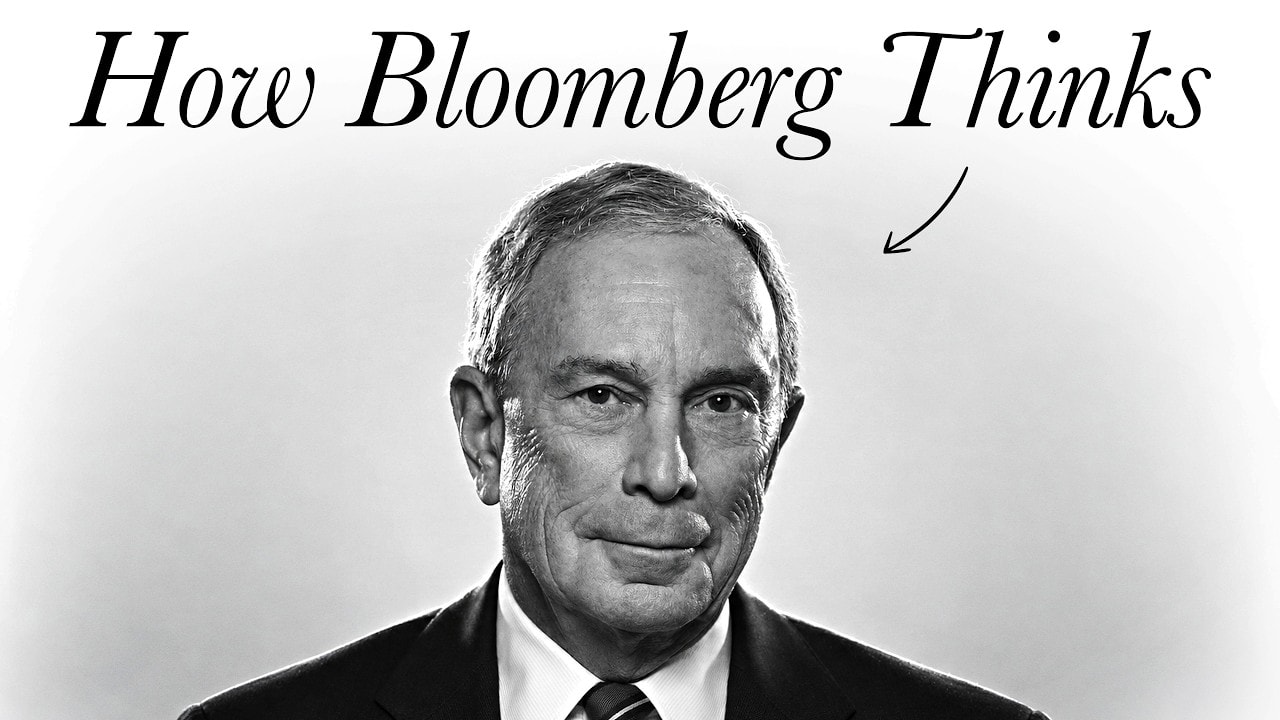
David Senra
David Senra reads Michael Bloomberg's autobiography: fired from Salomon Brothers with $10 million, starting a company at 39, acting from day one while others planned, knowing the business was information rather than hardware, and why selling is everybody's job. TL;DR Bloomberg was pushed out of the only full-time job he had, started with his own money, and refused to cash in; he says real builders cannot sit still, and that Bloomberg's product was always content, never the terminal hardware. Coverage comes from the first ~49,800 characters, covering most of the 49-minute episode. Sponsor reads appear mid-episode. Details come from machine-generated captions and the guest's own claims; business figures are not independently checked. Topics are untimed; metadata follows YouTube. Source: https://youtubetotranscript.com/transcript?v=1iH5YpzPZi8
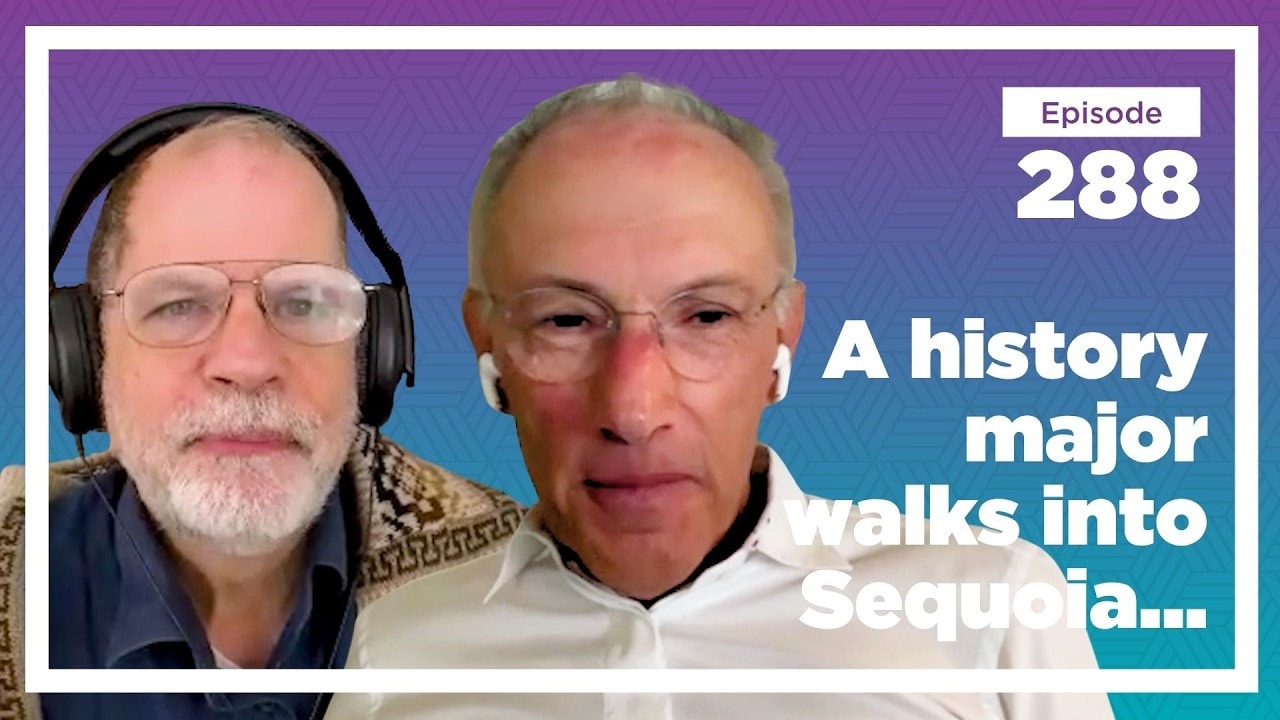
Conversations with Tyler
Michael Moritz talks with Tyler Cowen about looking closely, writing, art and the career that took him from journalism into venture capital. These notes select visual art, literary learning, curiosity, career transitions and philanthropy-management passages. Political debate, historical and national generalizations, conflict and exile history, illness, mortality and AI discussion are omitted. Artistic judgments and accounts of business experience are attributed to Moritz, not offered as investment advice or universal explanations. Full official transcript: https://conversationswithtyler.com/episodes/michael-moritz/ . Topic labels are untimed.
Dwarkesh Podcast
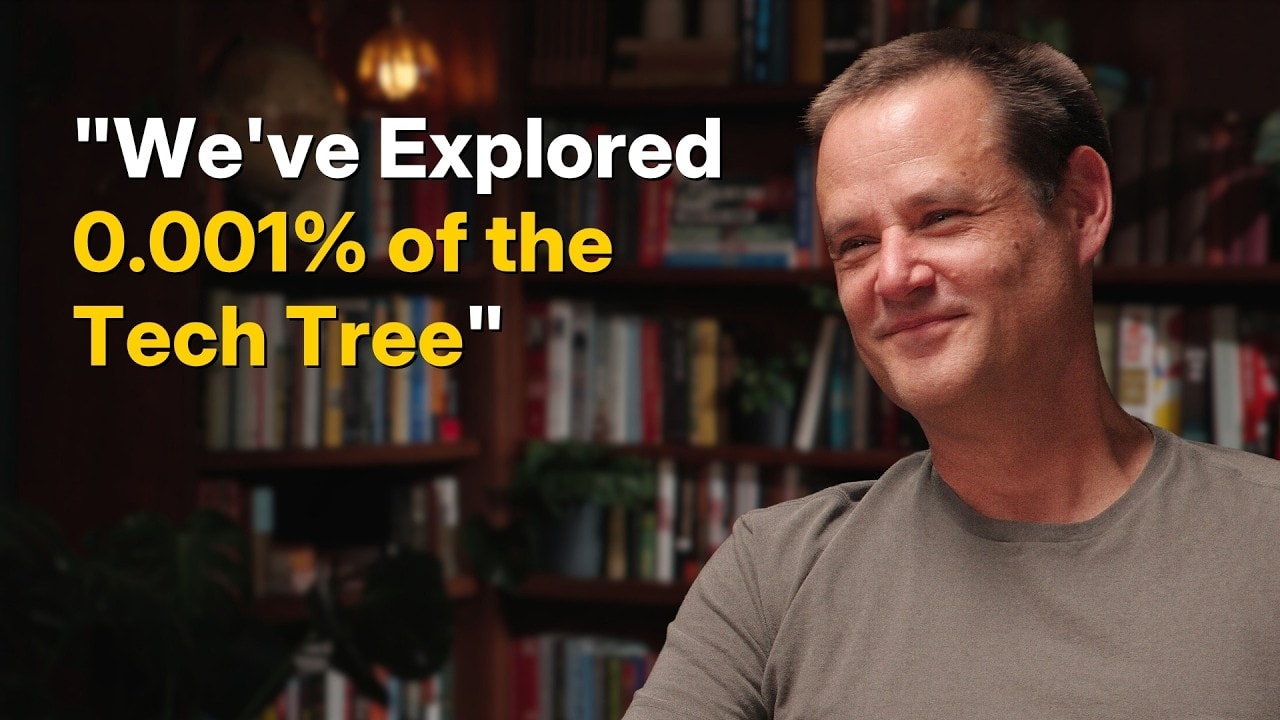
Michael Nielsen and Dwarkesh Patel discuss how scientific ideas advance when experiments are ambiguous or verification is slow. Historical examples lead to questions about anomalies, selection bias, alternative technology paths, quantum computing and how to learn deeply. Claims about other civilizations are explicitly speculative.
The Joe Rogan Experience
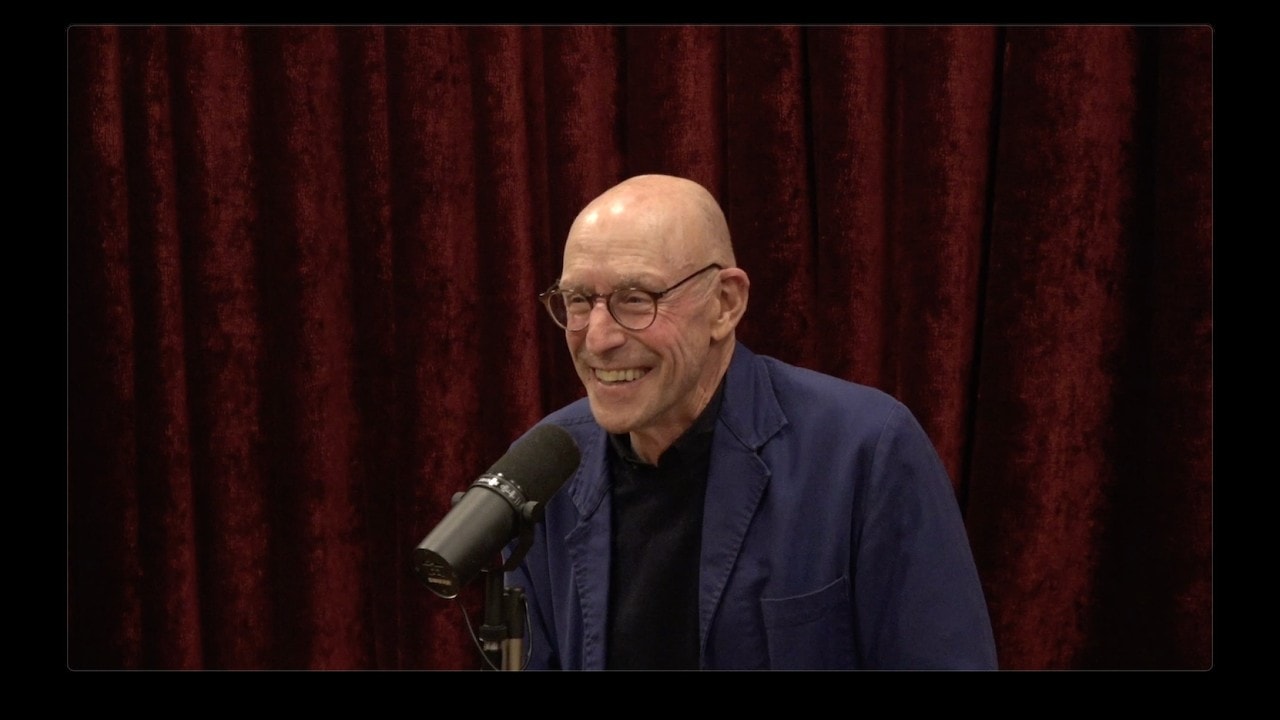
Author Michael Pollan joins Joe Rogan to discuss consciousness, whether the brain generates or receives it, a famous bar story involving two thinkers, and what it was like to be hypnotized. Partial coverage: this note covers the opening portion of the roughly 2h23m episode; the views are the speakers' own.
Figuring Out with Raj Shamani
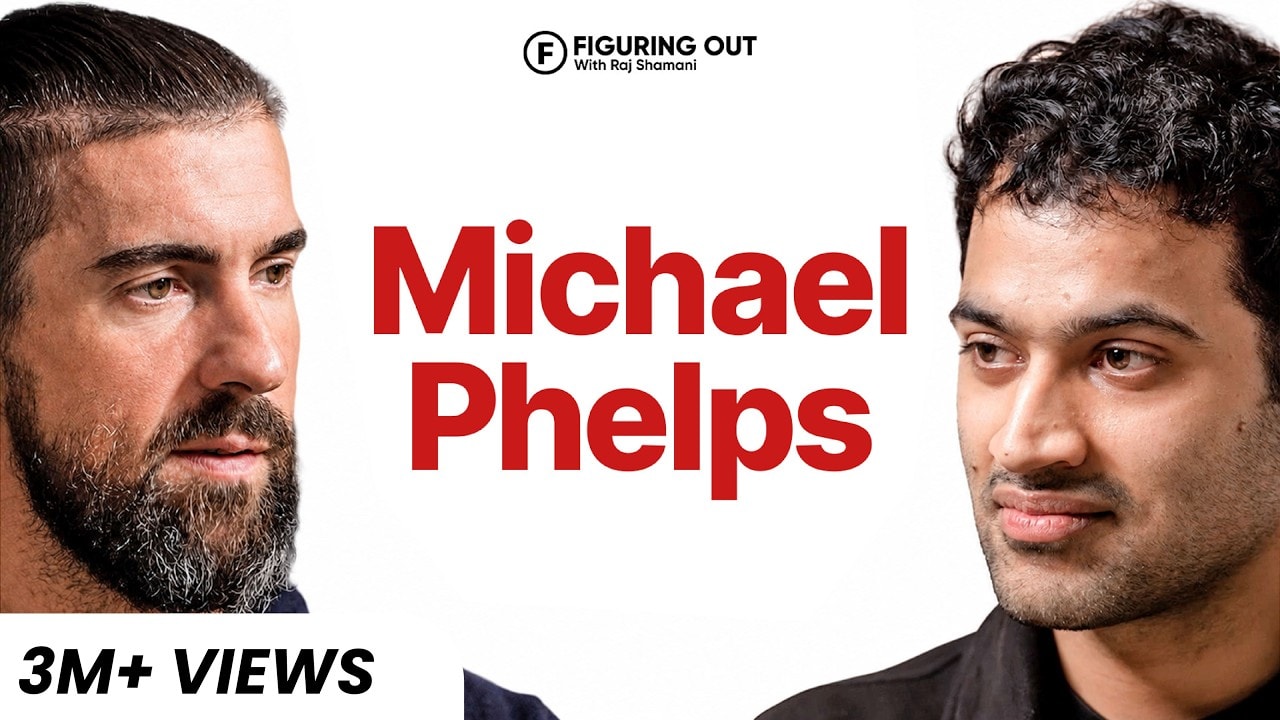
A Figuring Out with Raj Shamani conversation with Michael Phelps, the most decorated Olympian of all time, about hating to lose, his coach, how he prepared and trained from childhood, and how adversity in training prepared him for the Olympics. PARTIAL COVERAGE: the episode runs about 132 minutes and the available caption text is cut off, so this summary covers roughly the first 40 percent, up to the daily training routine, and not later topics. Medal counts and training details are Phelps's own account and are unverified. This is a summary of his views, not training or medical advice.

How I Built This with Guy Raz
Current Advice Line edition (October 2, 2025) with Dollar Shave Club founder Michael Dubin as the returning founder. His original episode was a 2018 live show at the Ace Theater in LA (stated on air); the closing archival clip (the Science incubator's $100,000 check written as $100) is from that conversation. EPISODE COMPARISON vs the separate Dollar Shave Club/Michael Dubin founder-story reissue handled elsewhere in this project (original December 2018): that entry is a reissue of the 2018 interview; this one is a new, distinct conversation (update + three callers + closing question + archival clip). Same guest, different conversation - both stand; not a duplicate. Sponsors and promotions: [{"brand": "American Express (Amex Corporate)", "type": "top of show", "copy": "Amex Corporate spot - cards with flexible spending controls and real-time visibility; 'Companies shouldn't have to choose between speed and control'; go.amex/amexcorporate; 'terms apply' as read."}] ["Caller figures are the callers' own statements: PARS projected >$200,000 this year, started in Utah with four holes, two delivery leads plus gig workers; Incidental Wildland nine years in business, ~87%-male wildland fire statistic as cited by Bria, contract cut-and-sew in Kansas City; Kasbo's 2026 launch across a major grocery chain's NYC stores, NYT Florence Fabricant coverage, restaurant client - all the callers' own accounts.", "Dollar Shave Club facts as stated on air: original 2018 live episode at the Ace Theater in LA; Unilever's 2016 acquisition 'reportedly for a billion dollars' (Guy's wording); roughly ten years at DSC split between independent and Unilever eras; advisory work including Liquid Death. Attributed.", "Safe Woods details are Dubin's own account: started after stepping down as CEO in January 2021 and being 'smoked out' of a vacation; Montana base; US Forest Service collaboration; migration toward policy influence. The on-air uniform collaboration offer is a stated intention, not a completed transaction.", "Bria's NFPA 'wearing ease' critique ('oversized duffel bag') is her professional opinion as a maker and former firefighter - attributed, not endorsed; NFPA expanded as National Fire Protection Administration per her on-air guess ('Administration, I think') - flag the uncertainty.", "ASR miscues flagged: 'Casbo's' normalized to Kasbo's; 'Brio' normalized to Bria; 'PARS'/'Parrs' - publisher description uses 'Parrs Mobile Mini Golf' while the caller says PARS on air; audio engineer 'Sina Lafoedo' spelling unverified.", "Dubin's closing reflection on presence and sleepless nights is personal, attributed; no advice framing applied.", "Caller surnames and uncertain ASR expansions do not establish identity. Short archival excerpts do not turn this Advice Line into the older full interview. Historical roles and plans are not current reports.", "Do not infer a particular recording date from publication. No original same-conversation duplicate identified within the preparedset; finalpublished/privatecrosswalk still required."] PREPUBLICATION: Check existing published and unpublished editions, including original/reissue aliases, before creating or publishing this conversation again. Confirm the chosen cover and guest portrait against the intended edition. A generic show cover or a guest photo is not verified main-video artwork. Figures, roles and opinions describe the historical interview. Product, health, legal and financial claims are not independent conclusions.

Lenny's Podcast: Product | Career | Growth
Lenny's Podcast episode, sponsored by Eppo and Paragon, in which Lenny Rachitsky talks with Michael Margolis, UX research partner at Google Ventures for nearly 15 years and author of the free book Learn More Faster, about identifying your bullseye customer in a single day. Margolis, who helped develop the Design Sprint and has worked with over 300 companies, defines the bullseye customer as the very specific subset of your market most likely to adopt first - Amazon started with books, Facebook with college profiles. His one-day formula is five and three in one: five bullseye customers, three simple prototypes, interviews conducted in one day while the whole team watches and debriefs. The payoff is depth of understanding, prioritization of feedback, and team alignment on what to build first. PARTIAL COVERAGE: this summary highlights the framework; the recruiting and interview tactics are not covered. These are Margolis's own methods, not independently verified.

Invest Like the Best
Patrick O'Shaughnessy interviews Michael Ovitz, co-founder of Creative Artists Agency, about storytelling, building an agency, information sharing, talent, relationships and creative business development. A long Michael Crichton and Jurassic Park story introduces the work of helping a creative idea become a finished project. Ovitz then describes scale, the shift to digital media, venture relationships, positional power, momentum, follow-up, branding, art, honest client feedback, family trade-offs and the Coca-Cola account. The close recalls professional gratitude and personal kindness. Main theme: creative entrepreneurship, agency operations, talent development and business relationships. Writer's block around minutes 6-11, an unnamed client's sleep problem around 81-84, family balance around 85-90 and brief family-health context in the closing kindness story are secondary personal and business anecdotes, not medical or mental-health instruction. The short digital-character-contract example around 74 and technology-business examples are not an AI-focused main theme. A phrase describing CAA as a religious experience is a workplace metaphor, not spiritual teaching. All business metrics, returns, contracts, account size, staffing, ownership, client relationships, dates, box-office outcomes and production credits are historical speaker claims as of January 9, 2024, not independently verified current facts. Memories of studio deals and agency packages are one participant's account, not current law, industry contract terms or proof of an exclusive origin story. Early CAA founding-year references differ between introduction and recollection; no invented reconciliation is asserted. Rain Man awards and box-office chronology are not adopted as verified facts. The Michael Mann film title changes in the ASR between adjacent chunks, so no attribution of the later wrong-title rendering is made. Broad art, color-response, founder-success and nonverbal-cue assertions are personal heuristics, not verified cognitive science or reliable judgments of individual ability. Generalized gender, age, nationality and personality stereotypes are not endorsed or used as factual hiring rules. Writer's block is not assigned a diagnosis; the unnamed sleep/medication story is not given a drug, dose or treatment protocol and requires qualified clinical judgment in real life. His child's health is not diagnosed, and private family medical details are not expanded. Rain Man is discussed as a production story, not a guide to autism or a claim that autistic people have a single appearance or trajectory. Historical radio-call monitoring and selective messaging are not recommendations to intercept communications, exploit private information, deceive clients or breach confidentiality. Publicity, mystique and competitive signaling do not justify misrepresentation, coercion or interference with others' rights. Strong internal sharing still requires appropriate privacy and client-conflict safeguards. The guest acknowledges missing talent and driving people too hard; extreme hours and reduced sleep are not endorsed as necessary, safe or universal success requirements. Art references illustrate study and taste, not legal permission to reproduce others' work commercially. People-first investing does not eliminate loss, diligence, conflicts or illiquidity. FULL COVERAGE: entire downloaded publisher RSS audio in 110 chunks; sparse final 11-second chunk checked in halves, both silent. Actual audio 109:11 versus RSS 110:25. No claim that this edition matches a YouTube cut or its timings. Ads heard: Ridgeline and Crosby. Separate 40-85-second probe confirmed Crosby and crosby.ai/invest after chunk ASR incorrectly rendered Cooley. Ramp and Rogo are customers inside the Crosby read, not separate ads. Own-network promotion: Colossus podcasts, transcripts, resources and Colossus Weekly. RSS Tegus and Founders Podcast promotion were not heard as separate reads in this edition. Dynamic inventory differs; historical commercial claims are not verified current terms. Informational only, not personalized investment, financial, legal, tax or medical advice.
The Tim Ferriss Show
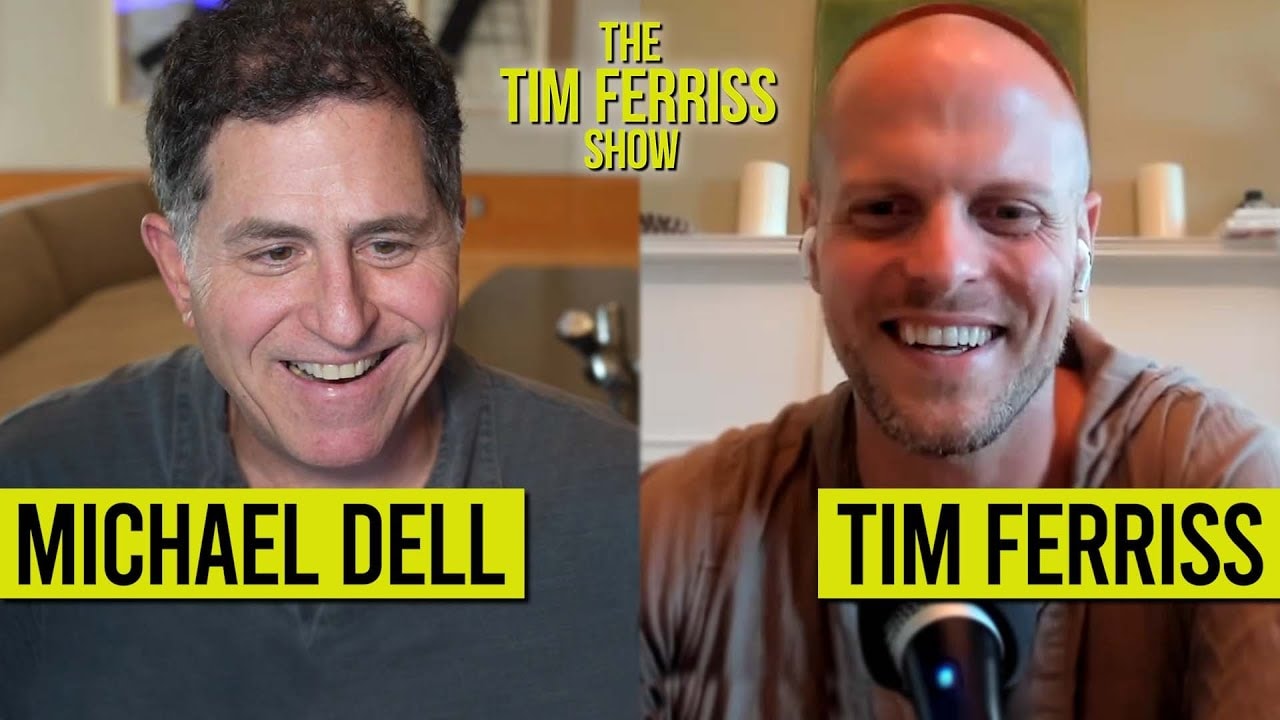
Michael Dell discusses engineering mistakes, supply-chain learning and designing from the customer back. Selected business passages from the official episode transcript only; political and proxy-fight material, health and AI forecasting omitted. Company accounts are his retrospective views, not current verified operating facts. The linked YouTube edit is shorter than the audio-feed duration; metadata uses the video, while topic sections remain honestly untimed. Short quotes are attributed to The Tim Ferriss Show; full transcript: https://tim.blog/2021/09/28/michael-dell-transcript/
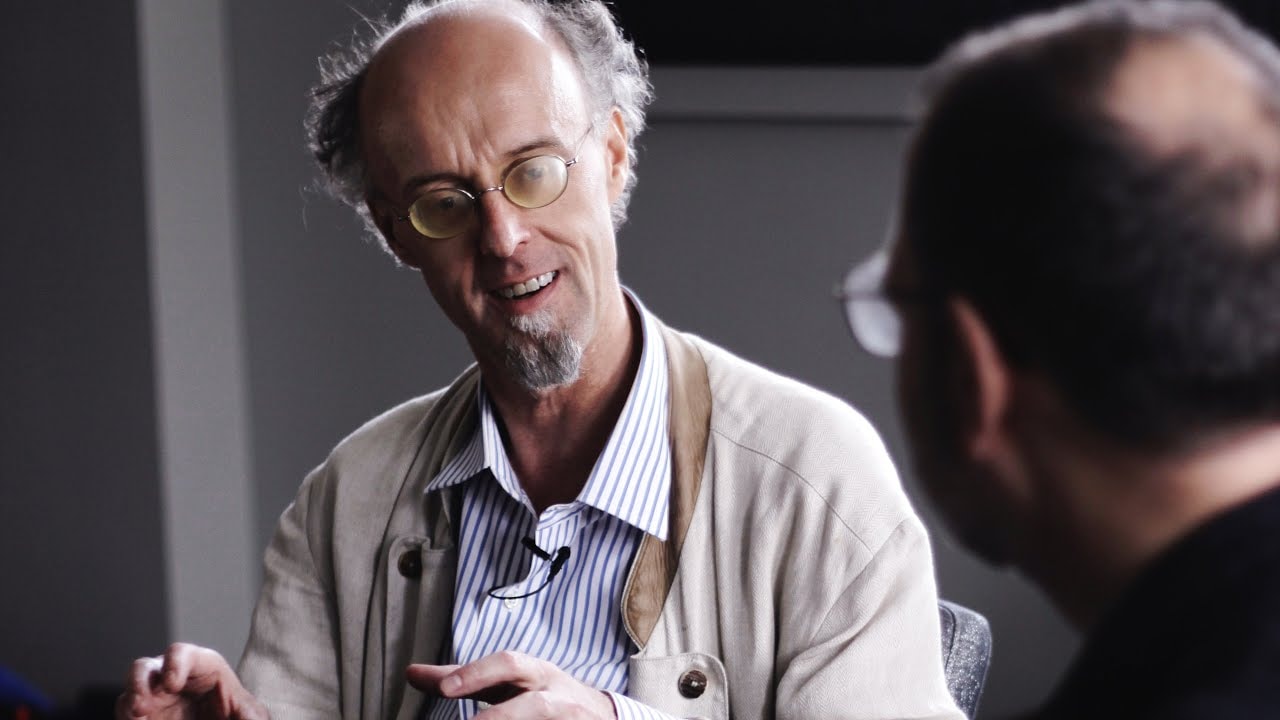
Conversations with Tyler
Michael Orthofer talks with Tyler Cowen about why fiction offers a distinct experience, reading beyond familiar national canons and choosing books without outsourcing every judgment to prestige. These notes cover selected reading and discovery passages, not every author or topic. Publishing-market comments belong to the 2016 interview and are not current market findings. Literary judgments remain Orthofer's views. Full official transcript: https://conversationswithtyler.com/episodes/michael-orthofer/ . Topic labels are untimed.


