

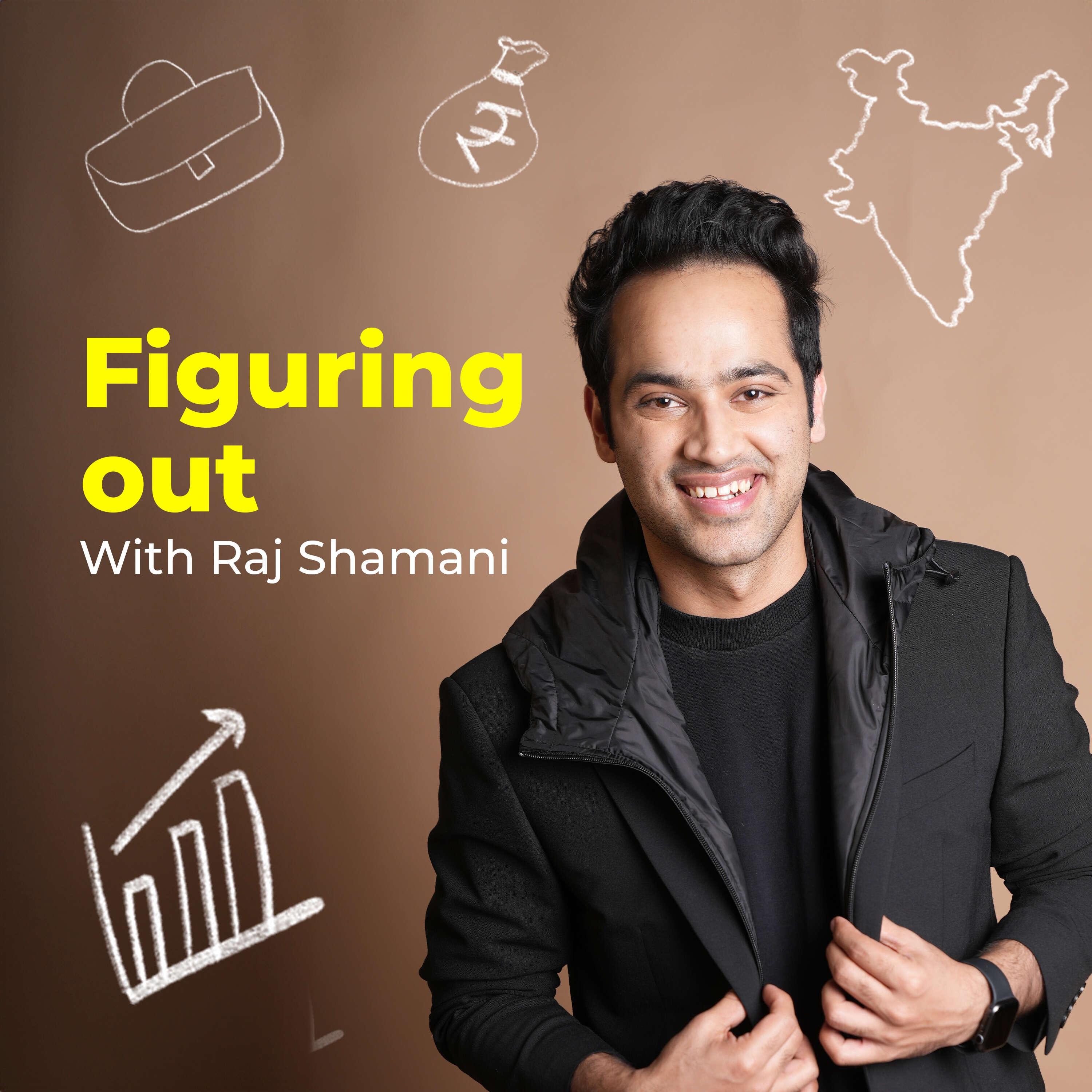
Dropout To Billionaire - Zerodha's Founder Nikhil Kamath's Journey To SUCCESS - FO5| Raj Shamani

Executive Summary
Nikhil Kamath, co-founder of Zerodha, tells Raj Shamani how he left home at 17, held two call-centre jobs while trading options at night, and later built a flat-fee broking firm with his brother Nithin. He explains why most people should invest rather than trade, why selling and clear communication matter, why tips and TV calls are unreliable, and why India's financial literacy gap is mostly a story of low incomes. The episode ends with a curiosity-first life philosophy and a light rapid-fire round. A short late segment on inheritance tax, socialism and wealth gaps is Nikhil's personal opinion on public policy, not advice.
Key Takeaways
Selling and communication are core skills
Nikhil sold UK insurance by phone at night. He says being able to interpret information and explain it clearly matters more than memorising facts now that everything can be looked up.
Learn sales by doing it
He prefers learning from experience over reading. Raj adds a structure of preparation, emotion (fear or aspiration) and urgency. Nikhil adds confidence and deep product knowledge so one customer question cannot sink the sale.
Most traders lose, most investors do better
Nikhil says roughly eight in ten traders lose money, against three or four in ten investors. He still trades, because he started with a small pool of capital, but he tells most people to invest.
Stick to the trend and predefine your exit
His one trading rule for beginners: do not buy something just because it fell. Buy what is already moving up, and enter with a stop loss and a target set in advance.
Do not follow tips, TV calls or SMS stock picks
He tracked a month of TV channel calls and says doing the opposite would have made money. SMS tips are often someone offloading a stock. Make your own calls and look for sectors you understand on the ground.
Credibility is the real business in fintech
Zerodha charged a flat fee when others took half a percent to one percent. The first couple of years were hard until tens of thousands of clients trusted it. Execution only, no advice, kept it simple.
Financial literacy follows income and schooling
He says India had low GDP per capita, so most people never had money to manage. Schools teach kids how to get a job but not how to handle money. He wants bonds, IPOs, equity and gold taught in middle and high school, and points to free online courses meanwhile.
The Conversation Breakdown
Leaving home at 17 and two call-centre jobs
⏱ 1:53Nikhil moved out at 17 for independence and to save commute time. He worked a day job at a Bangalore call centre and a UK-shift insurance job at night, while trading options on the side and losing his savings several times.
How he made money trading and selling insurance
⏱ 4:18He explains options and leverage, why they are addictive, and how he sold personal accident and health insurance to British customers using a script, a 60-day free-cancel period and an accent he never quite got right.
Do we need to be good at sales?
⏱ 7:58Nikhil and Raj compare ways to learn sales: Nikhil says learn by doing, Raj shares his preparation, emotion and urgency structure. Both agree confidence and product knowledge help.
From call centre to Karma Associates and Zerodha
⏱ 11:40He rose to team leader and ran mass recruitment, then started managing money for friends and family with his brother. High commissions pushed them to start their own broking firm, which became Zerodha with flat-fee pricing.
Investing versus trading and mistakes to avoid
⏱ 16:43Nikhil prefers trading personally but says most people should invest. He advises sticking to the trend, using stop losses and targets, and ignoring tips, TV recommendations and SMS stock calls.
Why many Indians are not financially literate
⏱ 23:48He ties low financial literacy to historically low incomes and an education system that does not teach money skills. He suggests free online learning such as Coursera and YouTube, and defends paid courses from individual teachers.
Curiosity, status and a rapid-fire round
⏱ 29:25Nikhil names curiosity as his guiding philosophy and discusses why people feel pressure to look smart. A late segment covers his views on wealth gaps, socialism and inheritance tax, which is opinion on public policy and not advice. The episode closes with a mock job interview and a TV show recommendation.
Core Frameworks & Ideas
Trend, stop loss and target
Enter a trade only in the direction of the prevailing trend, and decide the stop loss and target before entering rather than adjusting them later.
Preparation, emotion, urgency
Raj's three-part sales structure: be prepared with a real product, appeal to fear or aspiration, and create urgency. Nikhil adds confidence and full product knowledge.
Investing versus trading odds
With a starting nest egg, long-term investing at around 15 percent a year doubles capital in roughly five years and has far better odds than trading.
Actionable Next Steps
- ✓Write down your stop loss and target before any trade, then stick to them. This is a general idea from the episode, not financial advice.
- ✓Practise selling something small this week and note which questions you could not answer, then learn the product better.
- ✓Ignore SMS stock tips and TV calls. Research a sector you already understand from work or daily life.
- ✓Pick one free money course, such as a Coursera class, and finish the first module this month.
Notable Quotes
“Make your own calls, pick your own stocks, don't rely on any tip.”
“Curiosity above all else.”
“Money management at the end of the day is a business of credibility.”
The One Thing to Remember
Nobody knows what the market will do next, so do your own work, size your risk with a stop loss and a target, and never outsource your decisions to tips.